Zagreb is one of the more affordable capitals in Central Europe, and its best experiences are often its cheapest. The sights that define the city are free to walk into, the transport is inexpensive and the food culture rewards a modest budget. Here is how to see the city well without spending much.
The big free sights
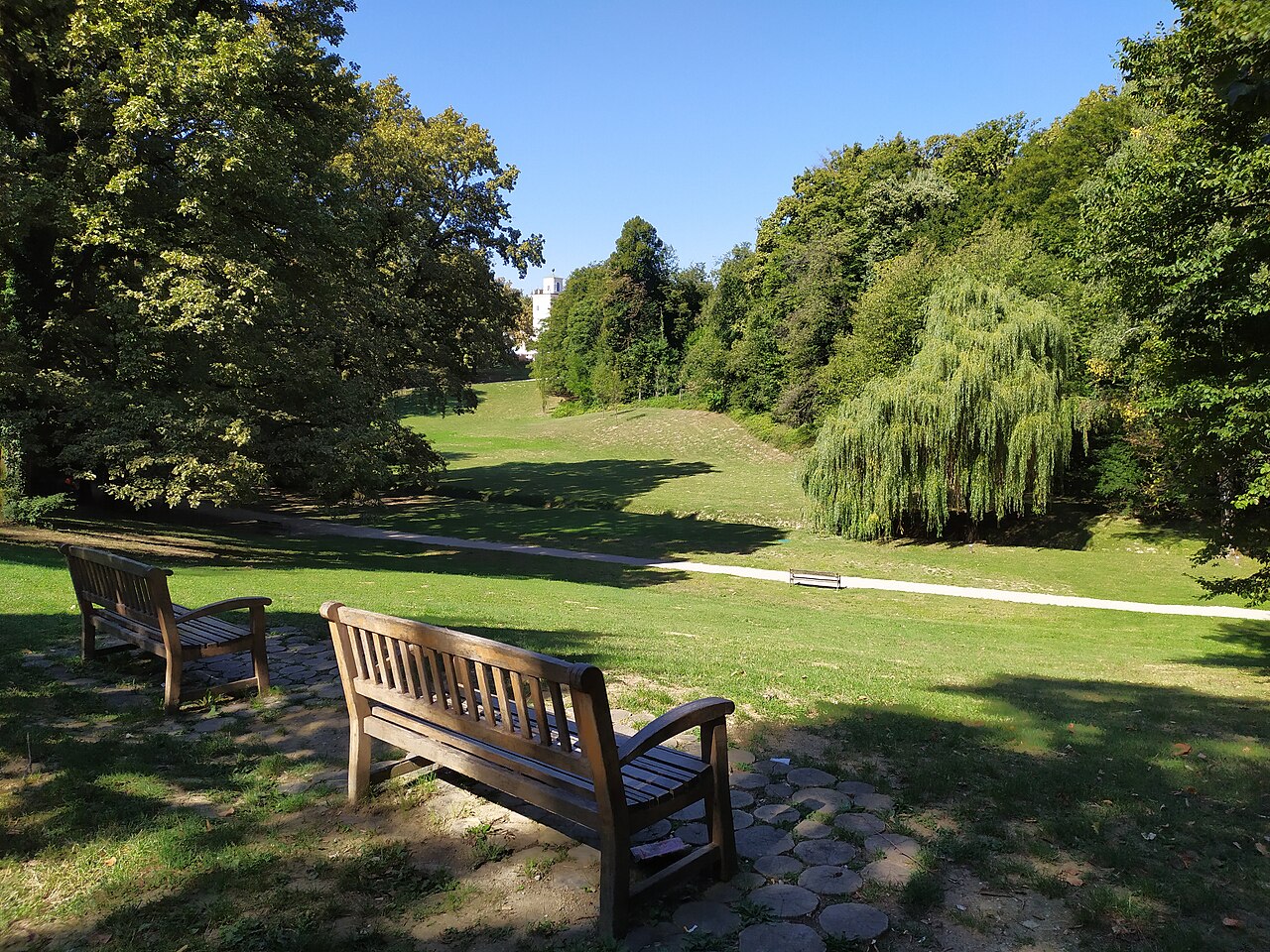
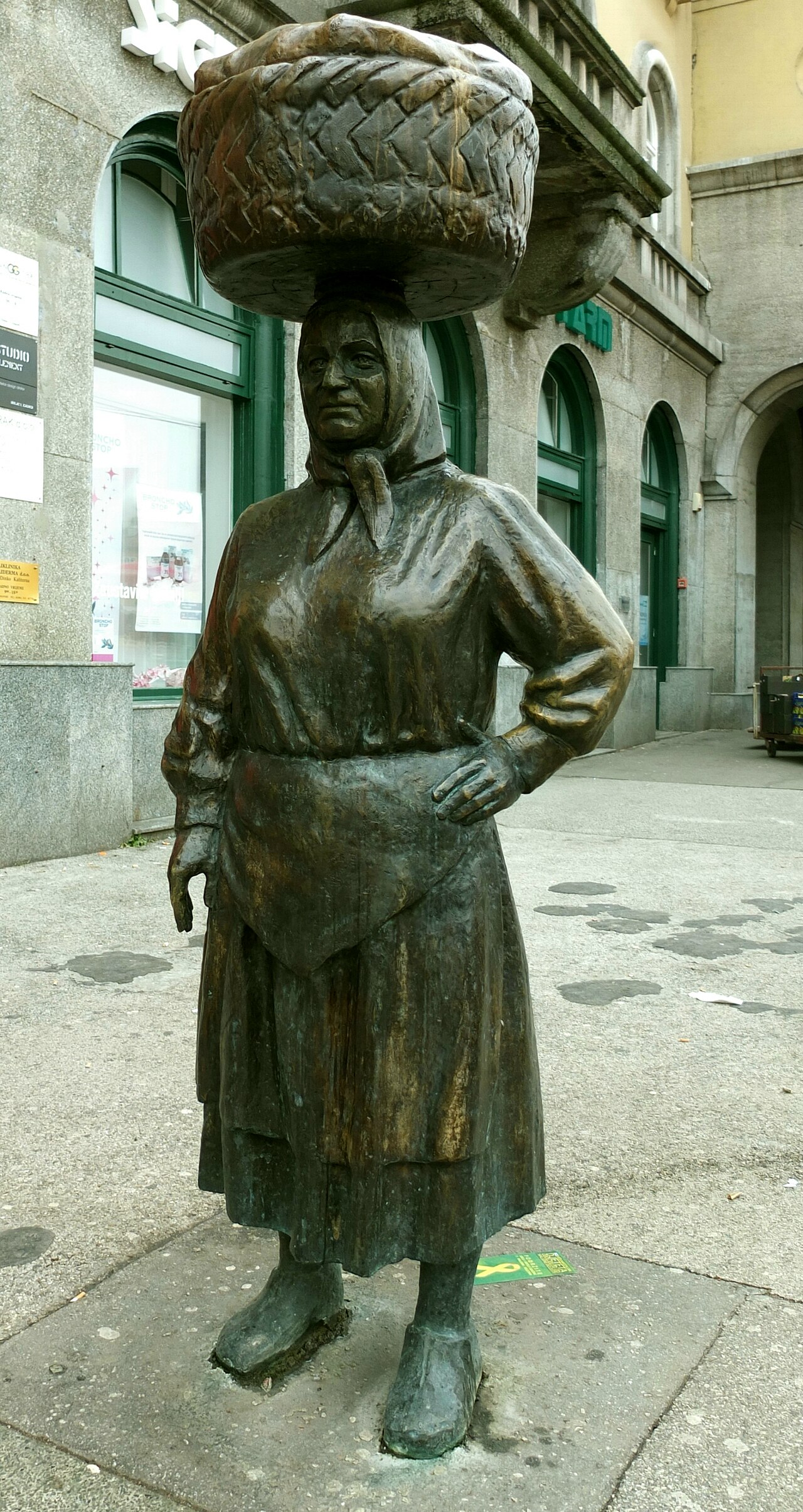
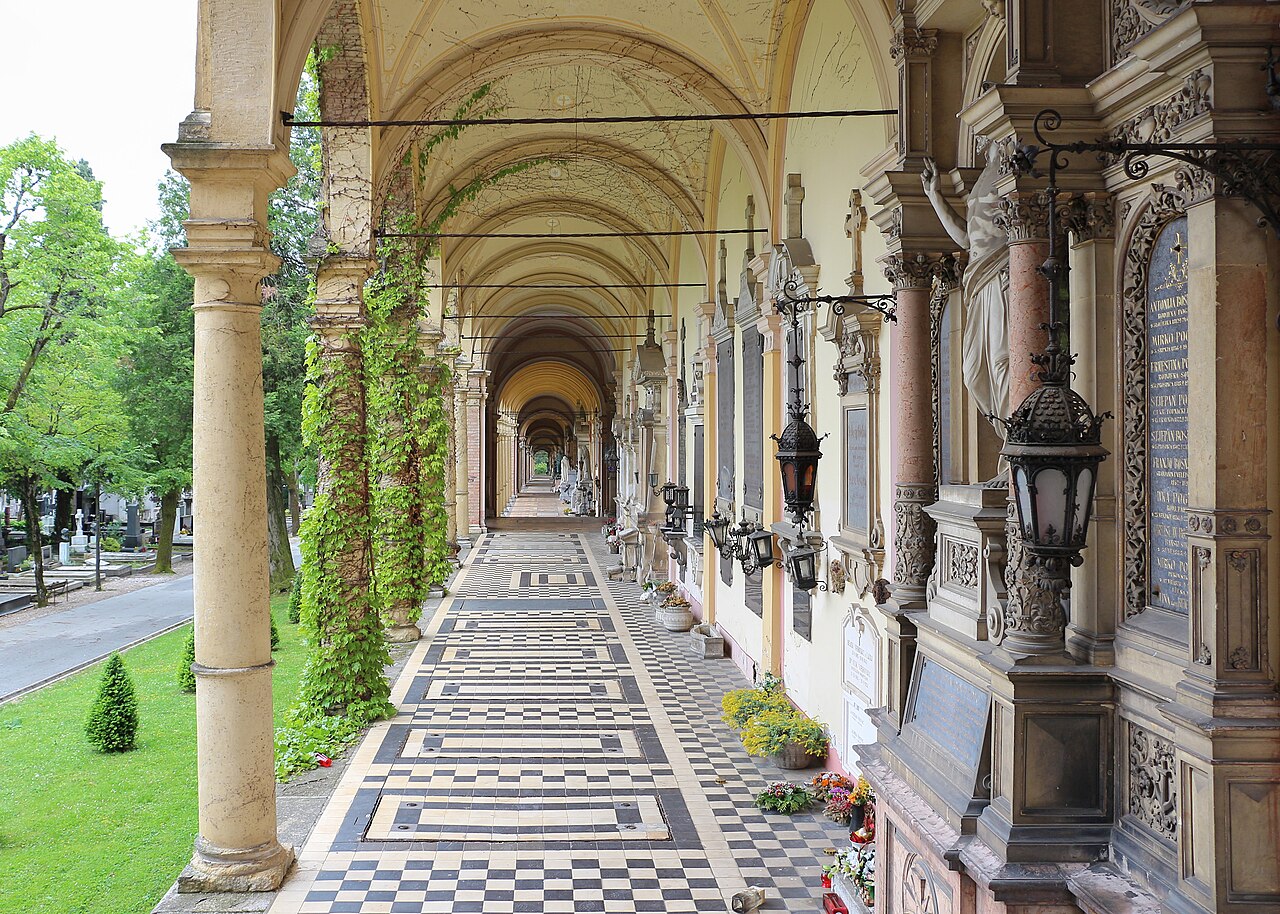
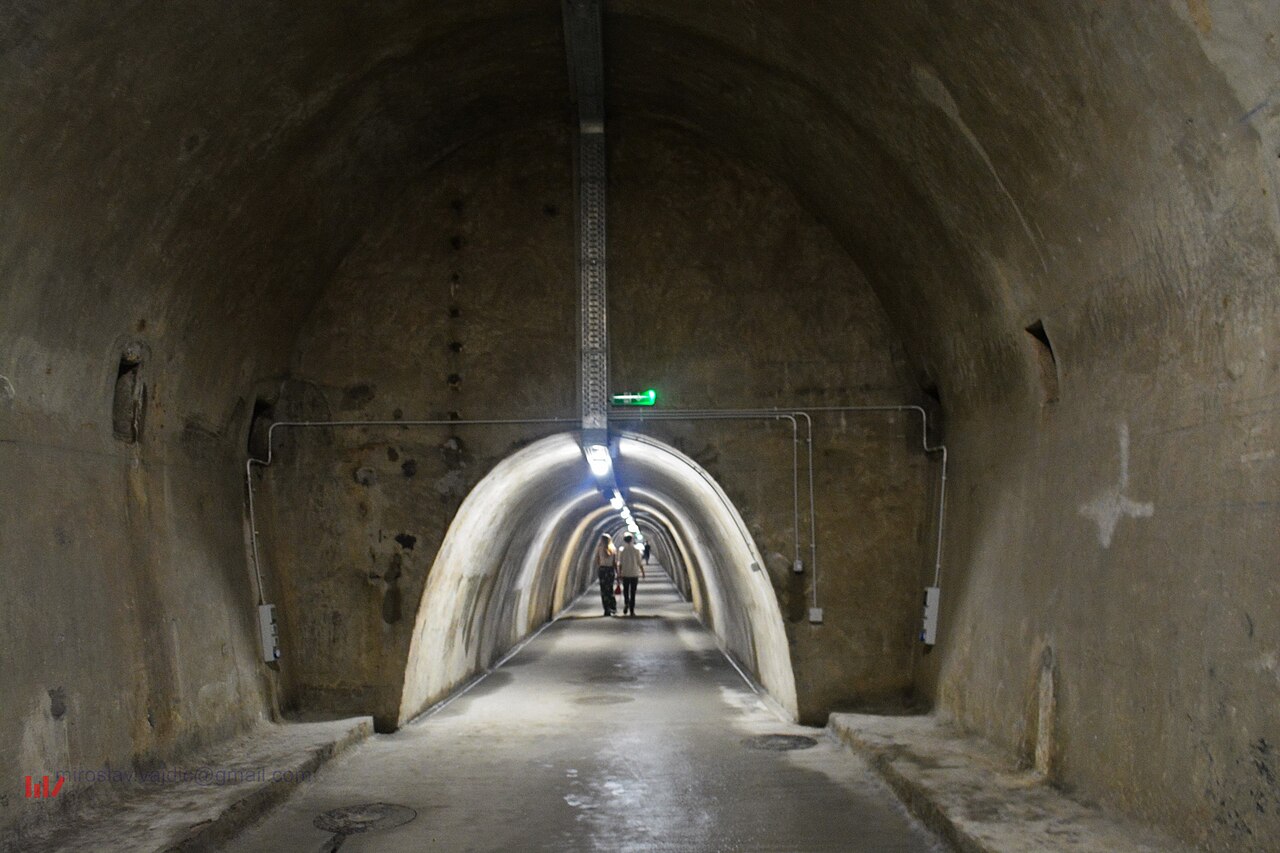
Start with the Upper Town, whose cobbled lanes, St Mark’s Church with its tiled roof and the Lotrščak Tower with its noon cannon cost nothing to enjoy. Zagreb Cathedral on Kaptol is free to enter, so is Mirogoj cemetery, a monumental park of arcades and domes that deserves an hour, and so is Dolac market, where you can wander, look and taste for the price of a snack. The Grič Tunnel under the Upper Town is a free walk through a wartime shelter, and Maksimir Park, with its lakes and woodland, is free for an entire afternoon. Together these make a strong itinerary of two or three days that costs almost nothing in admission.
Low-cost paid sights
Where tickets are needed, the prices are modest. The Museum of Broken Relationships is one of the best-value museums in Europe for the originality of what it shows, with reduced tickets for students and seniors. The Zagreb 360 observation deck on the 16th floor of the tower on the main square gives a view over the whole city for a small fee, and is spectacular at dusk. The Technical Museum Nikola Tesla charges separately for its exhibition and planetarium, and the mine tour and the Tesla demonstration are included with the exhibition ticket. The museum tram runs free on Sundays. The Sljeme cable car is a moderate fare for a mountain outing, and Zagreb residents ride free, so the price is for visitors only.
Getting around cheaply
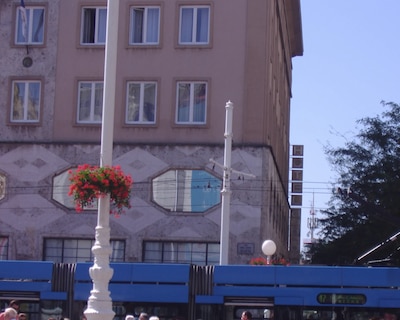
The city centre is compact and walkable, and many sights are within thirty minutes of Ban Jelačić Square on foot. For longer distances, the blue trams are cheap and frequent. Tickets are sold in time-limited versions and as day tickets, and the best-value way to pay is to buy in advance from a newsstand kiosk and validate the ticket in the machine when you board, since tickets bought from the driver cost more and inspectors check frequently. The funicular between the Lower Town and Upper Town costs less than a coffee and is a sight in itself. From the airport, the shuttle bus to the main bus station is cheaper than a taxi, and you can continue by tram.
Eating well for less
Many restaurants serve a set daily lunch menu at a fraction of the evening price, and weekday lunch is the best time to eat a proper meal on a budget. Bakeries sell filled pastries for a few coins, and štrukli, the local cheese pastry, is usually affordable. Dolac market is the place to assemble a picnic of cheese, bread, fruit and local ham for Maksimir or Medvednica. Coffee is cheap by Western European standards, and a single coffee can pay for a table on a terrace for an hour. For drinks, avoid the busiest tourist strip in the evening, where prices are higher, and try cafés a few streets away.
When to come
Hotel rates in Zagreb vary much more by season than by anything else. Advent weekends, from late November to early January, and big congress dates are the most expensive. January and February after the holidays are the cheapest, with warm museums and quiet streets, and early spring and late autumn are good value as well. If your dates are flexible, choose midweek over weekends, and compare rates with and without breakfast, since many hotels charge for it separately.
Where to stay on a budget
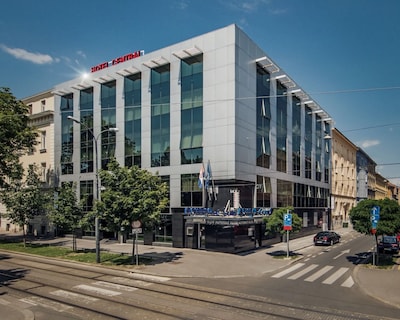
Hotel Central, directly opposite the main railway station, is a dependable three-star with a tram stop on the doorstep, ideal for early trains and early tours. The station area has several other options, and the Lower Town squares are within a short tram ride. Staying near the station also puts you close to the airport shuttle and the meeting points for day tours.
Saving on day trips
Day trips are the biggest single cost for most visitors, so choose carefully. A guided Plitvice tour with park entry included is usually better value than renting a car for one day, once you count fuel, parking and tolls. If you want to save more, travel in the shoulder seasons when park entry is cheaper than in summer and tours are less crowded, or choose a shorter trip, such as Sljeme by cable car or the half-day Samobor trip. Group sizes and inclusions vary, so compare what is included, especially entrance fees and transport.
A sample free day
Morning at Dolac market and the cathedral, a walk up to the Upper Town for the cannon at noon, a free stroll through the Grič Tunnel, and the afternoon in Maksimir Park or at Mirogoj. End with a coffee on a terrace and an evening walk along the Lower Town’s park squares. It is easy to fill a day in Zagreb with almost no tickets, which is a large part of its charm.