Zagreb changes character with the calendar more than most European capitals. It is a continental city with real winters and hot summers, and the mood on its streets shifts from festive to relaxed to quiet. Here is how each season feels, so you can choose the one that suits your trip.
Advent and early winter: the festive peak
From late November to early January, the whole centre becomes Advent in Zagreb, one of Europe’s best-loved Christmas markets. Stalls, lights and music spread across Ban Jelačić Square, the Upper Town’s Plato Gradec and the Strossmayer promenade, and the park squares of the Lenuci Horseshoe, with extra programmes in districts across the city. The city smells of mulled wine and fritule doughnuts, and evenings are crowded, especially at weekends. Weekend evenings are the busiest, and the days around Christmas and New Year are the quietest for sightseeing, as museums close on some holidays. The dates move each year, so check the tourism board’s announcement before you book. Dress for cold, wear shoes with grip and reserve hotels early, since rates peak on Advent weekends.
Deep winter: quiet, cold and cheap
After the holidays, January and February are the calm months. Temperatures can fall below freezing, the days are short and grey, and snow is possible, which makes the Upper Town cobbles look wonderful and slippery. Museums and cafés are warm and uncrowded, the Museum of Broken Relationships and the Technical Museum are at their best, and hotel rates fall to the year’s lowest. Sljeme, the mountain above the city, often holds snow when the city does not, and the cable car and ski slopes are a good winter outing. Plitvice Lakes in winter is stunning when the waterfalls freeze, though sections of the upper trails can close after snow or ice, so a guided tour that adapts the route is the safest way.
Spring: green, mild and underrated
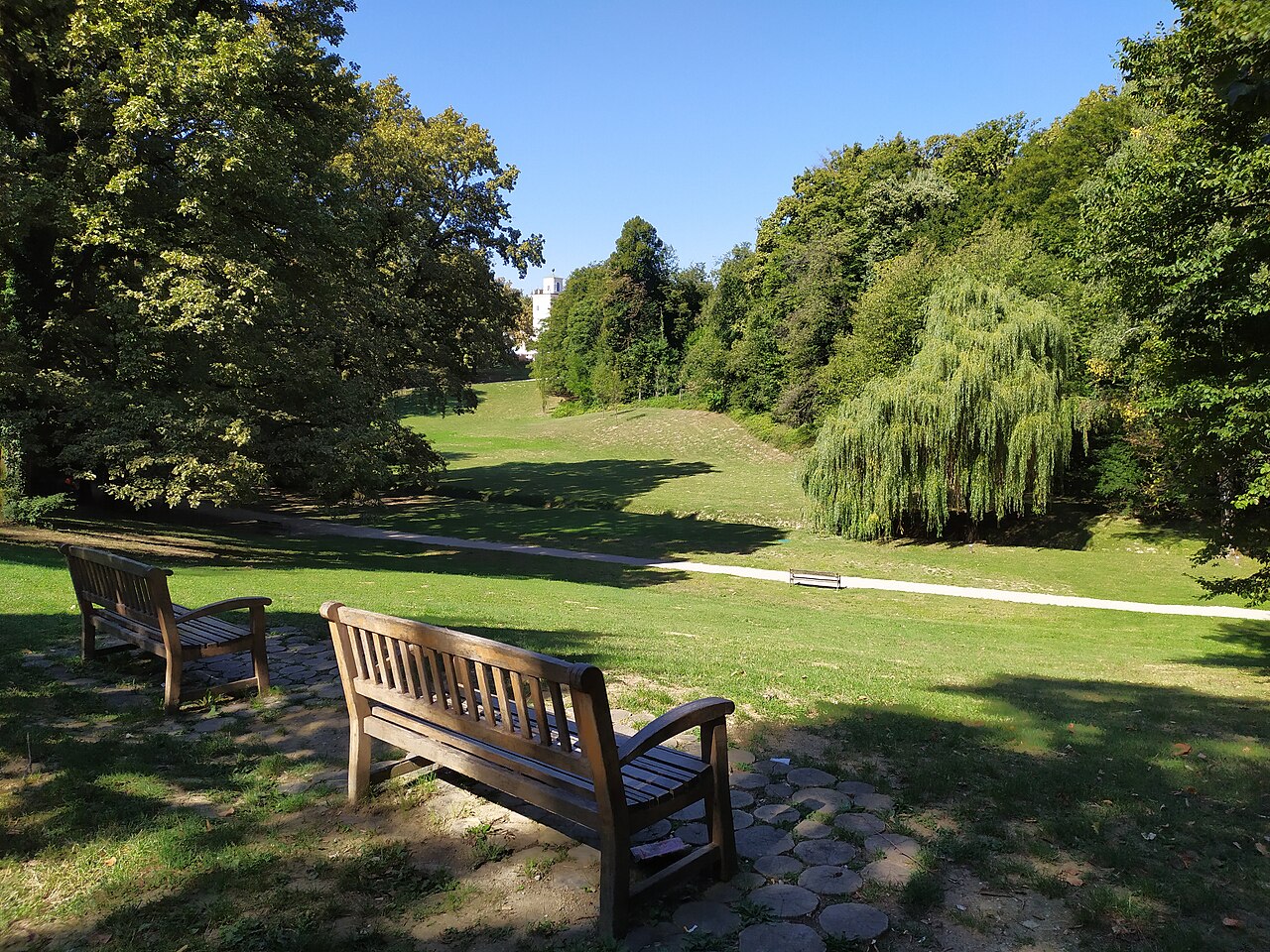
March to May is when Zagreb shakes off the cold. The parks fill with blossom and the café terraces open, and the weather is often pleasant for walking though occasionally wet. Maksimir Park and the Lenuci Horseshoe are at their freshest, Plitvice has full waterfalls from snowmelt and rain, and day trips to Samobor and the wine country start to make sense. Spring is one of the best values for a first visit, with comfortable temperatures, lighter crowds than summer and moderate hotel rates. Bring layers and a light waterproof.
Summer: hot, sociable and half-empty in August
June to August brings long, warm days, sometimes properly hot, and the city’s social life moves outdoors, to terraces, parks and the shady lakes of Maksimir. Many locals leave for the coast, especially in August, which makes the centre quieter than you might expect, although some small restaurants close for holidays. The Sljeme cable car is a good escape from the heat, the Grič Tunnel stays cool, and the Museum of Broken Relationships keeps long evening hours in summer. Plitvice is at its busiest in summer, so book early, start early and expect crowds on the boardwalks. If you can only visit in summer, choose mornings for sightseeing and evenings for the Upper Town.
Autumn: colour, wine and the quiet side of the city
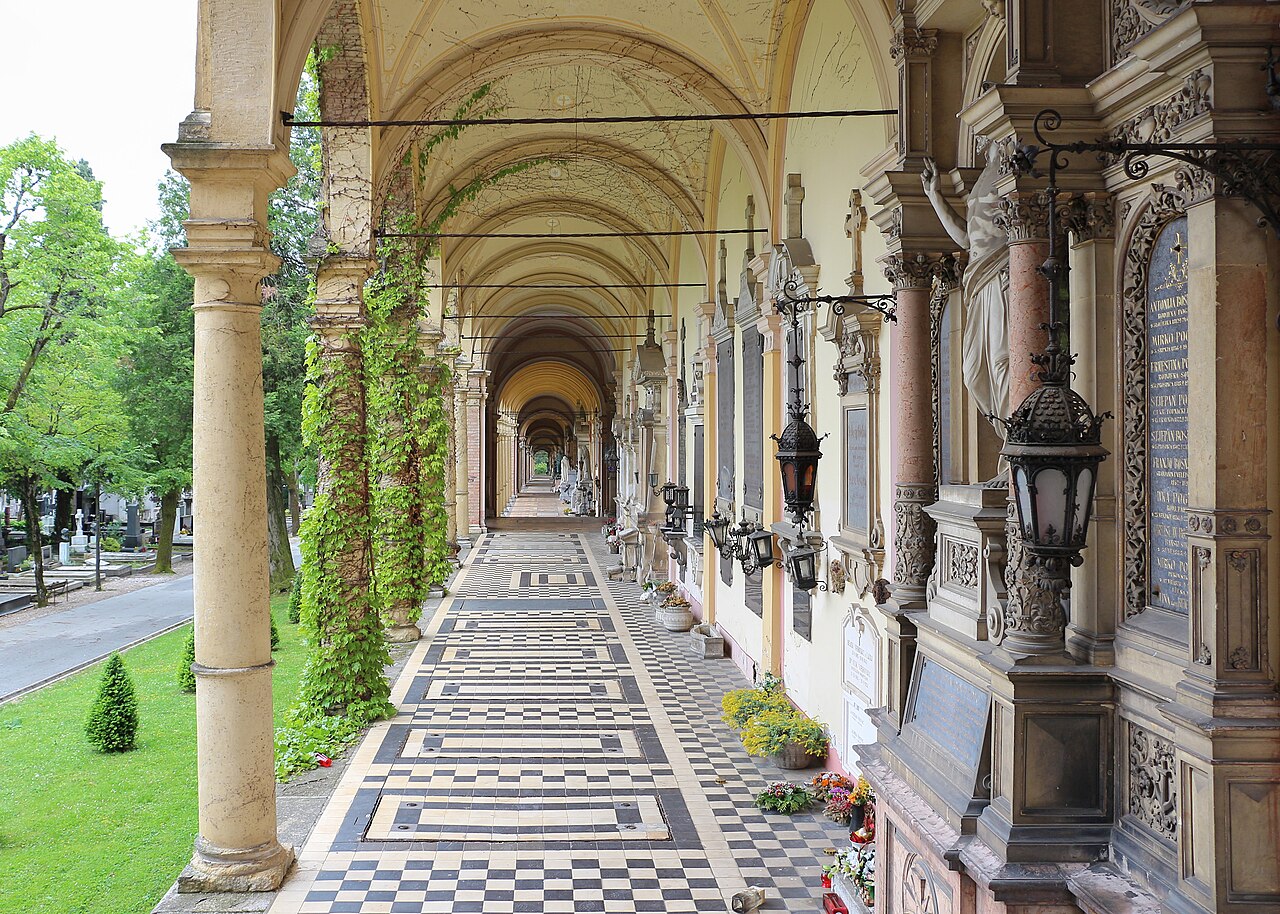
September to November is a favourite season for many visitors. September stays warm and golden, and October brings colour to Maksimir and the hills of Medvednica, along with the grape harvest in the wine country. On 1 November, All Saints’ Day, families visit graves with candles, and Mirogoj cemetery glows in the evening, one of the most atmospheric sights of the year. Some attractions close on that day, so plan around it. Rain becomes more frequent as autumn goes on, and the days shorten fast, so allow indoor alternatives. Plitvice in October is superb, with fewer visitors and autumn colour on the trees.
Which season for which trip
For atmosphere and festive crowds, choose Advent. For the lowest prices and a quiet city, choose January or February. For walking, parks and day trips, choose April, May or September. For long evenings and terraces, choose June or early July. If your main goal is Plitvice, choose spring or autumn for the best balance of water, weather and visitors, and consider winter if you want something dramatic and are willing to dress for it.
Practical notes by season
In every season, the funicular and the noon cannon at the Lotrščak Tower keep their daily routines, trams run reliably and the city is easy to walk. Winter requires proper shoes, summer needs sun protection and water, and spring and autumn call for layers. Hotels in the Lower Town and on the main square fill quickly in Advent and during congresses in spring and autumn, so book early for those periods, and compare rates with breakfast, since many hotels charge for it separately.