Seasonal trips
Ski resorts
Powder days, big mountains and good après. The best ski towns in North America, the Alps, Japan and the southern hemisphere, with lift tickets, lessons and places to stay.
Northern resorts usually open between late November and mid-December and close in April. In the southern hemisphere the season runs roughly from June to October.
United States
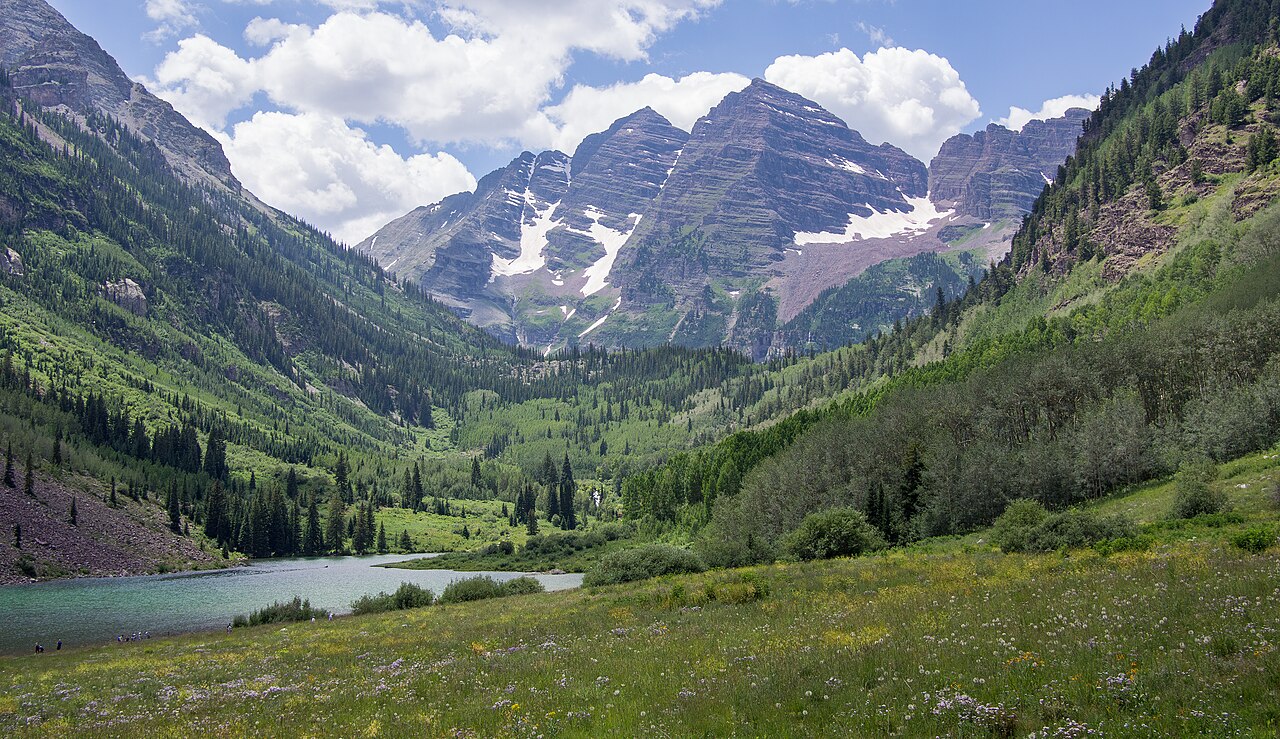
United StatesAspen & Glenwood Springs
Four mountains and a lively, glamorous town.
 Ski deal
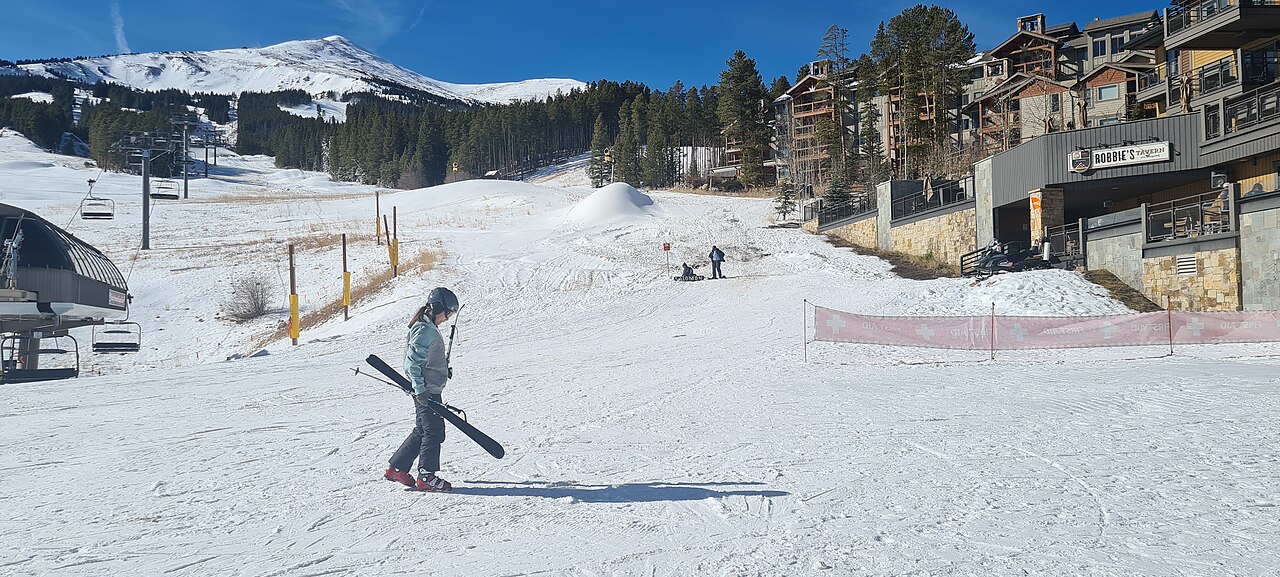
Breckenridge & Vail
A Victorian mining town at the foot of a big, high mountain.
 Ski deal
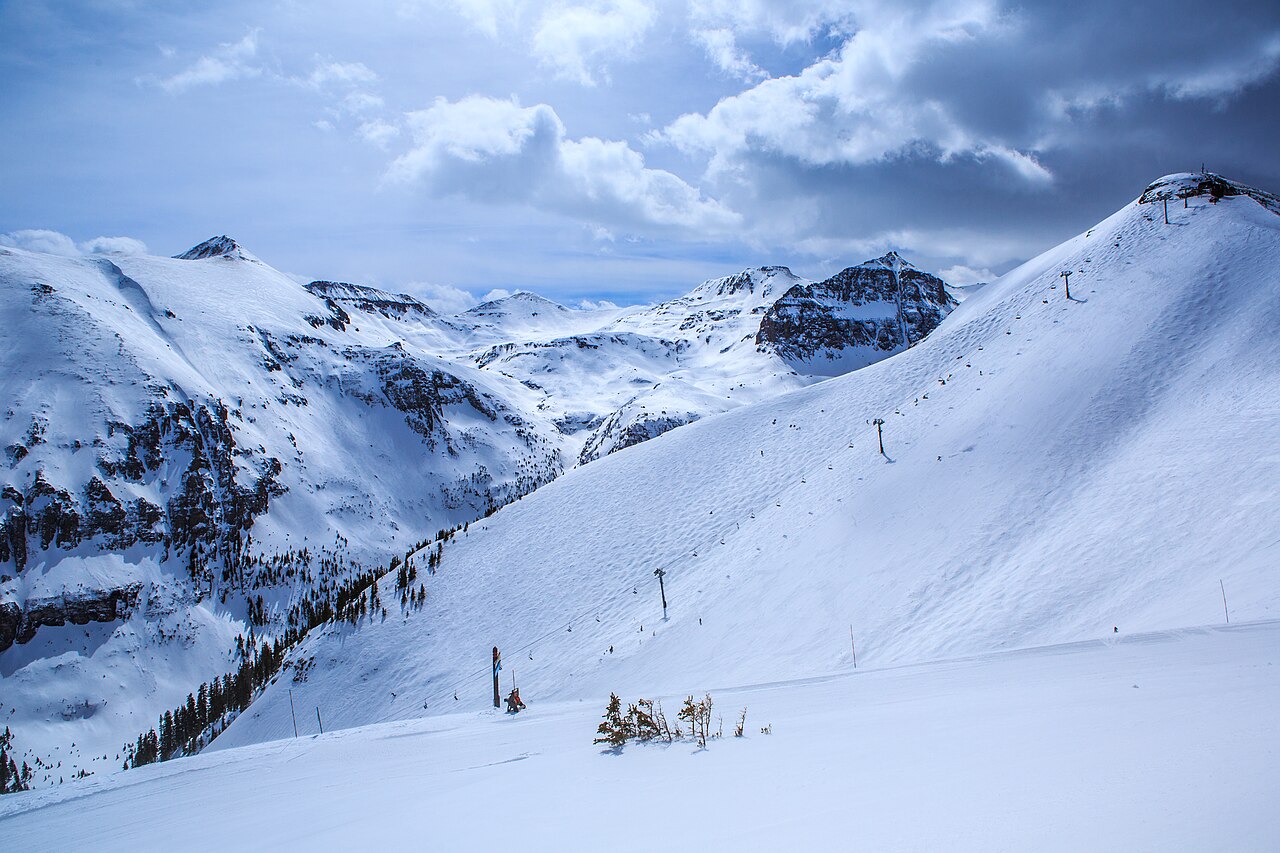
Telluride & Ouray
Steep terrain and a box canyon town reached by free gondola.
 Ski deal
Park City & the Wasatch Back
Two huge resorts less than an hour from Salt Lake City airport.
 Ski deal
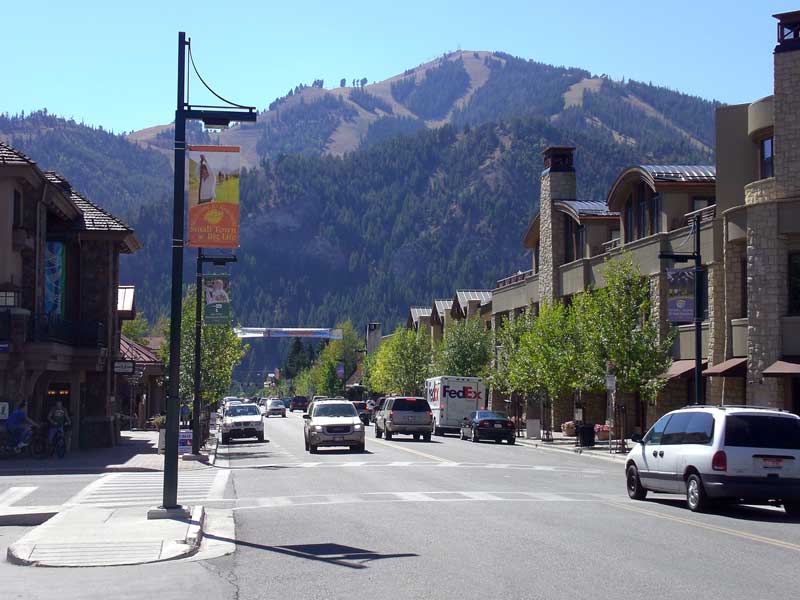
Sun Valley & Ketchum
America’s first destination ski resort, still classic.
 Ski deal
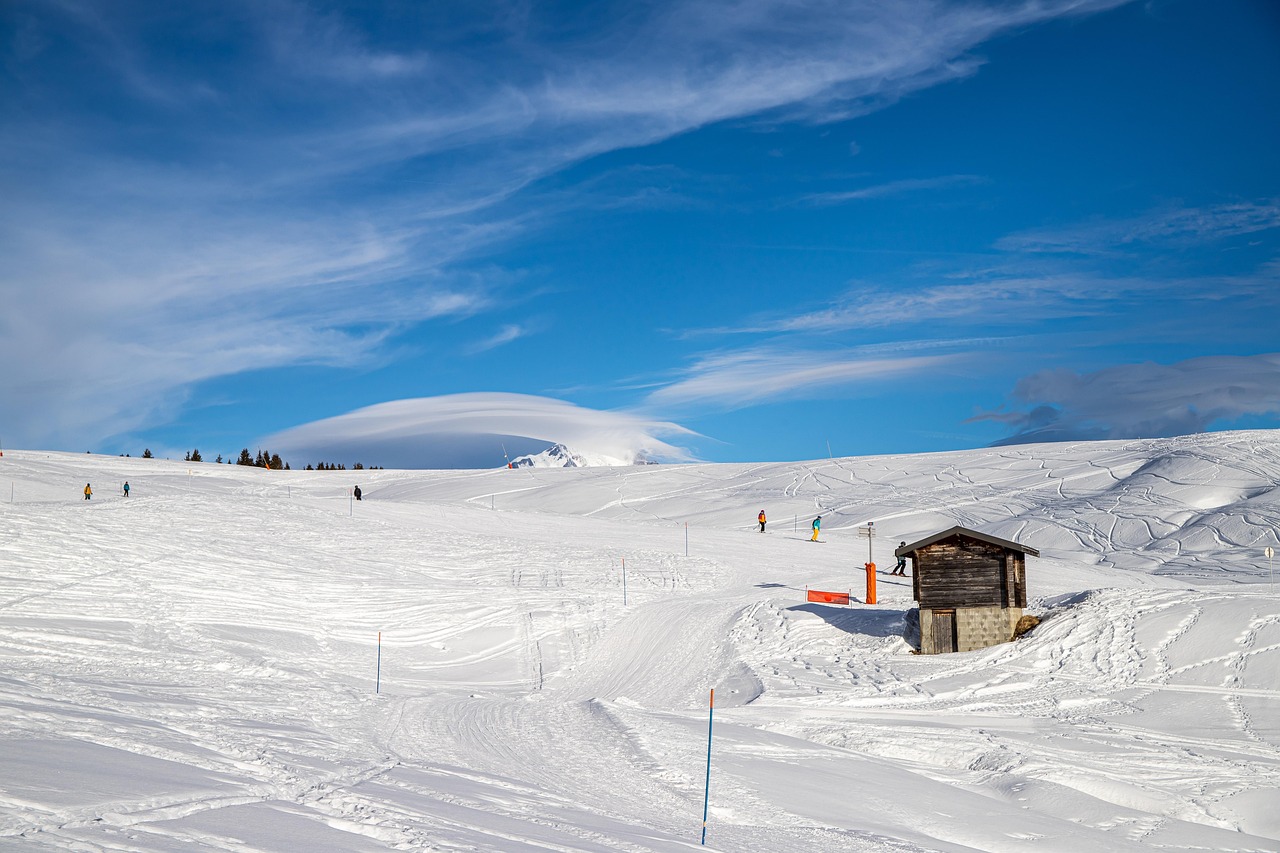
Lake Tahoe
Palisades, Heavenly and lake views from the slopes.
 Ski deal
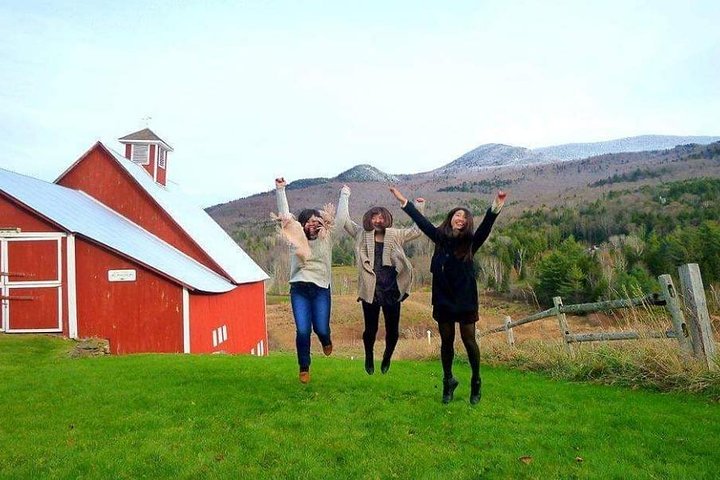
Stowe
New England’s classic ski village under Mount Mansfield.
 Ski deal
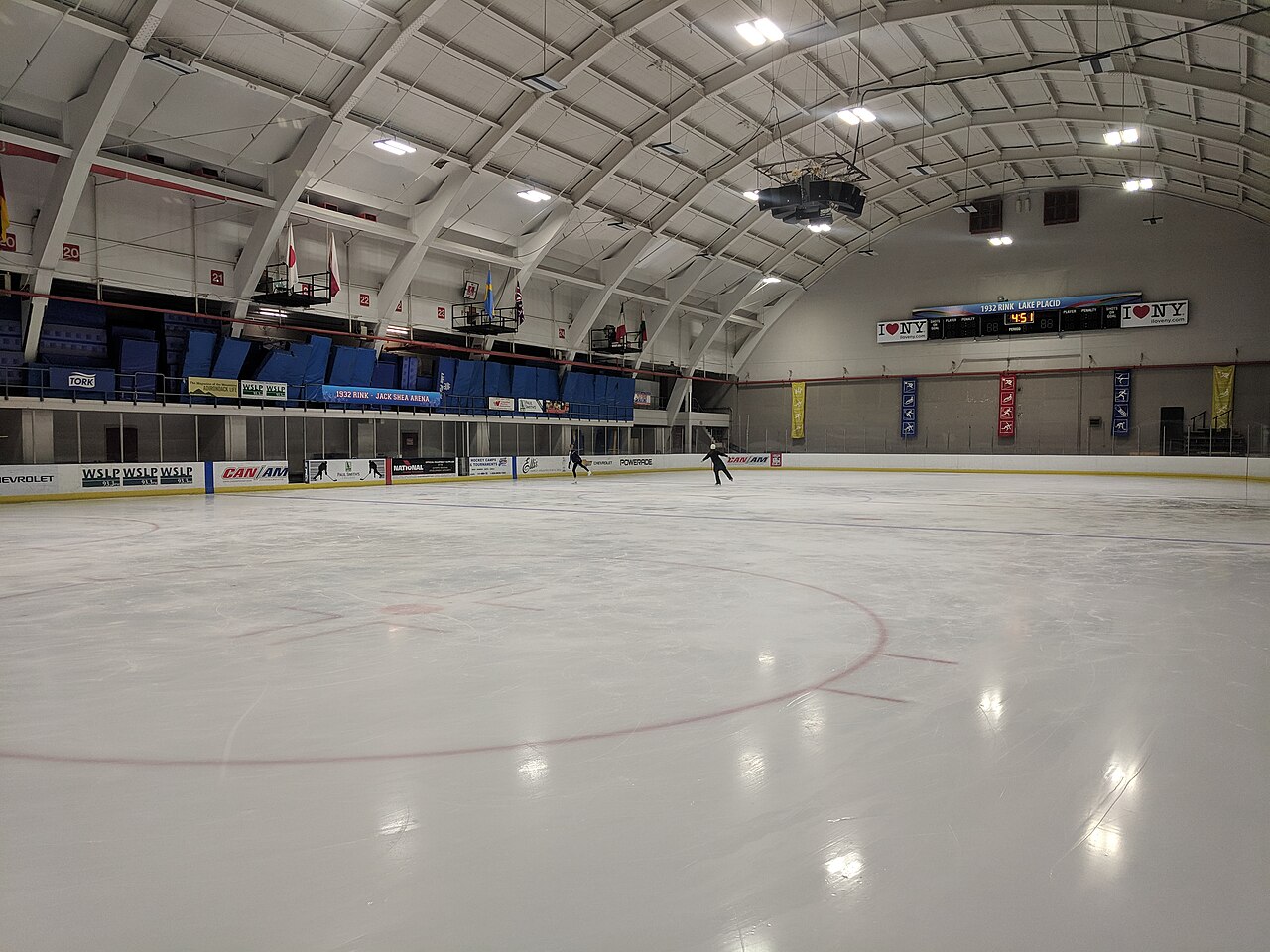
Lake Placid & the Adirondacks
Whiteface and a two-time Winter Olympic village.
Canada
The Alps & Scandinavia
 Ski deal
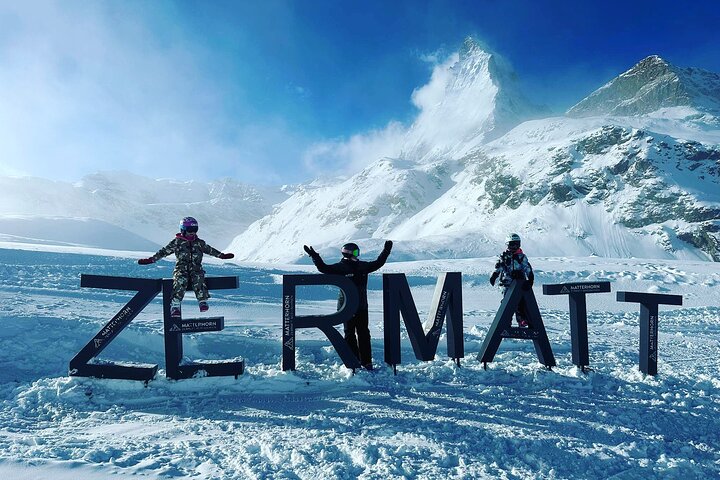
Zermatt & the Matterhorn
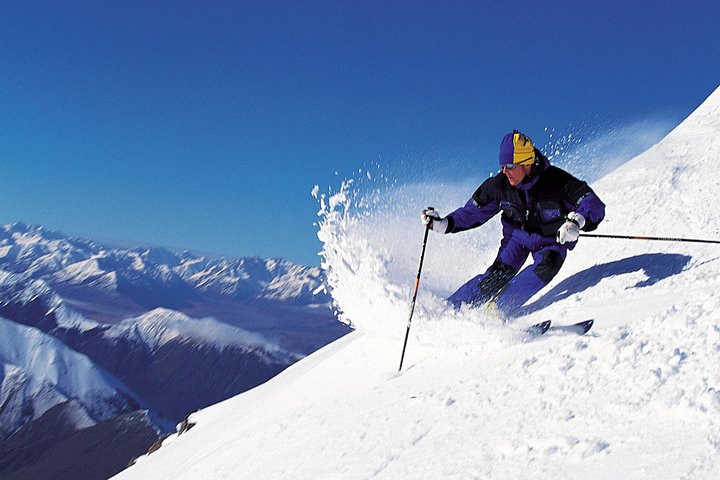
Car-free village, the Matterhorn and skiing into Italy.
 Ski deal
Chamonix
Mont Blanc, the Vallée Blanche and serious off-piste.
 Ski deal
Innsbruck
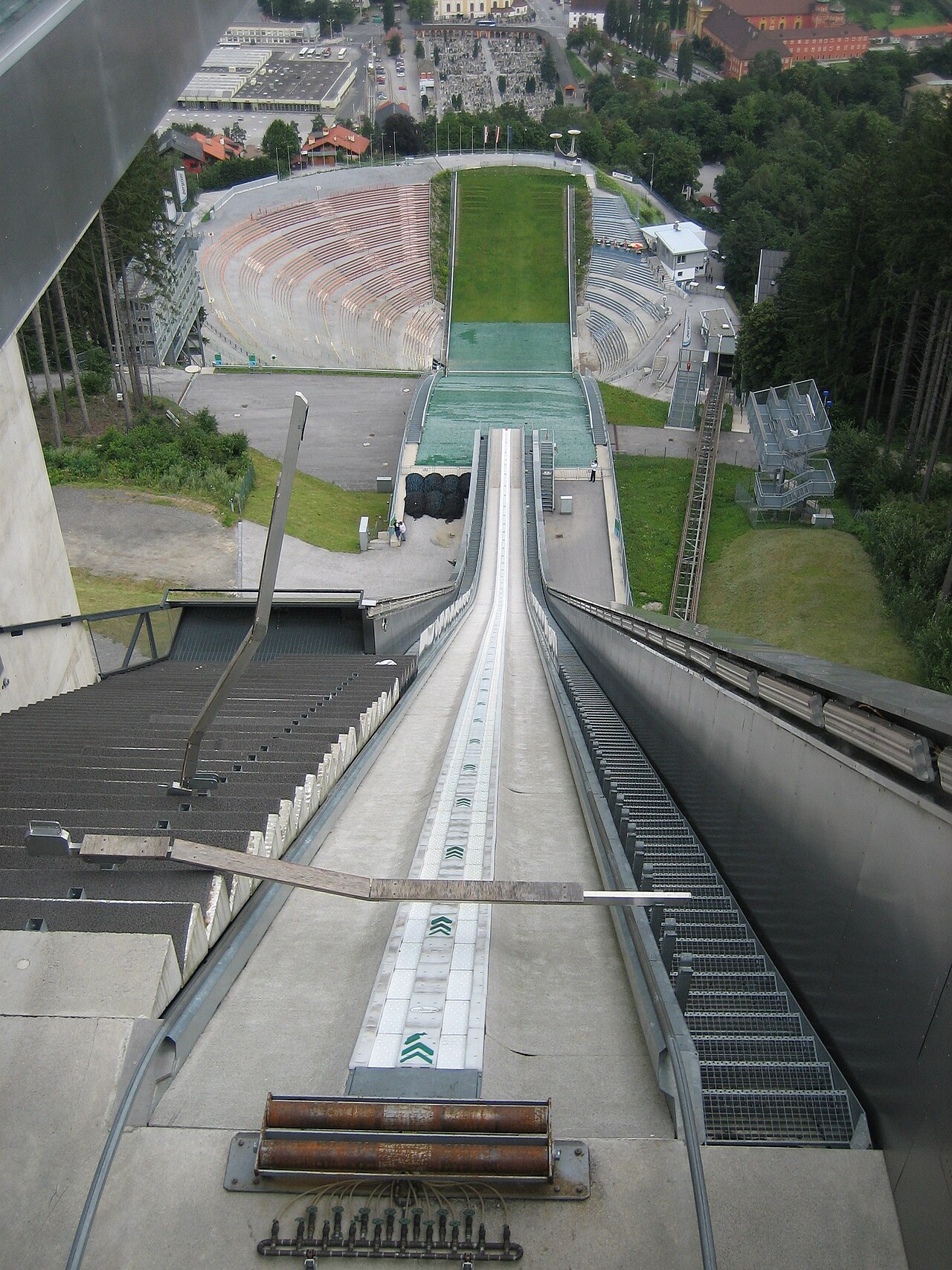
A city with several ski areas a tram or bus ride away.
 Switzerland
Interlaken & the Jungfrau Region
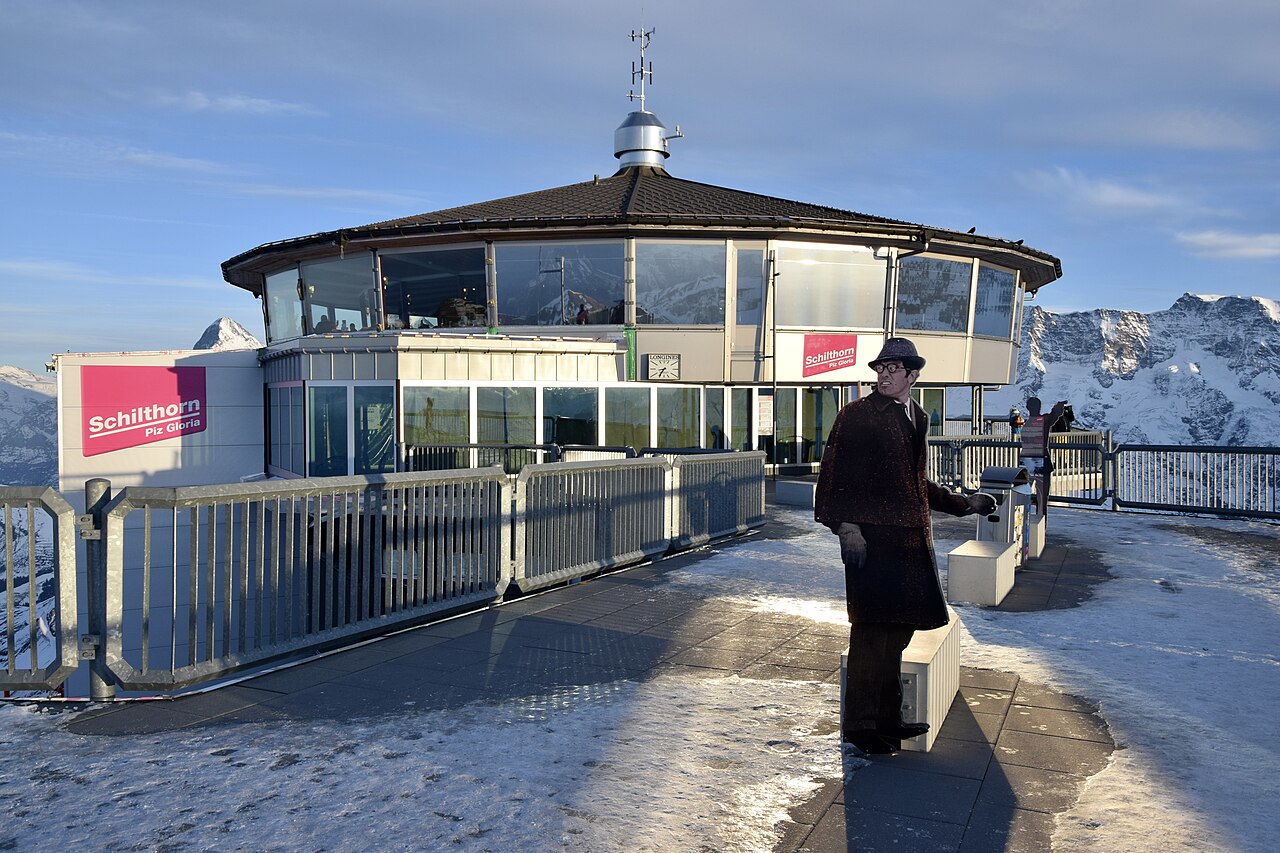
The Jungfrau region: Wengen, Mürren and Grindelwald.
 Ski deal
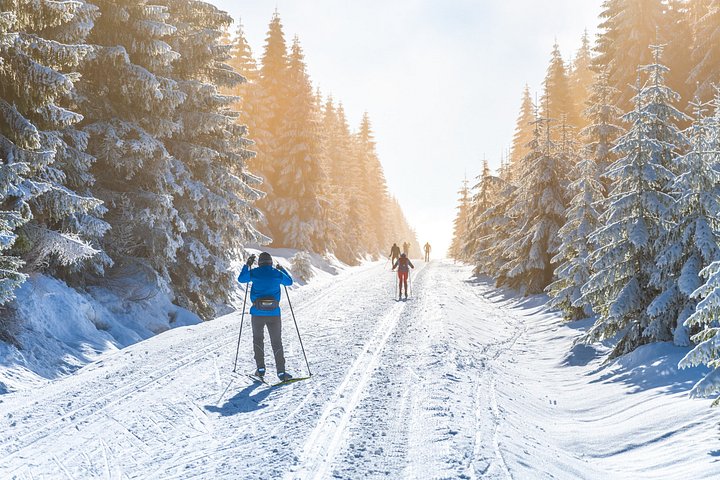
The Dolomites
The Sella Ronda circuit and Italian mountain food.
 Ski deal
Levi & Finnish Lapland
Lapland skiing with husky rides and northern lights.
Japan & the southern hemisphere
 Ski deal
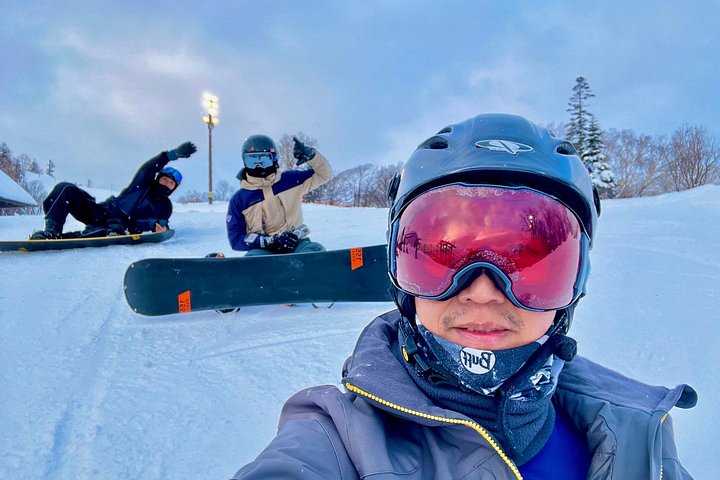
Sapporo & Hokkaido
Base for Hokkaido’s famous powder at Niseko and Rusutsu.
 Ski deal
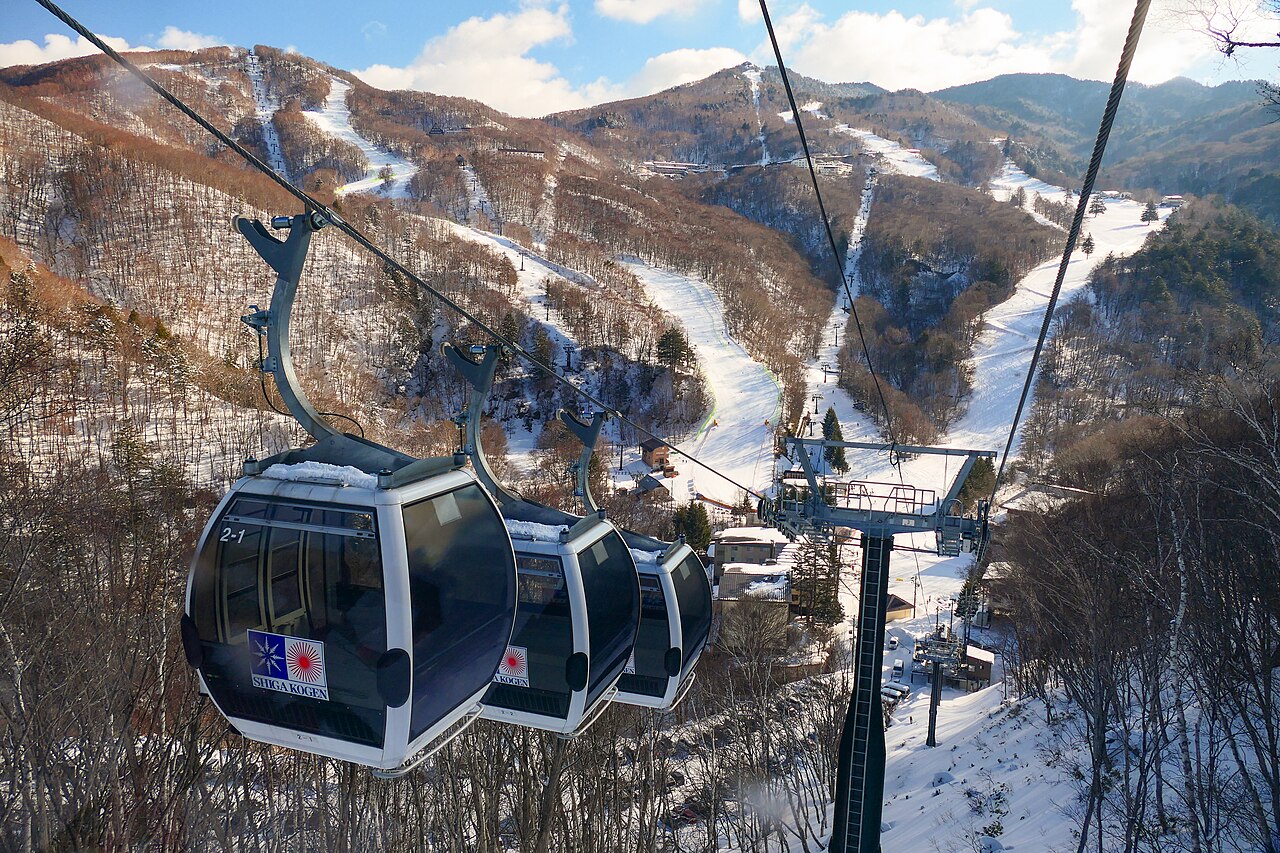
Nagano
Hakuba and Nozawa Onsen, with snow monkeys nearby.
 New Zealand
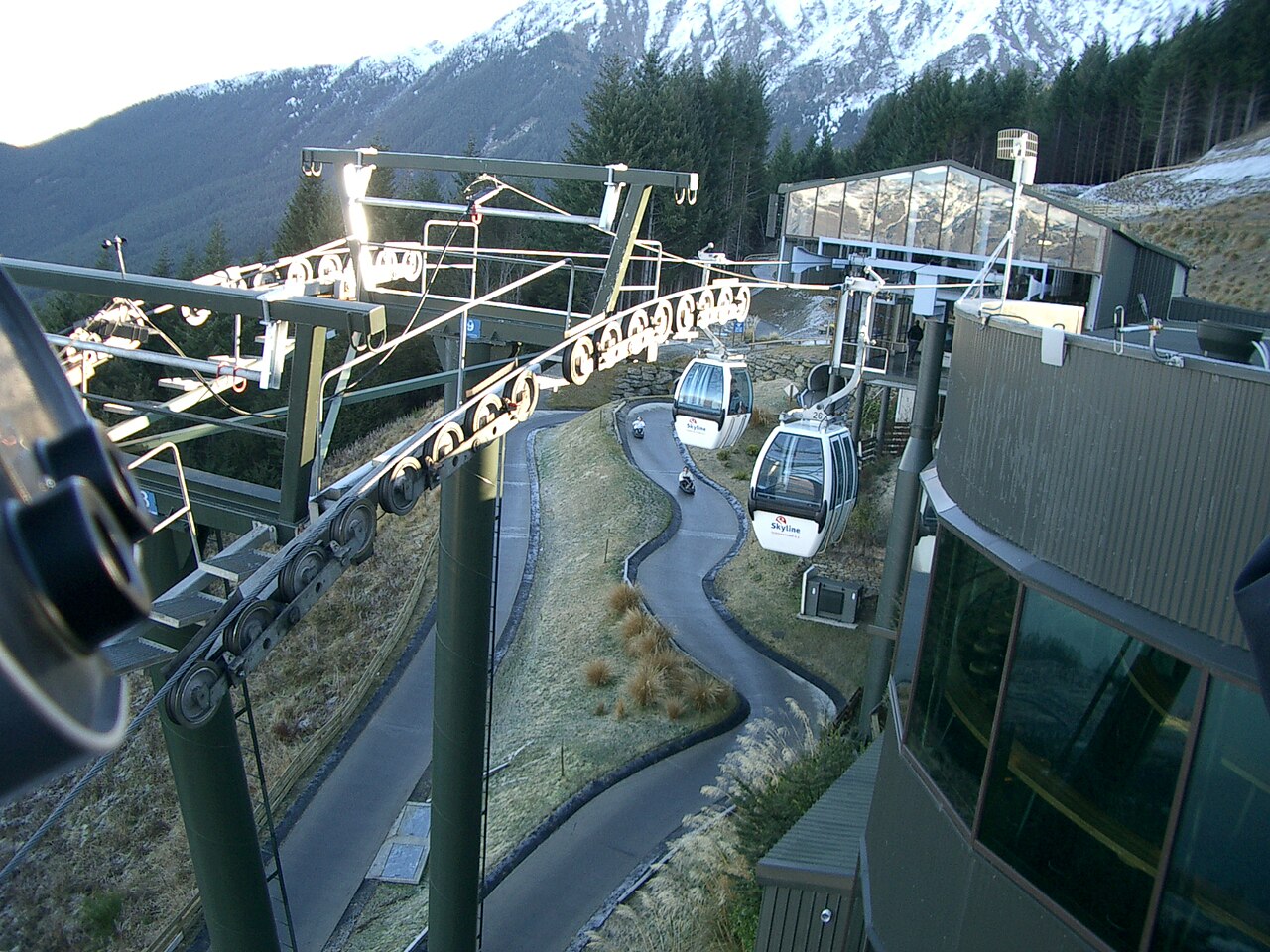
Queenstown
The Remarkables and Coronet Peak above the lake.
 New Zealand
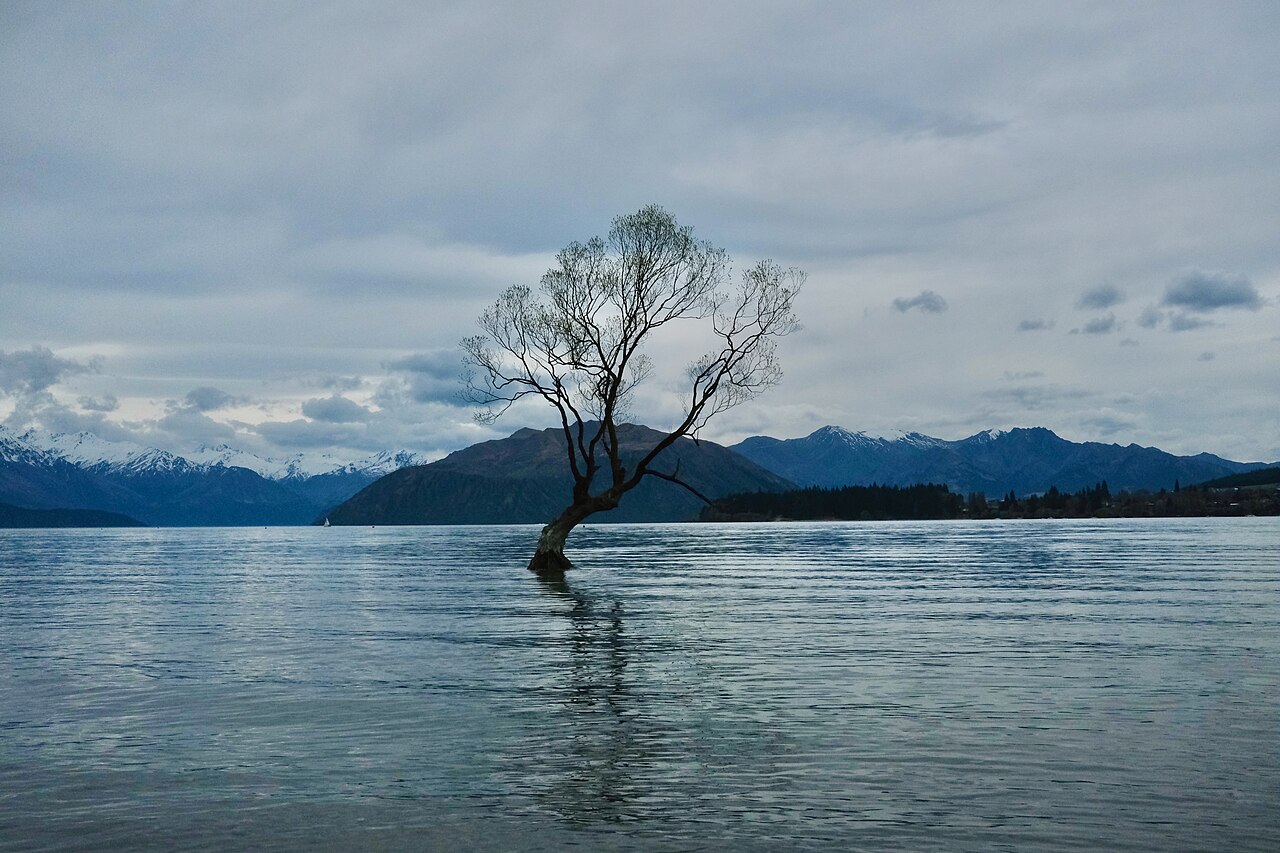
Wānaka
Cardrona and Treble Cone in quieter mountain country.
 Argentina
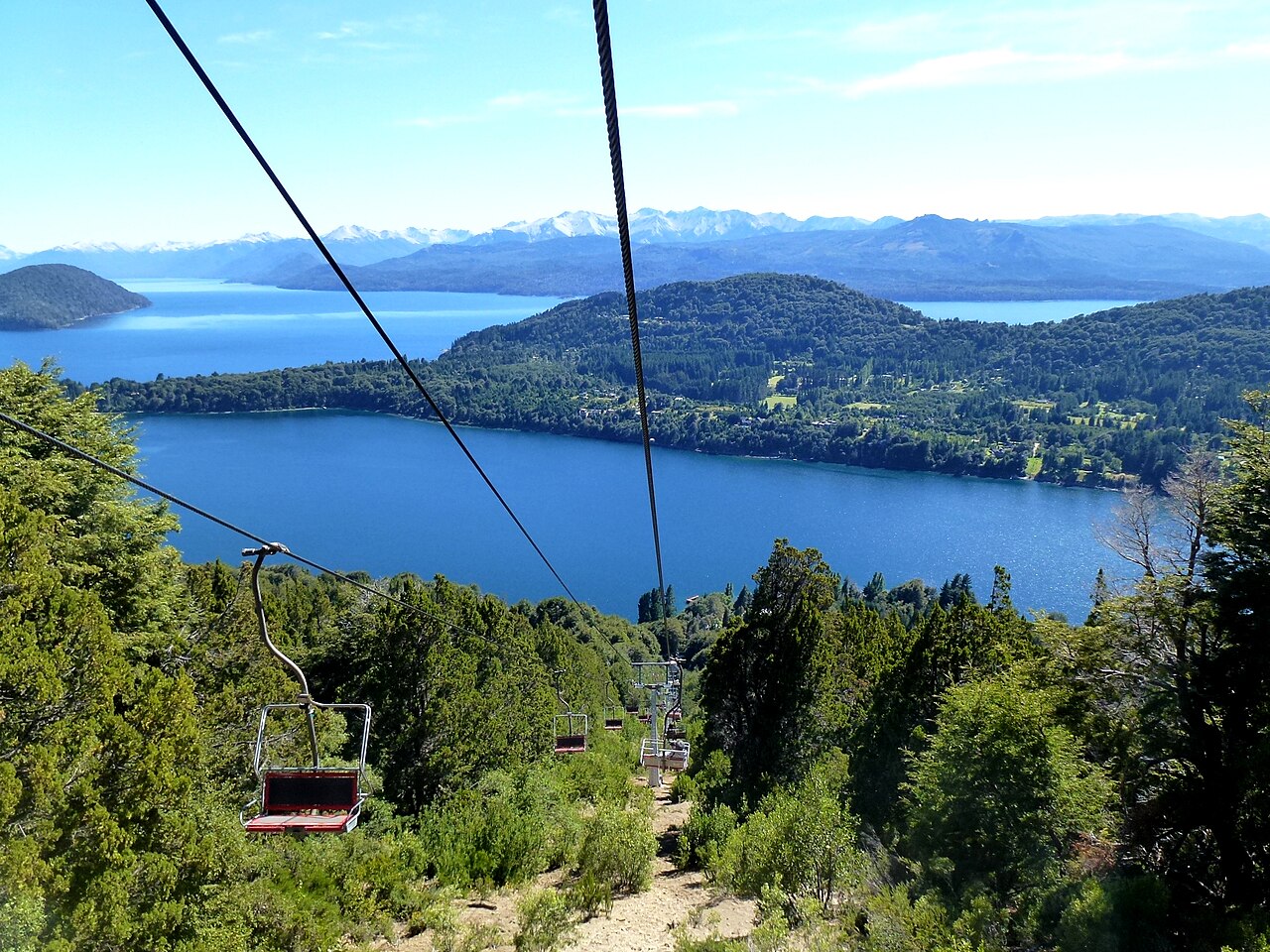
Bariloche
Cerro Catedral, South America’s biggest ski area.
 Ski deal
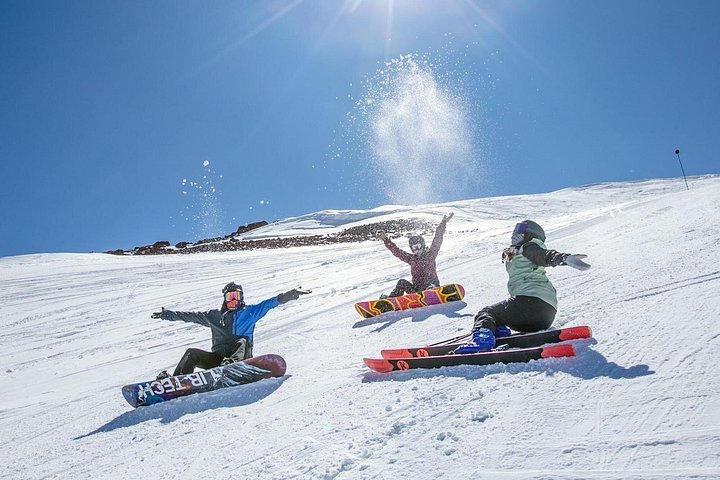
Santiago
Valle Nevado and the Andes, a day trip from the city.
Planning tips
Choosing a resort starts with what kind of skier you are. Beginners and families should look at places with gentle, well-groomed terrain and strong ski schools, such as Park City, Breckenridge, Mont Tremblant and Stowe. Confident intermediates will love the size of Whistler, Aspen, the Sella Ronda circuit in the Dolomites and the Jungfrau region near Interlaken. Experts looking for steeper terrain should consider Telluride, Chamonix and, for deep snow, Hokkaido.
Think about the experience around the skiing, too. Zermatt and Mont Tremblant are car-free villages with a lot of charm. Aspen and Sun Valley bring glamour and good restaurants. Innsbruck and Sapporo are real cities, which makes them good if you want museums and nightlife between ski days. Levi in Lapland is a different idea altogether, with huskies, reindeer and a chance of northern lights.
The best time depends on altitude and hemisphere. North American and European resorts are generally at their best between January and March, when snow is most reliable. Early December and late April can be excellent in high resorts, but conditions vary. Japan's famous powder usually peaks in January and February. In the southern hemisphere, Queenstown, Wanaka, Bariloche and Santiago's resorts run from around June to September.
Plan for at least five days so you can get beyond the first-day aches and learn the mountain. Book lift tickets, lessons and equipment ahead for school holidays and peak weeks, when queues and prices rise. Flying into a major airport and taking a transfer is usually easier than driving in winter, although a car helps in the Rockies and in Japan. Common mistakes include booking the wrong week, picking a resort too difficult for the group, and forgetting altitude, which can make the first night uncomfortable. Mid-week skiing is quieter. Wear layers, carry sunscreen and goggles, and consider insurance that covers winter sports.
Questions
When is the best time to go skiing?+
For most northern hemisphere resorts, January to March is the most reliable period for snow and open terrain. December can be lovely but depends on snowfall, and April suits high-altitude resorts and sunny spring skiing. Japan is usually best in January and February. The southern hemisphere season runs roughly June to September.
How many days do you need for a ski trip?+
Five to seven days is ideal for most people, long enough to build confidence and explore the mountain without exhaustion. A long weekend works if you are close to the slopes, such as in Innsbruck, Park City or Banff. Beginners benefit from at least three days of lessons so that the basics become habit.
Which is better for skiing, the Alps or the Rockies?+
They are different rather than better or worse. The Alps offer long runs, mountain huts, charming villages and the chance to ski between countries. The Rockies tend to have lighter, drier snow, bigger lift systems and easier logistics from airports. If you want atmosphere and food on the mountain, try the Alps; for reliable powder, try the Rockies.
Do I need to book ski lessons and equipment in advance?+
Yes, in busy weeks. Ski schools, rental shops and children's programmes fill up during school holidays, and booking ahead usually gets you the best choice and times. Beginners especially should arrange lessons before they arrive. Lift tickets are often cheaper when bought in advance online, and some resorts offer multi-day passes.