Bolivia's seasons are simpler than its geography. Most of the year falls into two parts: a dry season from roughly May to October and a wet season from roughly November to March, with April a short transition. Altitude matters just as much as season, because the same month can bring snow on the altiplano and steamy heat in the Yungas valleys. The best time to go depends on what you want to see, how much cold you can tolerate and whether you would rather have empty trails or guaranteed sunshine.
The dry season, May to October
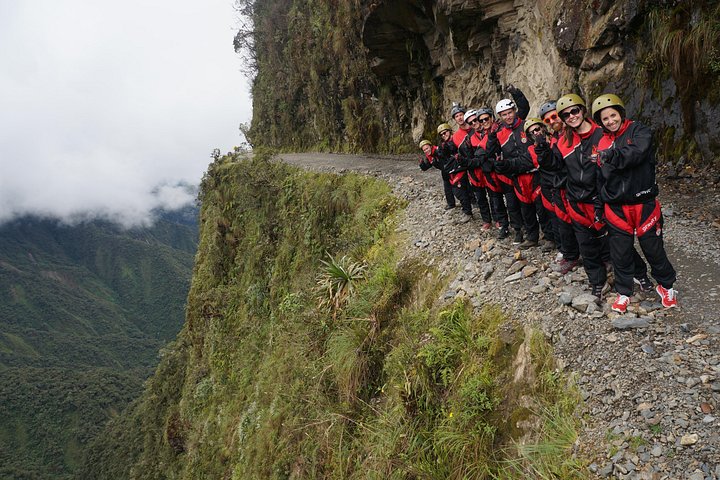
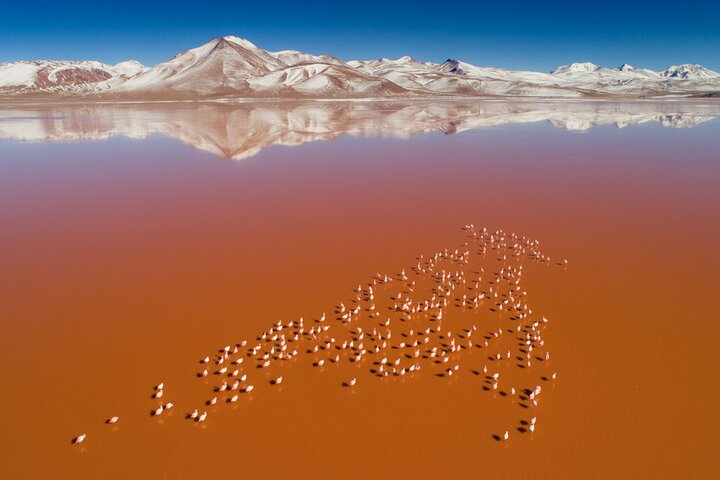
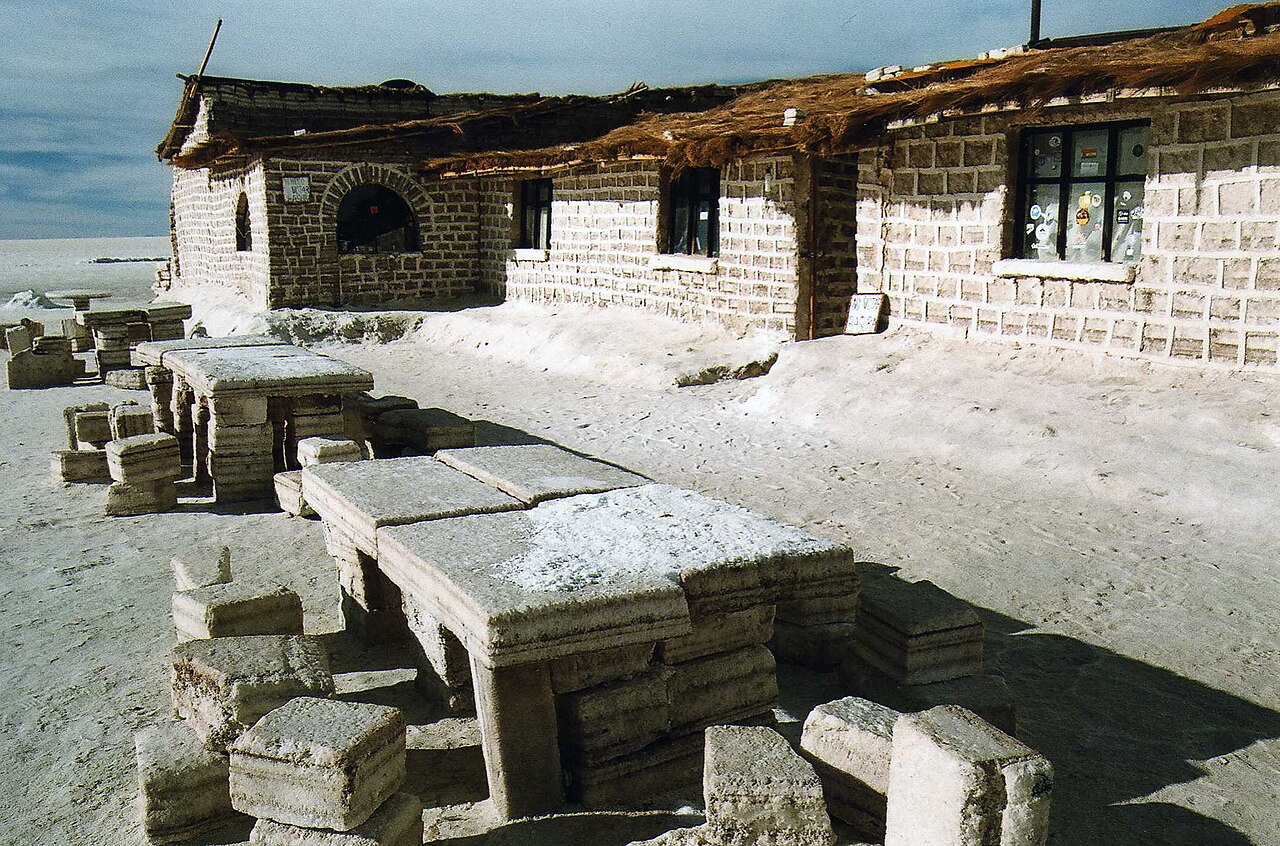
This is the high season for most travelers, and for good reason. Days are sunny and clear, skies are a deep blue and roads are in their best condition. It is the best period for hiking, climbing and mountain views, for the Death Road ride, for Chacaltaya and Huayna Potosí, and for the longer jeep route through the southwestern lagoons. On the Salar de Uyuni the crust is dry and firm, which allows access to Isla Incahuasi and shows off the hexagonal patterns in the salt. The trade-off is cold, especially at night: in La Paz it feels chilly after dark, and in Uyuni and the lagoons overnight temperatures fall well below freezing. June to August is the coldest stretch. It is also the busiest time, so book tours and hotels early.
The wet season, November to March
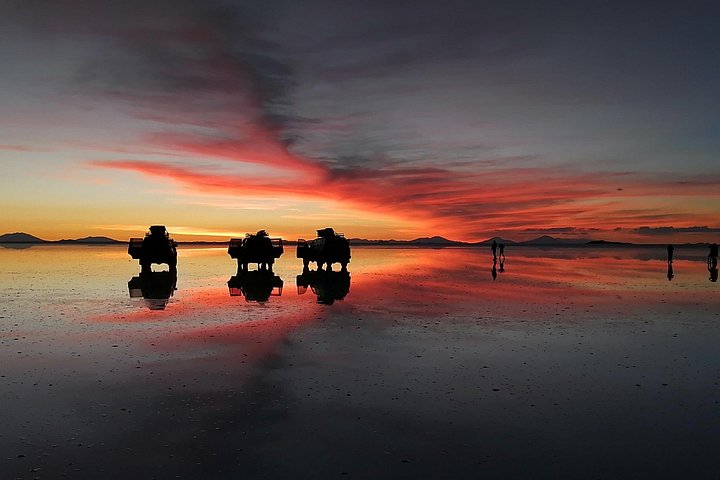
Rain falls mostly in the afternoons and evenings in La Paz, and mornings are often clear. The landscape turns green, crowds thin and prices can be lower. The main attraction is the Salar de Uyuni between about December and March, when a thin film of water on the flat creates the famous mirror effect, with the sky perfectly reflected in the salt. Sunset on a mirror day is one of the great sights in South America. The compromise is that some parts of the flat become inaccessible, Isla Incahuasi may be harder to reach, and tours change route depending on water levels. Heavy rain can cause landslides on mountain roads, including the road to the Yungas, so allow flexibility.
The shoulder months
April and the months between seasons offer a mix. Mud and rain are fading, the landscape is still green, and visitors are fewer. The salt flat is often in between, with some water in places and firm ground in others, so ask operators about current conditions when you book. These can be good times for travelers who prefer smaller crowds and are happy to be flexible.
Festivals worth planning around
Several celebrations can shape a trip. Carnival, in February or early March, is celebrated across the country, most famously in Oruro, and brings music, dance and water play. In La Paz, the Alasitas fair in late January sells miniature objects that people buy in the hope of receiving the real thing. Gran Poder, a huge folkloric parade, usually takes place in late May or June. Many hotels fill and prices rise during these events, so book far ahead, and expect some services to close on the main days. Dates change from year to year, so check before you plan. If you want a festival without the biggest crowds, ask your hotel about smaller local celebrations in the neighborhood, which often have music, food and dancing but far fewer visitors than the main parades.
Matching the season to the activity
For mirror photography on the salt flat, choose December to March. For cycling the Death Road, hiking and climbing, choose May to October. For Lake Titicaca and Tiwanaku, the dry season brings clearer skies, though both can be visited all year. For the lagoons route, the dry months are the most reliable, with the caveat of very cold nights. For a quieter trip with fewer tourists and lower prices, consider the shoulder months.
Practical advice
Whatever the season, pack layers, sun protection and a warm hat, because the sun at altitude is intense even when it is cold. Allow a spare day in your schedule, because strikes, blockades and weather can disrupt roads and flights at any time of year. Check the current travel advice from your own government before booking, and consider flexible bookings for tours in the wet season, when conditions change quickly. Acclimatize in La Paz before heading to higher places, and treat altitude with respect whatever the month.