La Paz is a city that rewards a slow start. At roughly 3,600 meters it is among the highest capital cities in the world, and its steep streets, thin air and constant motion take a day or two to get used to. Three days is enough to see the headline sights if you plan them in the right order, with easy outings first and big excursions later. This itinerary follows that logic.
Day one: arrive gently and ride the cable cars
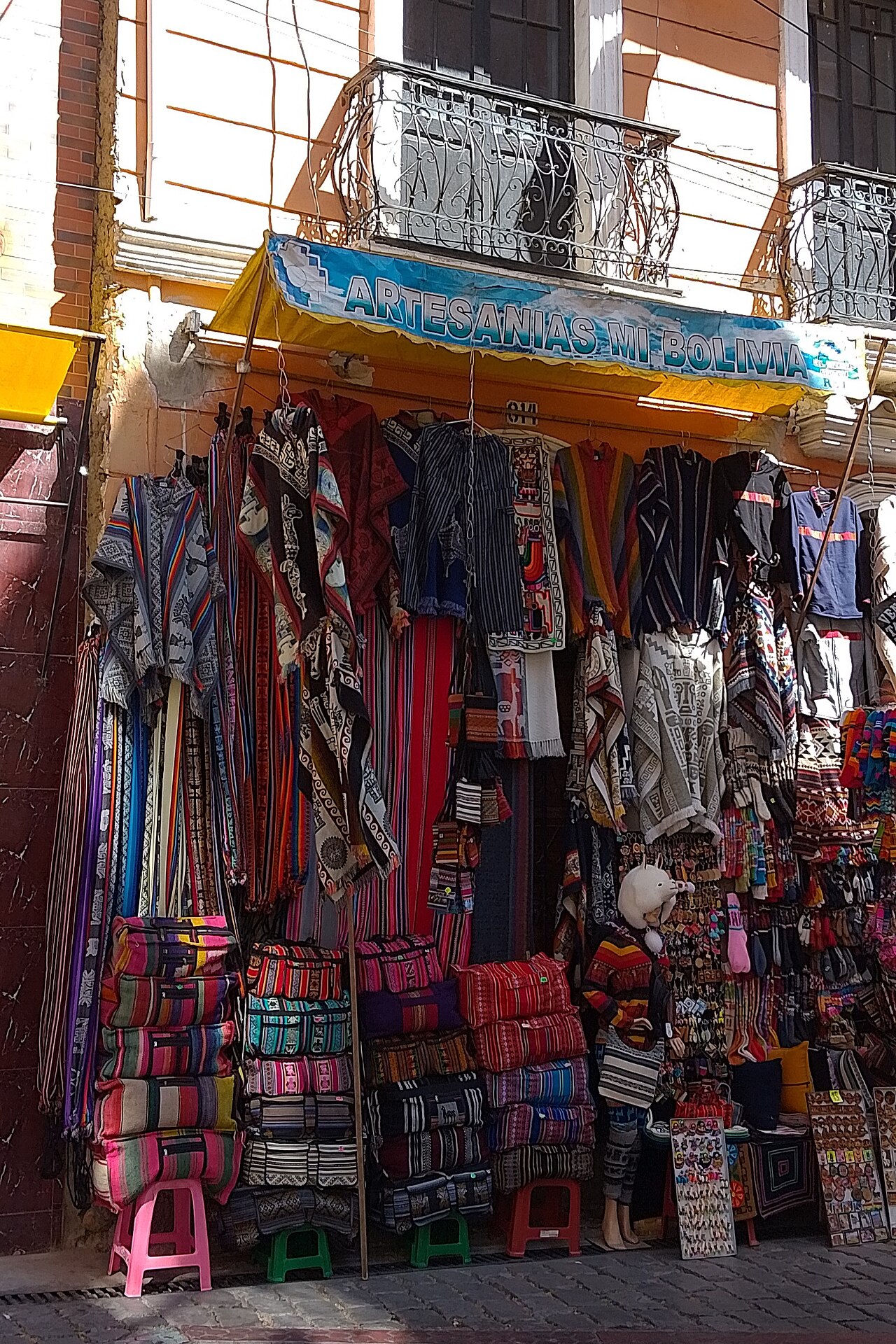
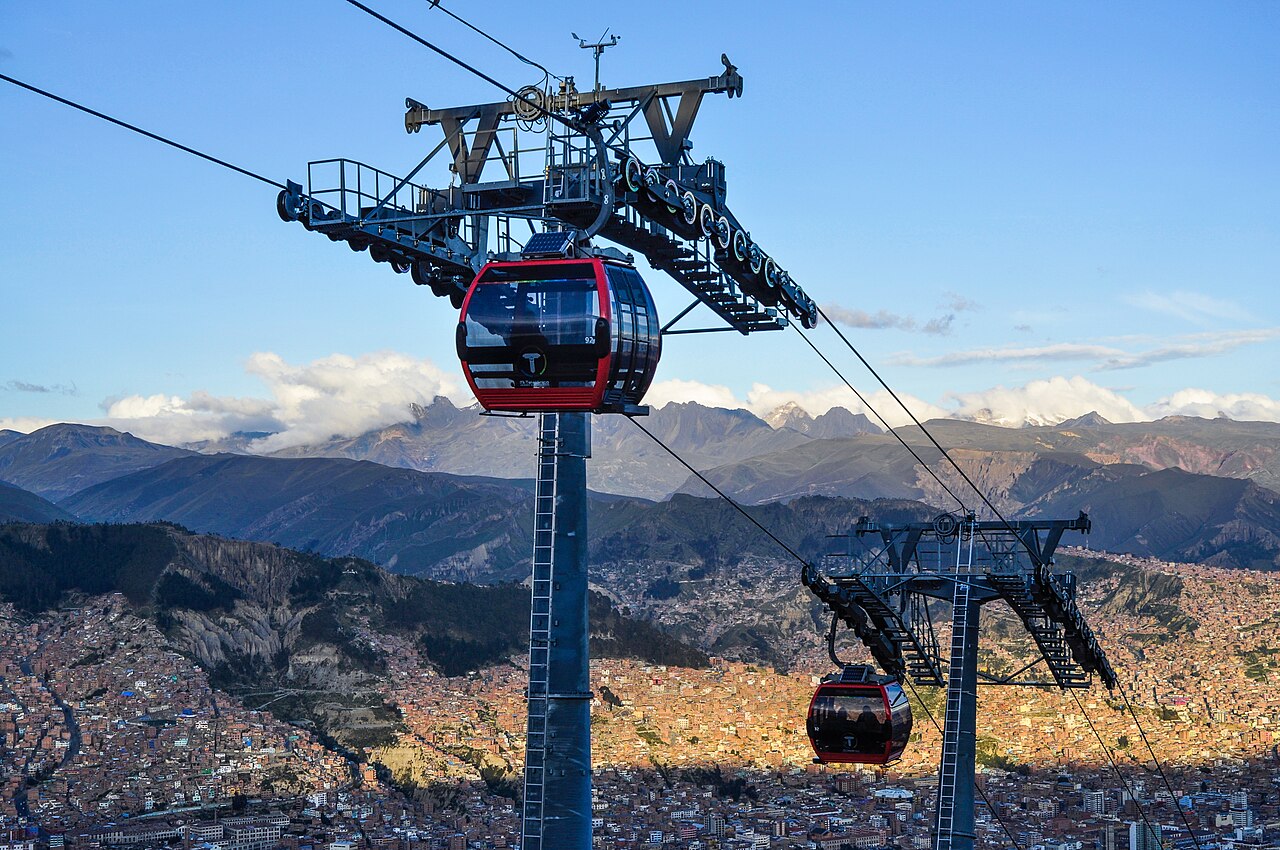
After checking in, take it easy. Drink water, eat lightly and avoid alcohol on the first night. Once you feel settled, make the cable cars your introduction to the city. The Mi Teleférico network lifts you out of the canyon in minutes and gives a view over rooftops, markets and the snow of Illimani. Ride the Red line up to El Alto and back, then change to another line for a different angle. Late in the afternoon, walk the old center, where the streets around Calle Sagarnaga lead to the Witches Market, a small knot of stalls selling herbs, charms and the dried llama fetuses that locals bury beneath new houses as offerings. Finish with an early dinner and an early night.
Day two: culture and a lower-altitude landscape
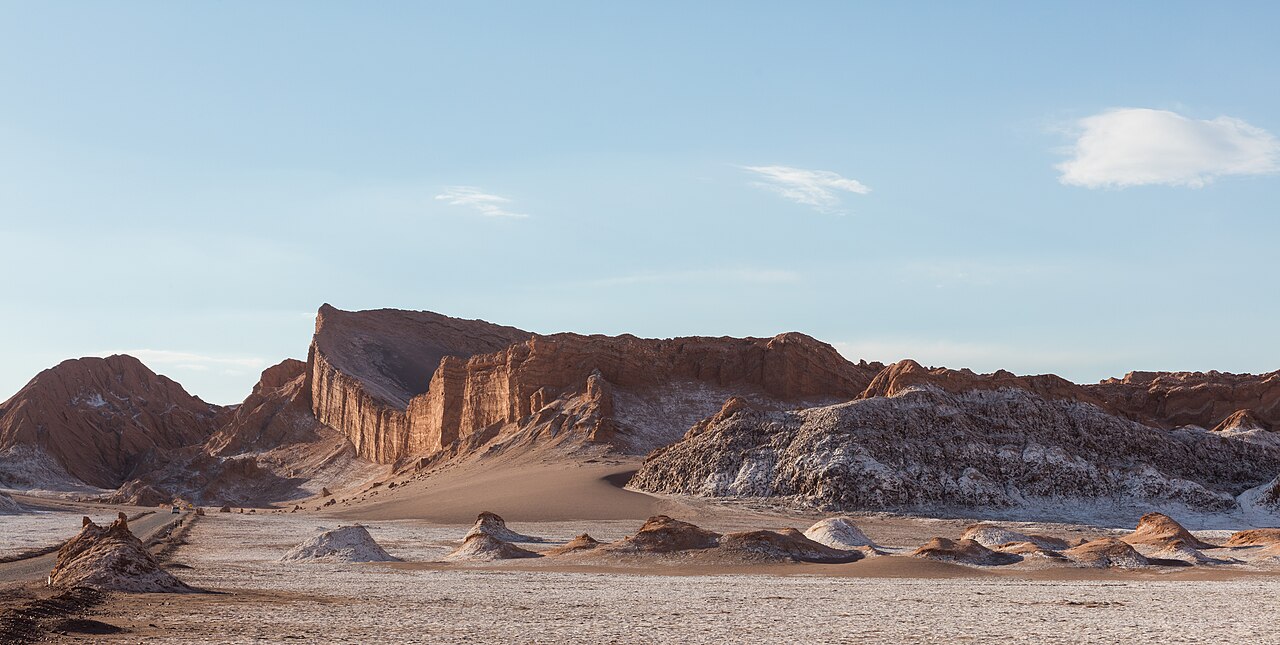
Spend the morning in El Alto, where the colorful cholet buildings and the weekly street markets show a very different side of the country from the colonial center. If the day is a show day, the afternoon is the time for cholita wrestling, a theatrical spectacle that mixes sport, comedy and local pride. Alternatively, head south for Valle de la Luna, which lies at a lower altitude than the center and offers an easy walk through eroded pinnacles and canyons. If you have energy and enjoy walking, add the Valley of Souls at sunrise on another morning, or trade the afternoon for a rest at your hotel. The point of day two is to see the city's culture while your body adapts.
Day three: choose one big excursion
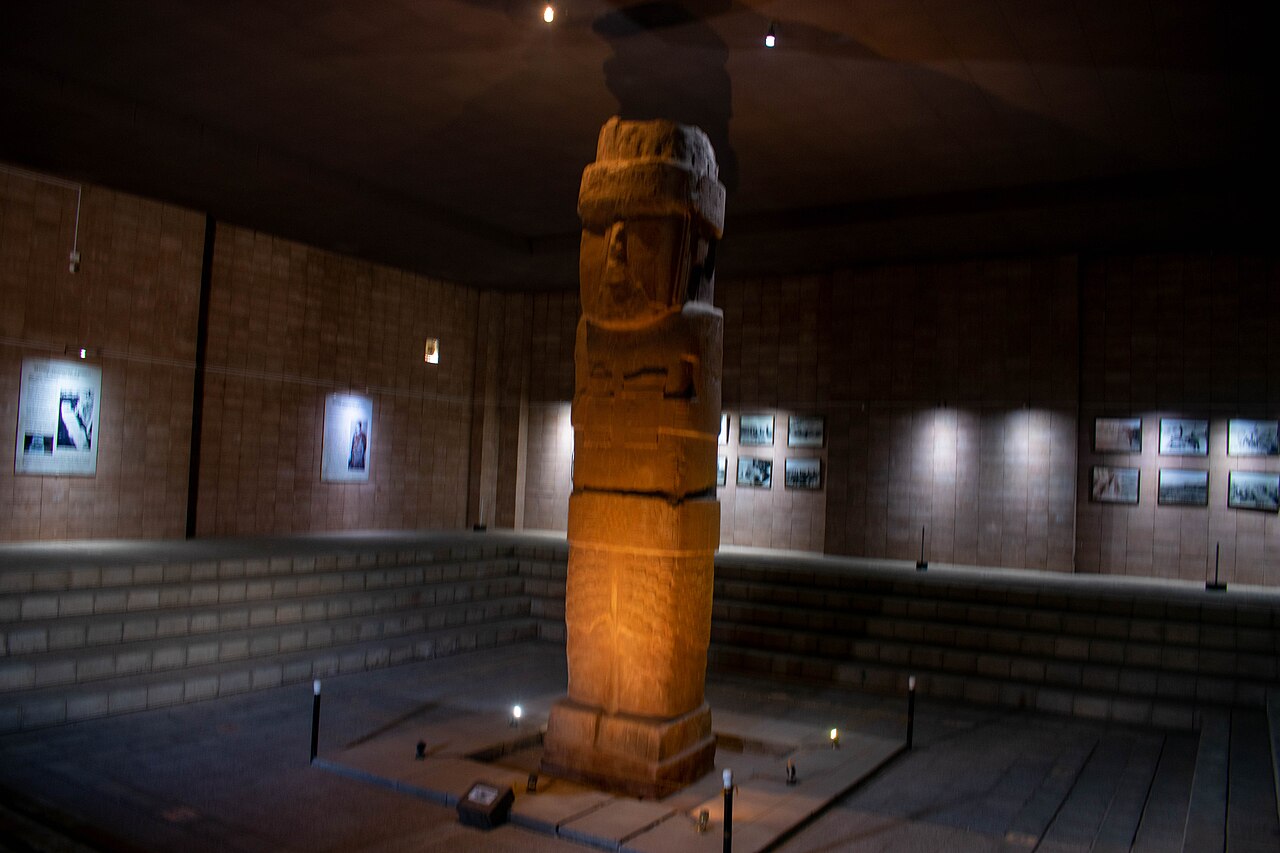
By now you should feel comfortable enough for a longer outing. There are several good options, and the right one depends on your tastes. For ancient history, join a trip to the ruins of Tiwanaku, a pre-Inca site about an hour and a half from the city, often combined with a view of Lake Titicaca. For adventure, ride the Death Road, a full-day descent from high mountains to the warm Yungas. For mountain scenery, go to Chacaltaya and see the Cordillera Real from above 5,000 meters, though only if you feel well. For water and islands, take the Lake Titicaca trip to Copacabana and Isla del Sol. All depart in the morning and return in the evening, so book them before you arrive in the high season.
Where to base yourself
For a three-day stay, a hotel in the center puts the Witches Market and the tour offices on your doorstep, while a quieter base in the southern zone is lower, calmer and closer to Moon Valley. Hotel Sagarnaga is a basic central address for travelers on a budget, Stannum Boutique Hotel and Spa is a comfortable downtown choice, and Atix Hotel is the stylish option in the south. If you are prone to altitude problems, choosing the lower southern district can make the first nights easier.
Getting around
Use the cable cars for the main routes and radio taxis arranged by your hotel for evenings and for places the cable cars do not reach. Avoid hailing cars on the street at night. Rush hours are slow and crowded, so travel between sights in the middle of the day. Carry small bolivianos for tickets, entry fees and snacks, and keep your phone and bag close in crowded stations and markets.
What to pack and what to expect
Bring layers, since mornings are cold, midday sun is fierce and evenings drop fast. Sunscreen, sunglasses, a hat and a refillable bottle are essential. Comfortable shoes with good grip suit the steep, uneven pavements. Coca tea is widely served and many people find it helps with mild altitude symptoms. If you develop a severe headache, vomiting or confusion, descend and seek medical help. Strikes and road blockades occasionally interrupt travel, so leave a spare half day before any flight and follow local news.
If you have more time
Add a fourth day for a second excursion, or use it as a rest day. Many travelers continue on to Lake Titicaca or fly to Uyuni for the salt flat, which makes a natural second chapter to a Bolivian trip. With three well-ordered days, though, you can see the cable cars, the markets, the nearby landscapes and one of the country's great day trips without feeling rushed.