La Paz sits at the center of one of the most varied regions in South America, and within a few hours by road you can reach ancient ruins, a sacred lake, glaciated peaks and warm jungle valleys. Most day trips leave early and return in the evening, and nearly all can be booked through your hotel or online. Here is how to choose.
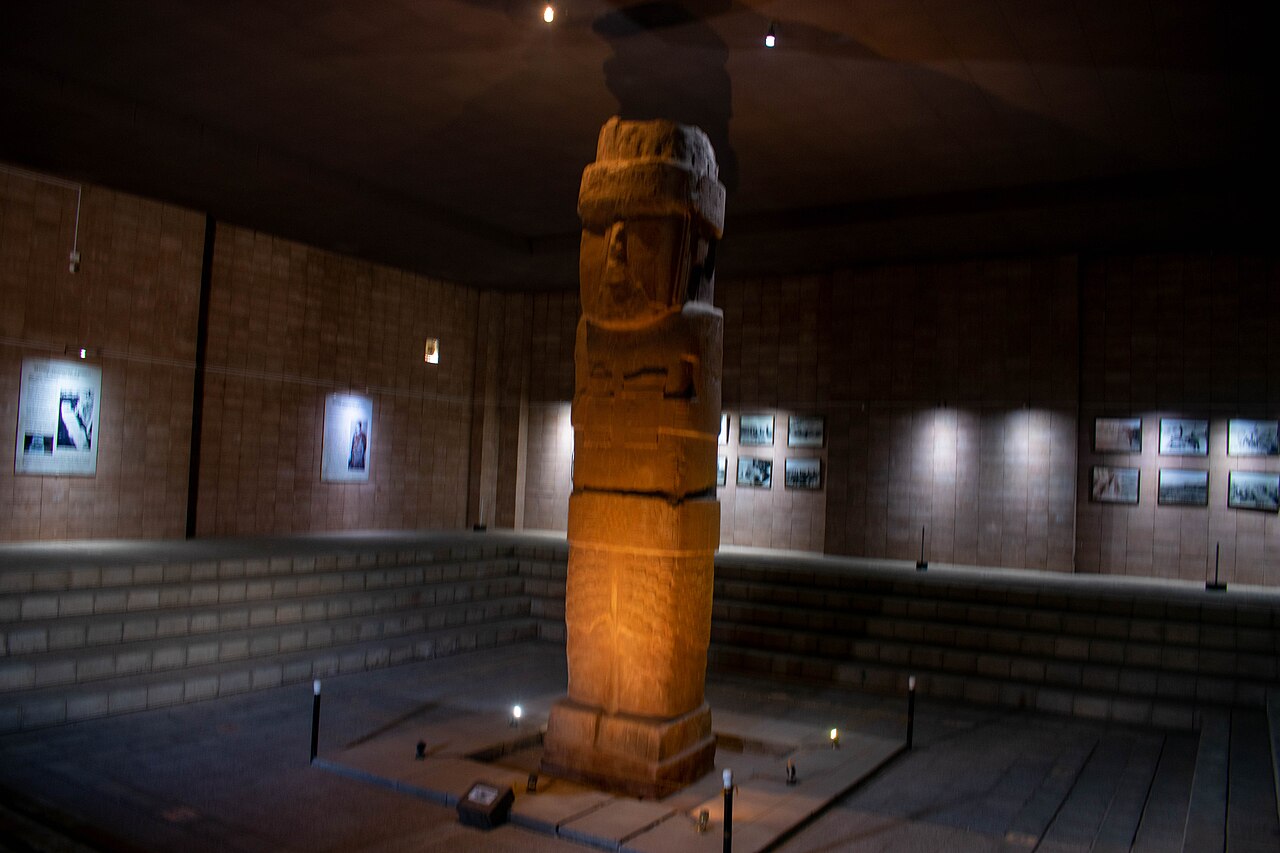
Tiwanaku, for ancient history
About an hour and a half west of the city, Tiwanaku was the center of a powerful pre-Inca civilization, and its monumental stone gateways, carved monoliths and the nearby site of Puma Punku are among the most important archaeological remains in the Andes. A guide adds a great deal, because the site has few signs. Many tours combine the ruins with a stop on the edge of Lake Titicaca, and the trip suits history lovers and families with older children.
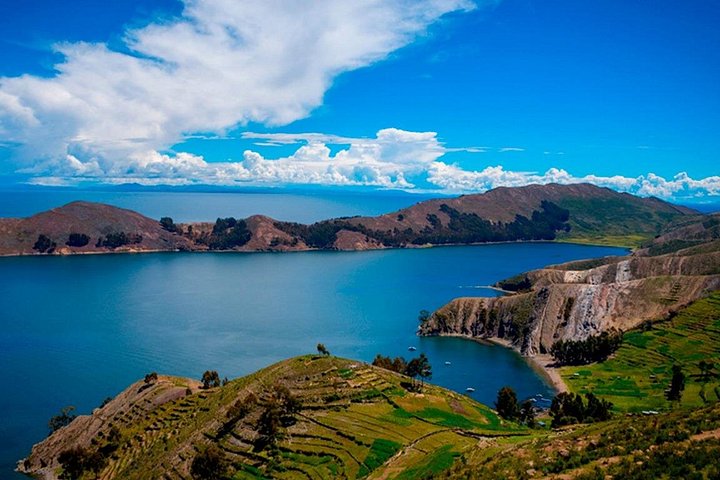
Lake Titicaca, Copacabana and Isla del Sol
The lake is a long but rewarding day. The bus follows the shore toward Copacabana, a lively pilgrimage town with a famous cathedral, and a boat takes you to Isla del Sol, the legendary birthplace of the Inca sun. The island has footpaths, ruins and views of snow peaks across the water. The day is long, so some travelers prefer to stay overnight, and a night on the island or in Copacabana is a calm break from the city.
Chacaltaya, for the highest views
A half-day trip to a peak above 5,000 meters gives sweeping views of the Cordillera Real. It is short but demanding for the lungs, so acclimatize first, wear warm clothes and go in the morning. It is often combined with Valle de la Luna, which is at a lower altitude.
Valle de las Ánimas and Palca Canyon, for landscapes
The Valley of Souls and Palca Canyon offer eroded spires, ridges and red cliffs on the south-eastern edge of the city, with Illimani in the background. They suit walkers who want quiet scenery and are easy to combine with each other or with Moon Valley. Sunrise hikes are especially rewarding in the dry season.
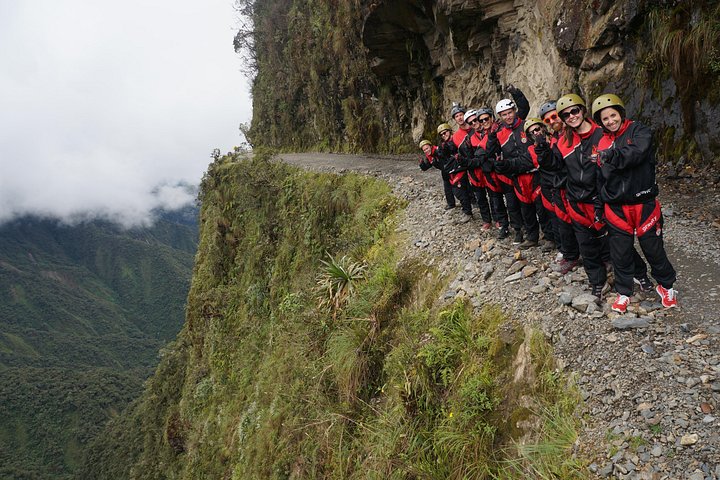
The Death Road and the Yungas, for adventure
The old road to Coroico drops from the high plateau to the warm Yungas valleys, and the full-day mountain bike ride down it is one of Bolivia's best-known adventures. Choose a company with well-maintained bikes, good guides and a support vehicle. Travelers who prefer something calmer can visit the Senda Verde animal sanctuary in the same region, or spend a night in Coroico. In the wet season, roughly November to March, landslides and mud affect the road, so check conditions.
Huayna Potosí and Sajama, for mountains
Serious climbers can take on Huayna Potosí, a 6,088-meter peak, over two or three days. Sajama National Park, farther away on the western altiplano, offers volcano views, wildlife and hot springs, and is better as an overnight than as a single long day. Both require acclimatization and respect for the altitude.
How to choose and book
Match the trip to your energy. Gentle first outings are Valle de la Luna, Tiwanaku and the Valley of Souls. Save big days such as the lake, the Death Road or Chacaltaya for after you have spent at least a couple of nights in La Paz. Book popular trips ahead in the dry season from May to October, check the language of the guide and what is included, and carry cash for entry fees and lunch. Choose reputable operators with good vehicles and clear safety standards, particularly for the bike ride and the mountain trips.
Practical reminders
Start early because roads fill with traffic later in the morning, and afternoon cloud can hide mountain views. Strikes and blockades sometimes close roads, so keep a back-up plan and avoid scheduling a day trip on the day before an international flight. Bring layers, sun protection, water and snacks, and keep your valuables close. With a mix of gentle and ambitious outings, a week in La Paz can feel like several different trips in one. Travelers with only a short stay should pick one history trip, one landscape trip and, if they are fit and acclimatized, one adventure, rather than trying to see everything and spending the whole trip in a vehicle.