The short answer
Guanajuato is a high-altitude city in the Mexican highlands, so it enjoys mild, sunny weather for much of the year, with comfortable days and cool nights. The best months for most travellers are the dry, pleasant stretches of late autumn through spring, but the right season also depends on whether you want festivals and crowds or quiet lanes and lower prices. The notes below describe general patterns, which can shift from year to year.
Dry season: winter and early spring
From late autumn into spring the skies are mostly clear and the days are warm and bright, which is ideal for climbing to the Pípila viewpoint, walking the stairs and sitting at outdoor tables. Nights are cool, sometimes cold, so bring a jacket for evening callejoneadas and rooftop terraces. This is the most comfortable season for sightseeing and photography, and the crisp light on the pastel houses is at its best. Expect more visitors at weekends, around Christmas and New Year and during Holy Week, so book hotels early for those dates.
Spring and Holy Week
The weeks before Easter bring processions and religious traditions to the churches and plazas. Locals celebrate the Day of the Virgin of Dolores, known as the Day of Flowers, in the Jardín de la Unión with flowers, music, dancing and food, in the days before Holy Week. It is a lively, colourful time to be in the centre, and the garden is at its busiest. Late spring can be hot in the afternoons, so plan sightseeing for the morning and use the siesta hours for museums and lunch.
Rainy season: summer
The wet months bring afternoon showers, often short and followed by clear evenings, with green hills and fewer crowds. This can be a good time for a quieter visit and lower prices, but stepped lanes become slippery, so bring shoes with grip and a light rain jacket. Plan outdoor sights in the morning and keep museums, the market and the Conde Rul for the wet afternoons. Mines can be damp underfoot after rain.
Autumn and the Cervantino
The Festival Internacional Cervantino is the city's great event, with international music, theatre and dance filling the Teatro Juárez, the plazas and many other venues, and the Plaza de San Roque marks the festival's roots in open-air theatre. It is a spectacular time to be in Guanajuato, but it is the most crowded and the most expensive, with hotels booked far ahead and streets busy late into the night. If you want the festival, reserve accommodation as soon as dates are announced and expect to pay more. If you prefer calm, avoid the festival weeks and visit just before or after.
Day of the Dead
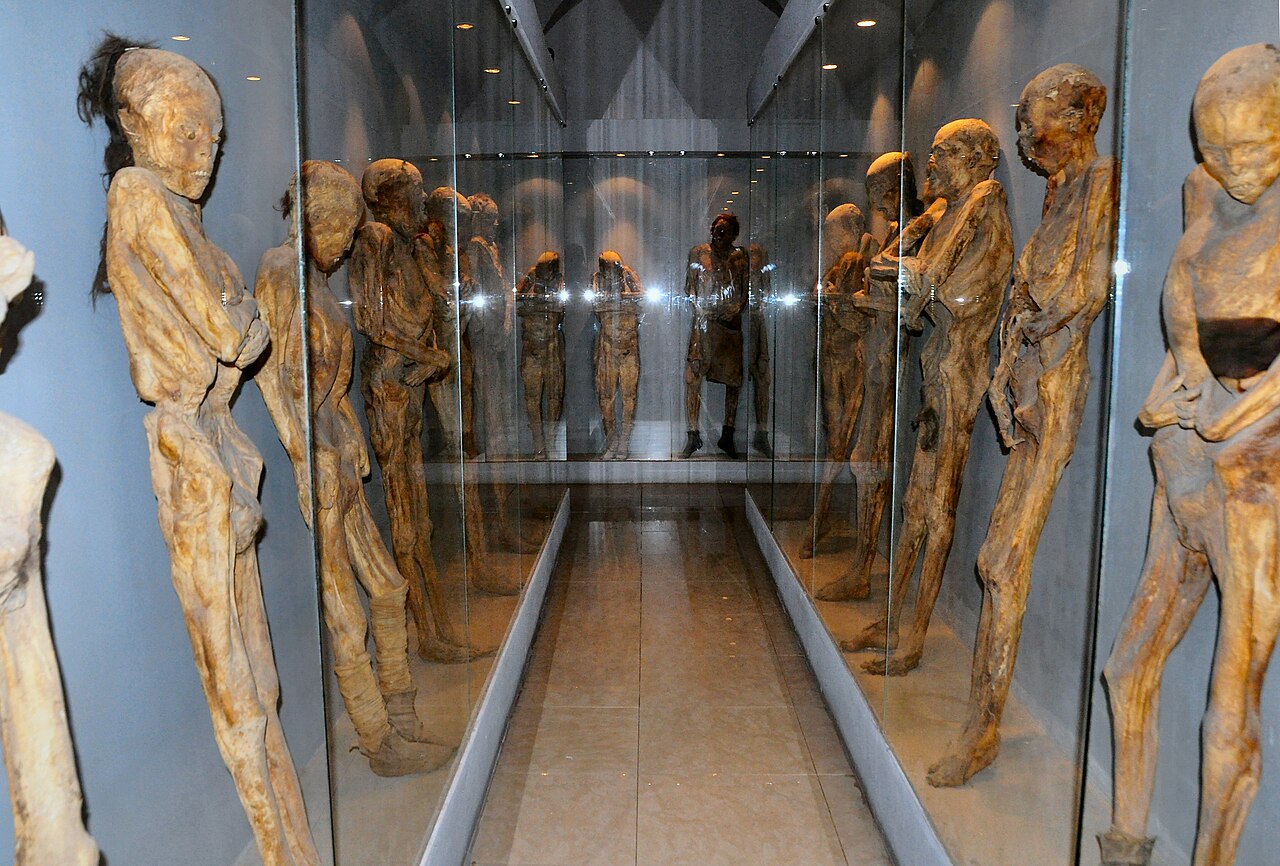
At the start of November the city honours the dead with altars, flowers and food, and the Mummy Museum draws extra interest. It is a meaningful time to visit, but crowds are heavy at the cemetery and the museum, so go early in the day.
Quietest and best value
Midweek in the shoulder months, outside holidays and festival weeks, gives you the empty lanes and the easiest bookings. Early mornings are the calmest hours any time of year at the Callejón del Beso and the Teatro Juárez.
Weekends, holidays and altitude
Weekends fill the centre with visitors from other Mexican cities, so if you can, plan the busiest sights for a weekday and use the weekend for the market, the plazas and a long meal. Long weekends and school holidays raise hotel rates, particularly at the plaza hotels, and the city sits high enough that the sun is strong by day even when the air is cool. Drink plenty of water on your first day, take the stairs slowly, and give yourself an easy first evening before tackling the Pípila or the mines.
What to pack
Comfortable walking shoes with grip, layers for cool evenings, sun protection, a hat and a refillable water bottle are useful in any season. Add a light rain jacket for summer. Check museum and church opening days before you go, since many close on Mondays, and use the Where to Stay guide to choose a base that suits the season, from a plaza hotel for festival nights to a quiet garden retreat for calmer months.