How this plan works
Guanajuato is compact but vertical, so the key to a good itinerary is grouping sights by hillside and saving your legs for the stairs. This plan spreads the highlights over three days, with the big outdoor climbs in the morning or at sunset, museums in the heat of the day and music in the evening. Swap days freely if the weather or an opening day gets in the way, and remember that many museums close one day a week, usually Monday.
Day one: the heart of the old town
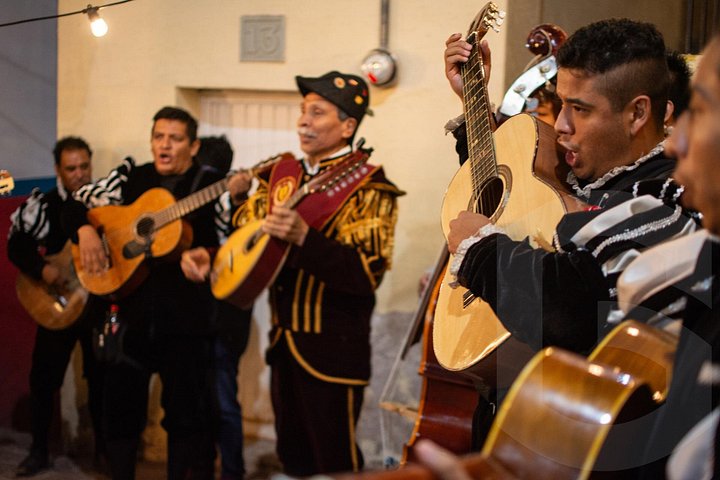
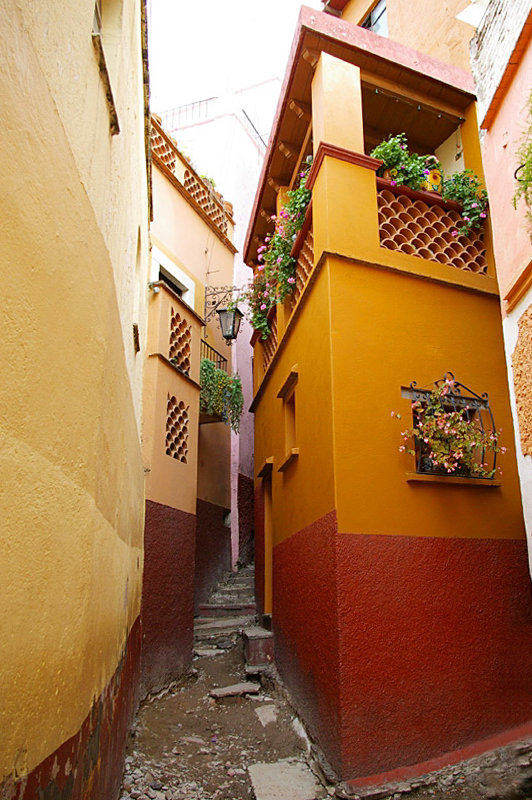
Start early at the Callejón del Beso, before the queue for the red third step builds, then walk down to the Jardín de la Unión for a coffee under the trees. The Teatro Juárez is on the corner, so step inside to see the horseshoe hall and the Art Nouveau foyer, then climb to the white steps of the University of Guanajuato a few minutes away. After lunch, visit the Diego Rivera House Museum to see where the painter grew up, and wander the lanes around it. Late in the afternoon, ride the funicular up to the Pípila monument for the best view of the town, and stay until the lights come on. If you still have energy, end the day with the Night Walk with the Estudiantina, a student-led callejoneada that winds through the alleys with songs and stories. It is the signature evening of the city, and it is best done on your first night so that the rest of the visit has a soundtrack.
Day two: silver, mummies and independence
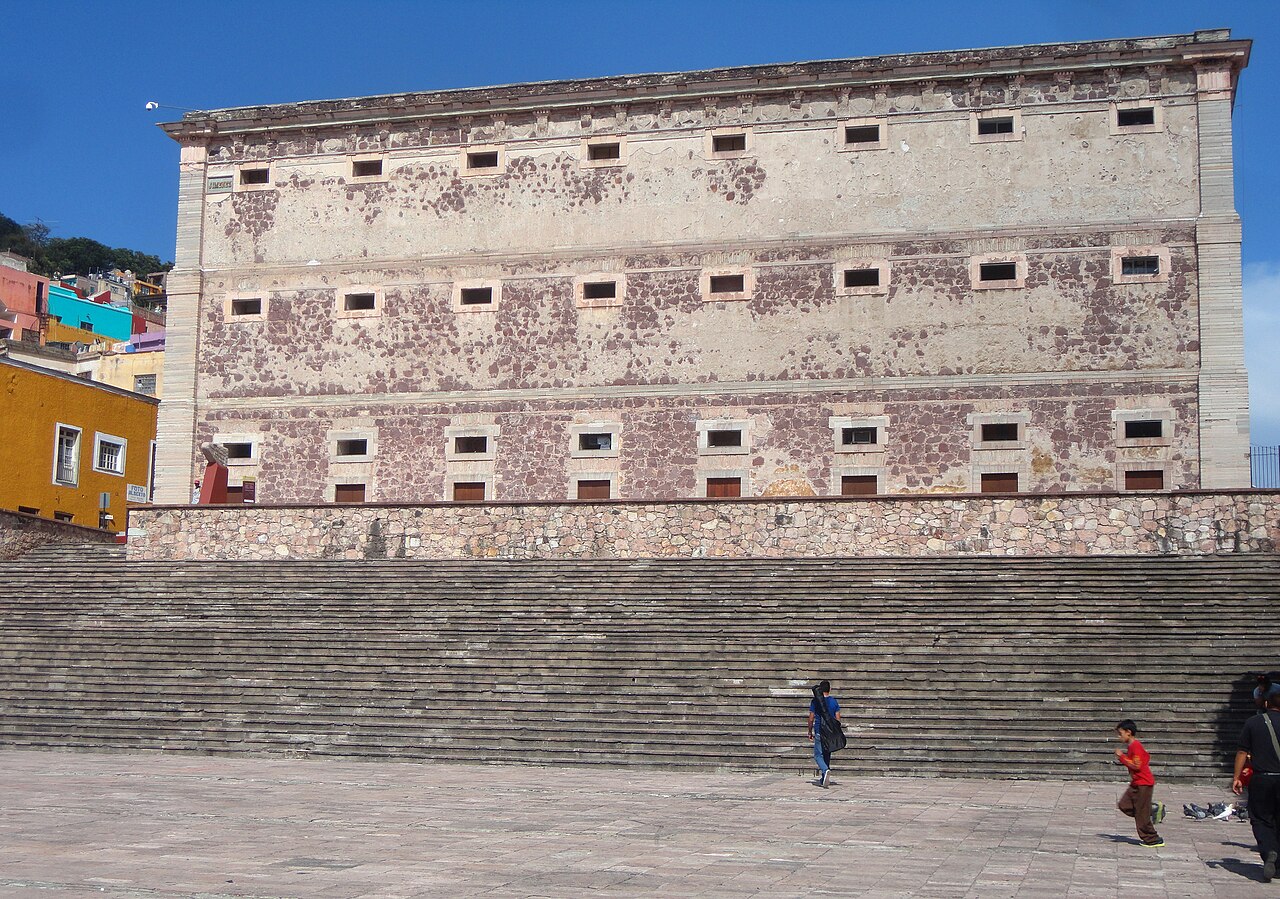
Take the morning out of the centre. The Silver Mines and Museums Half-Day Tour links a mine, the Mummy Museum, the Casa del Purgatorio and the Pípila viewpoint with a driver and a guide, which is a good way to cover sights that are spread across the hillsides. If you prefer to go independently, head up to the Valenciana district to see the deep shaft of La Valenciana and the pink-stone Valenciana church, and take a taxi on to the Mummy Museum. Check the church's closing days first, since it closes on Mondays and for a period in the autumn. In the afternoon, return to the centre for the Alhóndiga de Granaditas Regional Museum, where the first great battle of the independence war was fought, and finish with lunch or an early dinner in the Mercado Hidalgo. The market is a few minutes from the Alhóndiga and worth a slow wander, especially the handicrafts on the upper floor.
Day three: art, churches and slow corners
Give your last day a gentler pace. Begin at the Basílica of Our Lady of Guanajuato on the Plaza de la Paz, whose ochre façade and jewelled image of the Virgin are among the city's most photographed, and then visit the Conde Rul Museum across the plaza for Mexican art in a pink-stone mansion. From there, take the Guided Cultural Walk of the Historic Centre if you have not already, since it ties the sights together and gives context for the legends. In the afternoon, find the Plaza de San Roque, the small square tied to the Cervantino festival, and spend the rest of the day on whatever you missed: a second visit to the Jardín de la Unión, the lanes you did not climb, or a long lunch. Return to the Pípila at sunset if the first visit was cloudy, since the light changes the view completely.
If you only have two days
Combine days one and three, and add the mines and mummies as a half-day. Skip the Conde Rul and San Roque. A weekend trip works if you start early on Saturday and accept that you will move quickly.
Practical tips
Wear shoes with grip, since the cobbles are uneven and many lanes are stepped. Carry water and sun protection by day and a light layer for the evening. Use taxis to reach the Mummy Museum, the mines and the Valenciana district rather than walking, and expect the centre to be best on foot. Book the night walk and any private tour before you arrive, and check the opening days of museums and churches in advance. The first-timer's guide on this site covers getting around in more detail, and the Where to Stay guide will help you choose a base near the stops you plan to visit most.