Kamakura is a year-round destination, but the character of a visit changes with the seasons. The temples, the coast and the trails all look different from month to month, and the crowds follow the flowers. This guide explains what each season offers, so you can match a trip to what you want to see and how much company you can tolerate.
Spring: cherry blossom and fresh green
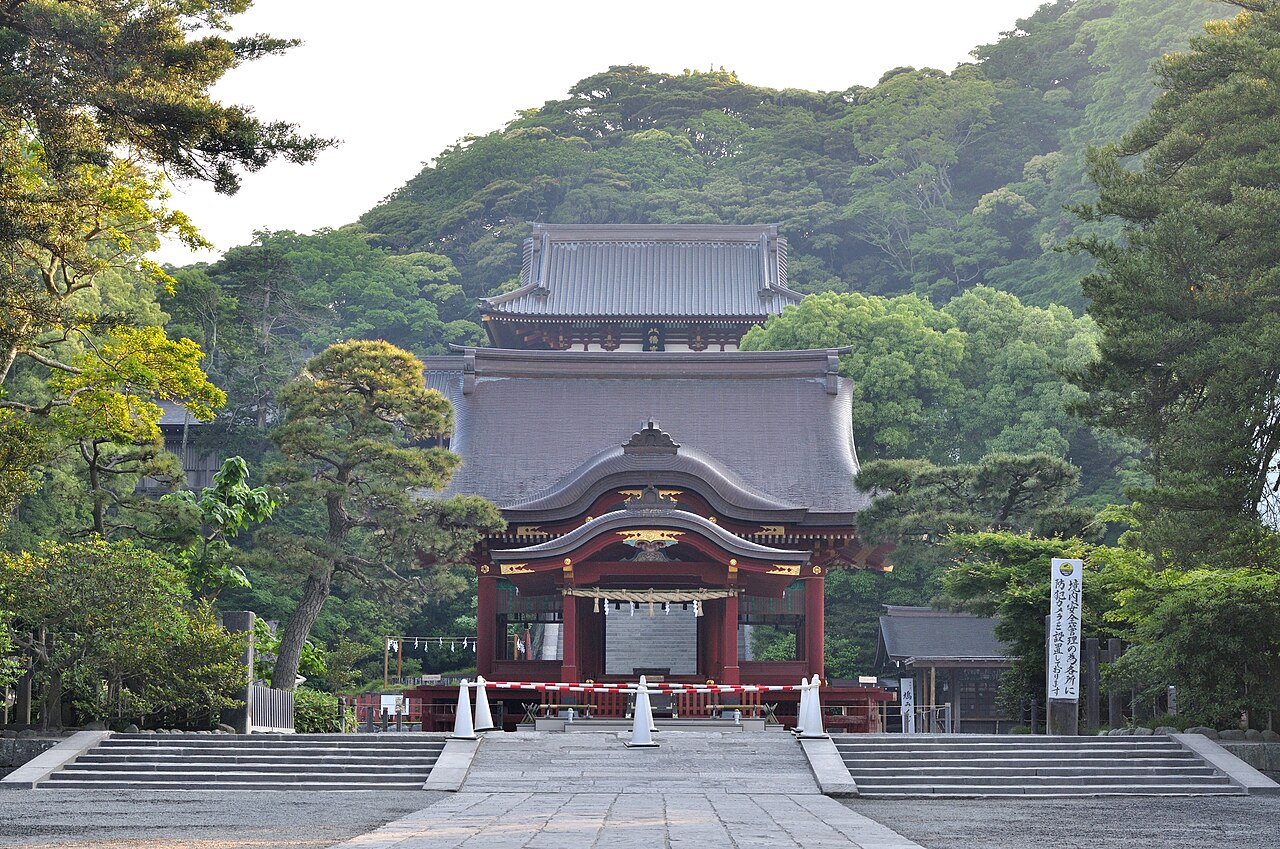
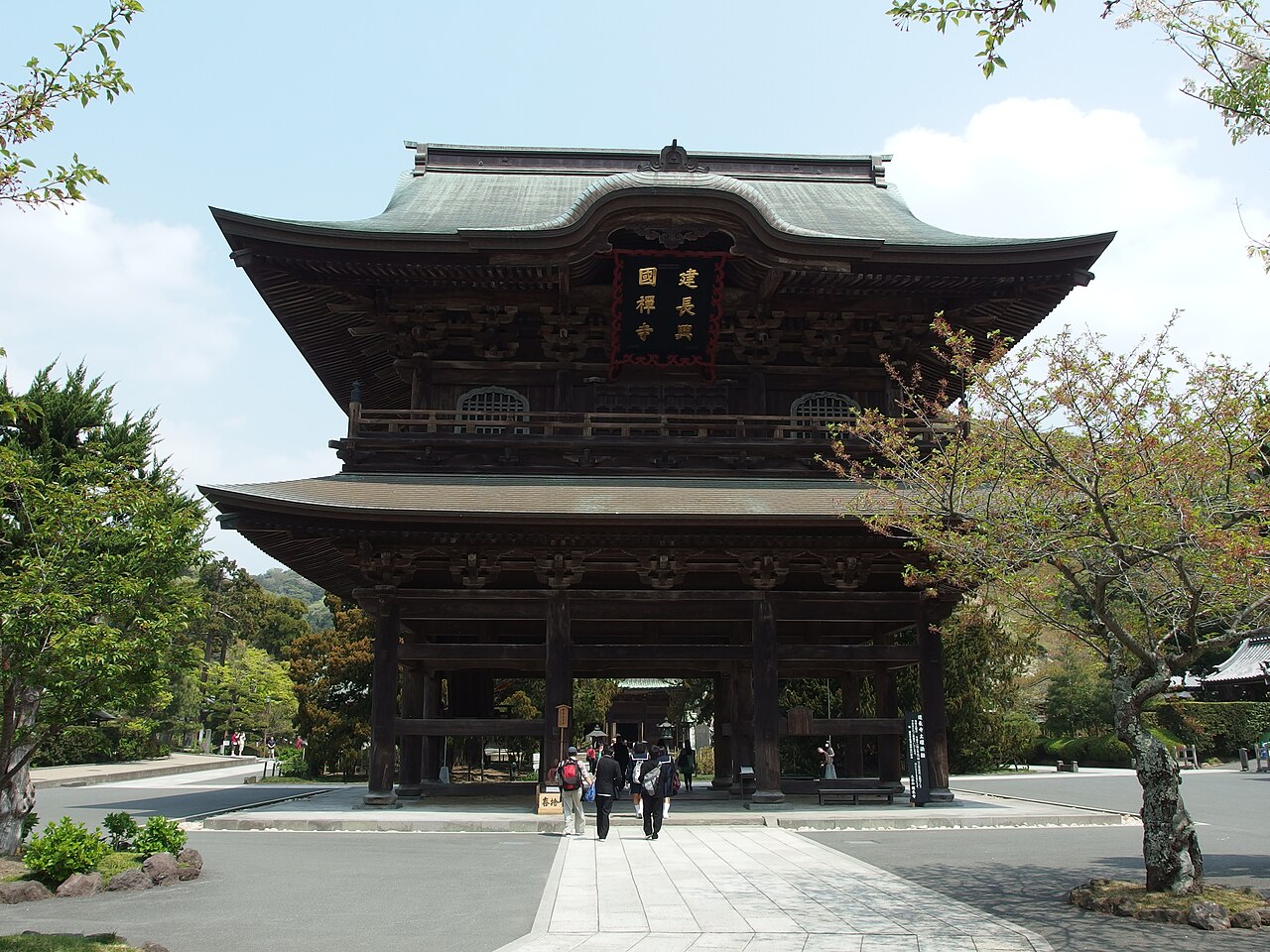
Late March and early April bring cherry blossom, and the long avenue leading to Tsurugaoka Hachimangu is one of the best-known viewing spots. Temples such as Kencho-ji and Engaku-ji look soft and pink, and the ridge trails turn green. Spring is pleasant for walking, with mild days and cool evenings, but blossom weekends are very crowded, and the Enoden and the main lanes are full. A weekday morning is the way to enjoy it. Golden Week, at the start of May, is another busy period.
Early summer: hydrangeas and rain
June is the season of hydrangeas, and Meigetsu-in and Hase-dera are the stars, with thousands of blue flowers lining the paths. It is also the rainy season, so expect damp days, soft light and wet stone. Arrive as soon as temples open, carry an umbrella and wear shoes with grip. Queues in June can be long, and some visitors choose weekdays and gloomier forecasts to escape the crowds. Rain actually suits the temples, with deeper greens and glistening moss at places such as Sugimoto-dera.
Summer: beaches and heat
July and August are hot and humid, and the beaches at Yuigahama, Zaimokuza and Shichirigahama fill with swimmers, surfers and families. Enoshima is lively, with festivals and fireworks. Temples are quieter in the heat, and early mornings are best for sightseeing, with the afternoon given to the sea or the air-conditioned aquarium. Carry water, wear a hat and avoid hiking in the middle of the day. Book hotels early, as seaside properties are busiest at weekends.
Autumn: colour and calm
September can bring storms, but October and November are among the best months, with clear days and crisp air. Autumn leaves peak in late November and early December, and Kencho-ji, Engaku-ji, Meigetsu-in and Hase-dera all glow with red and gold. Weekends in the leaf season are busy, though less intense than the hydrangea weeks, and the light for photographs is wonderful. The ridge trails are at their most pleasant in autumn.
Winter: clear air and quiet
From December to February, Kamakura is cool, dry and clear. Crowds thin, and the air is sharp enough for views of Mount Fuji from the coast, the Sea Candle and the ridges. Plum blossom appears in late winter at temples such as Tokei-ji. At the new year, Tsurugaoka Hachimangu receives huge crowds for the first shrine visit of the year, so avoid the first days of January unless you want to join them. Dress in layers, since the sea wind is cold.
Quietest and best-value times
The calmest periods are weekdays in late winter, early December after the leaf peak and mid-week in the shoulder weeks between seasons. Hotels are also easier to book and cheaper outside blossom time, the hydrangea weeks, the leaf peak and summer weekends. Weekday mornings are quiet in every season, and arriving at opening time works whenever you come.
Month by month in brief
January is cold and clear, and the shrine is busiest in the first days. February and early March bring plum blossom and quiet temples. Late March and April are blossom season, May is warm and green apart from the holiday crowds, and June is the hydrangea and rain month. July and August are hot beach weeks, September is humid and occasionally stormy, October is bright and comfortable, November turns red and gold and December is calm, with a chance of the clearest views of the year. Using this rhythm, you can decide whether you want colour, quiet, sea or snapshots of festival life.
Day-of-week and time-of-day tips
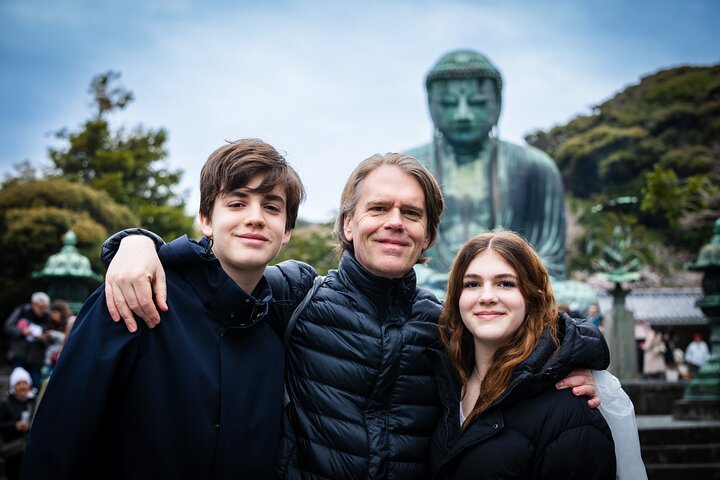
In every season, the best hours are the first hour after opening and the last hour before closing, when light is softer and tour groups are absent. Midday is the busiest, especially at the Great Buddha and on Komachi-dori. Sunday afternoons see the heaviest return crowds on the Enoden and JR lines, so schedule your journey back to Tokyo or your hotel earlier, or linger over dinner and travel later. If you can choose only one weekday, Tuesday through Thursday are generally the calmest.
Practical advice
Check the temple websites for seasonal hours, because many close earlier in winter. Typhoons can disrupt travel in late summer and early autumn, so keep plans flexible. If you can choose only one time, pick late autumn or a clear weekday in March or April for the best mix of light, comfort and colour. Book accommodation early for any of the peak weeks.