Most visitors squeeze Kamakura into a single hurried day trip from Tokyo, but three days let you see it the way it deserves. The town is small, and the sights fall naturally into three areas, so each day can follow one part of the map with time for lunch, a cafe stop and a rest. This plan assumes you stay in or near Kamakura and use the JR line and the Enoden railway to hop between areas.
Day one: Kita-Kamakura and the old centre
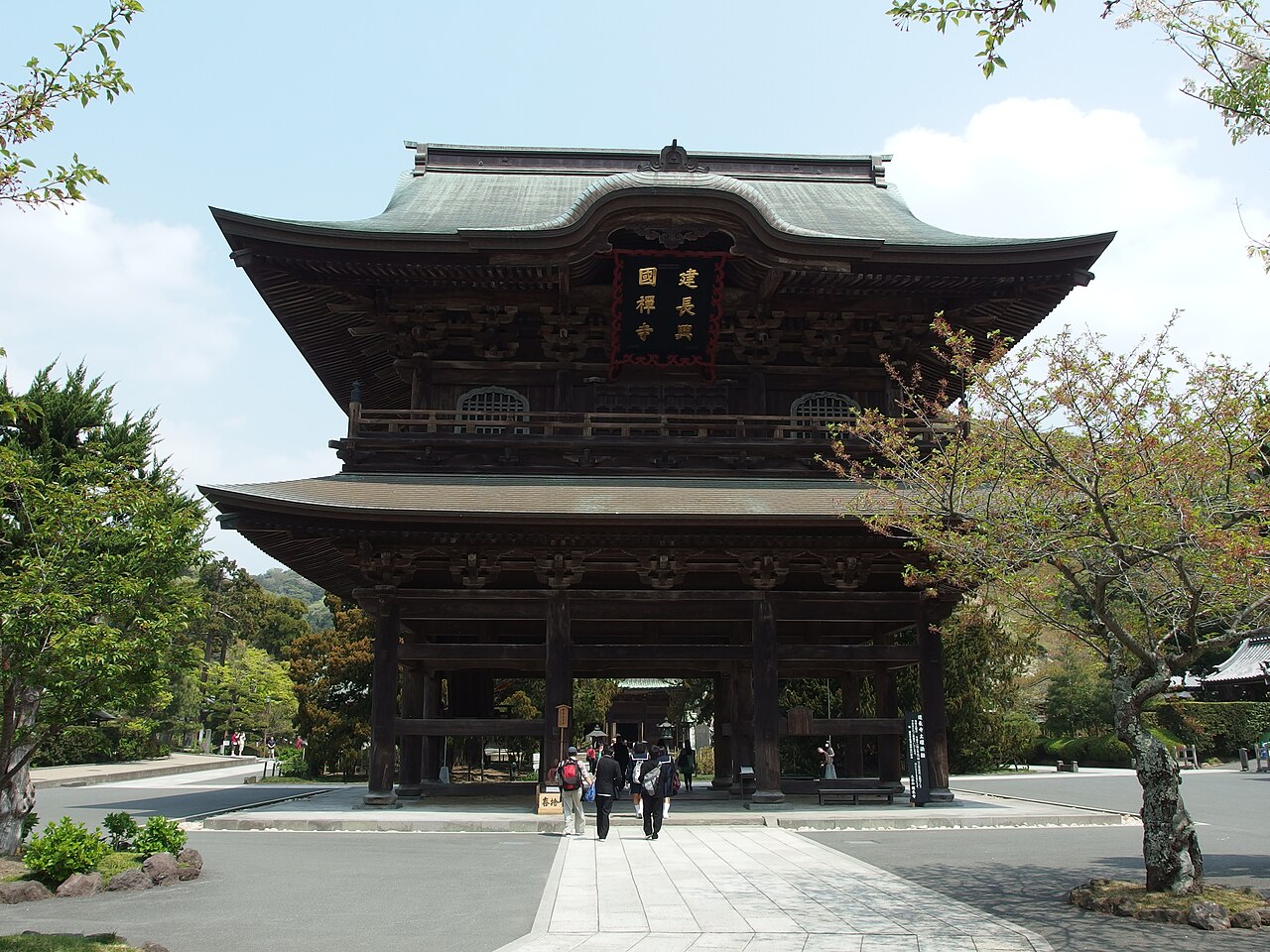
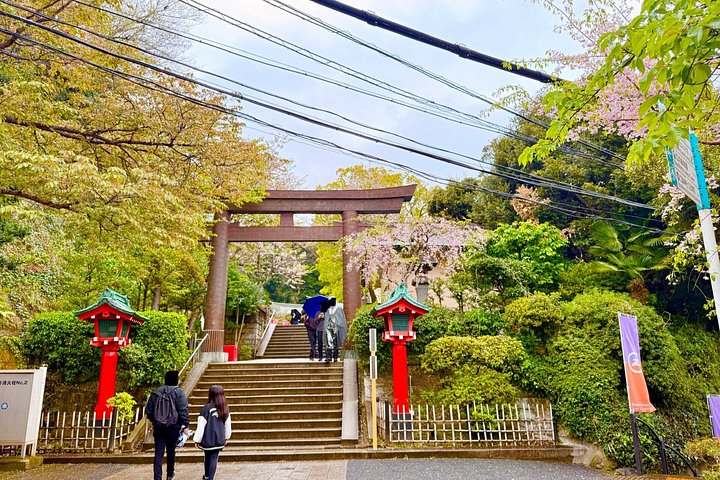
Start early at Kita-Kamakura Station, where Engaku-ji stands beside the platforms and Tokei-ji is a few steps along the road. Walk on to Meigetsu-in for its round window and, in season, its hydrangeas, then continue towards Kencho-ji, the oldest Zen training monastery in the town. Take the train or walk back towards Kamakura Station for lunch, then stroll Komachi-dori for snacks and souvenirs and finish at Tsurugaoka Hachimangu, where the long avenue and the shrine steps are lovely in the late afternoon. Dinner near the station keeps the evening easy.
Day two: Hase and the coast
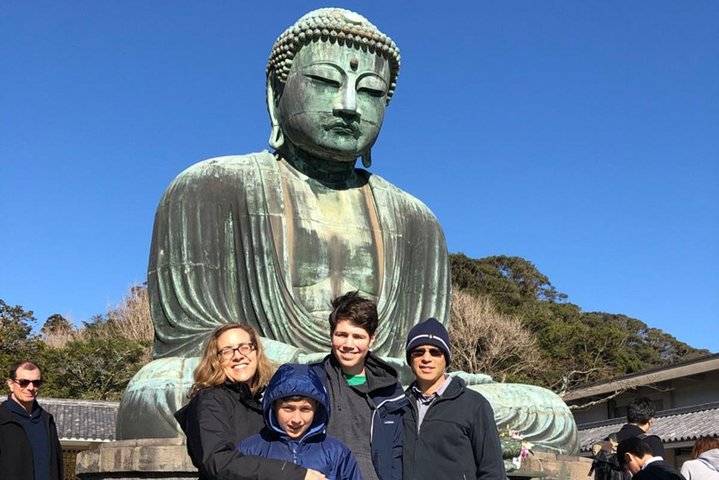
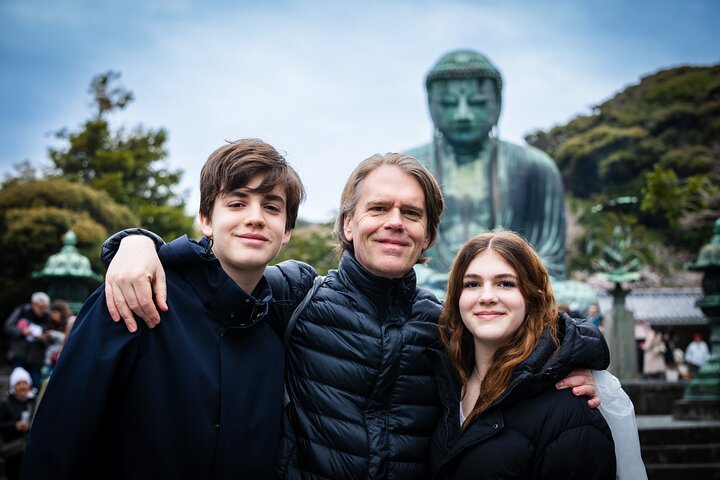
Take the Enoden to Hase and arrive at the Great Buddha when Kotoku-in opens, before the tour groups. Walk to Hase-dera for its hillside gardens, the sea view and the cave shrine, then have lunch nearby. In the afternoon, ride a few stops to Kamakurakokomae for the famous railway crossing and the beach, and use a one-day Enoden pass to hop on and off. If you have energy, replace the train between Kita-Kamakura and Hase with the Daibutsu hiking trail on the morning of day two, which links the north and the Buddha through woodland. Watch the sunset from Yuigahama or Shichirigahama and eat whitebait if it is in season.
Day three: the east side and Enoshima
Spend the morning in the quiet eastern valleys. Sugimoto-dera, reached by a short bus ride or a walk, is traditionally Kamakura's oldest temple, and Hokoku-ji, a few minutes further, has its bamboo garden and tea. Return to the station by midday and ride the Enoden to Enoshima for the afternoon. Walk the shrine lane, visit the three halls of Enoshima Shrine and climb to the garden and the Sea Candle for the view. If you have children or a rainy afternoon, end at the aquarium by the bridge. Finish with dinner on the island or a late train back.
If you have a day for hiking or Zeniarai Benten
The coin-washing shrine fits neatly into a day-two variation. Start at the shrine in the morning, follow the ridge trail over to the Great Buddha and carry on with the Hase plan. Allow extra time and carry water, and skip the trails after heavy rain.
Getting around
Use a transport IC card for JR and Enoden journeys, and consider the Enoden one-day pass on day two and day three, when you make several stops. Buses cover the east side, but walking is pleasant and often as fast. Lockers at Kamakura, Hase and Enoshima stations make bags easy to manage on check-out days.
Where to stay
For a first visit, a station-side hotel such as Hotel Metropolitan Kamakura or Kamakura Seizan puts day one and day three within walking distance of the trains. If you prefer the sea, Kamakura Prince Hotel at Shichirigahama or WeBase Kamakura near Yuigahama gives a beach morning and an easy Enoden ride. Book early for autumn, cherry blossom time and summer weekends.
Rain and heat plans
Kamakura handles bad weather better than most day-trip towns. On a wet morning, shift to the covered and indoor stops: the Great Buddha is still impressive in drizzle, Hase-dera has a cave and covered halls, and the aquarium on Enoshima makes a dry afternoon. In midsummer, start at sunrise, rest in the middle of the day at a cafe or your hotel and return to the temples when the heat eases. In winter, the clear air is perfect for the Sea Candle and the ridge trails, so save those for the best weather.
Optional extras
If you have an extra half day, add a guided walk to hear the history of the shoguns, a tea ceremony or matcha session at a small teahouse, a soba lunch in Kita-Kamakura or a sunset walk at Shichirigahama. Guided walks explain the layout of the old capital and the logic of the hills, and a good guide turns a pleasant temple day into a story. Book such activities the day before, and leave one open slot for whatever catches your eye.
Pacing and flexibility
Weather matters, so keep the Enoshima day flexible and swap it with a temple day if the sky is hazy or rain is forecast. The itinerary leaves gaps on purpose, because Kamakura rewards lingering over a cup of matcha or a bowl of noodles. If something unexpected closes or crowds are heavy, drop it and move on, because there is always another quiet temple a few minutes away. Reserve any guided walk or aquarium ticket the day before, and keep your last evening free for a slow dinner by the sea.