Kathmandu is a temple city, but it is also the best-connected gateway to Himalayan adventure on earth. Within a few hours you can be on a whitewater river, a forest ridge or a trail that leads to the highest mountains. The trick is choosing wisely and fitting adventure around the weather, your fitness and the cultural sights you also want to see. Here is how to plan.
Start with the season
Autumn and spring are the prime months for mountain activities, with clear skies, stable weather and good visibility. Winter is cold at altitude but often sunny and quiet, and the monsoon brings cloud, leeches and landslides, although some rivers are at their best. If your dates are fixed, choose activities that suit the weather rather than forcing a plan that the mountains will refuse.
Seeing Everest without trekking
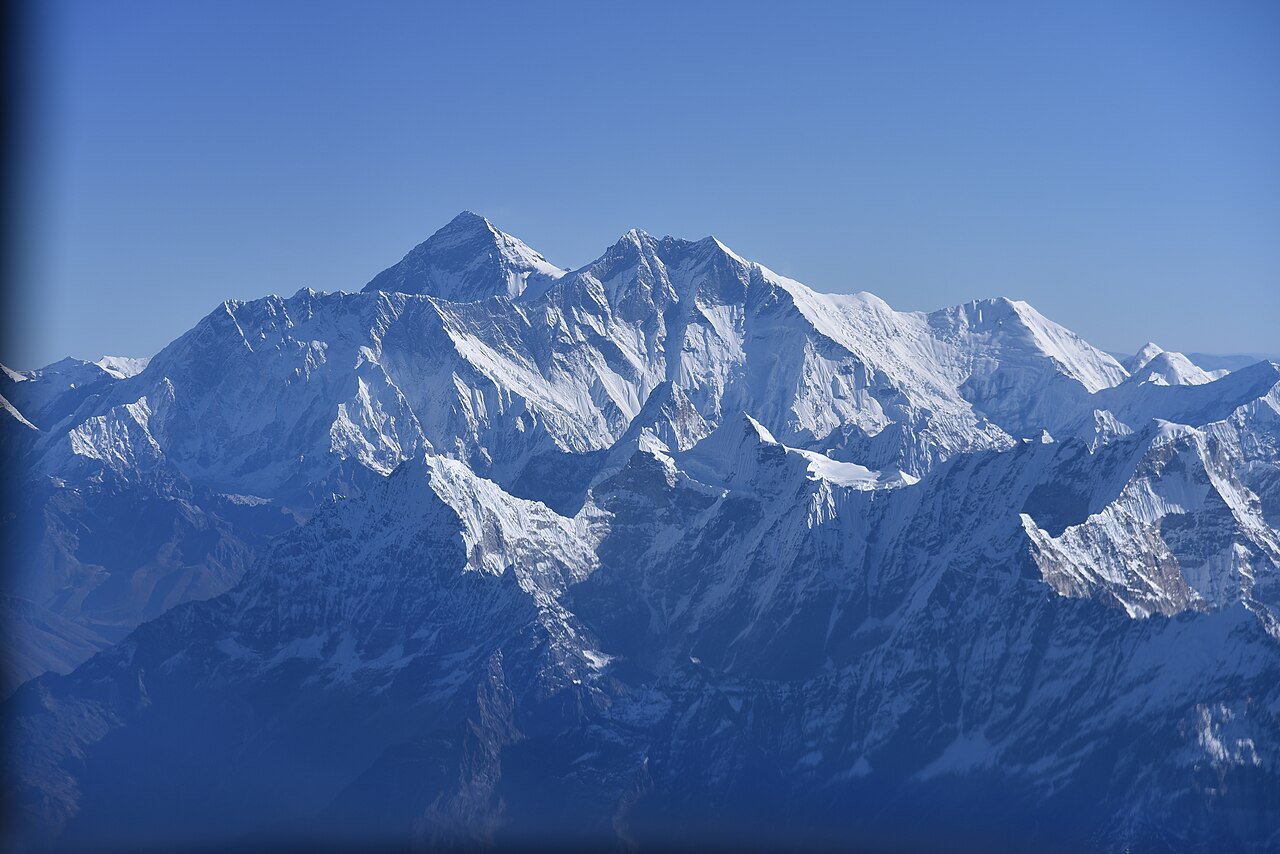
The simplest way to meet the world's highest peak is the mountain flight, a short fixed-wing trip that follows the range and returns the same morning. For a landing and a taste of the high Khumbu, the Everest Base Camp helicopter tour touches down at a high site and often includes a breakfast stop. Both depend on weather, so book early in your stay and keep a spare day. If you want to earn the view, the twelve-day Everest Base Camp trek is the classic teahouse journey, with Sherpa villages, monasteries and a final push to the base camp area.
A trek closer to the city
Langtang offers a ten-day trek that begins with a road journey rather than a flight, passes through Tamang villages and ends beneath glaciers at Kyanjin Gompa. It is a good option for first-time trekkers who want fewer crowds and shorter logistics. Whichever trek you choose, plan acclimatization days, carry travel insurance that covers altitude and emergency evacuation, and choose an operator with strong safety practices and fair treatment of porters.
Day hikes for a taste of the hills
If you have only a day, the ridges around the valley are surprisingly rich. Shivapuri has the longest and most demanding day hike, Jamacho climbs to a monastery above the city and Nagarjun offers a gentler forest walk. Nagarkot at sunrise is the classic viewpoint outing, and Dhulikhel offers a town with mountain views. These hikes are excellent for testing boots, building fitness before a trek or enjoying fresh air between temple days.
Water and speed
For rafting, the Trisuli River is the closer and gentler option, good for beginners and families, while the Bhotekoshi is steeper and wilder. Both are long road trips from the city, so start early and bring dry clothes. The Last Resort bungee jump uses the same road, so some travelers combine the two. Check age, weight and health limits, listen carefully to the safety briefing and be honest about swimming ability and medical conditions.
Two wheels
Valley rim mountain biking is an underrated way to see terraced villages, ridge views and quiet lanes. Guides lead you on trails that avoid the worst traffic, and bikes and helmets are provided. It is a good choice for active travelers who want a day outside without a long drive.
Safety basics
Choose licensed operators with clear information about guides, equipment and emergency plans. Tell them about injuries, medications and allergies. Buy insurance that matches what you plan to do, and keep copies of key documents. Do not push through altitude symptoms, as headaches, nausea and dizziness are signs to rest or descend. Carry water, sun protection and a basic first aid kit on any hike or ride.
Combining adventure with culture
The best Kathmandu trips mix both. A typical plan might pair a Durbar Square day and a Boudhanath evening with a rafting day and a Nagarkot sunrise, then finish with a mountain flight on a clear morning. Keep the heaviest physical days away from the long drive days and leave a rest day for the spa, a cooking class or the Garden of Dreams. Weather will change your plan at least once, and flexibility is part of the adventure.
What to pack
Broken-in walking shoes, a light rain jacket, quick-drying clothes, a warm layer, a hat, sunglasses and a headlamp cover most day activities. For treks add a sleeping bag if your operator does not supply one, thermal layers, trekking poles and a water purification method. Many items can be rented or bought in Thamel, but quality varies, so inspect gear carefully.
The honest advice
Do one or two adventures well rather than five badly. Pick the activity that excites you most, book it with a reputable operator at the right time of year and leave slack for weather. The mountains do not keep to a schedule, but they usually reward patience.