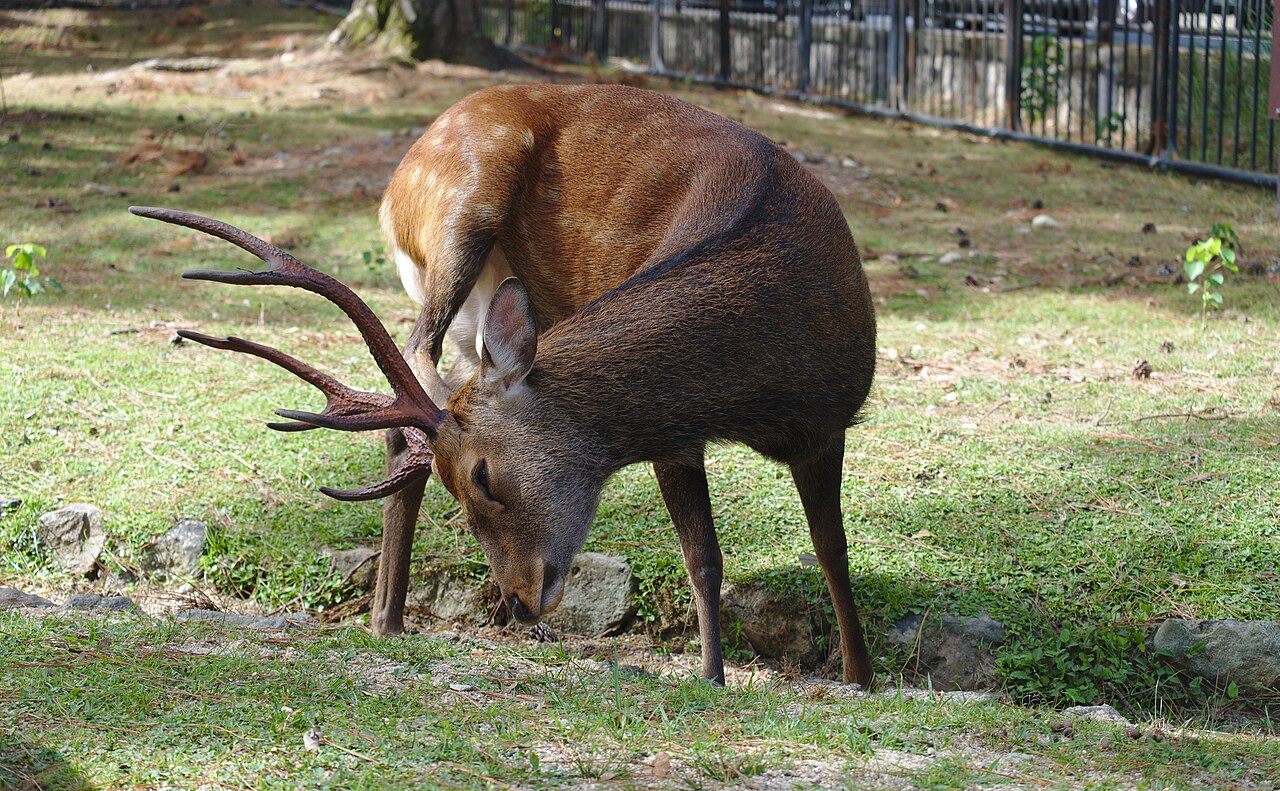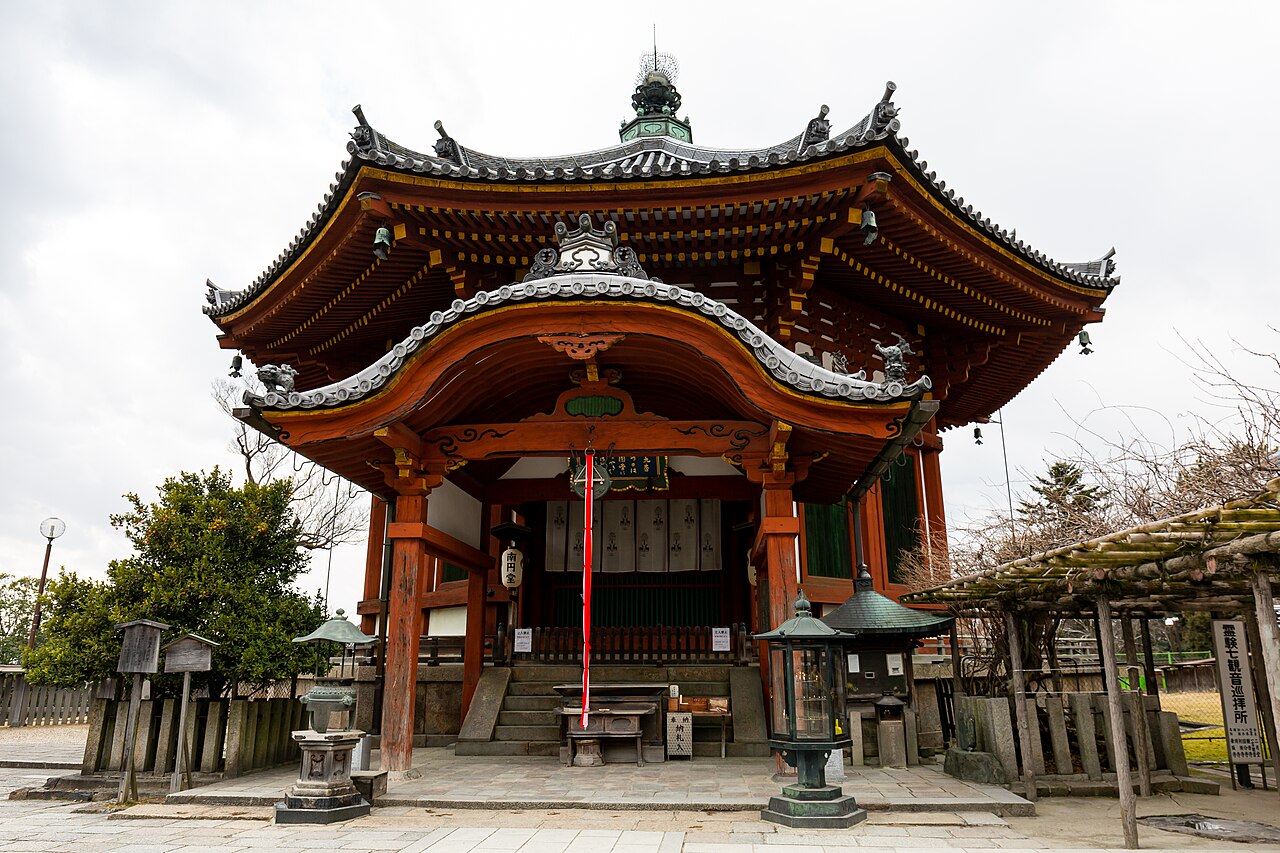
Mount Wakakusa is the smooth, grass-covered hill that rises behind Todai-ji and Nara Park, and it is one of the simplest ways to see Nara from above. It is about 340 metres high, a modest climb that most people complete in under an hour, and its three stacked rounded peaks give it the nickname Mount Mikasa, after the layered hats that they resemble. From the top the view takes in the roofs of the temples, the sprawl of the modern city, the Nara basin and, on a clear day, the hills beyond. The slopes are open meadow rather than forest, so the sky feels huge, and deer graze here in smaller numbers and in a more relaxed way than among the crackers and crowds of the park below. Wakakusa is also known for a winter ritual in which the dry grass on the hillside is set alight in the evening, with fireworks and a procession, an event that goes back many generations and is one of the best-known annual events in the city. Outside that night the hill is a quiet place for a walk, a picnic and a long look at the city.
The route up
The usual path begins near the foot of the hill on the Nara Park side, at the edge of the grounds close to Todai-ji and the Kasuga Taisha approach, and rises on a gentle grassy track with steps in places. Allow forty-five to ninety minutes up and back at an easy pace, depending on how often you stop for the view and the deer.
There is also a road and a seasonal shuttle bus to the top for those who prefer not to walk. Access to the hill is controlled by a gate that has a small fee and set opening times, and the gate can be closed in bad weather and at some times of year, so check before you go.
How the guided option works
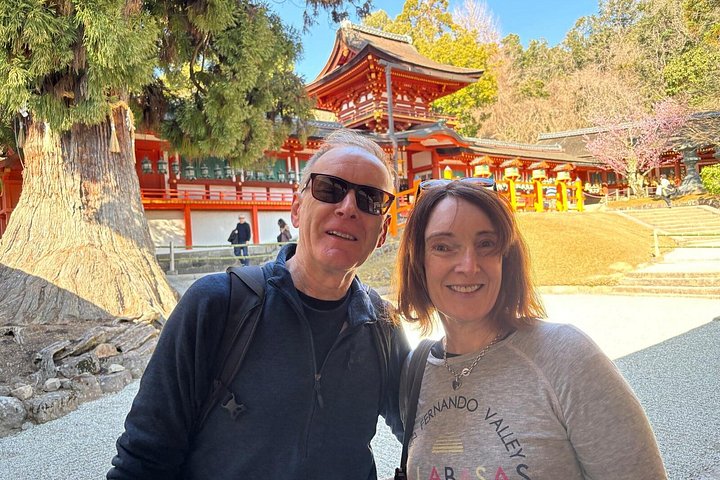
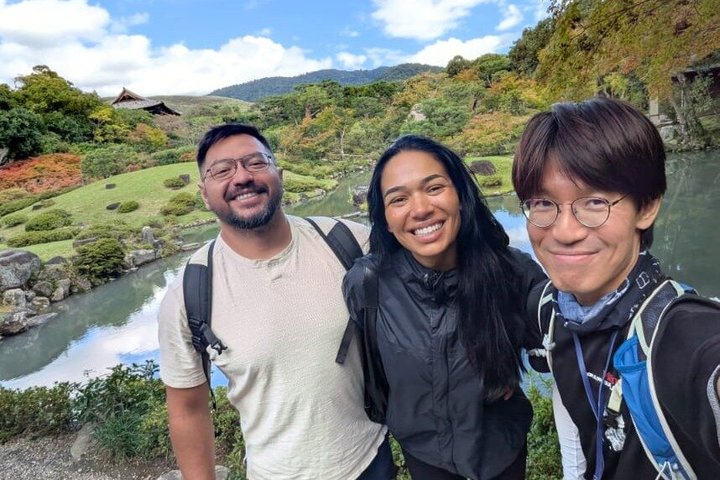
The booking link on this page is for a guided hike of the mountain that includes encounters with the wild deer along the way. It is a good choice if you want local knowledge, an easier introduction to the route and someone to explain the history of the burning ritual and the ancient tombs and legends of the surrounding hills. Check the meeting point, what is covered and the level of fitness expected before you book, and ask what the plan is in rain.
Planning the visit
The best time is a clear day, with the late afternoon light and sunset giving the strongest colours over the basin, and with autumn and spring the best seasons for comfortable walking. Wear shoes with grip, since the grass can be slippery after rain, and carry water, because there are no shops on the hill. Remember that the deer here are wild: do not carry food in the open. Combine the climb with Todai-ji below and an evening in town, and avoid the hill in strong wind, thunderstorms or after heavy rain.
A last practical note
The summit has a few benches and a small trail map but no cafe, so bring a drink and a snack in a sealed bag, and carry your rubbish back down. If the weather turns, the descent on wet grass needs care, so take it slowly and watch your footing near the steeper edges.
What to expect
The experience
A gentle hike up a grassy hill behind Nara Park to a hilltop view, either on your own or with a guide.
Best time
A clear late afternoon for sunset over the basin; autumn and spring for comfortable temperatures.
How long
Forty-five to ninety minutes up and back, plus time at the top.
Tips
Wear shoes with grip, carry water, keep food hidden from the deer and check the gate is open before you walk up.
Quick picks
- Best for
- Anyone who wants a big view of Nara for little effort.
- Families
- Fine for children who can manage a gentle slope, with plenty of space to run, though the deer should be treated with respect.
- Couples
- Sunset from the top is one of the most romantic moments Nara has to offer.
- Pair with
- Todai-ji and Nara Park at the foot of the hill.
- Time needed
- Allow one to two hours.
Good questions
How hard is the climb?+
It is an easy to moderate walk on a grassy track with some steps. Most people of average fitness finish the round trip in well under two hours.
Is there an entry fee?+
The gate has a small fee and set hours, and it can be closed in bad weather or in some seasons. Check before you go.
When is the hillside burning?+
It takes place on one evening each winter, usually in January, and draws large crowds. Check the date with the city tourism pages if you hope to see it.
Are there deer on the hill?+
Yes, smaller numbers than in the park. They are wild, so keep your distance and keep food out of sight.
Can I go up without walking?+
A road and a seasonal shuttle bus go to the summit area, so ask at the station or the visitor centre about current services.