Nara is famous for monuments, but the city is also a good place to do things with your hands. Its old streets are full of small studios and traditional houses, groups are small, and the pace is gentler than in Kyoto or Osaka. A hands-on session breaks up a run of temple visits, gives you a story to tell and often a souvenir you made yourself. This guide explains the main options, who each suits and how to fit them into a short stay.
Tea ceremony in a machiya
The most atmospheric choice is a tea ceremony in one of the narrow wooden townhouses near Naramachi. You learn the basic etiquette, whisk your own bowl of matcha and taste it with a seasonal sweet. It is quiet, short and needs no preparation, which makes it an ideal first cultural activity. It works well in the middle of the afternoon, when the temples are crowded and you want a rest. See the tea ceremony experience for details of times and group sizes.
Cooking class
If you would rather eat than sit, the udon and tempura class is the most satisfying. You knead and cut your own noodles, fry tempura and then eat the meal you made. Classes are indoors, so they suit wet days and winter evenings, and they are a practical way to learn techniques you can repeat at home. Families with older children often enjoy it most, because everybody has a job. Mention allergies when you book, since wheat, egg and seafood are central to the menu.
Kimono day
Nara is one of the most photogenic places in Japan to wear a kimono. The stone lanterns, shrine approaches and lawns of Nara Park provide a constant series of backdrops, and the deer add charm. Allow time for the fitting, walk slowly and keep sleeves out of reach of hungry animals. A kimono day suits couples, friends and families who want portraits, and it can be combined with a quiet morning walk through the park before the crowds arrive.
Craft workshops
Chopstick making is a short, absorbing session that ends with a useful souvenir. You plane and sand aged wood into a pair that fits your hand, with an instructor on hand to help. Nara Prefecture has a long woodworking tradition tied to the cedar and cypress forests of the Yoshino area, so the activity has local meaning. It is a good fit for a spare hour between sights, and it is easy to pack the result.
Sake and food
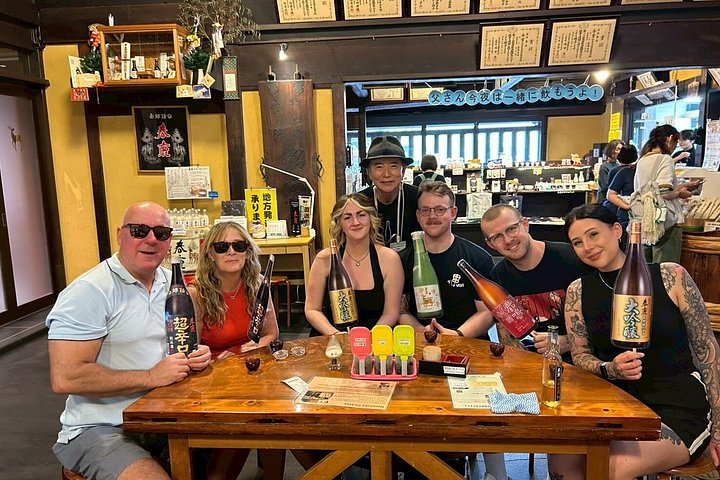
Nara is regarded as a birthplace of Japanese sake, and a tasting tour in the old town pairs naturally with the other experiences here. A guided food and bar hopping evening is the best way to taste local dishes without struggling with Japanese-only menus. These are covered in more detail in our eating and drinking guide.
How to combine them
A full day of temples can be tiring, so a good approach is to pair one big sight with one experience. For example, spend the morning at Todai-ji and Nara Park, then take a tea ceremony in the early afternoon and finish with a stroll through Naramachi. On a second day, a cooking class in the middle of the day leaves the morning and the evening free. If you have only one day, choose the activity that you cannot do at home, which for most people is the tea ceremony or the kimono day.
Timing and seasons
Spring and autumn are the busiest seasons, so book activities with limited places early. In summer, a cooking class or tea ceremony is a cool refuge from the heat. In winter, indoor sessions are a warm break and Nara is quieter, but daylight is short, so start outdoor plans early. Wet weather rarely ruins a trip here, because several of these experiences take place indoors.
Practical tips
Wear clean socks, because you will often remove your shoes. Tell the operator about allergies or mobility needs when you book, and arrive a few minutes early so the session starts on time. Bring a little cash for extras and carry a small bag so your hands are free. Be respectful in traditional houses, which are often real homes, and ask before taking photographs of the host or other guests.
Choosing the right one
For a calm cultural moment, pick the tea ceremony. For something delicious and practical, pick the cooking class. For photographs and fun, pick the kimono day. For a keepsake, pick the chopsticks. For an evening out, choose the food and bar hopping tour. Whichever you choose, the best experiences in Nara are small, personal and unhurried, which is exactly what the city does well.
Where to stay
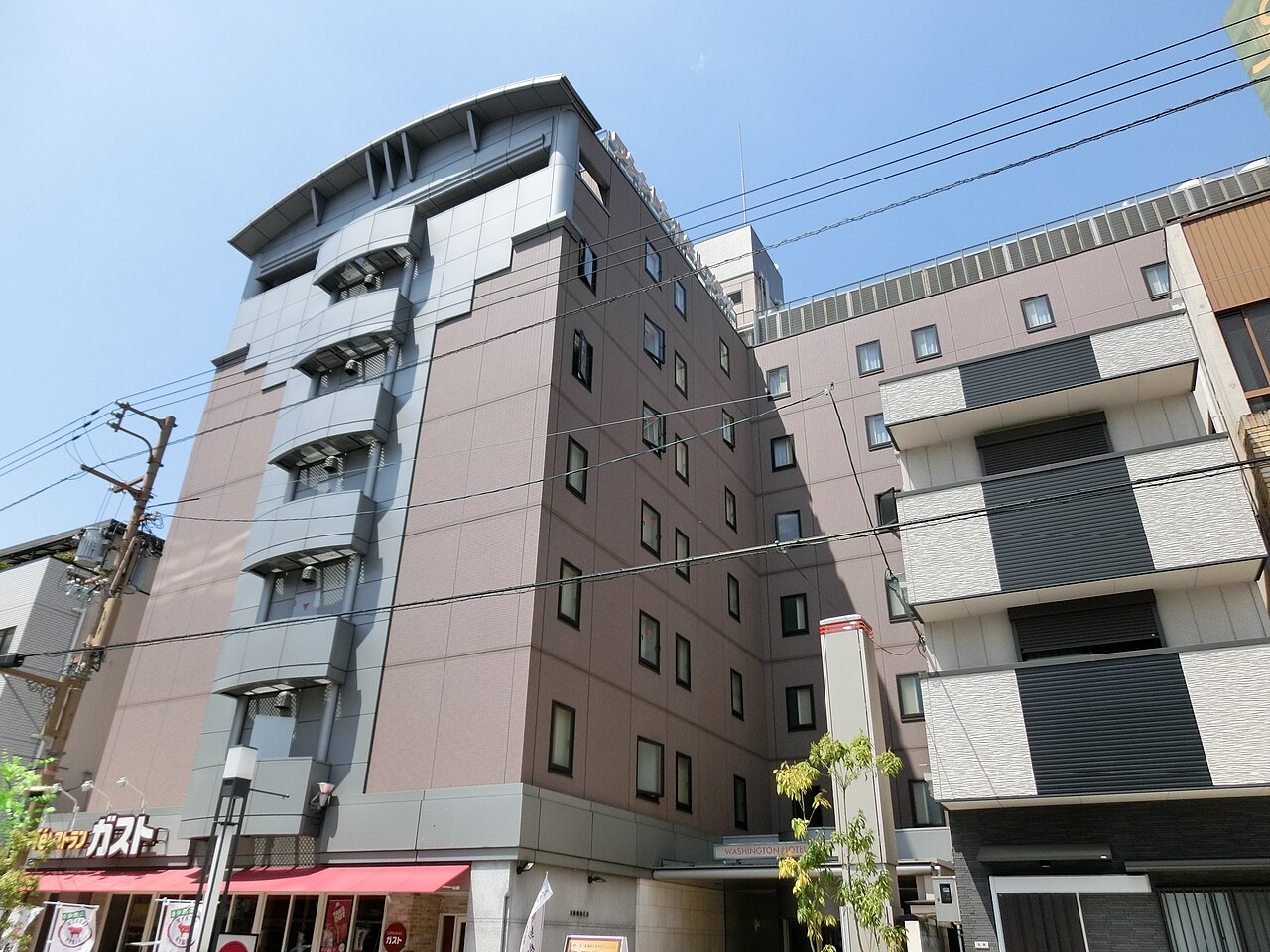
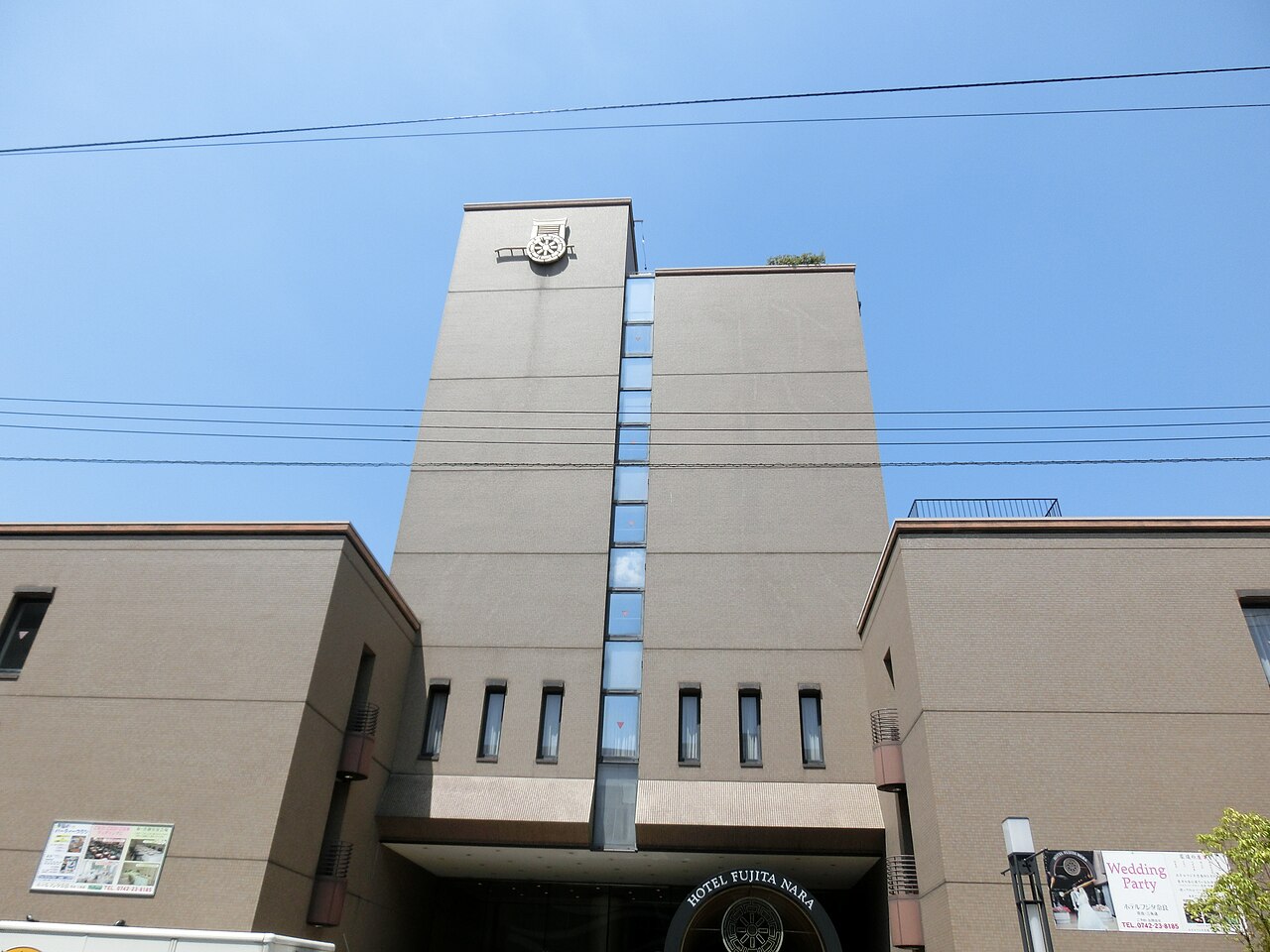
Most sessions take place near the stations and in the old town, so a hotel in the centre keeps travel to a minimum. Our where-to-stay guide compares eight hotels, from a landmark beside the park to a budget base at the station, and any of them is within easy reach of these activities.