Most visitors see Nara between ten and four, on a day trip from Kyoto or Osaka, and then leave. That is a pity, because the city feels very different once the coaches have gone. The park empties, the pagoda glows over Sarusawa Pond, small restaurants fill with locals and the deer settle on the grass. This guide explains how to spend an evening in Nara, what to eat and drink, and why an overnight stay is worth the extra night.
Why stay the night
The first reason is time. The headline sights are close together, but crowds mean you spend a lot of the day queueing or dodging groups. An overnight stay gives you the early morning, when the park is almost empty, and the evening, when you can wander without a schedule. The second reason is atmosphere. Nara was built as a capital and still has the layout of a small, calm town, and its beauty is easiest to feel when it is quiet.
A night stroll
A guided night walk through the old town is the best way to start. A local guide leads a small group through the lanes of Naramachi, past the pond and pagoda at Sarusawa and along the quiet edges of the park, with stories you would not find on a sign. Temple halls are usually closed, so the focus is on atmosphere and history rather than interiors. It is a very good first-night activity because it helps you get your bearings before a full day of sightseeing.
Dinner in the old town
Naramachi and the streets around the stations have many small restaurants. Look for local specialities such as dishes made with Nara's traditional pickles, somen noodles, persimmon-leaf sushi and rice cooked with tea. Smaller places may be open only for dinner, and some take reservations only, so ask your hotel to book. A guided food and bar hopping tour is a good option if you want to try several places without struggling with Japanese-only menus.
Sake
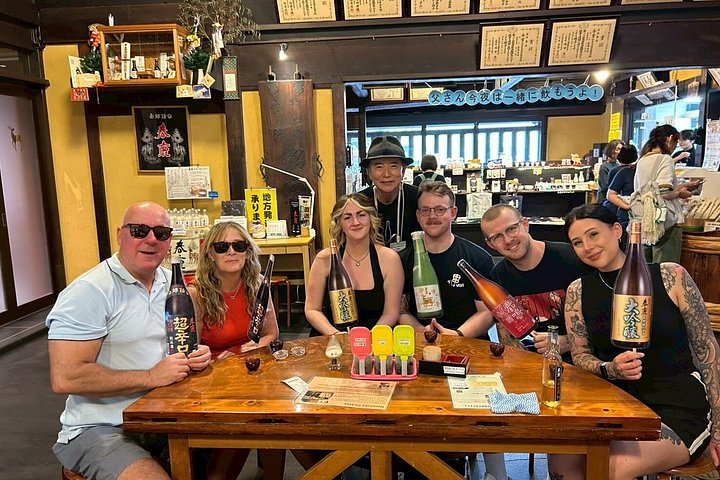
Nara has a strong claim to be a birthplace of Japanese sake, and several breweries and shops remain in the old town. A tasting tour in the late afternoon is a pleasant lead-in to the evening. If you prefer something quieter, many restaurants serve local sake by the glass, and staff are usually happy to suggest a pairing. Drink responsibly, because the lanes can be dark and uneven after dark.
Quiet things to do
Not every evening needs to be a full programme. A slow walk around Sarusawa Pond is free and beautiful, with the pagoda reflected in the water. The covered shopping streets stay open into the evening, and a visit to a bathhouse or the public bath in your hotel is a welcome treat after a day of walking. Some hotels have a bar or lounge where you can finish the night with a drink.
Safety and etiquette
Nara is calm and the central streets are well used in the evening, but paths in the park are poorly lit in places, so carry a phone light and wear sturdy shoes. Keep your voice low near homes and temples, avoid feeding deer without crackers and keep an eye on your belongings as you would anywhere. If you are walking back after drinking, take the main streets rather than the dark park paths.
Where to stay
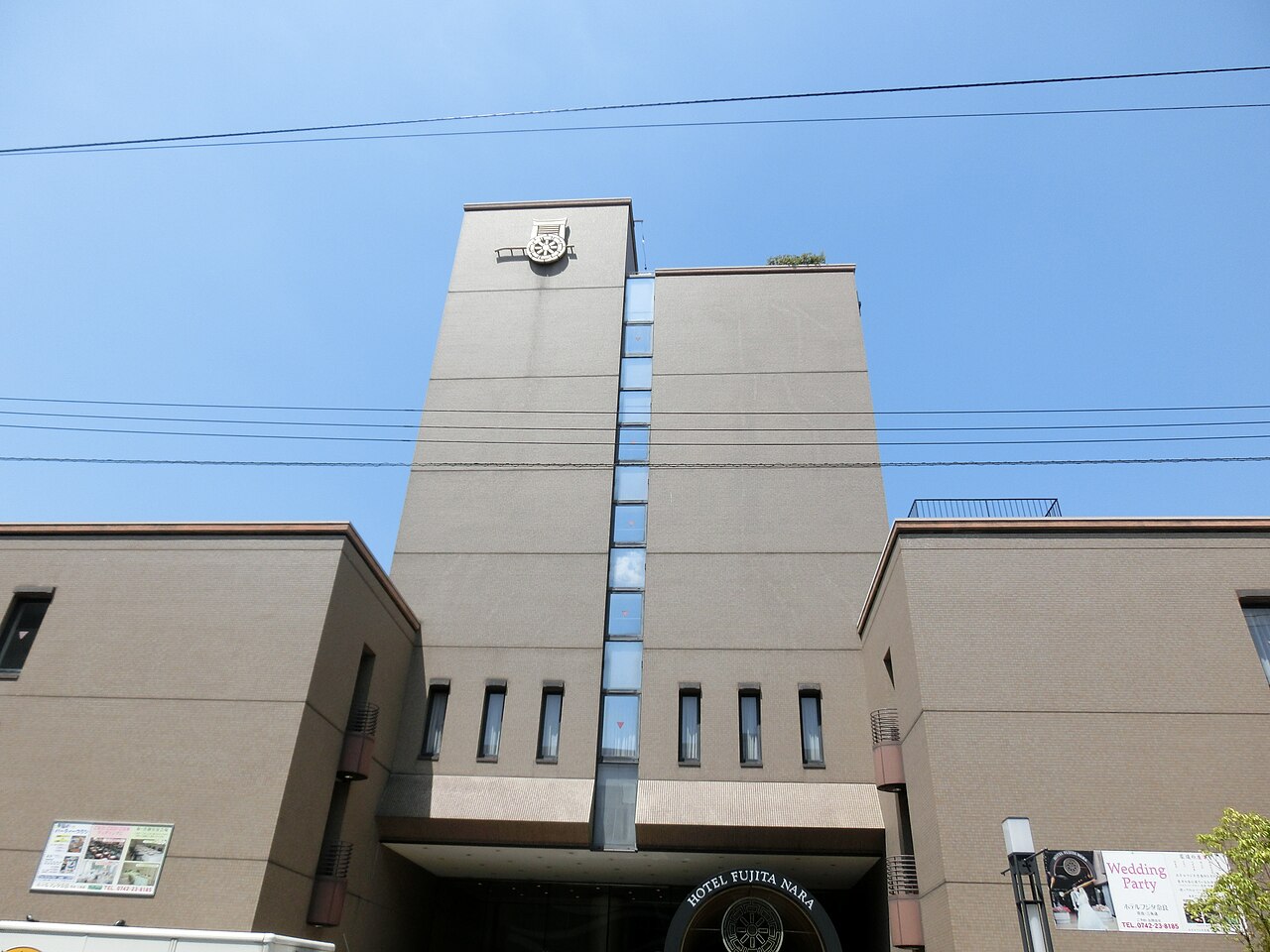
For an evening-focused trip, choose a hotel near the old town and stations so you can walk back easily. Hotel Asyl Nara and Nara Washington Hotel Plaza sit between the stations, Hotel Fujita Nara is calm and classic, and Nara Royal Hotel offers a different base in the Hokkeji district, where check the distance to the stations when you book. If you want to wake up beside the deer, Nara Hotel and Shisui are close to the park. Our where-to-stay guide compares all eight hotels.
Morning after
The reward for staying is the next morning. Be in the park by sunrise, when mist hangs over the lawns, deer are calm and the temple precincts are almost empty. Todai-ji and Kasuga Taisha are far more atmospheric without the crowds, and you will have time to add a second sight before the day trippers arrive.
A sample evening
Start with a late-afternoon sake tasting, walk through Naramachi as the lamps come on, stop at a small restaurant for dinner or join a food and bar hopping tour, and finish with a slow loop around the pond. Return to your hotel by a main street and plan an early start. It is a simple evening that shows a side of Nara most visitors never see.
Seasonal notes
Winter evenings are cold and early, so dress warmly and expect lanterns to come on by late afternoon. Summer evenings are warm and long, with good light for photographs. Spring and autumn are the most comfortable, though they are also the busiest, so book dinners and tours early.