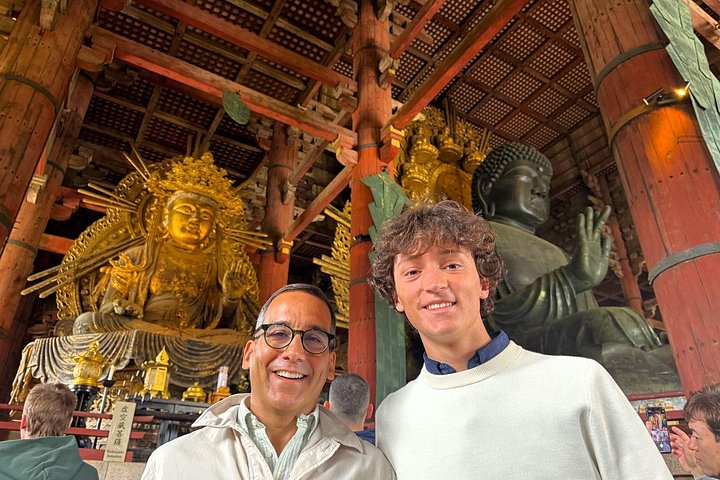
Nara was Japan's first permanent capital, in the eighth century, and it still feels like a small, green city built around a few enormous monuments. Most of them sit inside or beside one park, which makes it one of the easiest places in Japan to see well on foot. Many travellers arrive on a day trip from Kyoto or Osaka, but an overnight stay lets you see the deer at dawn and the temples without the afternoon crowds.
What to book ahead
Very little in Nara needs advance booking, but a few things help. A guided walk of Todai-ji or Kasuga Taisha gives context that signs cannot, and small-group experiences such as the sake tour or the bike tour have limited places and can sell out in autumn. If you plan a day at Horyu-ji or Mount Yoshino, book the guided options early or plan the trains carefully. Hotels near the park fill quickly for the autumn colour weeks and for spring.
What is free and what is not
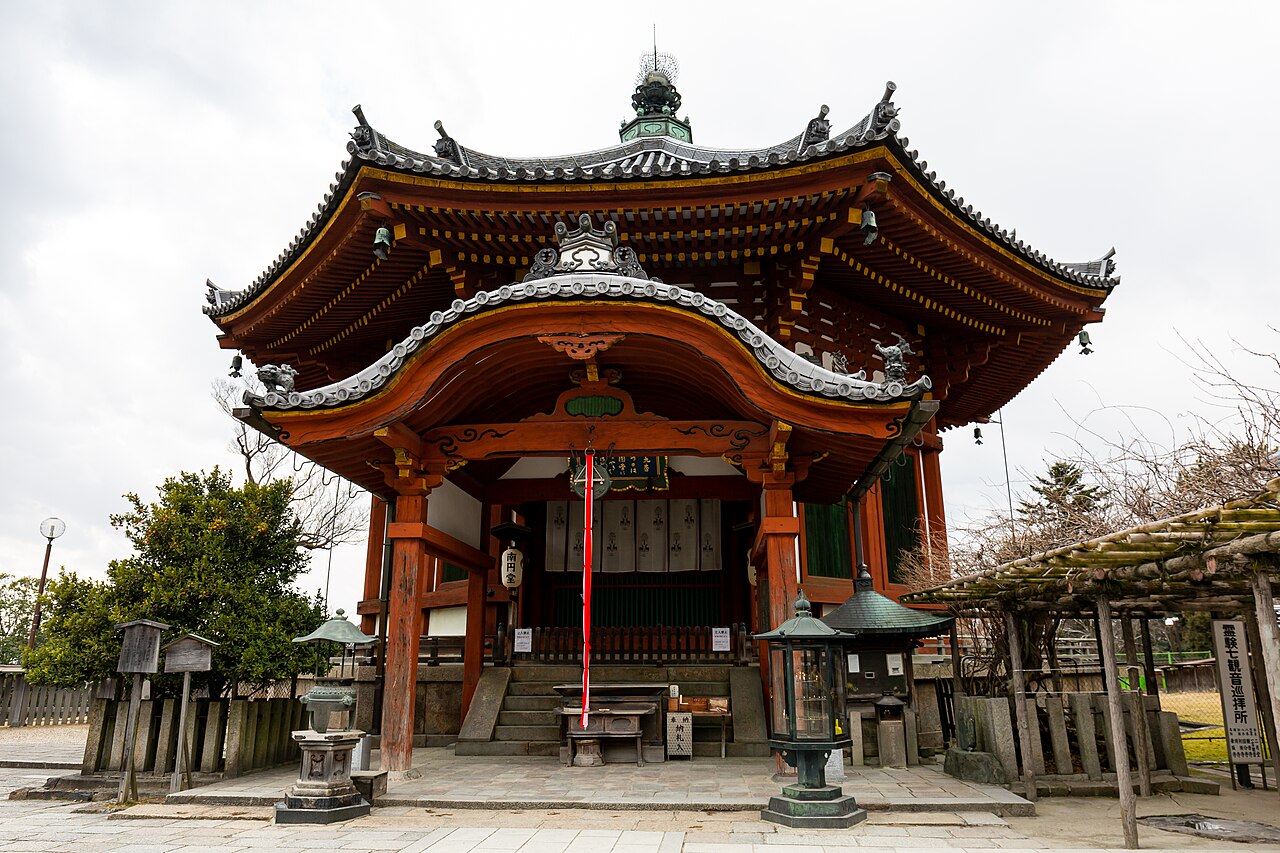
Nara Park, with its deer, is free and open every day. Naramachi, the old merchant quarter, is also free to wander. Todai-ji, Kofuku-ji and Isuien Garden charge entry to their main halls or gardens, and Kasuga Taisha charges a modest fee for the inner cloister. Many of the temples take cash only, so carry yen. Budget a few thousand yen for entry fees on a full temple day.
Getting around
The core of Nara is compact. From Kintetsu Nara Station it is a few minutes on foot to Kofuku-ji and the edge of the park, and about twenty minutes to Todai-ji. Kasuga Taisha is a further walk through the woods. The city loop buses link both stations with the park and Naramachi, and bicycles are a good option on the flat streets. A guided bike tour of three to four hours can cover the highlights if you prefer not to navigate. For Horyu-ji, take the JR line from Nara to Horyuji Station, a short ride of around a quarter of an hour. Mount Yoshino takes roughly two hours each way and is best treated as a separate day.
How many days
One long day covers the headline sights, and a good order is Kofuku-ji, the park and its deer, Todai-ji and the hillside above it, and then Kasuga Taisha or Isuien Garden in the late afternoon. Two days lets you add Naramachi, a sake tasting and a quiet morning in the park. A third day makes room for Horyu-ji in the morning or a full day on Yoshino. Because Nara is compact, there is no need to rush, and many visitors find that an evening in Naramachi is their favourite hour.
Seasons and timing
November brings red and gold maples to the park, Isuien and Kasuga Taisha, and also shorter days, so start your temple visits early. Spring has cherry blossom and fawns in the park, summer is hot and humid, and winter is cold but quiet. Autumn is also when stags are most assertive, so give large males space. Check the opening days before you go, because Isuien is closed on Tuesdays, and temple halls close in the late afternoon.
Deer and etiquette
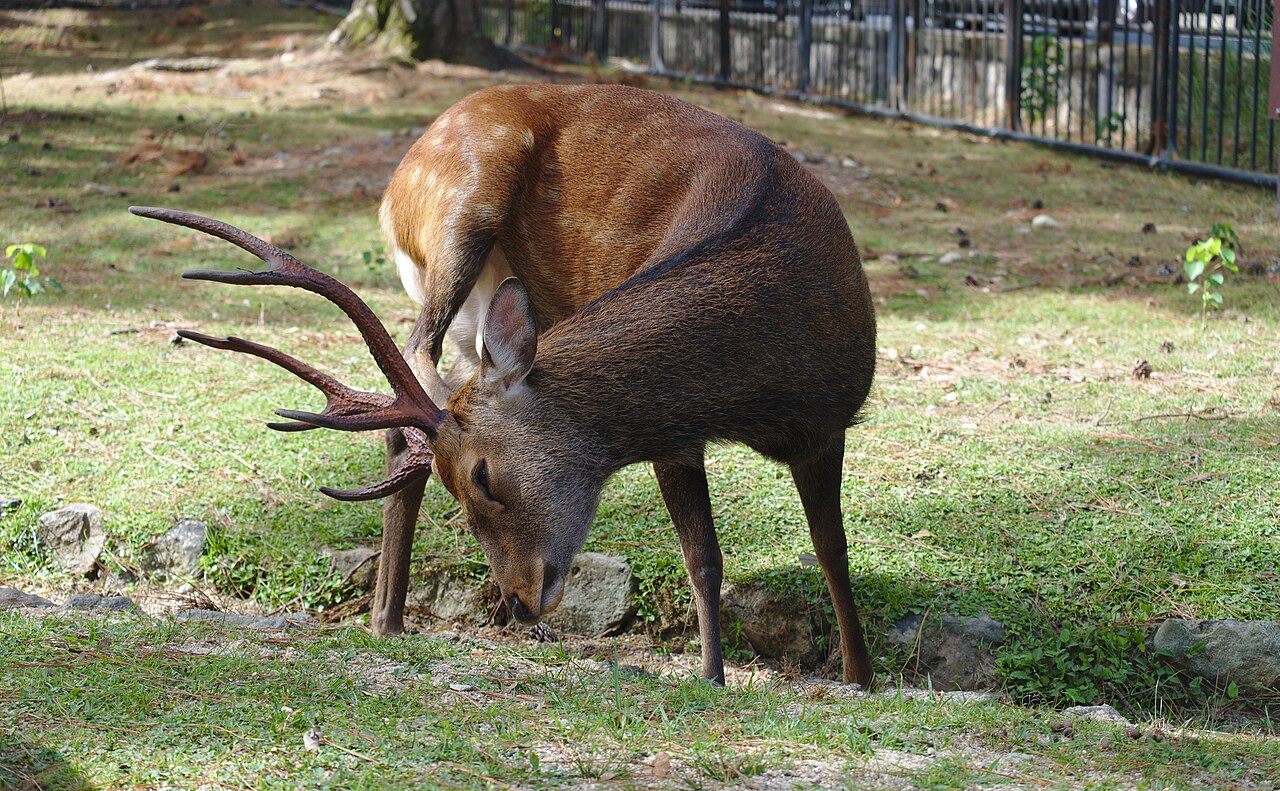
The deer are wild and protected, and you should buy only the crackers made for them, feed them one at a time and keep bags and maps out of reach. Show your empty hands when the crackers run out, and never tease them. In temples, remove your shoes where asked, keep your voice low and ask before photographing people. Carry your rubbish with you, since the park has no bins.
Where to stay
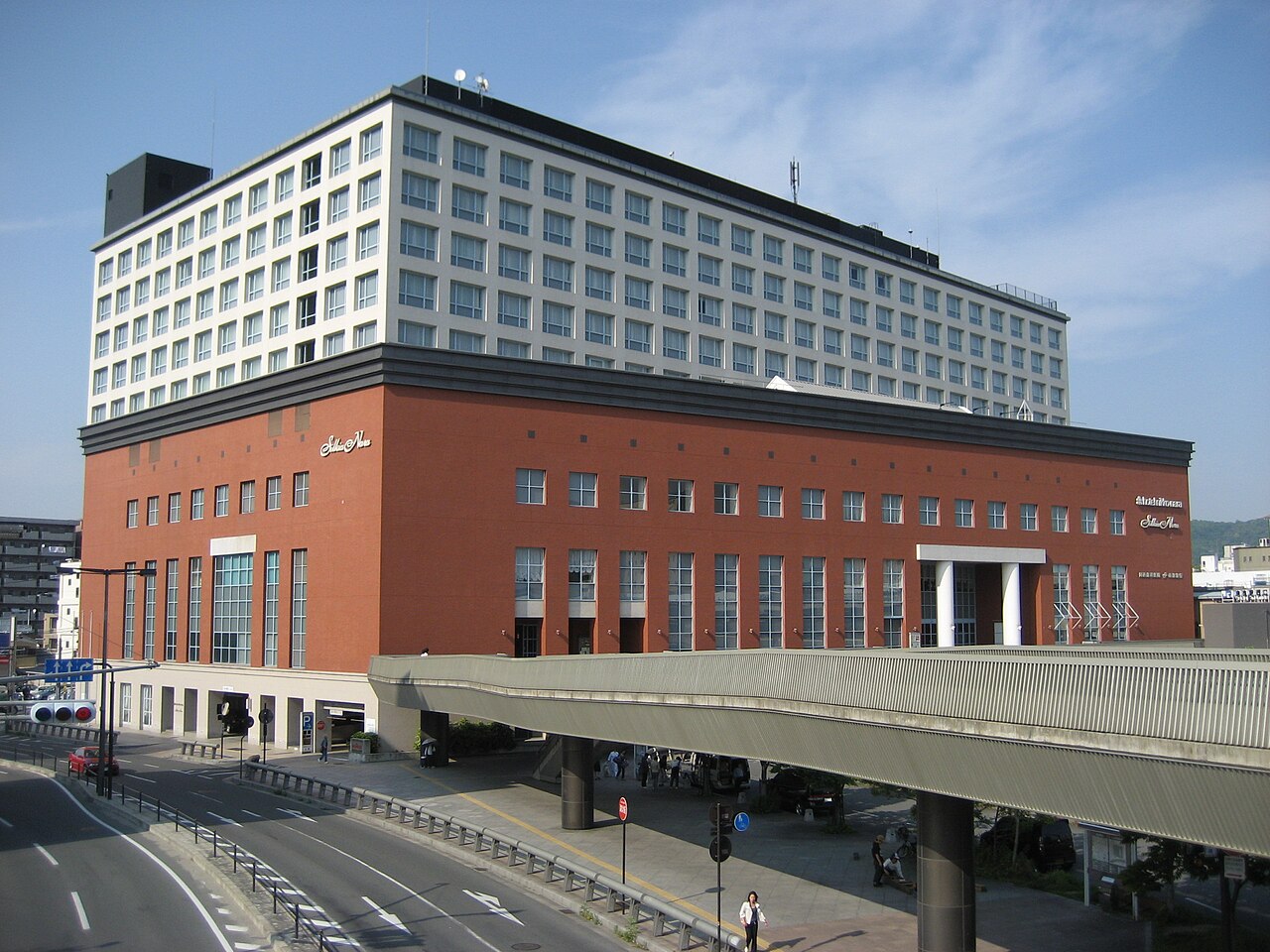
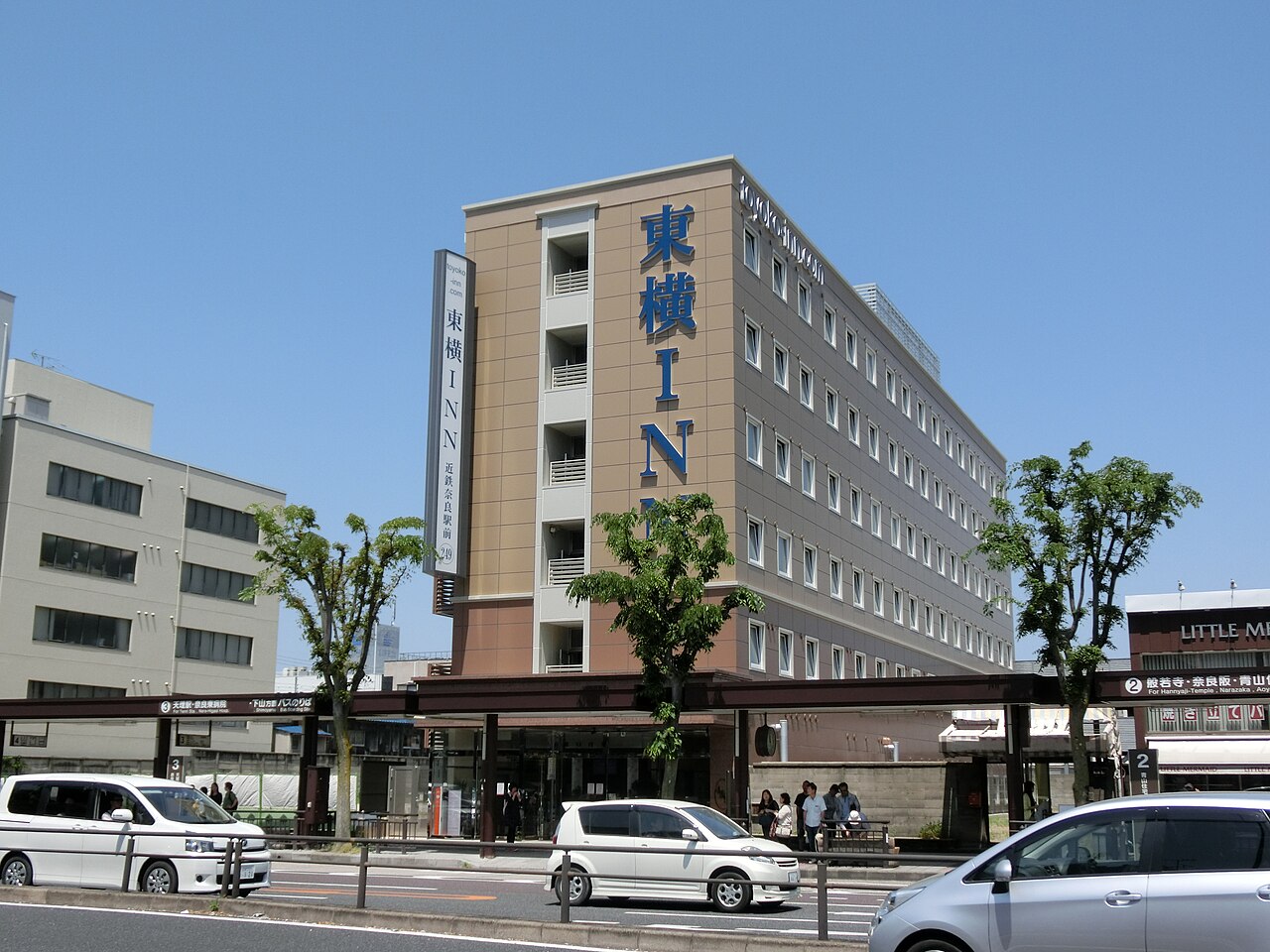
Stay near the stations for convenience, or near the park for early mornings among the deer. Our where-to-stay guide compares seven hotels, from a historic landmark and a luxury address beside the park to a budget base at the station.