Nara is not a city that people visit mainly for its food, but that is a mistake. Its cooking draws on a long temple tradition, on mountain ingredients from the surrounding hills and on a farming heartland that has fed the region for centuries. Eating well here is easy and mostly inexpensive, and a few local specialties can turn a sightseeing day into a very good one.
Persimmon-leaf sushi
Kakinoha-zushi is the dish most closely linked to Nara. Slices of lightly salted mackerel or salmon sit on small blocks of vinegared rice and are wrapped in persimmon leaves, which add a faint fragrance and help preserve the fish. It is traditionally a mountain food and is often sold in neat boxes at shops near the stations, which makes it ideal for a picnic in the park. A good version tastes clean and gently savoury rather than strongly fishy.
Pickles, tea porridge and noodles
Narazuke are vegetables, often melon or cucumber, pickled in sake lees, and they have a sweet, boozy edge that suits a bowl of rice. Chagayu, a light rice porridge cooked in tea, is an old temple breakfast dish and is found in a few traditional restaurants. Miwa somen, very thin wheat noodles made in the villages south of the city, are eaten cold in summer and in a hot broth in winter. Together they give a sense of how simple, seasonal and balanced the traditional Nara table is.
Sweets and mochi
The lanes around the park and the old town are full of small sweet shops. Mochi made with mugwort and filled with sweet bean paste is a local favourite, and at some shops the pounding is done at astonishing speed in front of customers. Kudzu, a starchy root from the hills around Yoshino, becomes translucent jelly and smooth, cool sweets, often eaten with dark syrup. In autumn, persimmons appear everywhere, and in winter and spring look for locally grown strawberries. Tea from the nearby hills makes a good partner.
Sake
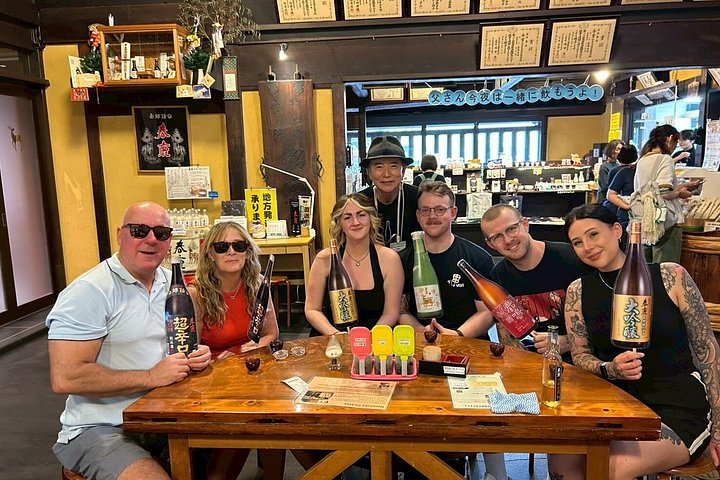
Nara has a good claim to be the birthplace of Japanese sake, with temple brewing traditions that reach back more than a thousand years. Several small breweries still operate in the area, and tasting the local styles is a pleasant way to understand the region. A small-group walk through Naramachi that visits breweries and a shop gives you a guided introduction with tastings, and it is a good choice for a relaxed afternoon. If you drink, plan the rest of your day carefully, and remember that you should not drive or cycle afterward.
Where to eat
Around the park, the cafes and restaurants are geared to day visitors, so look for the quieter side streets. The covered arcades near Kintetsu Nara Station have a wide range of casual restaurants and snack stalls, and Naramachi has small family-run places in converted merchant houses, with menus that change by season. Many places close early, so dinner is best taken before eight in the evening, and some small restaurants have a single sitting. If you want a special meal, book ahead and ask your hotel to help.
A simple food plan for two days
On a first day, sample the old-town specialties: persimmon-leaf sushi for lunch in the park, kudzu sweets in the afternoon and a seasonal set meal in Naramachi in the evening. On a second day, begin with a gentle breakfast of rice porridge or a hotel buffet, plan a sake tasting in the afternoon and finish with noodles or a hot pot in a small restaurant near your hotel. Leave space for impulse stops, since the best snacks in Nara are often found by following the queue outside a small shop.
Practical tips
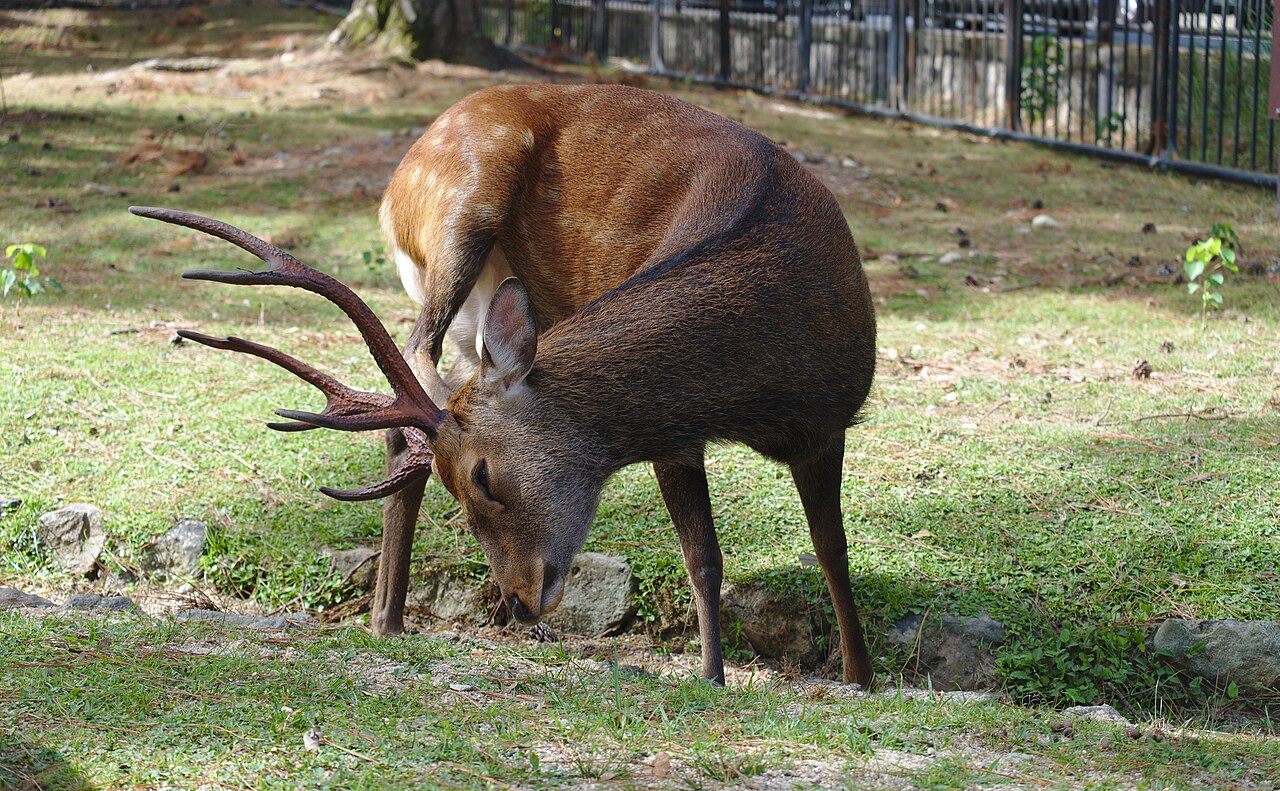
Carry cash, since smaller places often do not take cards. Learn a few polite phrases and be patient with menus that are not translated. Vegetarian and vegan travellers can find temple-style meals, but fish stock is common even in vegetable dishes, so ask clearly. Keep food out of sight in the park, as the deer will follow you, and eat in a designated spot rather than while walking among the animals. Drink plenty of water in summer.
Combining food with sights
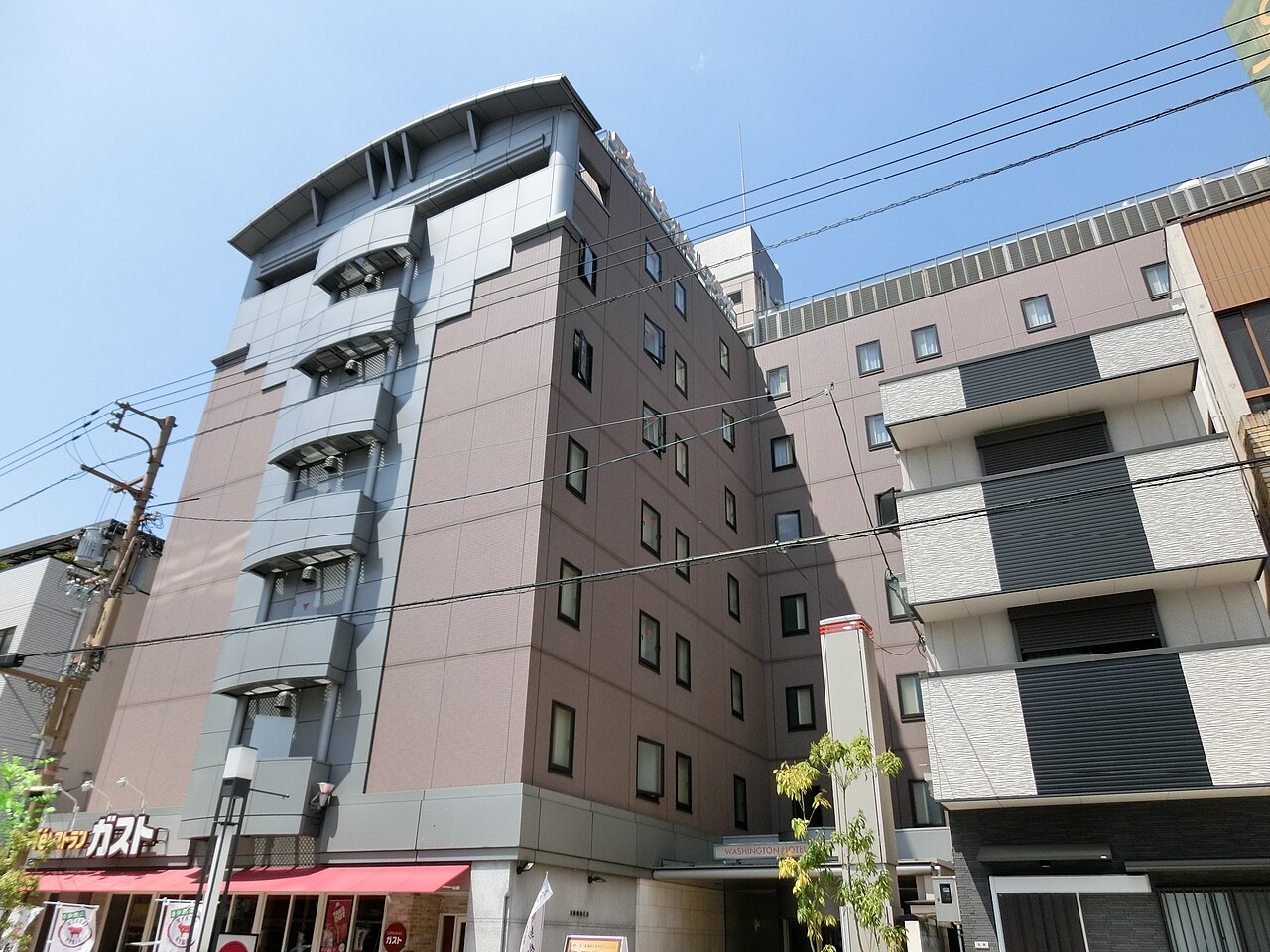
A good day might begin with a quick breakfast of rice porridge, move through the park and temples with a picnic box of persimmon-leaf sushi, take a late afternoon break for kudzu sweets and finish with sake and a quiet dinner in Naramachi. If you want a hotel with good breakfast options, several in the city include them, and a number of cheaper places include a free buffet.