Nara city could keep you busy for days, but the surrounding prefecture holds some of Japan's oldest and most beautiful temples and landscapes, and most of them are within reach of a day's round trip by train. This guide covers the best of them and how to decide between them.
Horyu-ji: the oldest wooden buildings
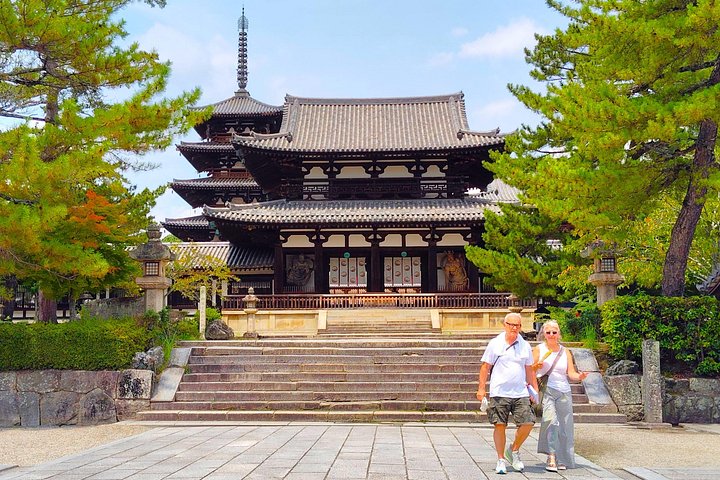
Horyu-ji is the closest and easiest day trip, a short train ride from Nara on the JR line, with a walk or bus from the station. Its Western Precinct holds a covered cloister, a golden hall and a five-storey pagoda that date from around the seventh century and are among the oldest wooden buildings in the world. The Eastern Precinct holds the octagonal Yumedono, and the treasure hall has remarkable sculptures. Allow half a day. It combines well with Yakushi-ji and Toshodai-ji if you want a western-Nara temple day.
Asuka: tombs, stones and cycling
The Asuka valley, south of the city, was home to Japan's early courts, and its scattered monuments include the Ishibutai tomb, the carved stone figures and the oldest large Buddha statue in the country. The best way to see them is by bicycle, with a rental near the station. Allow a full day and go in spring or autumn. A guided tour is a good idea, since most sites are grassy mounds that need explanation.
Hase-dera: the covered stairway
Hase-dera, in the hills of Sakurai, is a temple of long stairways, flower terraces and a giant wooden Kannon. Peonies, hydrangeas and maples make it a favourite in three seasons, and the veranda view over the valley is lovely. Reach it by the Kintetsu Osaka Line to Hasedera Station and walk through the old town. Allow half a day, and go on a weekday.
Muro-ji: the hidden forest temple
Further east, Muro-ji is tucked into a cedar valley and holds a tiny five-storey pagoda and a long stone stairway. It is a remote and atmospheric place, reached by train and a local bus, so check the timetables carefully. It is best in late spring, when rhododendrons bloom, and in misty autumn. Combine it with Hase-dera only if you start early.
Hozan-ji: a cable car and a lively temple
Hozan-ji on Mount Ikoma is the easiest of the group, reached on the Kintetsu Nara Line, with a vintage cable car and views over the plain. It is lively, devotional and best in the late afternoon. It suits a short outing or an evening.
Mount Yoshino: the cherry mountain
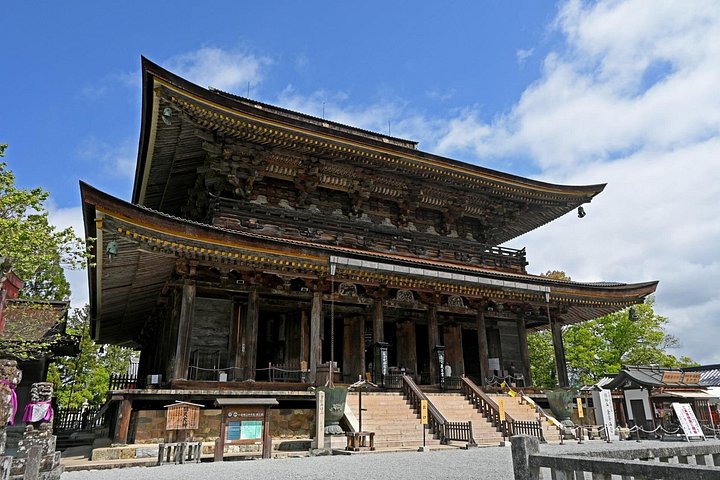
Yoshino is the longest trip and is best treated as a full day, with about two hours each way. It is famous for tens of thousands of cherry trees that bloom up the slopes in stages, and for the Kinpusen-ji temple and its pilgrimage history. Even outside the blossom season, the ridge walks and the village lanes make a rewarding day. Check the transport carefully, as services can be sparse.
Practical tips for all day trips
Start early, because temples close in the late afternoon and rural bus services thin out after the middle of the day. Carry cash for entry fees, bus fares and snacks, since small stations and villages often do not take cards. Wear comfortable shoes for stairs and gravel, bring water and a light rain layer, and keep your hotel's name written in Japanese in case you need to ask for help with a taxi. Luggage lockers are available at larger stations, so consider leaving your bags and travelling light. If a trip involves a bus connection, photograph the timetable at the stop, so you know the last service back to the station.
How to choose and combine
If you have one day, choose Horyu-ji with a stop at Yakushi-ji and Toshodai-ji for temples, or Asuka for countryside. If you love gardens and flowers, pick Hase-dera in the right season. For solitude, choose Muro-ji. For views, choose Yoshino in blossom or Hozan-ji at dusk. Trains are punctual but infrequent in the countryside, so check the last return service before you set out, carry cash and keep a small umbrella.
Where to base yourself
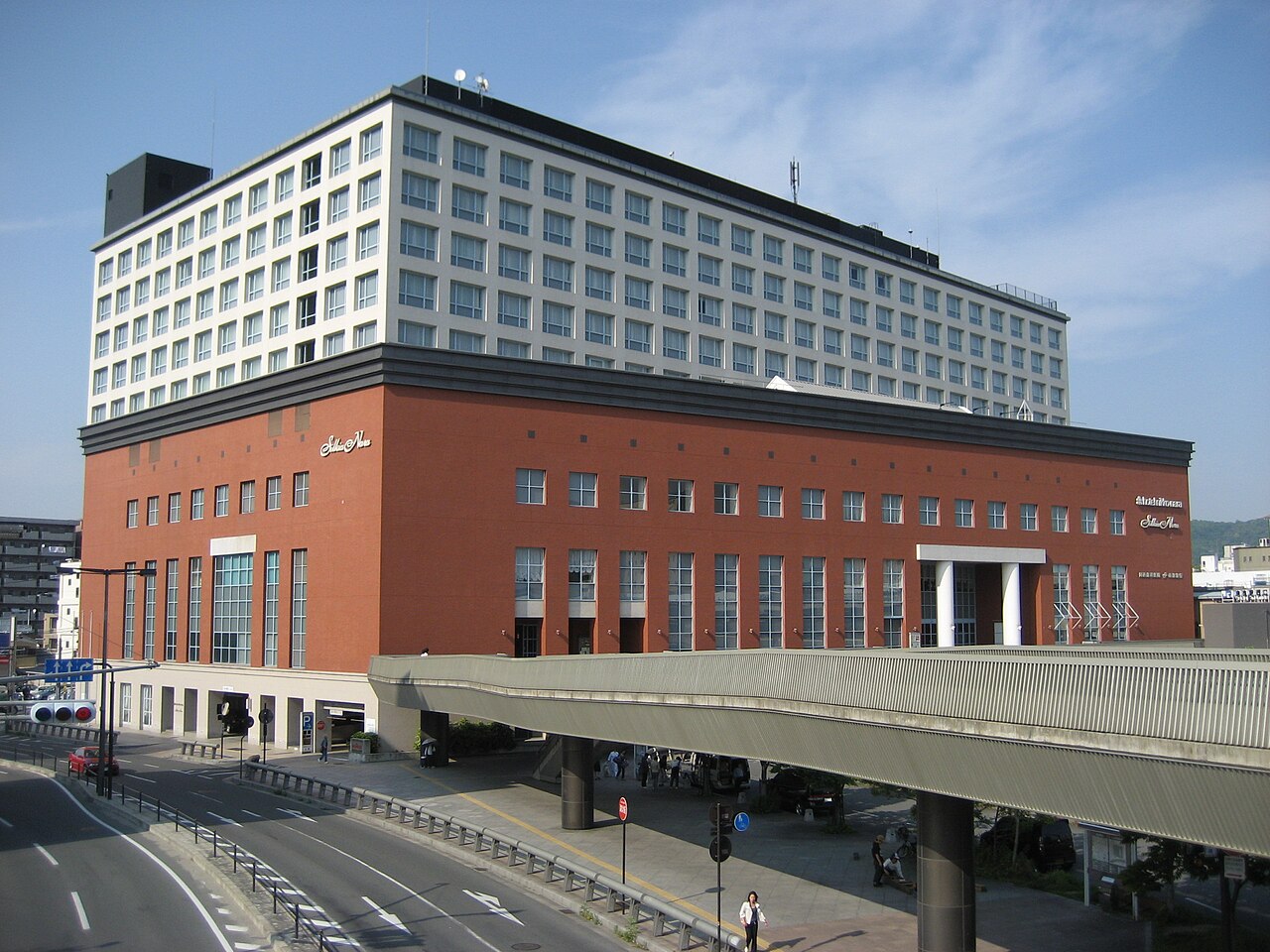
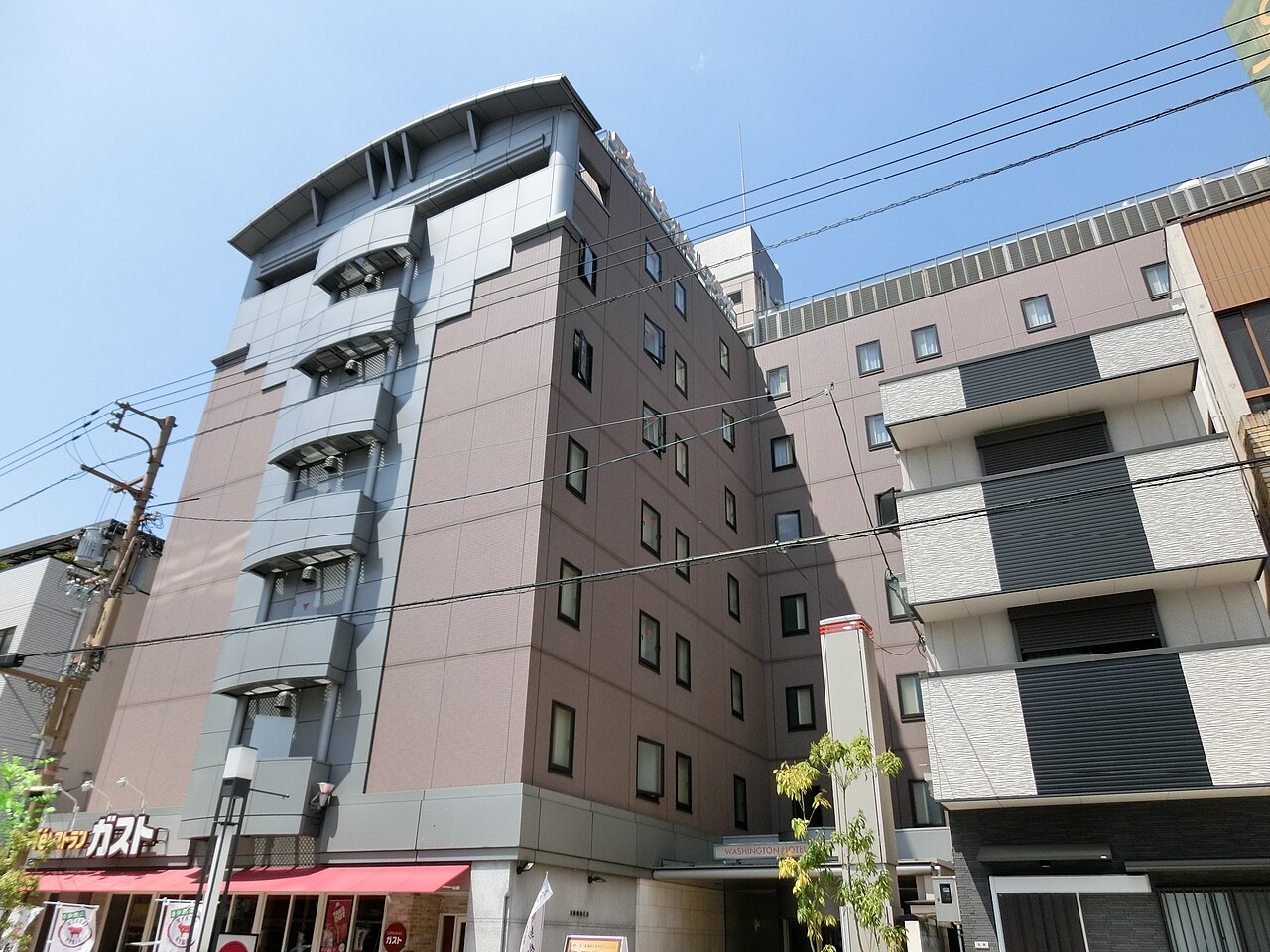
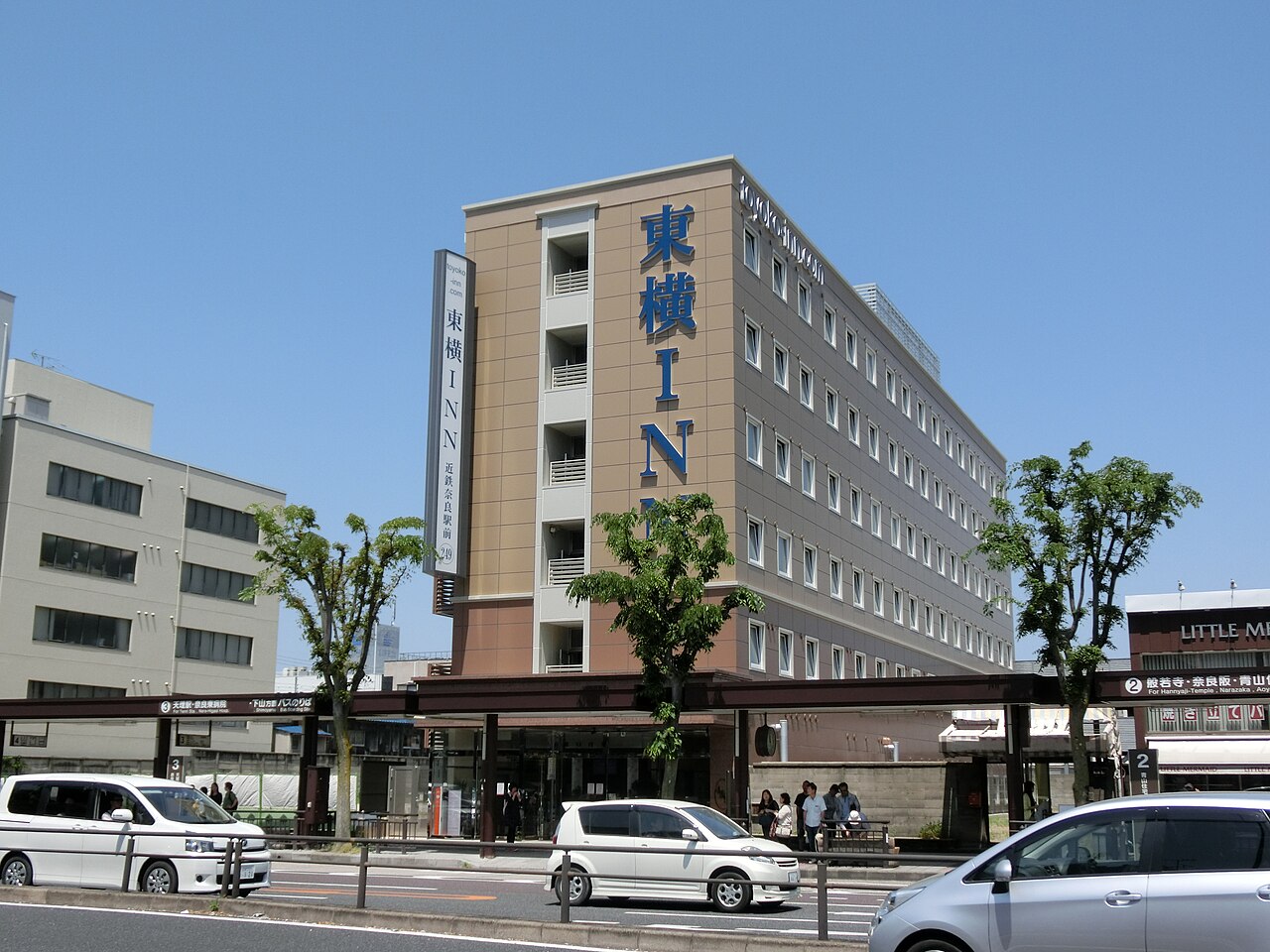
A hotel near the station makes early departures easy and late returns safe, and many day trips begin at the JR or Kintetsu station. Staying in the city for several nights, rather than moving, is simpler and lets you leave your bags in one place. Our where-to-stay guide compares the options near both stations.