Nara is a year-round destination, and every season has something to offer, but the character of the visit changes a great deal depending on when you come. This guide explains what to expect and how to plan around the weather, the crowds and the annual events that shape the city's calendar.
Spring
Early spring brings cold mornings and the first plum blossom, and by late March and early April the cherry trees open in the park and on the temple grounds. Blossom timing varies from year to year, so keep your plans flexible. The famous cherry slopes of Mount Yoshino bloom in stages from the lower slopes to the upper ones, which can stretch the season over a couple of weeks. Spring is also when the fawns are born, usually from May to early summer, and deer in the park become more protective of their young, so give mothers extra space. Temperatures are comfortable for walking, but crowds peak around the blossom weeks and holiday periods, so book hotels early.
Summer
Summer is hot and humid, with a rainy season in early summer and strong heat from July to August. The park is shady, which helps, but midday walking can be draining, so start early and take breaks in cool temple halls. Summer is also the season for hydrangeas at some temples and for lantern events, when the paths of Kasuga Taisha and the park are lit in the evening. If you plan to visit, carry water, wear sun protection and consider an evening sake tasting rather than a long afternoon walk. Hotels are easier to book, and prices are often lower.
Autumn
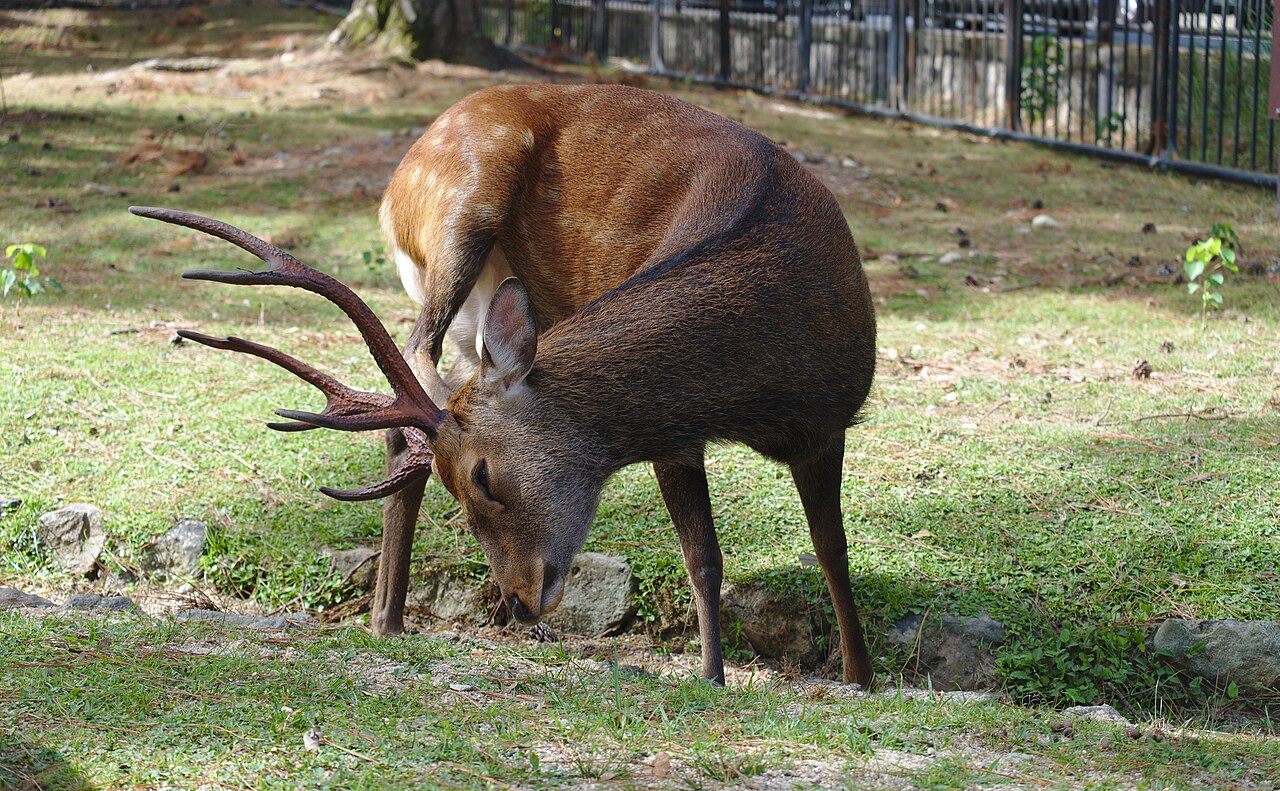
Many people consider autumn the best season. The air is clear and cool, and the maples in the park, Isuien Garden and the Kasuga Taisha woods turn red and gold from about the middle of November. It is also the rutting season for the deer, when stags become assertive, and a traditional antler-cutting ceremony is held to keep visitors safe. Days are shorter, so start your temple visits early, and book hotels well ahead, since this is the busiest time of year. Special autumn exhibitions in the museums add to the appeal for those who like art and history.
Winter
Winter is cold and quiet, with the lowest crowds, the clearest views and some of the best light for photographs. It is also the time of some of Nara's most atmospheric traditions: a hillside burning on Mount Wakakusa takes place on a winter evening, lantern festivals light up Kasuga Taisha in early February, and a fire ritual at Todai-ji's Nigatsu-do hall in early March draws crowds who come to watch the torches. Dress in layers, because temple halls are unheated, and check opening hours, which are shorter in the dark months.
The deer calendar
Deer are in the park all year, but their behaviour changes with the season. Fawns arrive in early summer, stags are most active in autumn, and the crackers sold in the park are available all year. Whatever the time of year, feed them one cracker at a time, keep paper and maps out of reach and show your empty hands when the crackers are gone.
Rain and the shoulder months
Do not be put off by a rainy forecast. Temple roofs, stone lanterns and wet moss look beautiful in soft rain, the deer are calmer and the crowds are thin. Pack a light waterproof layer, shoes that grip on stone and a small towel for the bench by the pond, and keep a morning in reserve for a museum or a long lunch if the weather turns heavy. The months just outside the blossom and colour peaks, such as late spring and early December, often give the best balance of weather, price and calm.
Crowds and timing
The busiest times are the cherry blossom weeks, the autumn colour weeks and the national holiday periods, and the quietest are the weekdays in winter and midsummer. On any day, early morning and late afternoon are calmer than midday, and the main temples are far more atmospheric when the tour groups have not yet arrived. Weekdays are always better than weekends, and an overnight stay lets you see the park at dawn and dusk.
Our recommendation
For colour and comfort, choose the middle of November or early April, and accept that you will share the park. For quiet, choose late winter, with an eye on the festival nights. For a mix of good weather and fewer crowds, aim for the shoulder weeks just before or after the peak. Whenever you come, book your hotel early and keep a day free for weather.