Nara rewards a slow pace. Most visitors rush through it in a few hours, but three days lets you see the headline monuments, wander the old town, taste local food and escape to one of the quiet temples in the surrounding hills. This itinerary keeps the walking manageable and leaves room for rest, since the park is large and the distances add up.
Day one: the park and the great temples
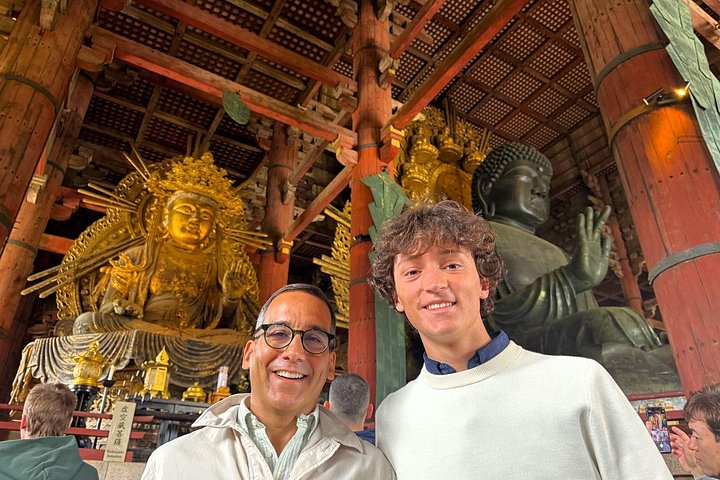
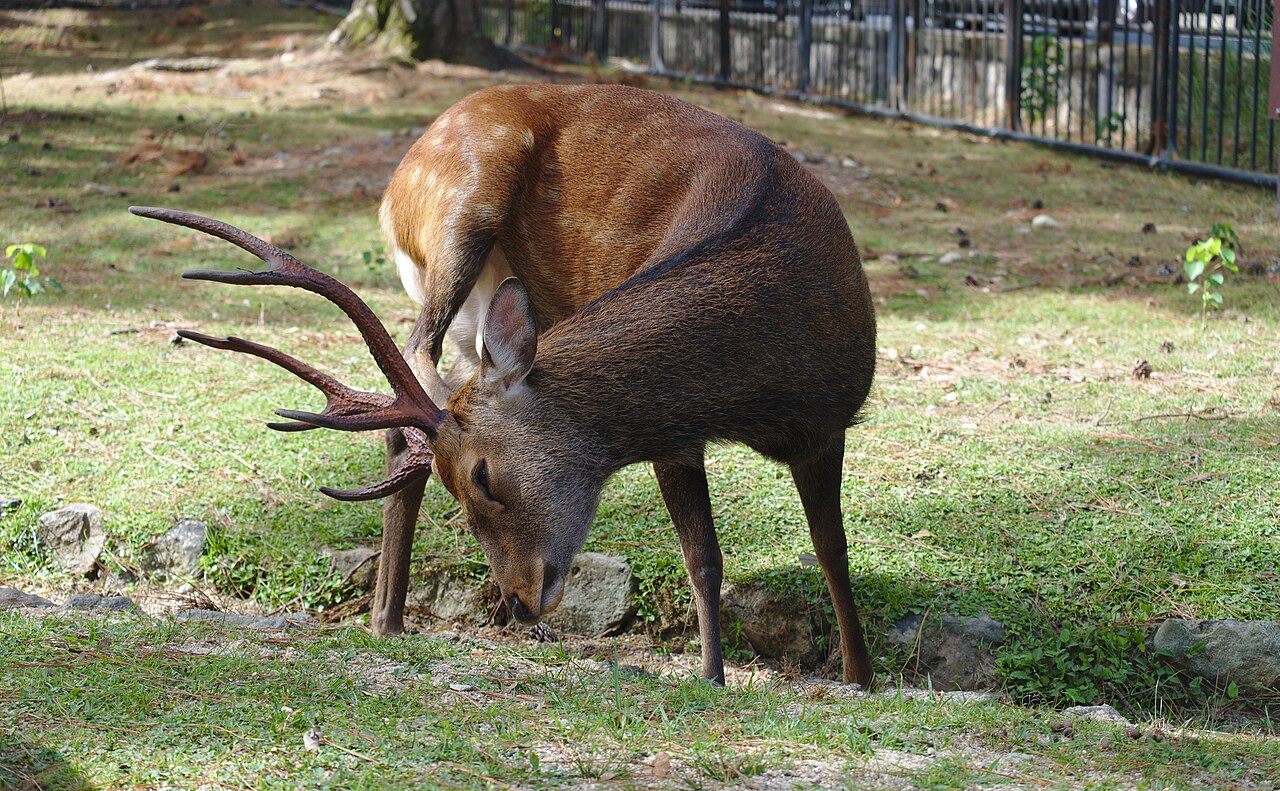
Start early in Nara Park, when the mist is still on the lawns and the deer are calm. Walk from Kintetsu Nara Station past Sarusawa Pond and its view of the Kofuku-ji pagoda, then climb into the Kofuku-ji precinct to see the treasure hall and the golden halls. From there, follow the shaded paths toward Todai-ji for the Great Buddha at about midday, then climb to the hillside halls for the view back over the roofs. In the afternoon, continue through the lantern-lined woods to Kasuga Taisha, and finish with a late walk back through the park as the light turns gold. Dinner in the old town closes a full but gentle day.
Day two: western temples and the old town
Take a short train ride west to Nishinokyo Station for Yakushi-ji and its famous East Pagoda, then walk to Toshodai-ji, the hall of the monk Ganjin. Both are calm, spacious and mostly free of crowds. If you have energy, add the Heijo Palace Site, whose reconstructed red gate and audience hall give a picture of Nara as an imperial capital. Return to the centre for a late lunch, then spend the afternoon in Naramachi, the old merchant quarter, with its lattice-fronted houses, small museums, craft shops and cafes. In the evening, join a sake tasting walk or simply enjoy a quiet dinner in one of the small restaurants that open after the day visitors leave.
Day three: choose a mountain or the countryside
The third day depends on your taste. For a big view and an easy walk, climb Mount Wakakusa behind Todai-ji in the morning, then spend the afternoon in Isuien Garden, where the borrowed scenery of Todai-ji's roofs and the hills makes a perfect finish. For history in a rural setting, take the train to Horyu-ji, whose wooden halls date from around 607, and then continue to the Asuka valley, where bicycles are the best way to see the ancient tombs and the oldest Buddha statue. For temples in the hills, Hase-dera and Muro-ji are both rewarding half days, though they need careful planning around trains and buses. If you love spectacular views at dusk, Mount Yoshino is a longer day trip with a different character, and it is at its best in the cherry season.
What to book ahead
Very little in Nara needs advance booking, but small-group experiences such as the sake tour and the bike tour have limited places and can sell out in autumn, and guided visits to Todai-ji or Kasuga Taisha add depth. Hotels near the park are the first to fill for the autumn colour weeks and for spring. If you want a particular room, a quiet street or an early check-in, book well ahead.
Getting around
The centre is compact, and on days one and two you can walk almost everywhere. The city loop buses link the stations with the park and some of the outer sights, and bicycles are good on the flat streets. For the outer temples, trains on the Kintetsu and JR lines do most of the work, but timetables are less frequent in the countryside, so check the last return service before you leave. Carry cash, because many temples and small cafes do not take cards.
Pacing and weather
Nara can be hot and humid in summer, cold in winter and wet in the rainy season, so build in indoor stops such as the treasure halls and the museums. A long lunch in the old town breaks up the day, and a sit-down tea in a garden can recharge you. If rain sets in, move the outdoor stops to another day and spend a morning among the covered arcades and temple halls instead.
Where to stay
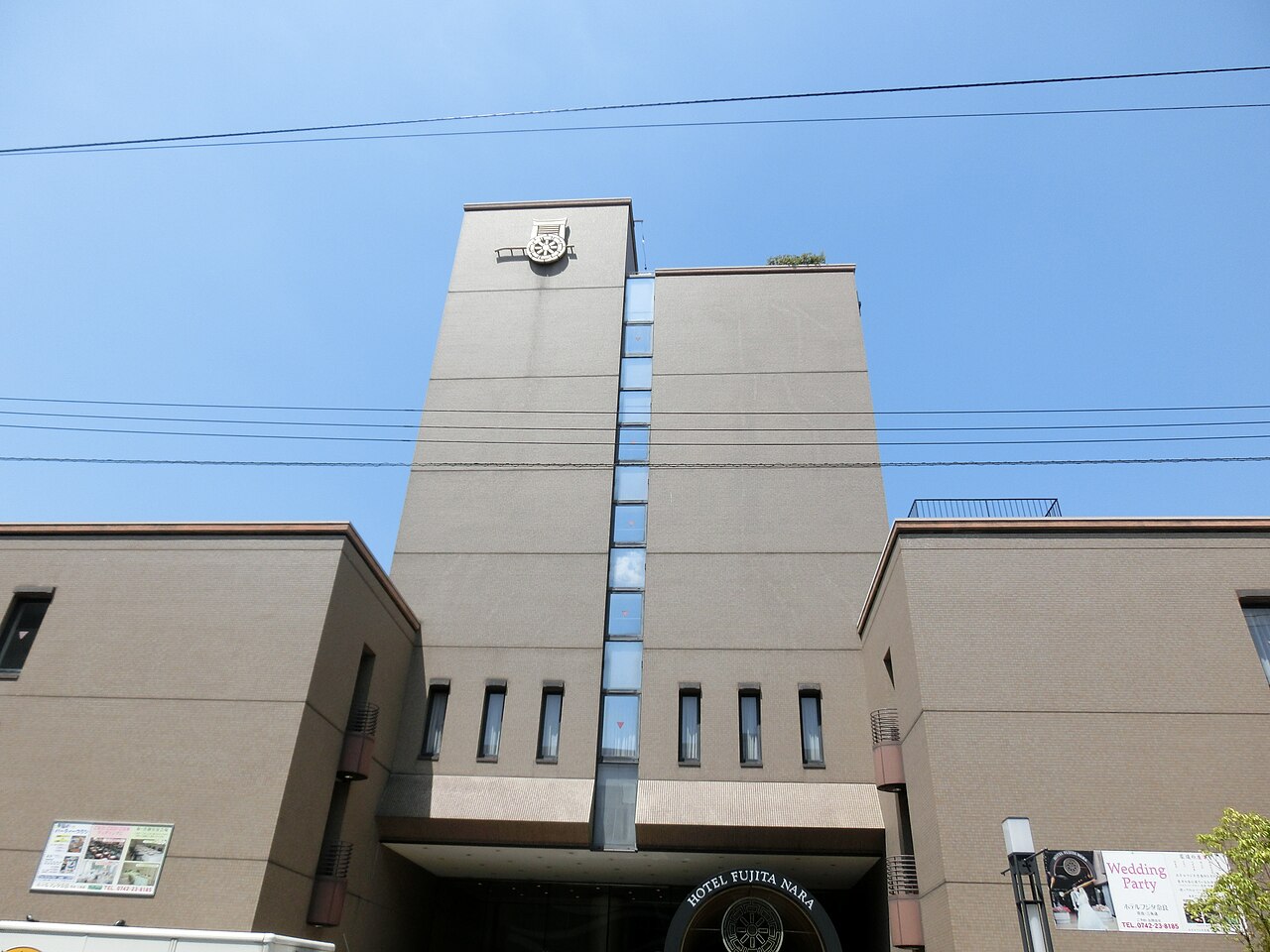
For three nights, choose a base that suits your style. A hotel beside the park makes early mornings among the deer effortless, a station hotel makes the day trips simple and the old-town hotels put dinner and Naramachi on your doorstep. Our where-to-stay guide compares the options, from a historic landmark and a luxury address on the park's edge to a budget base at the station.