A trip to Nikko can hinge on the weather. The mountains hold cloud and rain, and on a wet day the viewpoints over Lake Chuzenji or the Senjogahara marsh can disappear. The good news is that Nikko is also one of the best places in Japan to spend a wet or cold day well. Its culture is strong, its indoor options are rich, and the shrines themselves are often more atmospheric in rain. This guide gathers the slower, hands-on and indoor ideas into one plan, so a grey forecast becomes a reason to try something different rather than a problem.
Start with the shrines in the rain
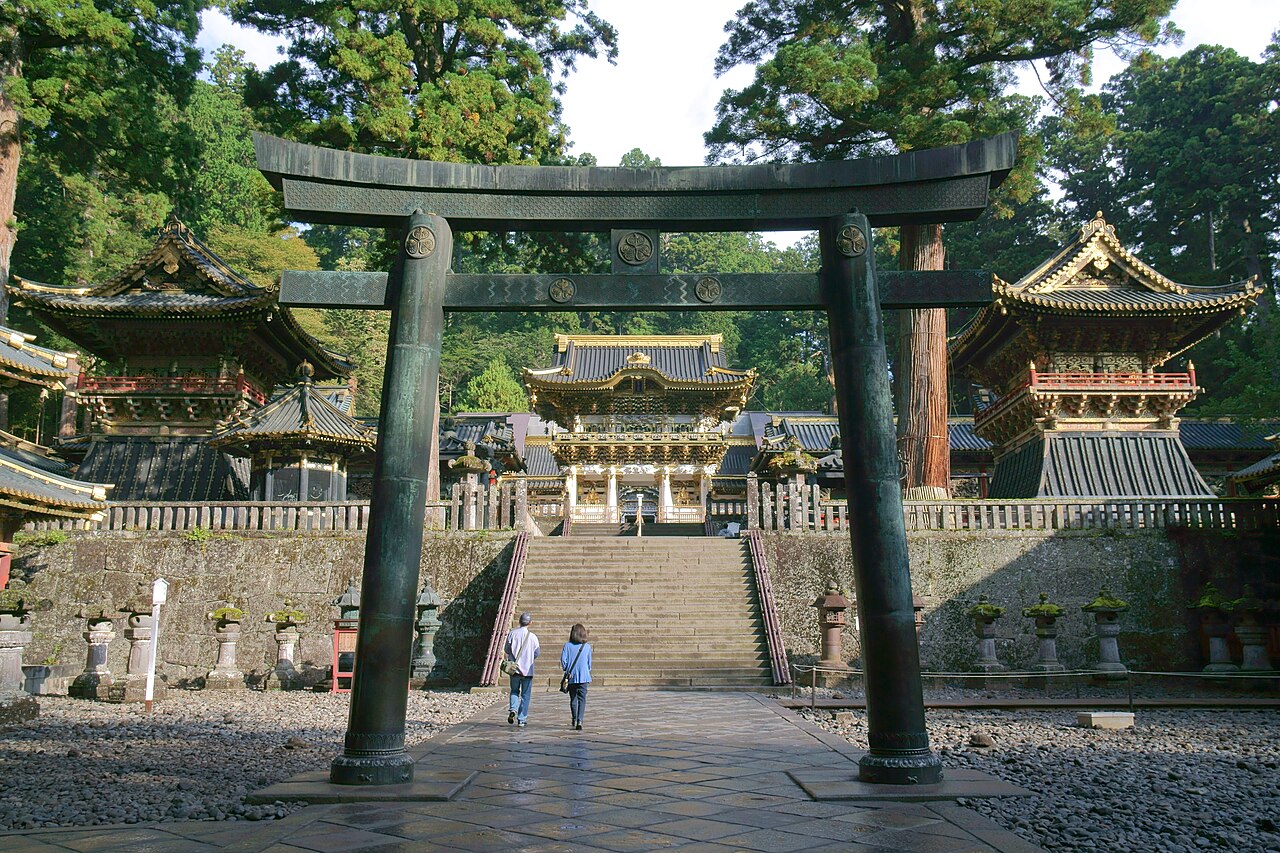
It is a common surprise that the shrine district looks its best in wet weather. Cedar trunks darken, stone steps glisten, the lacquer and gold of Toshogu deepen in colour, and the crowds thin. Rinnoji's Sanbutsudo hall and the interiors at Taiyuin give you roofed spaces to pause in. Bring a compact umbrella or rain jacket, wear shoes with grip, and expect to take shoes off at some halls, so socks matter. Paths can be slippery, particularly the stone stairs to the inner shrine, so go slowly.
A tea ceremony
One of the most satisfying wet-day experiences is a private tea ceremony. In a quiet room you learn how matcha is prepared and received, from the way you hold the bowl to the sweet that precedes it. It takes about an hour and a half, needs no experience, and works in any season. If you also want to wear a kimono, the combined session adds a dressing lesson and photographs. It is a gentle, personal contrast to the grand scale of the shrines.
Kimono and the historic streets
A kimono rental and walk is more weather-dependent, because rain and wet hems are a nuisance, but on a dry or lightly misty day it is a lovely way to see the town. Ask staff about rain options, and choose gentle routes. Cedar-lined paths, shrine approaches and Shinkyo Bridge photograph beautifully in soft light.
Hot springs
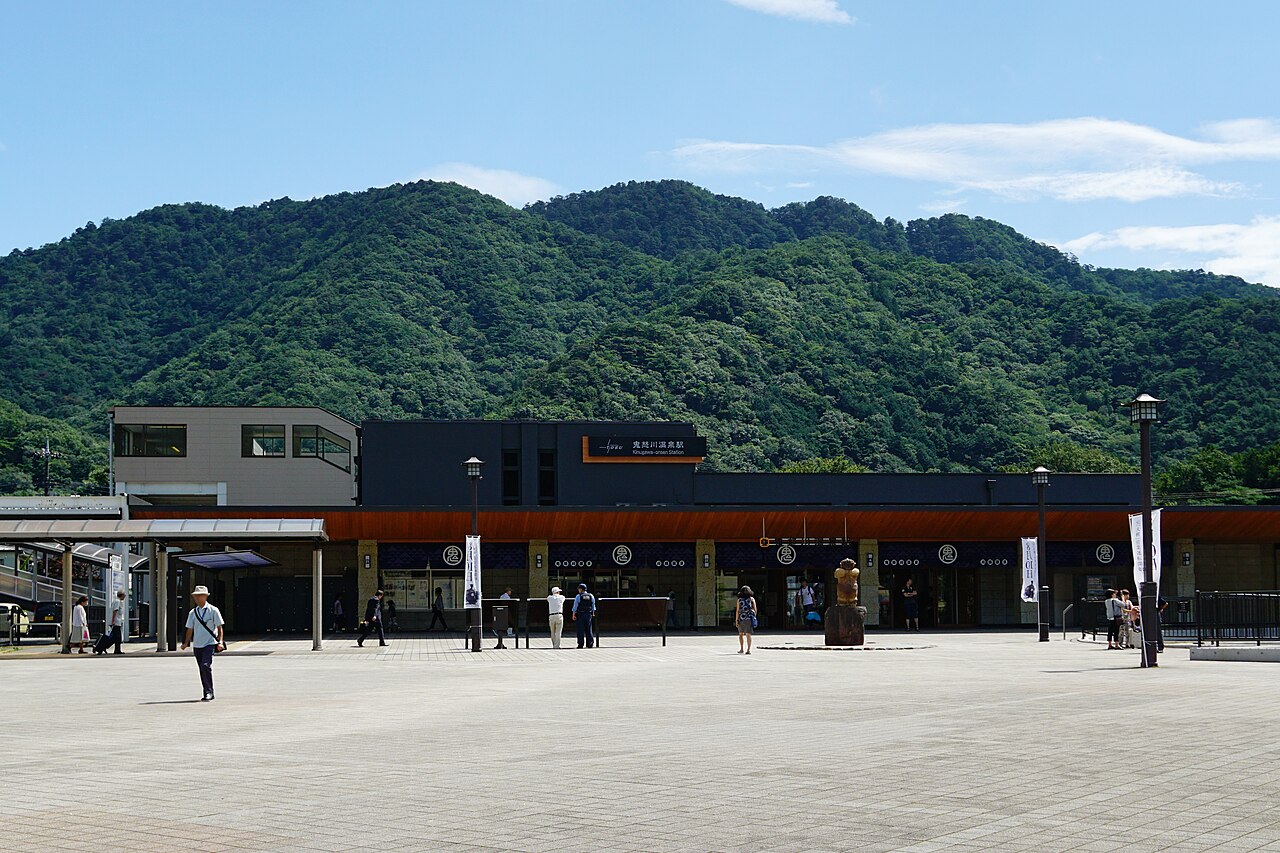
Nikko's hot-spring tradition is the best answer to cold and wet. Kinugawa Onsen is the long-established resort town, Yumoto sits beside Lake Yunoko with milky sulphur water, and lake and town hotels have baths of their own. A ryokan night with a soak and a multi-course dinner is easily the highlight of a wet day. Follow the etiquette: wash first, keep towels out of the water, and check tattoo policies in advance.
Indoor and theme-park options
Edo Wonderland has indoor theatres, tea houses and shows, although it is mostly outdoors and closed on Wednesdays. Tobu World Square is also outdoors but flat and easy in light rain, and wet days are quieter. Both suit families. For quieter indoor time, the Treasure Museum near Toshogu and the Tamozawa Imperial Villa memorial park offer slower, more reflective visits.
Food
Nikko is known for yuba, the delicate skin of soy milk, served in many forms, and for sweets and simple noodles. A long lunch is a good way to wait out a downpour, and many restaurants near the stations and the shrine approach serve set meals. Ask about reservations on weekends in autumn.
A sample wet-day plan
Start with the shrines in the morning, when the paths are quietest, and visit Toshogu, Rinnoji and Taiyuin under an umbrella. Break for yuba at lunch. In the afternoon, book a tea ceremony or visit a museum. End the day with a hot-spring soak and a slow dinner. If the forecast improves, shift an outdoor activity to the next morning.
Seasonal touches
Each season gives the cultural side of Nikko a different flavour. In spring, cherry blossom and fresh green frame the shrine approaches. In summer, mist and cool mountain air make a tea room a welcome refuge from the heat. In autumn, maples and ginkgo colour the valley and make a kimono walk especially photogenic. In winter, snow quiets the town, and the inside of a warm ryokan feels like the best place in Japan. Whatever the month, keep a flexible schedule, so you can swap an outdoor plan for an indoor one without stress.
Cold-weather notes
In winter, shrines close earlier, so start early. Snow can close high roads, and bus timetables are reduced. Dress in layers, carry a warm hat and gloves, and keep spare dry socks. Many of the indoor ideas here are better in the cold months than in summer, which makes them a good fit for an off-season trip.