Provence has a reputation as a place you need a car for, and parts of it are. The Luberon villages, the Alpilles and the lavender plateaus are scattered and poorly served by public transport. But the main cities are connected by rail, several of the best sights sit on those lines or on simple bus routes, and small-group tours fill most of the gaps. Plenty of visitors enjoy a car-free trip, and it removes the stress of narrow village streets, parking and driving after a wine tasting. This guide explains how to plan one.
Arriving
The fast trains from Paris and other big cities stop at the Avignon TGV station, which lies outside the old town, and a short shuttle train links it to Avignon Centre, the station beside the ramparts. Aix-en-Provence has a similar arrangement, with a TGV station outside the city and a bus into the centre. Marseille Provence airport has coach connections to Aix and to Marseille, from where trains continue to Avignon and Arles. Check which station your ticket uses before you travel, since the two Avignon stations are easy to confuse, and allow time for the connection.
Choosing a base
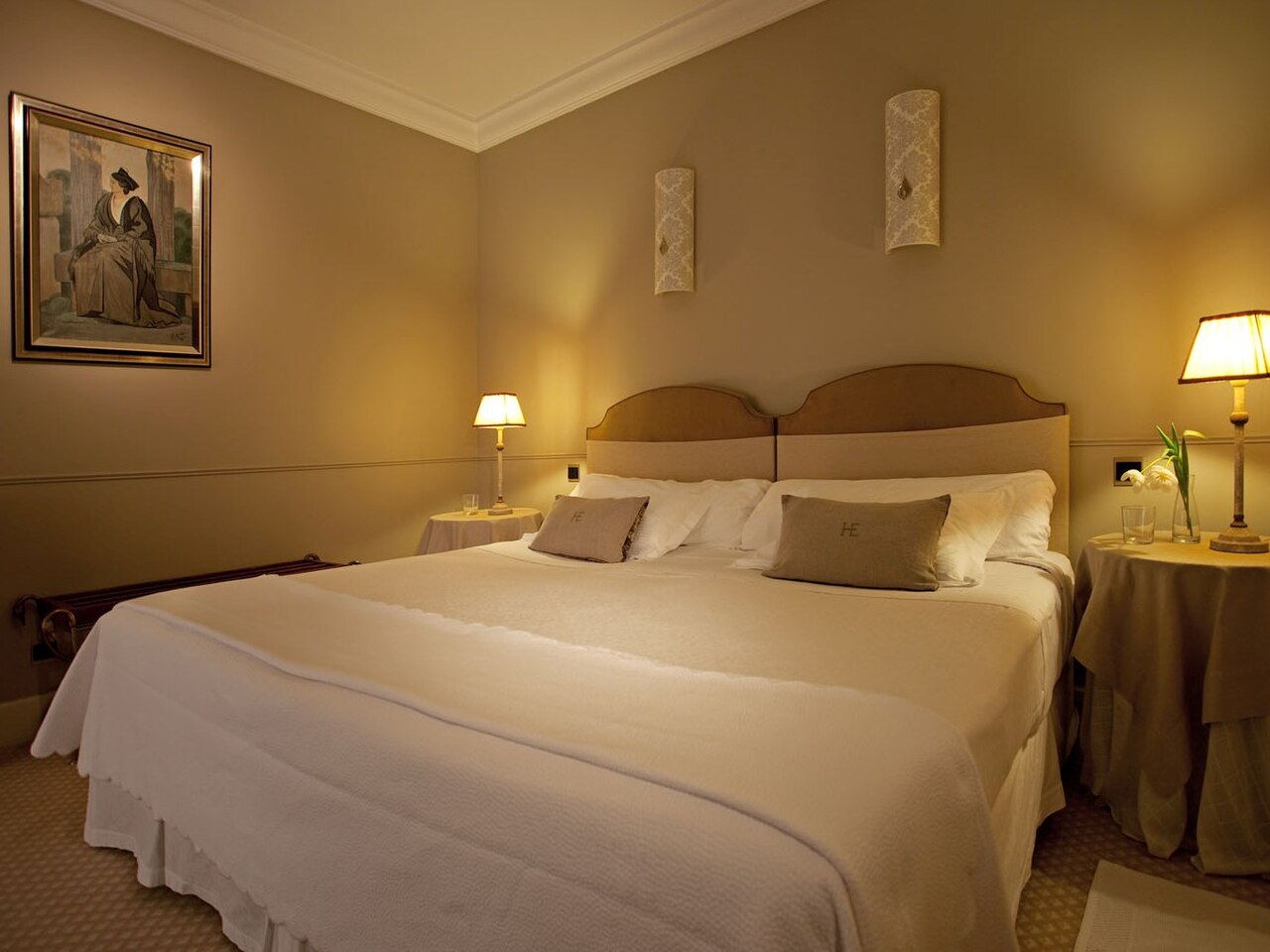
Avignon is the best car-free base because it has a central station, a compact walkable old town and regional trains to the towns around it. Arles is a good second choice, with Roman monuments on foot and a station close to the centre. Aix is pleasant and walkable too, but it is less well placed for the Rhône valley sights. Whichever you choose, pick a hotel within walking distance of the old town, so that you are never dependent on a taxi in the evening. The where-to-stay guide on this site compares the options in more detail.
What works by train
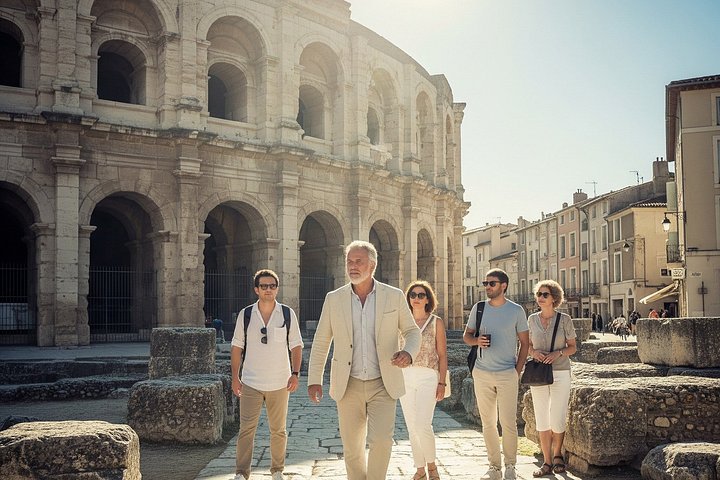
Regional trains from Avignon Centre reach Arles in under half an hour, and also serve Orange and Nîmes. That means the Roman monuments of Arles, the Roman theatre and triumphal arch at Orange and the amphitheatre and temple at Nîmes can all be visited as independent day trips, with the station a reasonable walk from the sights in each. Buy tickets at the machine or online before you board, and validate them if the station asks for it. Timetables thin out on Sundays and public holidays, so check them for your day, and keep an eye on the time of the last train back.
What works by bus
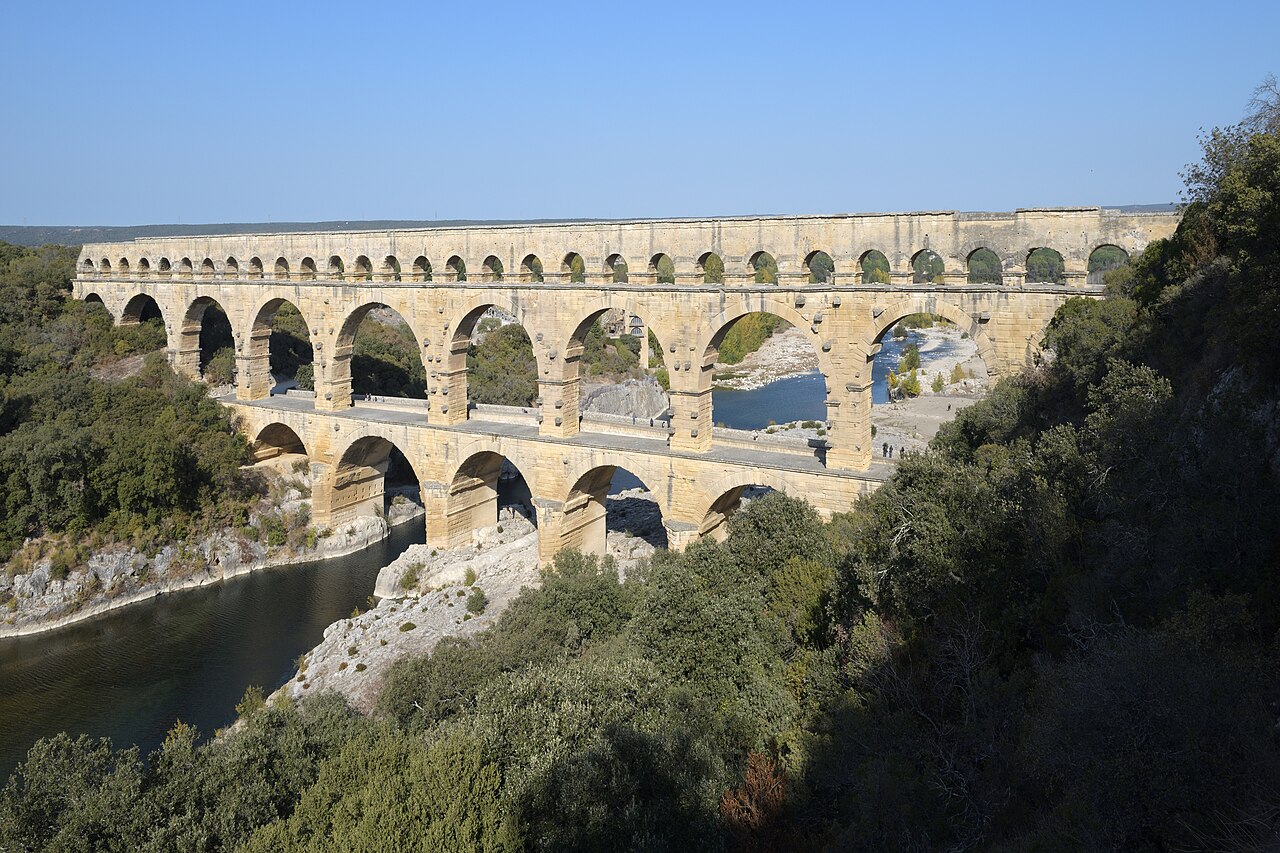
Buses link Avignon with some of the nearby villages and with the Pont du Gard, although schedules are limited in the low season and on Sundays. They can be slow and infrequent, so a bus trip needs a firm plan for the return, and it is wise to check the timetable at the bus station the day before. A bus is a good way to see Villeneuve-lès-Avignon, which is a short ride or a pleasant walk across the river, and the sights of the town are close together once you arrive. For places with only occasional buses, such as Fontaine-de-Vaucluse or the villages of the Luberon, think hard about whether a tour makes more sense.
When a tour is easier
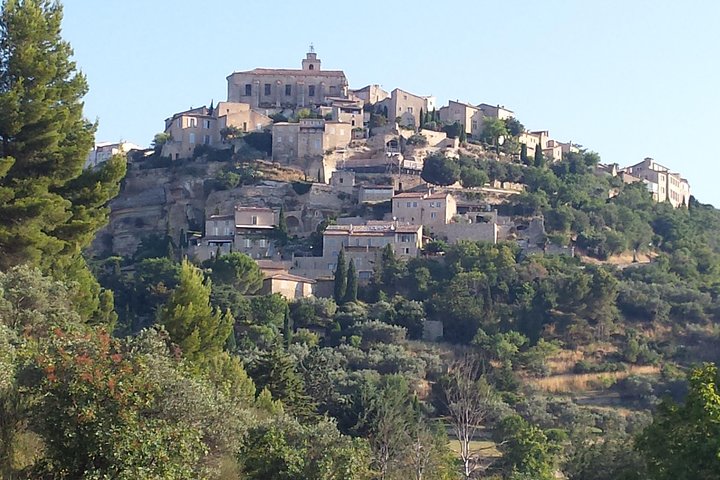
Small-group half-day and day tours are the car-free answer for the Luberon, Châteauneuf-du-Pape, Les Baux, Saint-Rémy and the Pont du Gard. Typically a minibus collects you at a central point in Avignon, visits two or three places with a guide and returns you by late afternoon. A wine tour has the obvious advantage that nobody has to drive, and the Luberon villages are far easier with a driver who knows where to park. Compare what is included, especially entry tickets and lunch, and check the meeting point and the language of the guide. Book in advance for July and August.
Taxis, bikes and walking
Taxis and ride services exist but are limited outside the cities, so book your return in advance if you are going somewhere remote. Bicycles suit the flat Rhône plain, and electric bikes make the Alpilles and the lanes around Saint-Rémy manageable for people who are not experienced riders. Inside the towns, walking is almost always the best way to move, with the usual warning that old cobbles are hard on poor shoes and that summer heat arrives early in the day.
Sample plan
Spend one day in Avignon on foot, with the palace, the bridge and the covered market. On the second, take a half-day tour to the Luberon in the morning and wander the old town in the afternoon. On the third, take a train to Arles, see the Roman monuments, and come back for dinner. On the fourth, join a tour to Les Baux and Saint-Rémy, or Pont du Gard and Nîmes, and keep the evening free. This four-day pattern gives you the main sights, requires no driving at all and leaves room for long lunches, which are the real reason many people come.