Travel ideas
Pilgrimage places & routes
Places people have travelled to for centuries, on foot and in faith: great cathedrals, holy rivers, temples and the end of the Camino. Many welcome visitors of any background.
Dress modestly and check visiting rules at working places of worship, which can close for services and festivals.
The Camino de Santiago
Christian pilgrimage
 Italy
Rome
St Peter’s, the Vatican and the great basilicas.
 Jerusalem
The Church of the Holy Sepulchre and the Via Dolorosa.
 UK
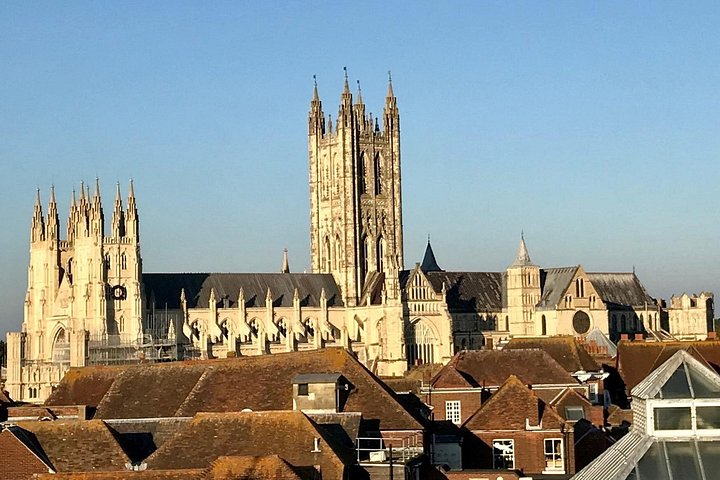
Canterbury
The cathedral of Thomas Becket, end of the Pilgrims’ Way.
 Italy
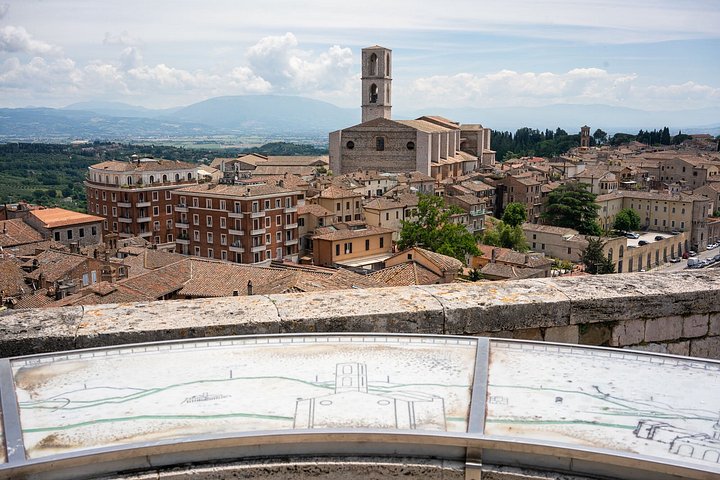
Perugia and Umbria
A short trip to Assisi and the Basilica of St Francis.
 Greece
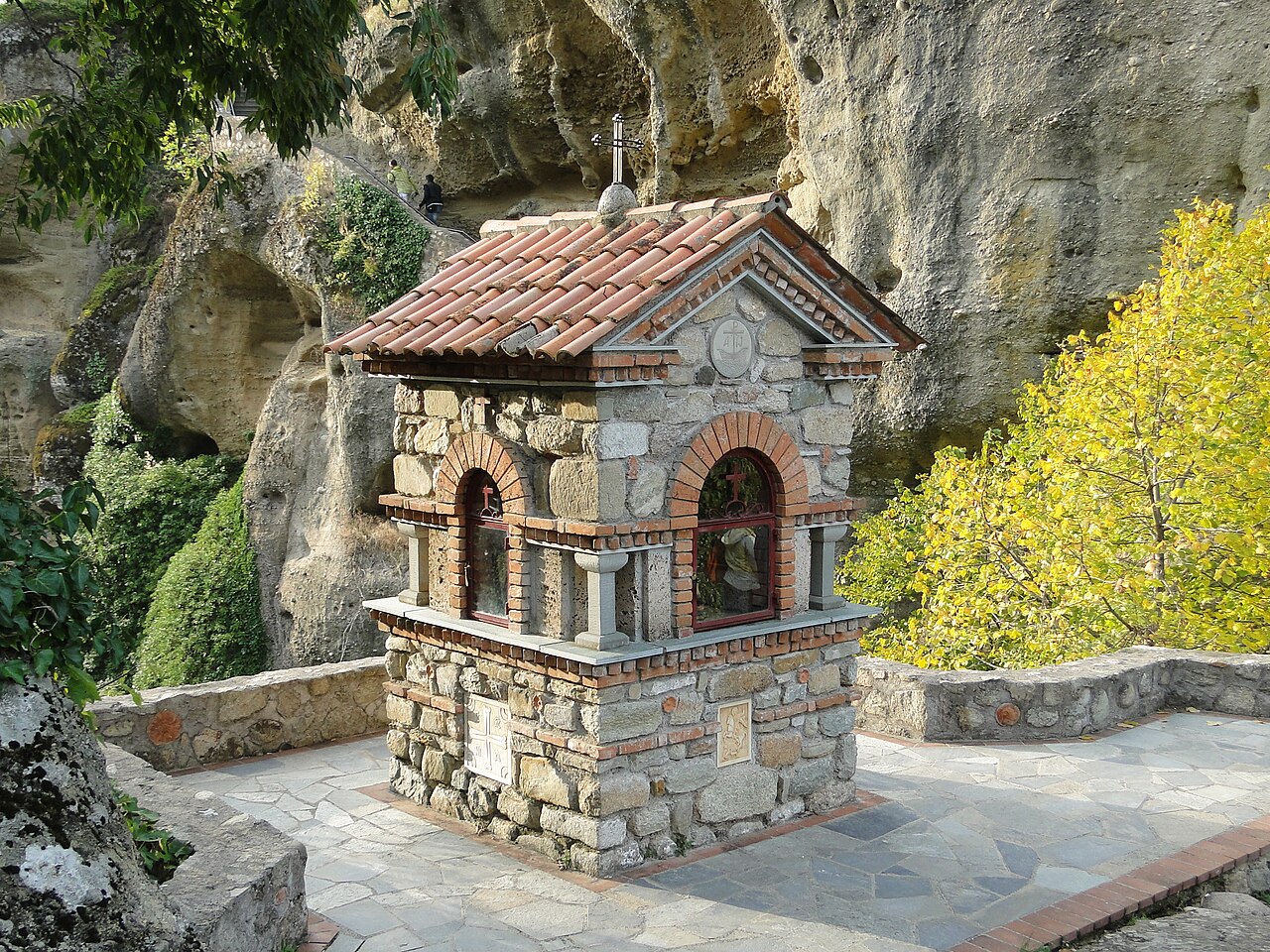
Meteora
Orthodox monasteries on pillars of rock.
 Mexico
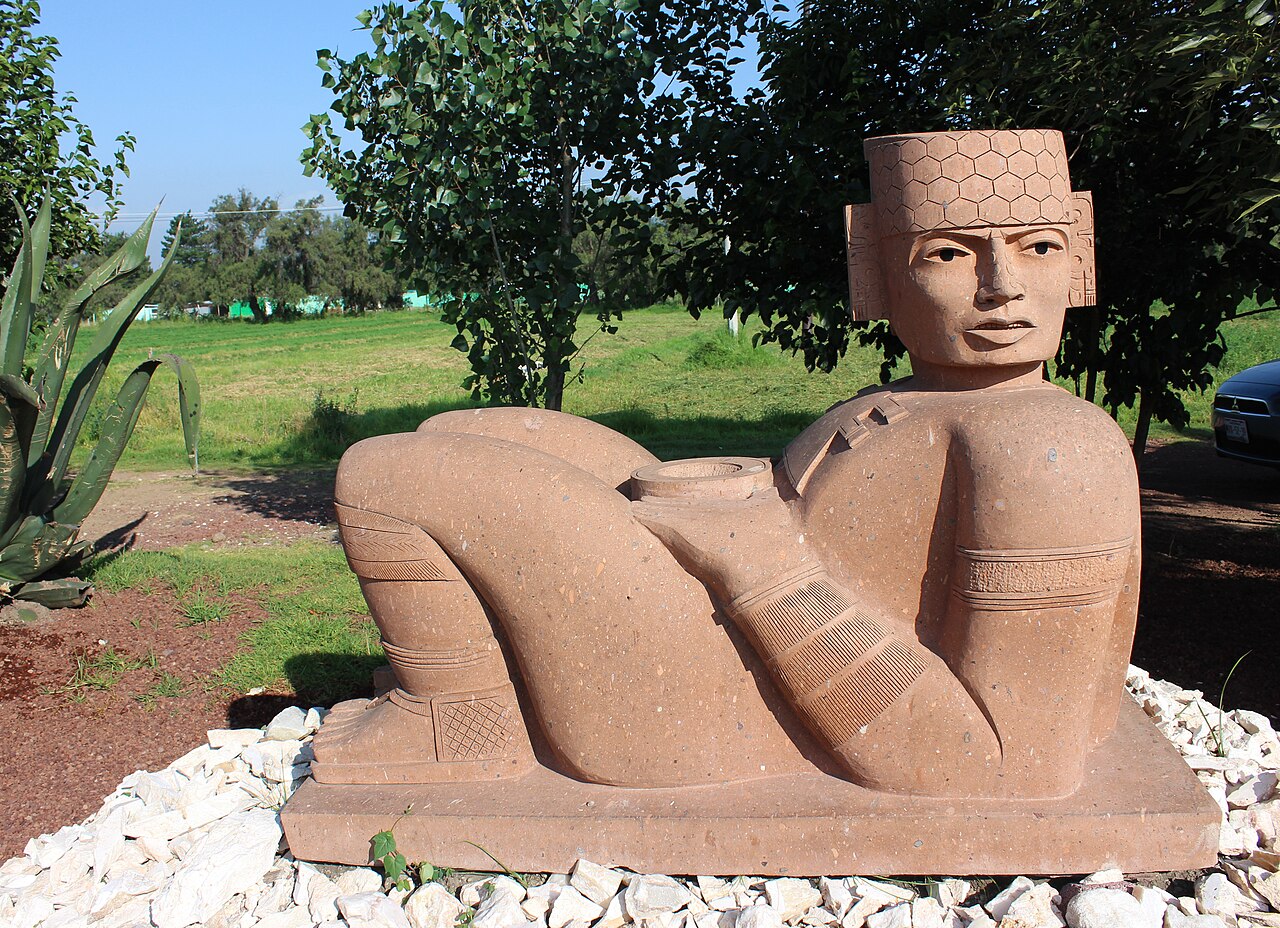
 City
The Basilica of Our Lady of Guadalupe, one of the most visited shrines on Earth.
Asia
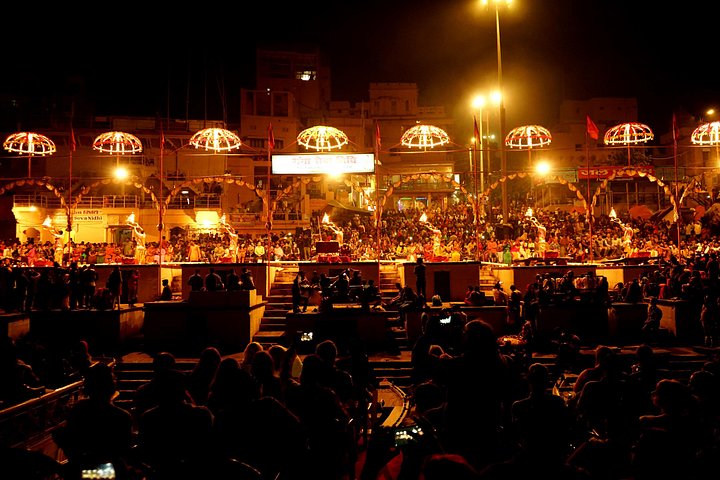 India
Varanasi
Dawn on the ghats of the Ganges, Hinduism’s holiest city.
 India
Rishikesh & Haridwar
Ashrams, yoga and the evening aarti on the Ganges.
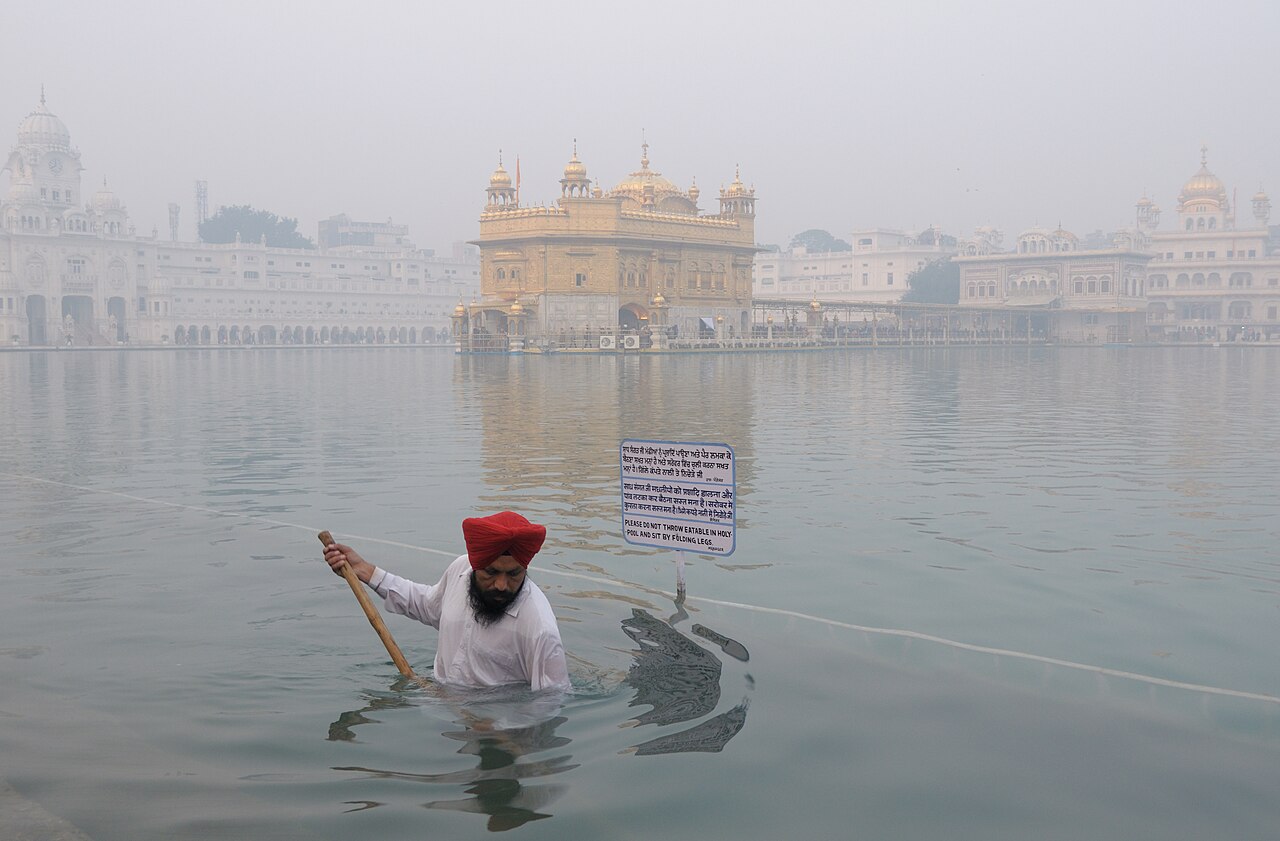 India
Amritsar
The Golden Temple and its free community kitchen.
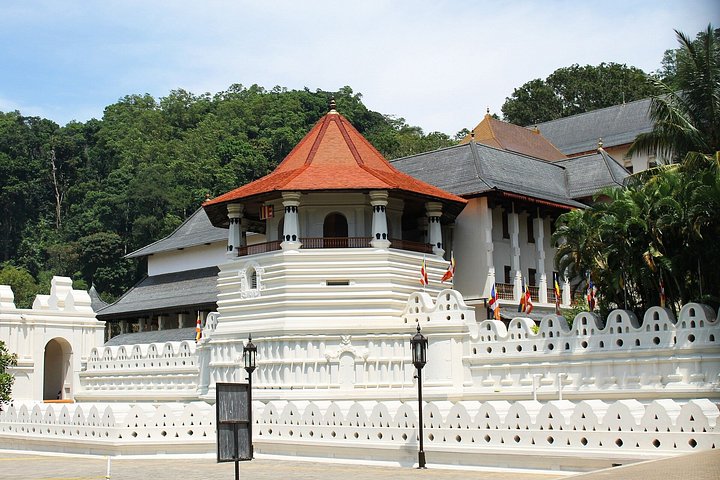 Sri Lanka
Kandy & the Hill Country
The Temple of the Sacred Tooth Relic.
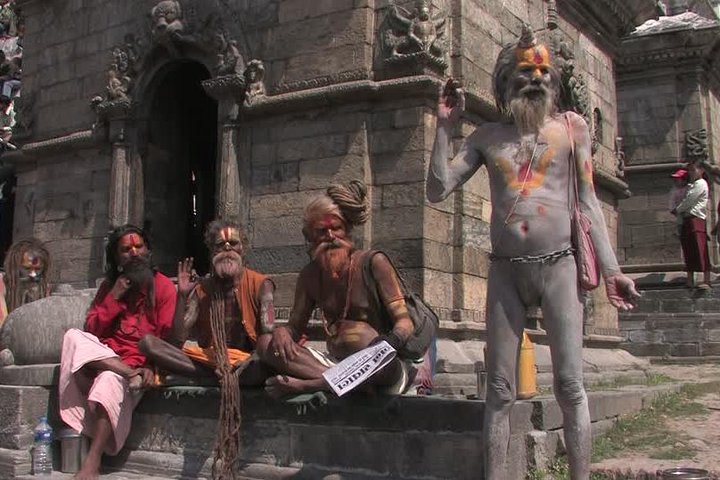 Nepal
Kathmandu
Boudhanath stupa and Pashupatinath temple.
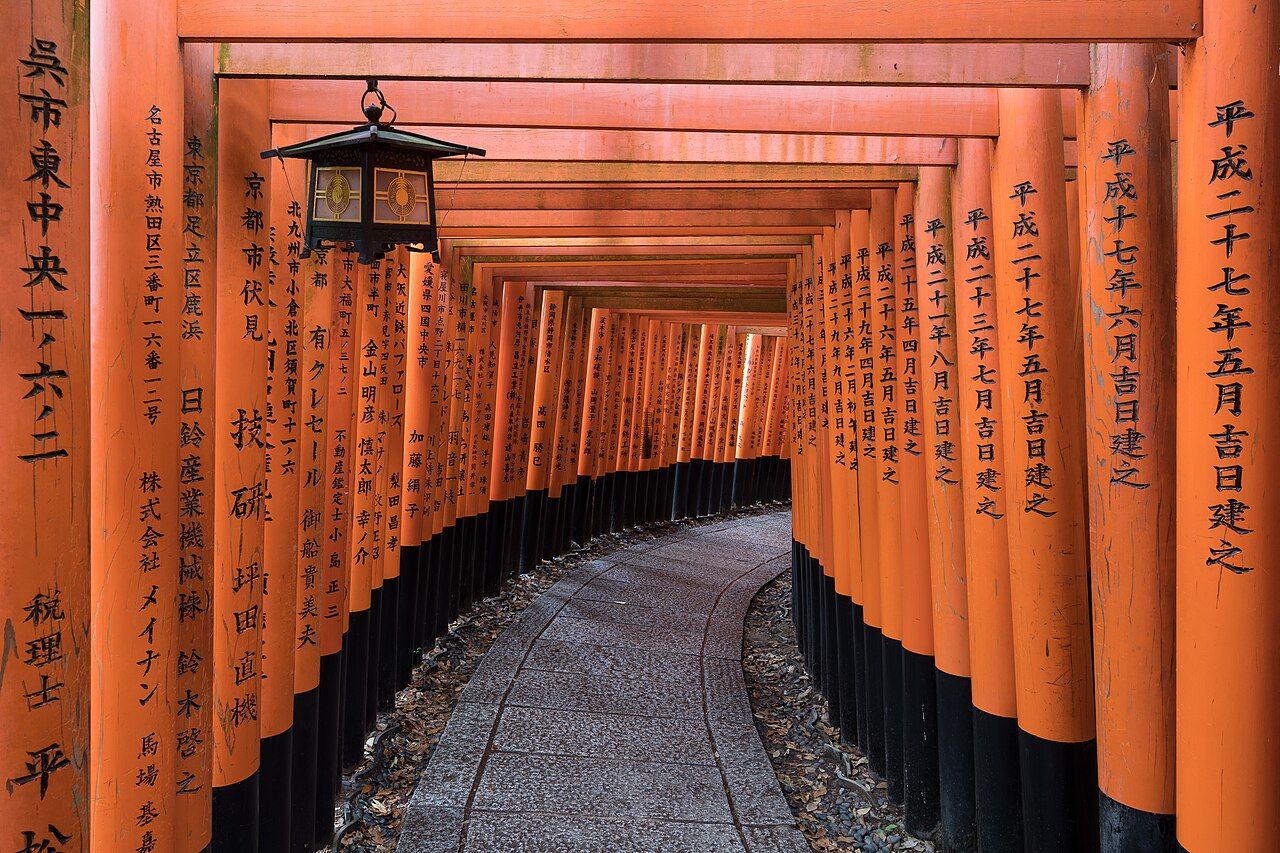 Japan
Kyoto
Fushimi Inari, Kiyomizu-dera and thousands of temples and shrines.
Planning tips
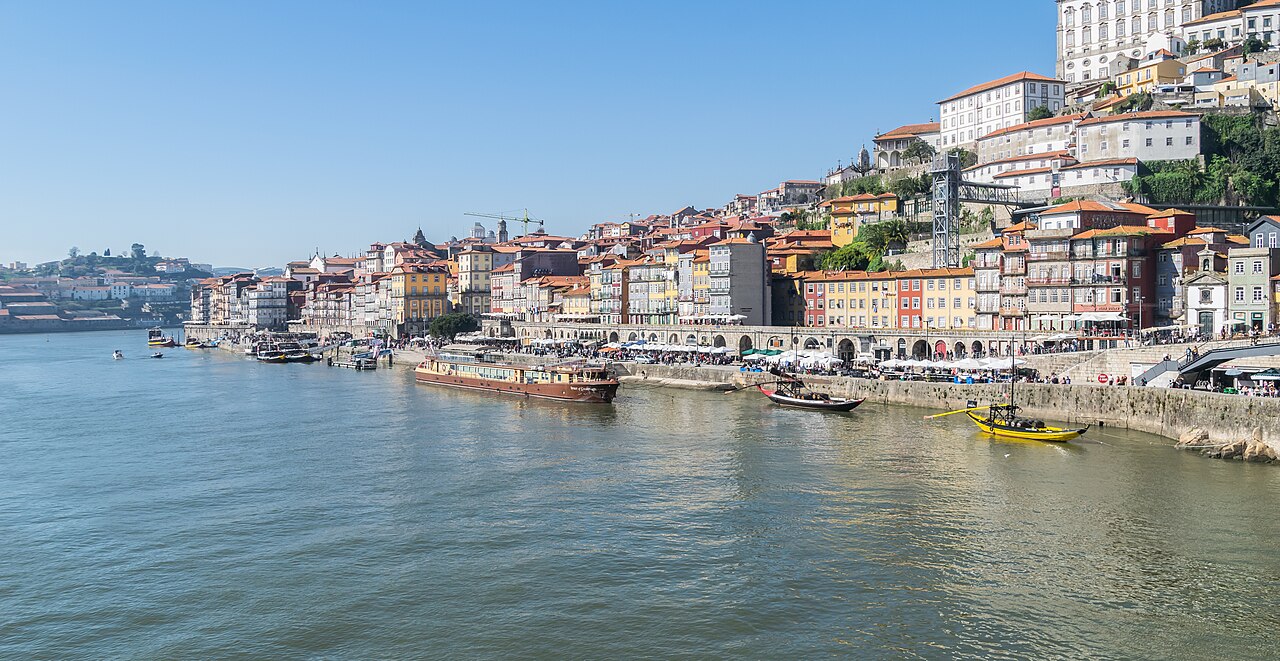
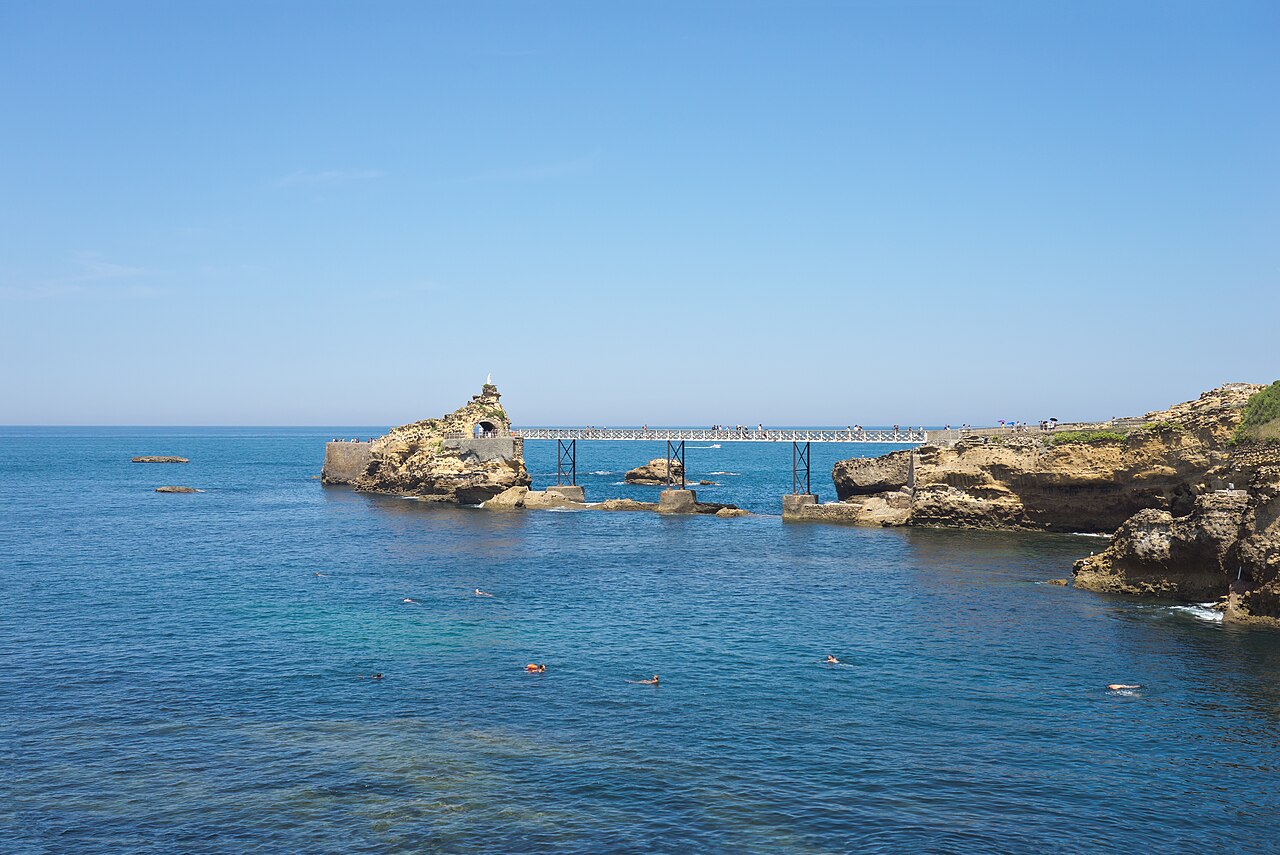
The first decision is whether you want to walk or simply visit. If you want the full pilgrim experience, the Camino de Santiago is the obvious choice. Start in Biarritz or Saint-Jean-Pied-de-Port for the French Way, which takes roughly five weeks end to end, or begin in Porto for the Portuguese Way, which is shorter and a gentler first walk. Many people walk only the last stretch into Santiago de Compostela, and that is a perfectly good way to do it.
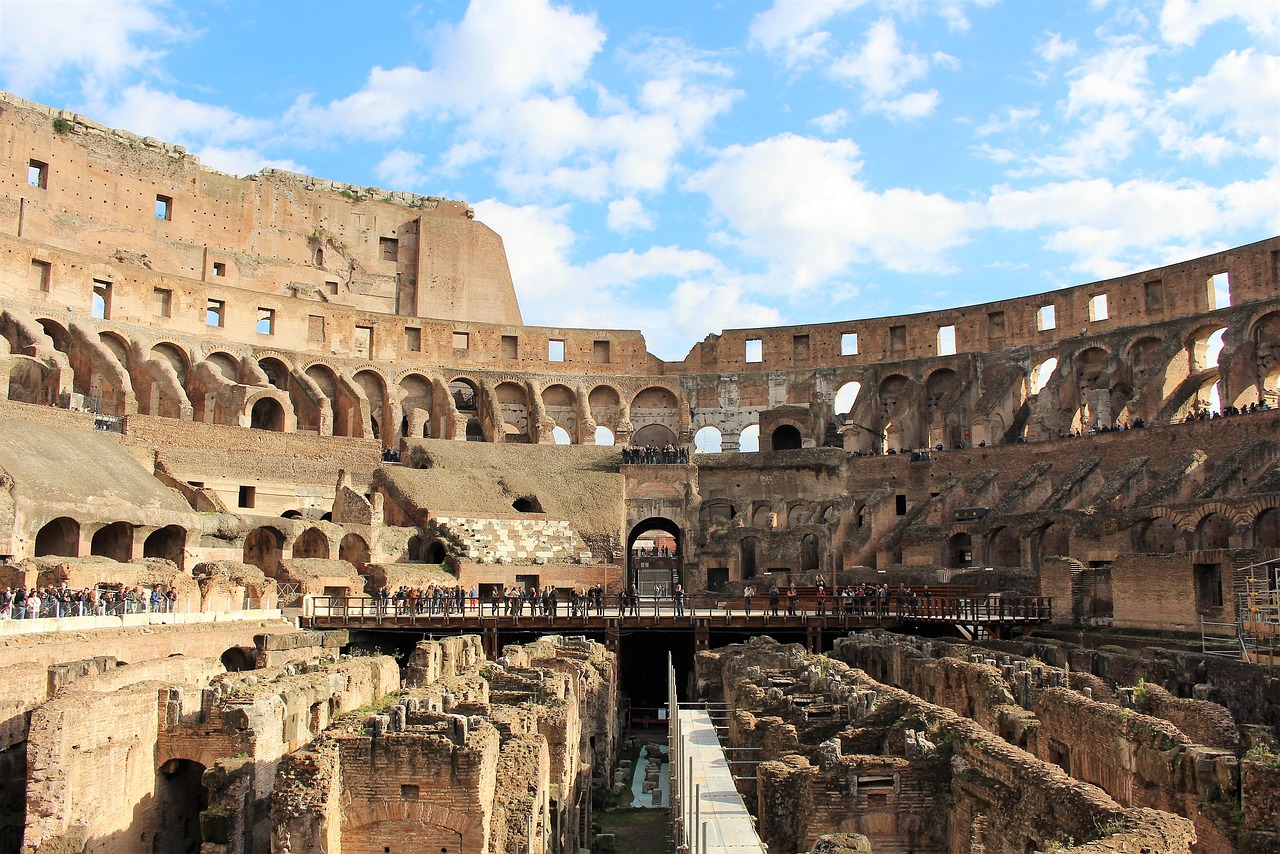
If you would rather travel by train and taxi, Rome, Jerusalem, Canterbury and the Assisi area near Perugia work as city breaks built around sacred sites. Rome rewards three or four days, because the Vatican alone can fill one. Meteora suits travellers who want scenery as much as spirituality, while Mexico City is best for anyone curious about living devotion at Guadalupe, especially around its feast days.
In Asia, Varanasi and Rishikesh both centre on the Ganges, but they feel very different: Varanasi is intense, crowded and unforgettable, while Rishikesh is calmer and suits yoga and meditation stays. Amritsar is unusually easy for first-timers, and the Golden Temple welcomes visitors of every background. Kandy, Kathmandu and Kyoto are good if you want temples woven into a broader trip.
Timing matters more than people expect. Spring and autumn are the most comfortable seasons for walking in Spain and for most of Europe, while India is easiest from roughly October to March, before the heat builds. Festival days bring extraordinary atmosphere but also huge crowds and closed streets, so decide which you want before you book. Common mistakes include overpacking for a long walk, booking every night of a Camino in advance so you cannot rest when you need to, and arriving at a working place of worship in the wrong clothes. Cover shoulders and knees, carry a scarf, and remove shoes where asked. Check service times and closing days before you set out, and give yourself a quiet hour in each place rather than rushing to the next.
Questions
When is the best time to walk the Camino de Santiago?+
Spring and autumn are the best seasons, roughly April to June and September to October. The weather is milder, the paths are less crowded and accommodation is easier to find. Summer is hot on the inland stretches and very busy, and winter brings rain, snow in the mountains and some closed albergues. Choose spring if you prefer green countryside.
How long does the Camino take?+
The full French Way from Saint-Jean-Pied-de-Port usually takes about five weeks at a steady pace. Shorter options are popular, and many people walk the final stretch from Sarria in about a week. The Portuguese Way from Porto takes roughly two weeks. Add a rest day or two, because blisters and tired legs are the most common reasons people slow down.
Do I have to be religious to visit pilgrimage places?+
No. Many of these places welcome visitors of any background, and plenty of travellers go for history, architecture or the experience of walking. What matters is respect: dress modestly, keep your voice low and follow any rules about photography. Some places restrict entry during services or to certain areas, so check visiting information before you go.
What should I wear when visiting temples and cathedrals?+
Cover your shoulders and knees, and carry a light scarf or shawl you can use quickly. At Sikh, Hindu and Buddhist sites you will often remove shoes, so wear slip-on footwear and clean socks. Some places ask visitors to cover their heads too. When in doubt, dress more conservatively than you think you need to; it is rarely a problem.