Travel ideas
UNESCO World Heritage destinations
Historic towns, ancient cities and natural wonders recognised on the UNESCO World Heritage List. Each of these destinations is home to at least one World Heritage site.
twickly is not affiliated with UNESCO. The list changes over time, and some sites are on UNESCO’s list of World Heritage in Danger.
Europe
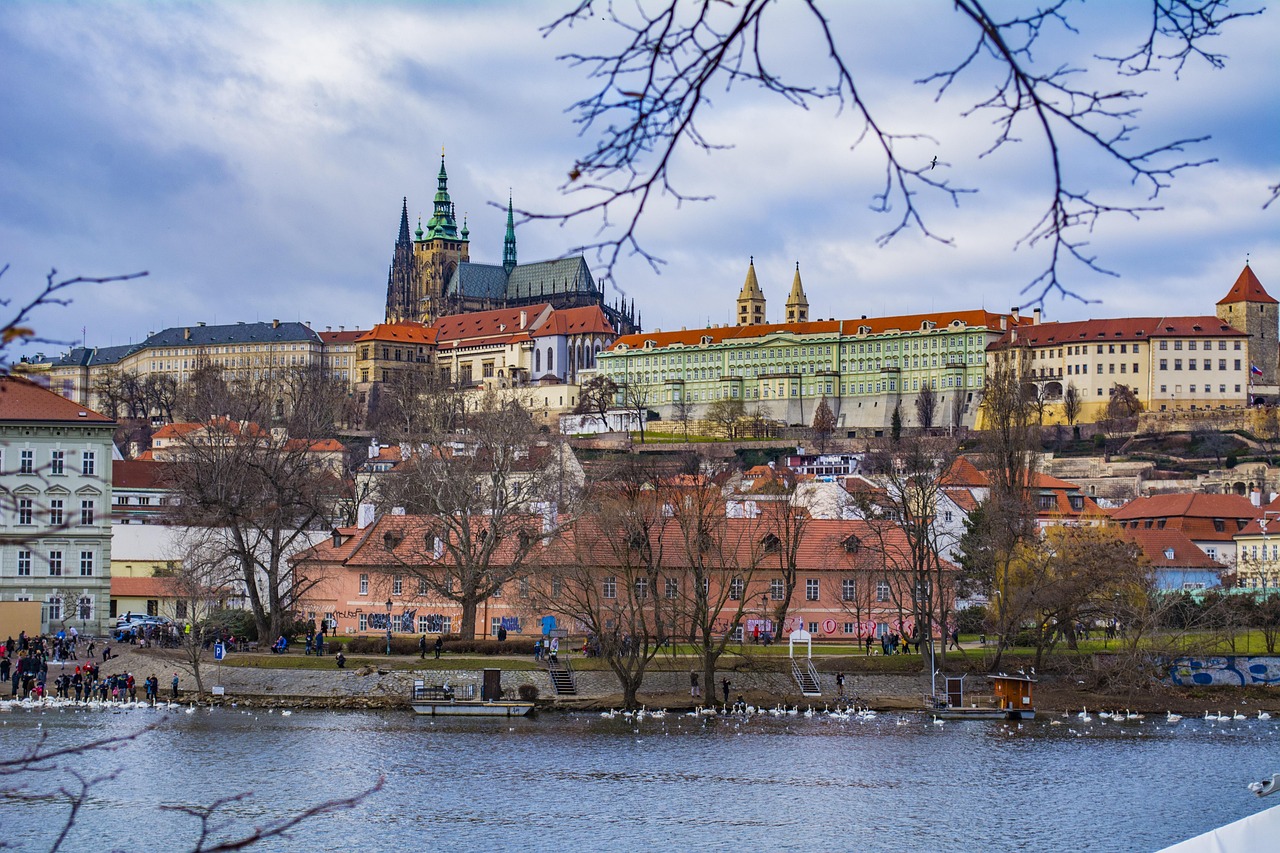
CzechiaPrague
A thousand years of architecture in one historic centre.
 Czechia
Český Krumlov
A castle town in a loop of the Vltava, barely changed in centuries.
 Italy
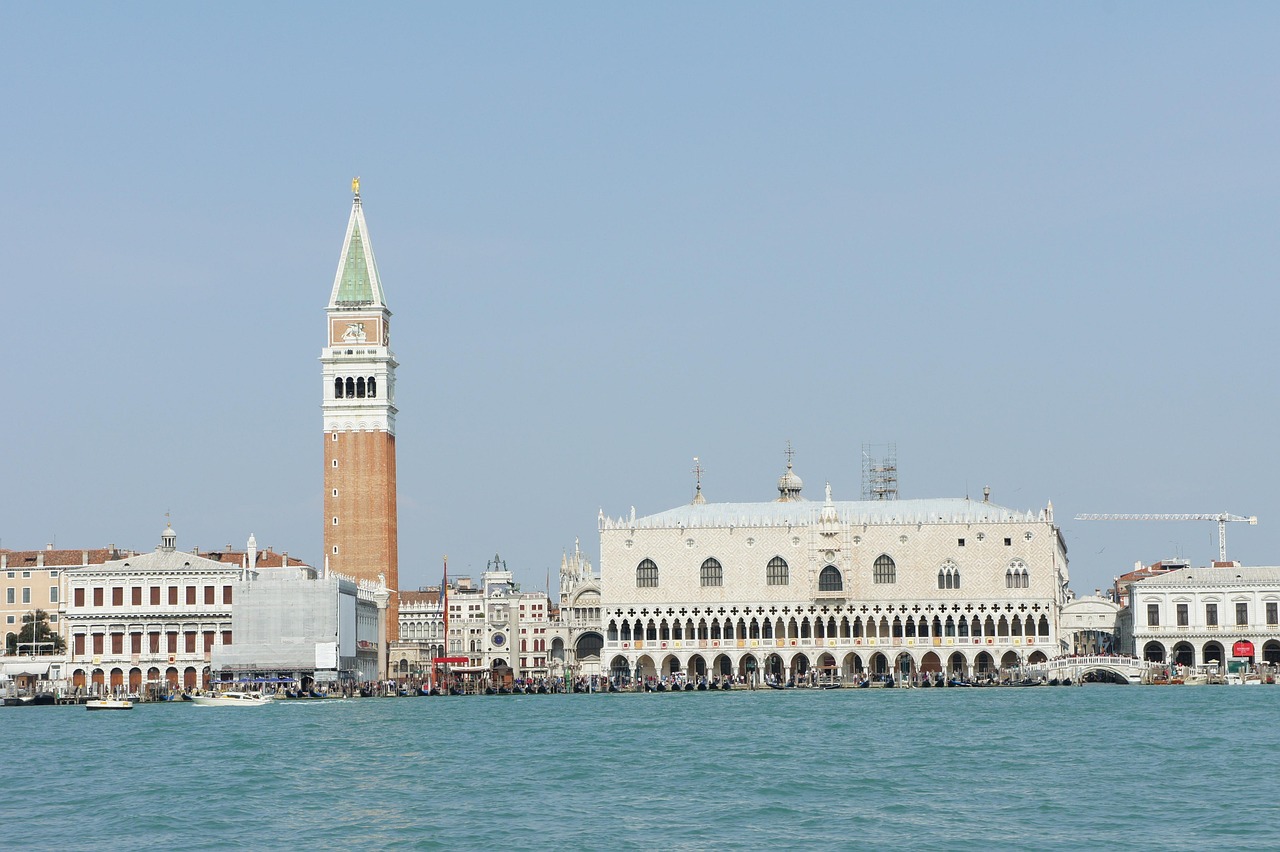
Venice
The city and its lagoon, built on water.
 Italy
Florence
The cradle of the Renaissance.
 Italy
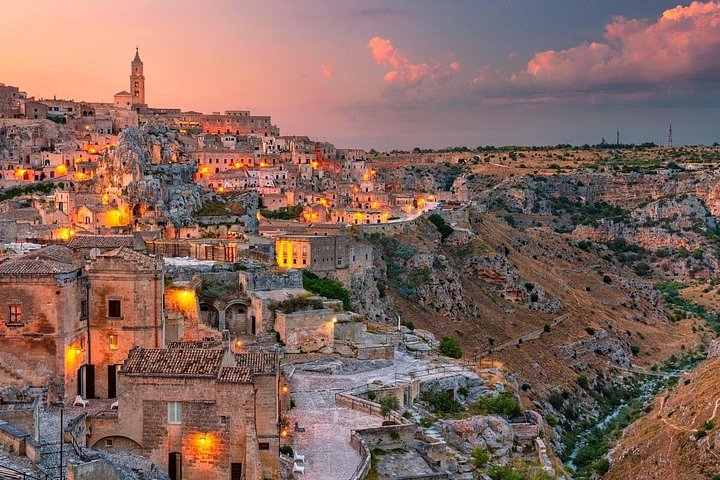
Matera
Cave dwellings carved into a ravine, lived in for thousands of years.
 Croatia
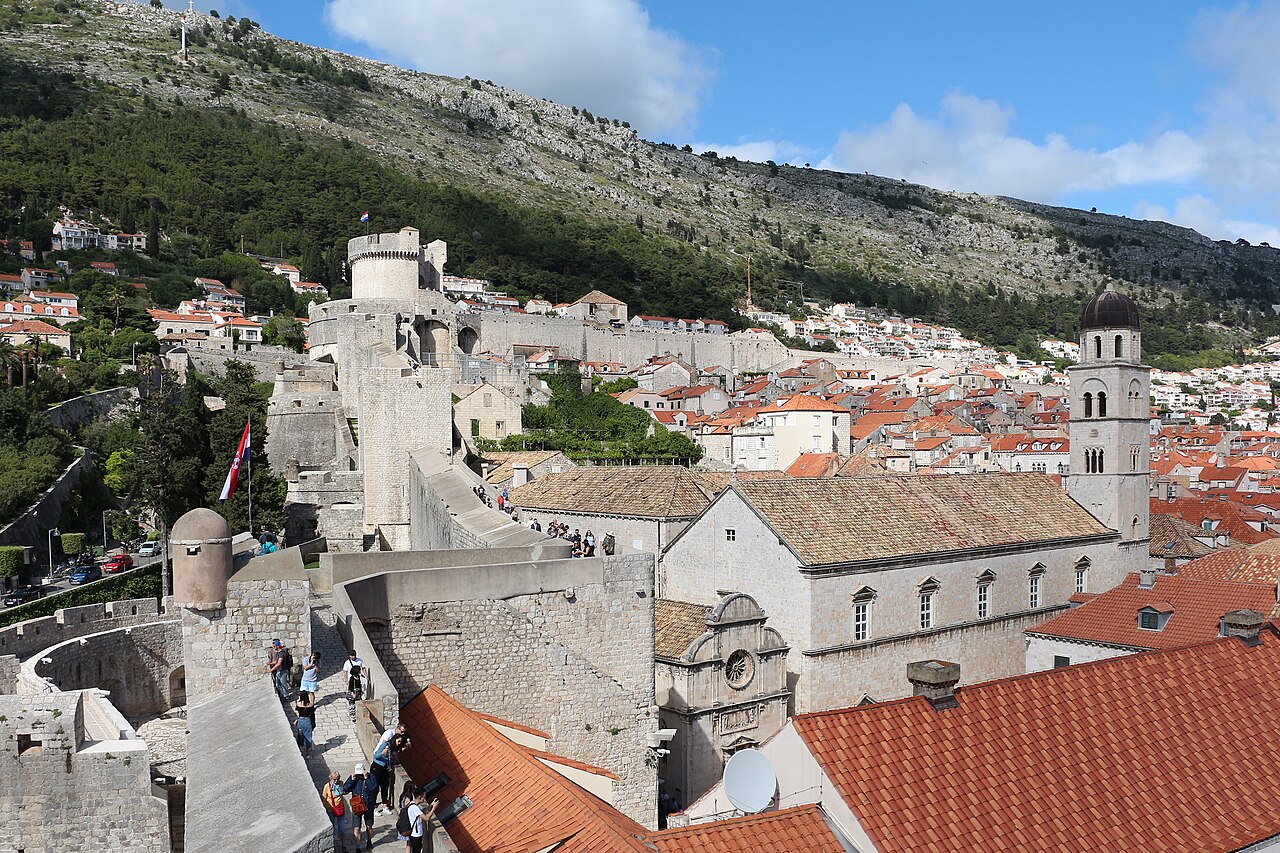
Dubrovnik
Walls and marble streets on the Adriatic.
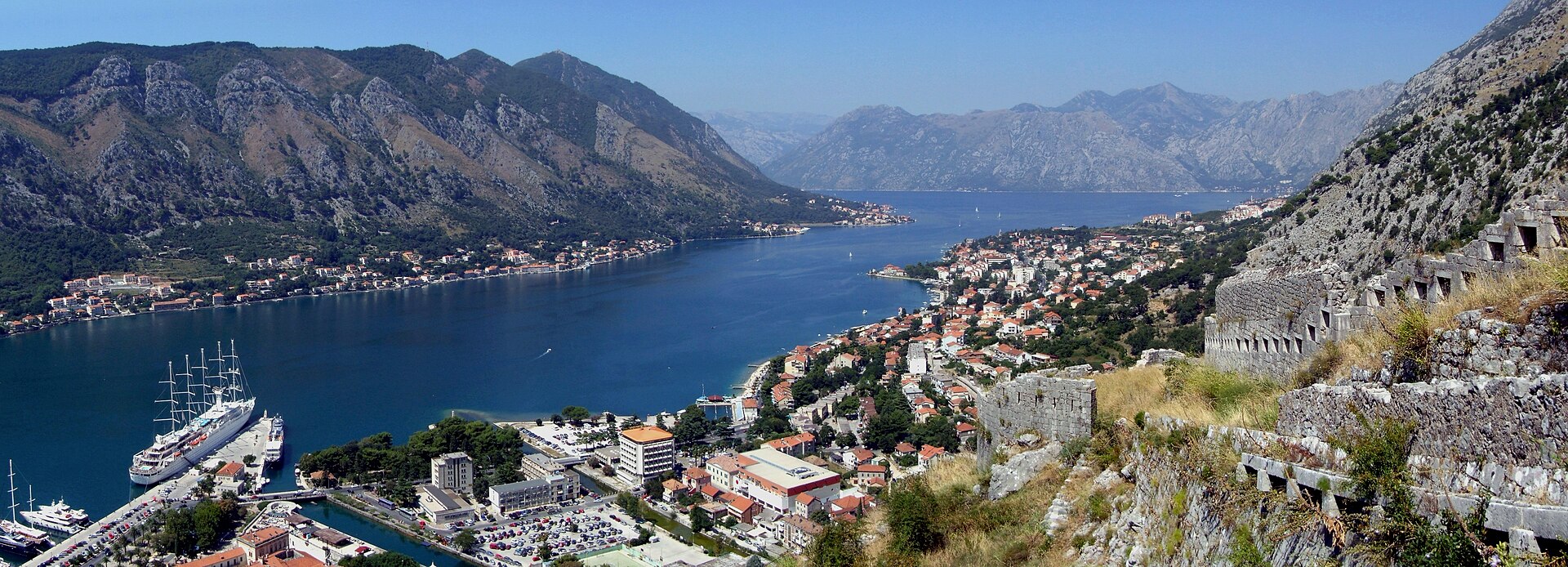 Montenegro
Kotor
A walled town at the end of a fjord-like bay.
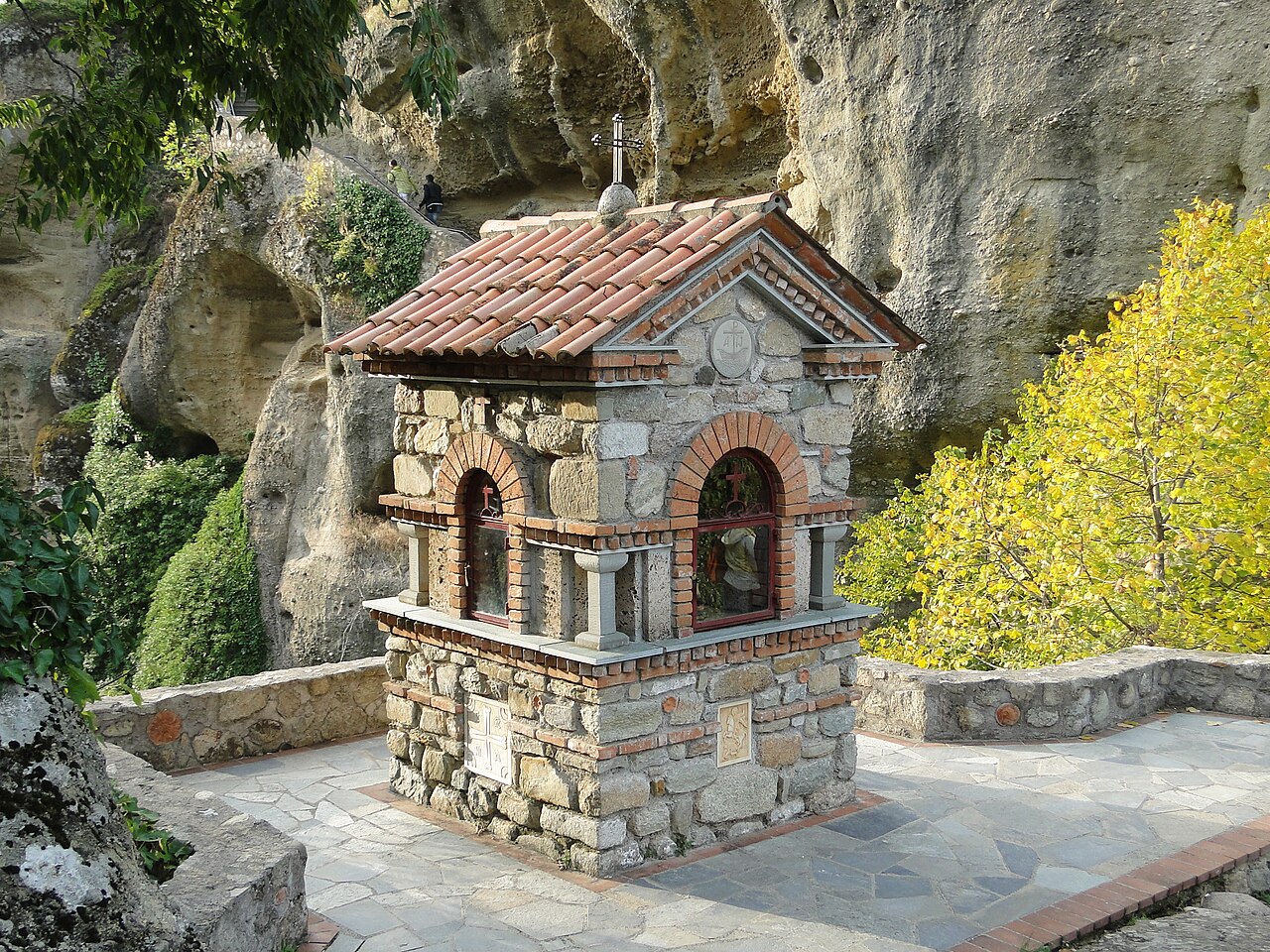 Greece
Meteora
Monasteries perched on towers of rock.
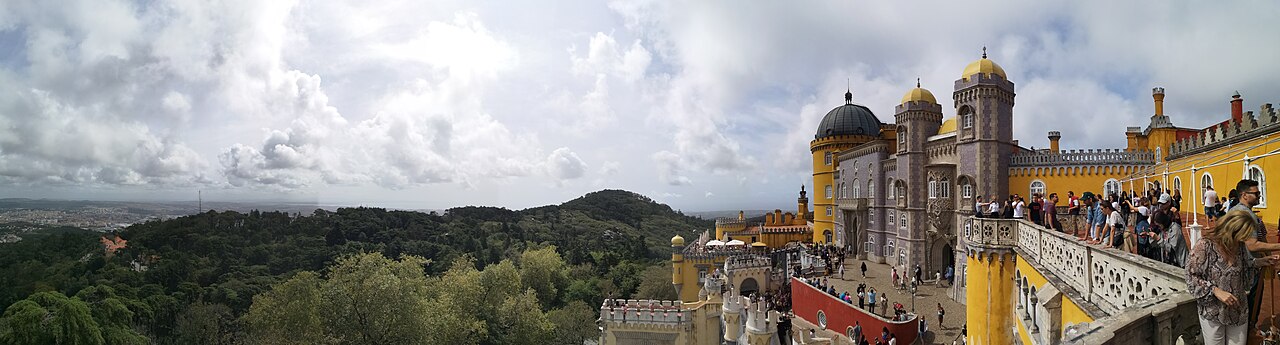 Portugal
Sintra & Cascais
Palaces and gardens in the forested hills near Lisbon.
 United Kingdom
Edinburgh
The medieval Old Town and the Georgian New Town.
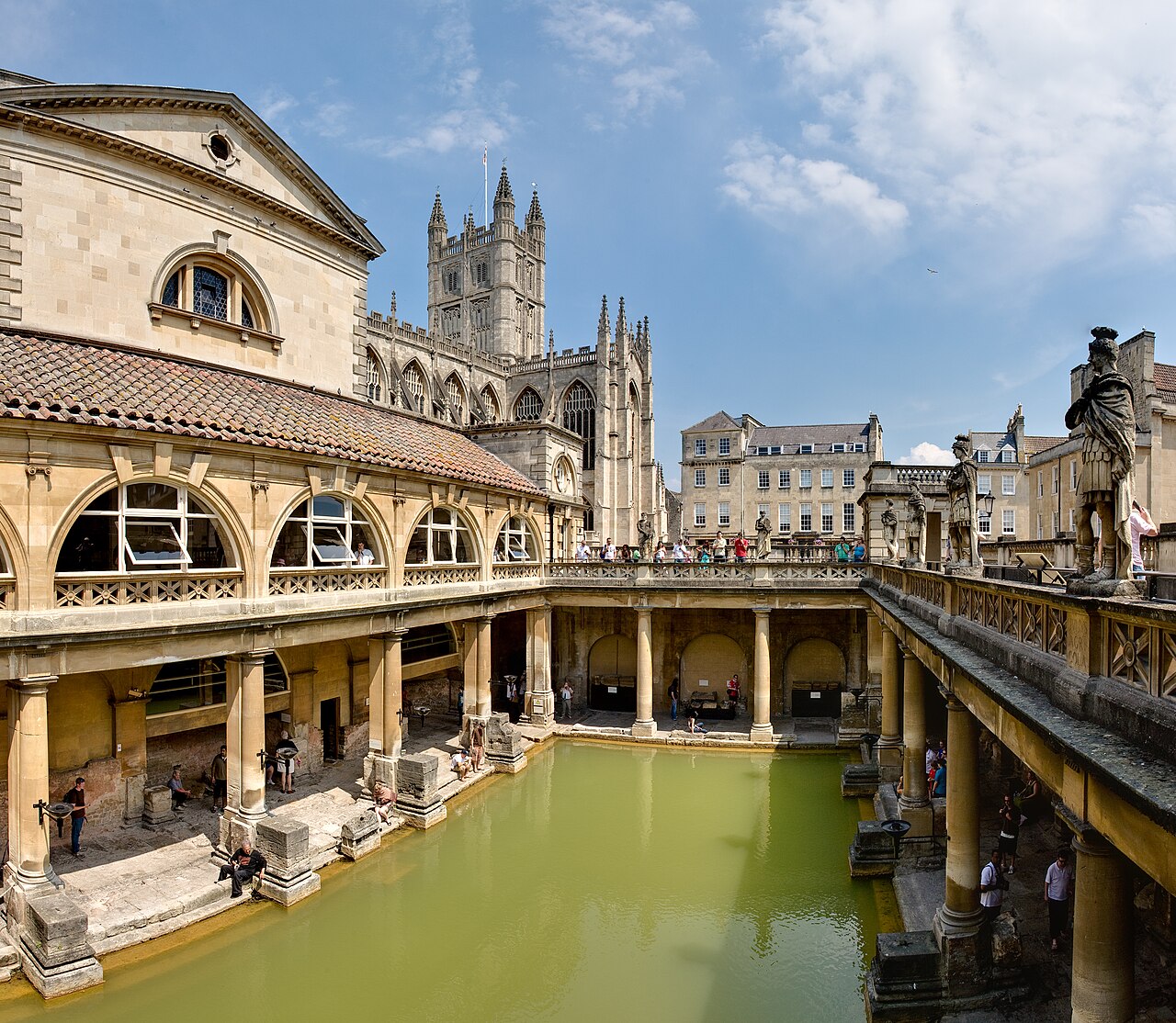 United Kingdom
Bath & the Cotswolds
Roman baths and honey-coloured Georgian crescents.
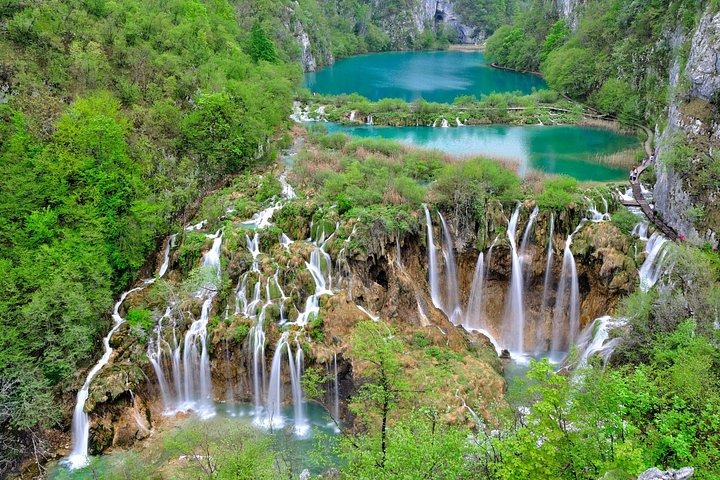 Croatia
Plitvice Lakes
Terraced lakes joined by waterfalls in Croatia’s forests.
The Americas
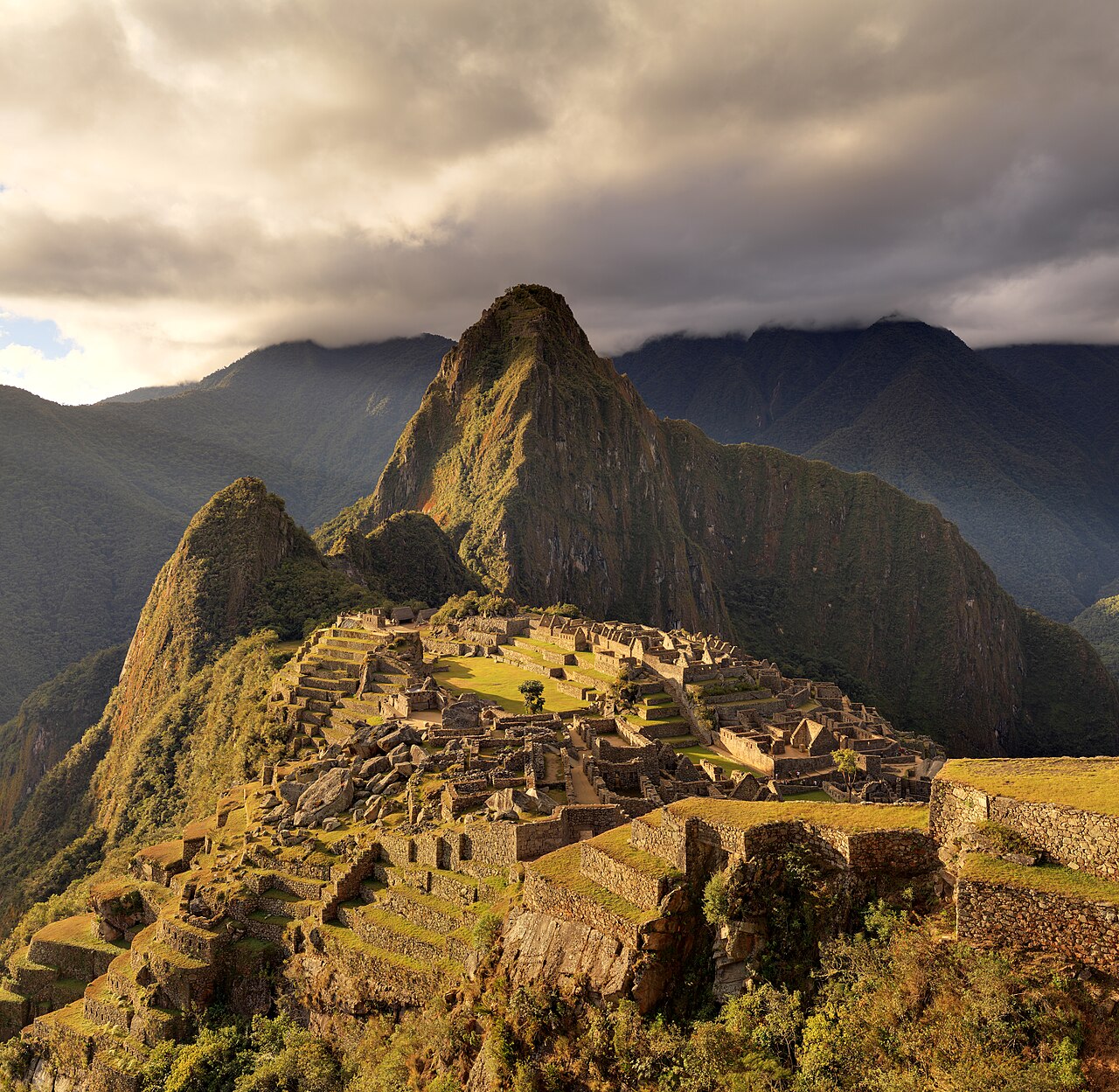 Peru
Cusco & Machu Picchu
The Inca capital, gateway to Machu Picchu.
 Ecuador
Quito
One of the best-preserved colonial centres in Latin America.
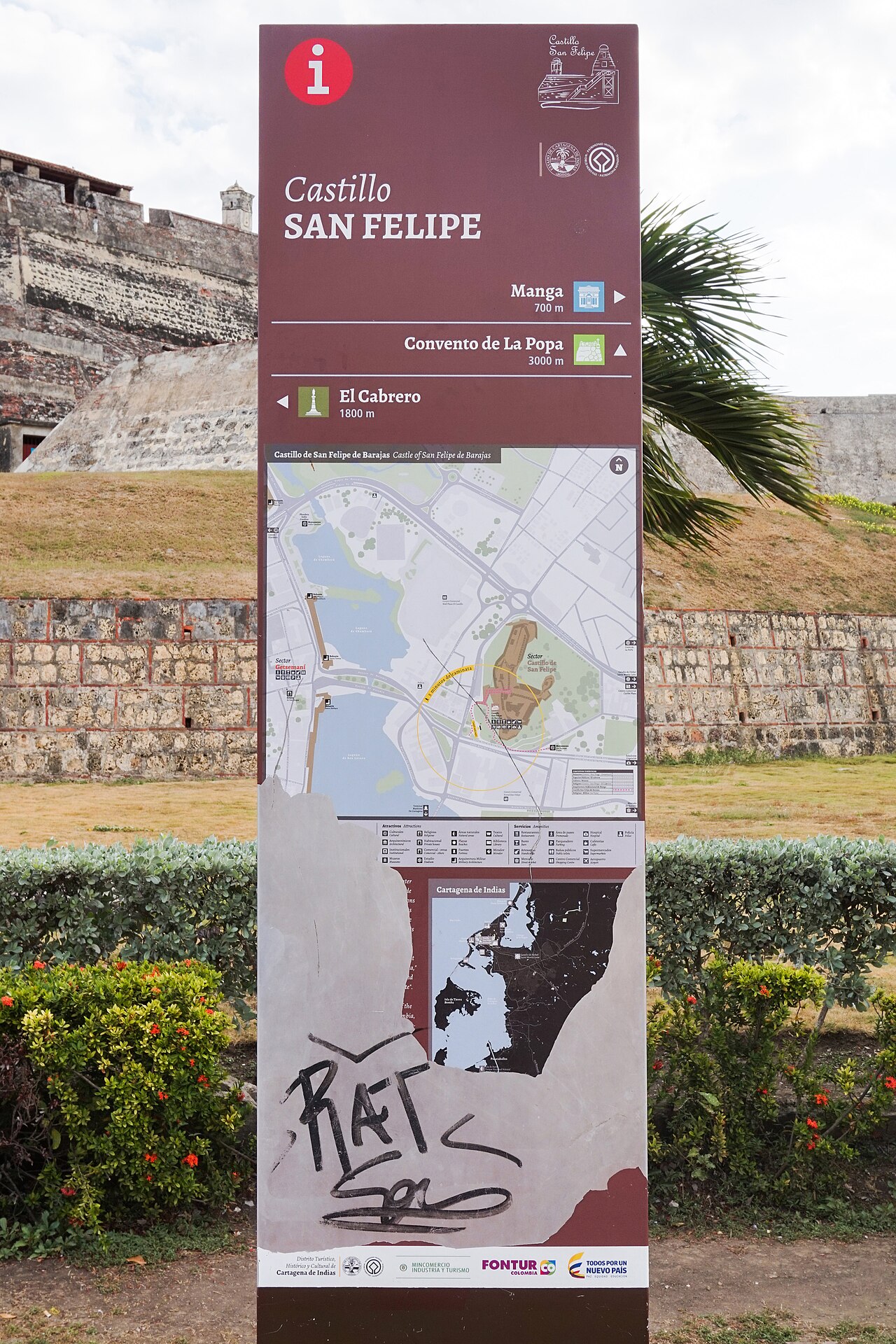 Colombia
Cartagena
A walled Caribbean port of colourful balconies.
 Canada
Quebec City
North America’s only walled city north of Mexico.
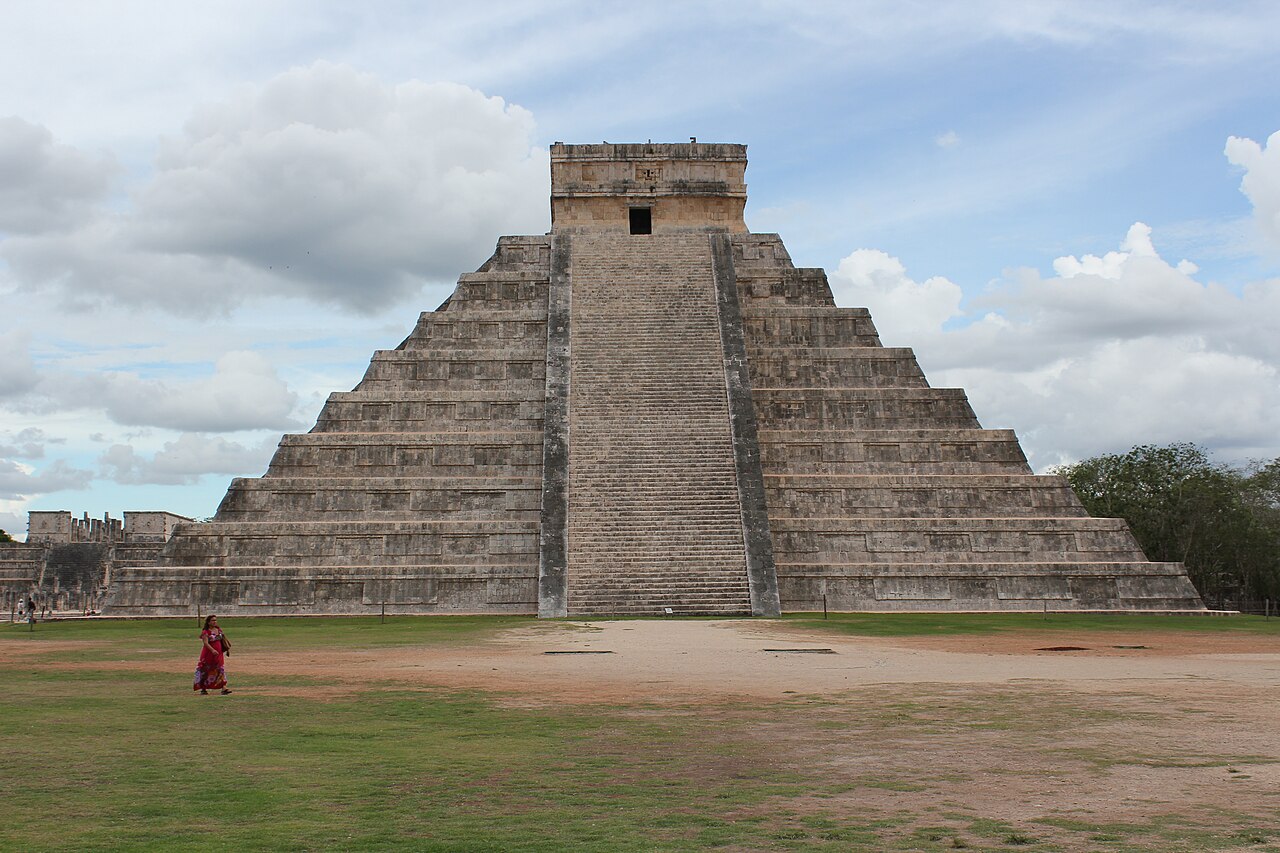 Mexico
Chichén Itzá
The great Mayan city and its stepped pyramid.
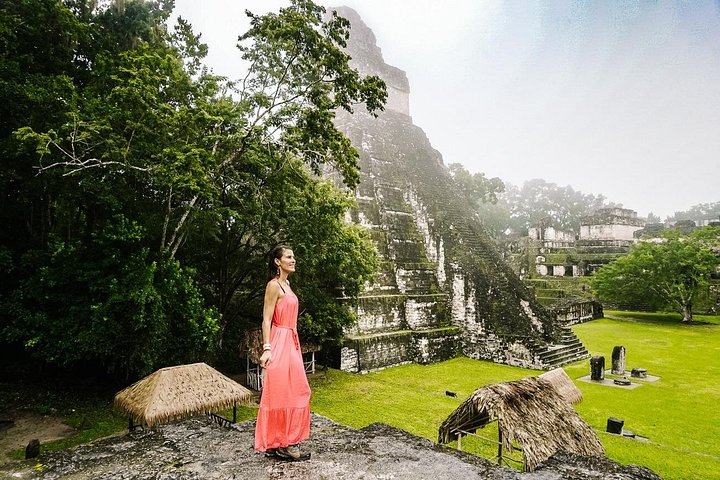 Guatemala
Tikal
Temples rising out of the Guatemalan jungle.
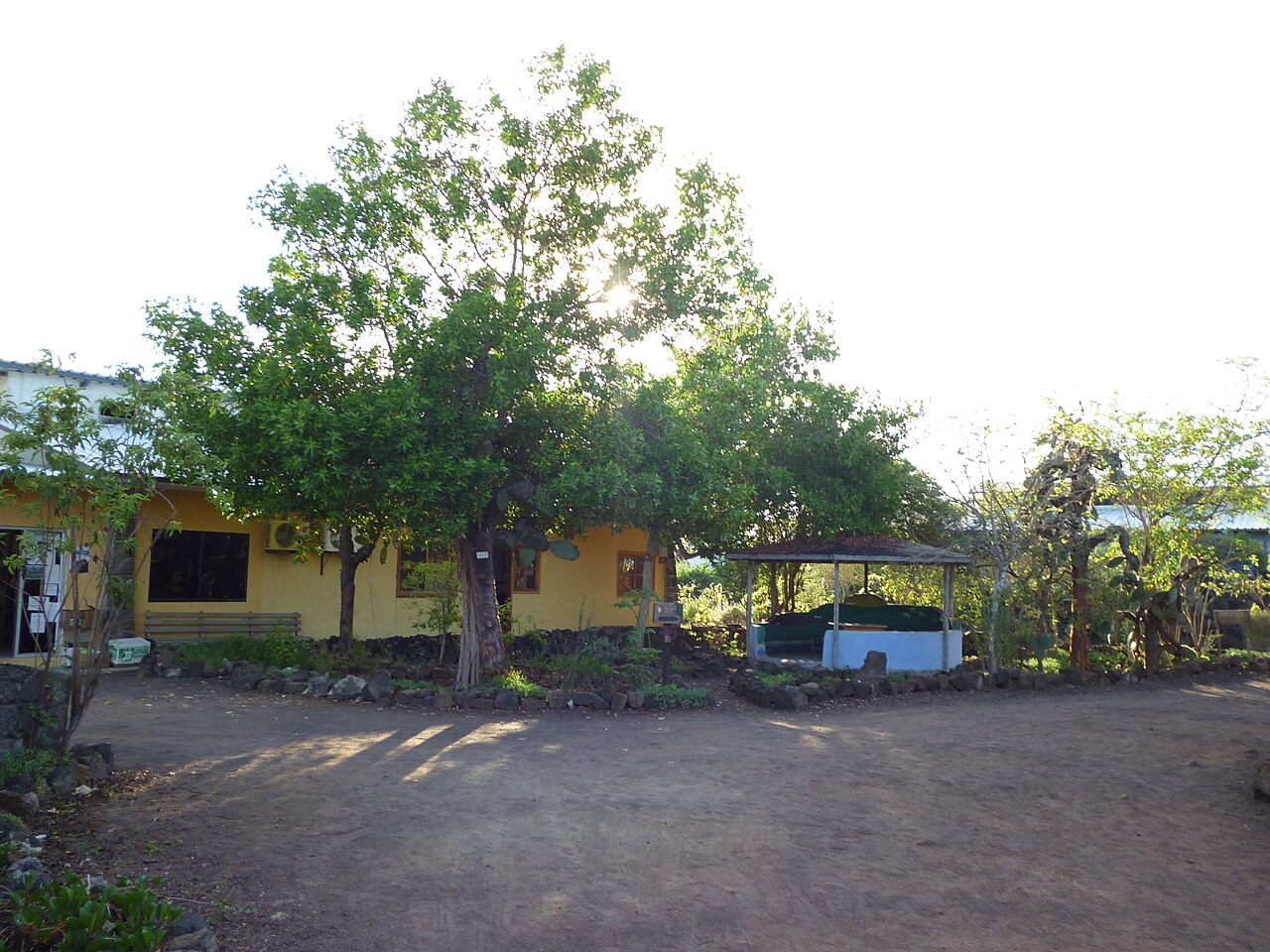 Ecuador
Galápagos Islands
The islands that shaped the theory of evolution.
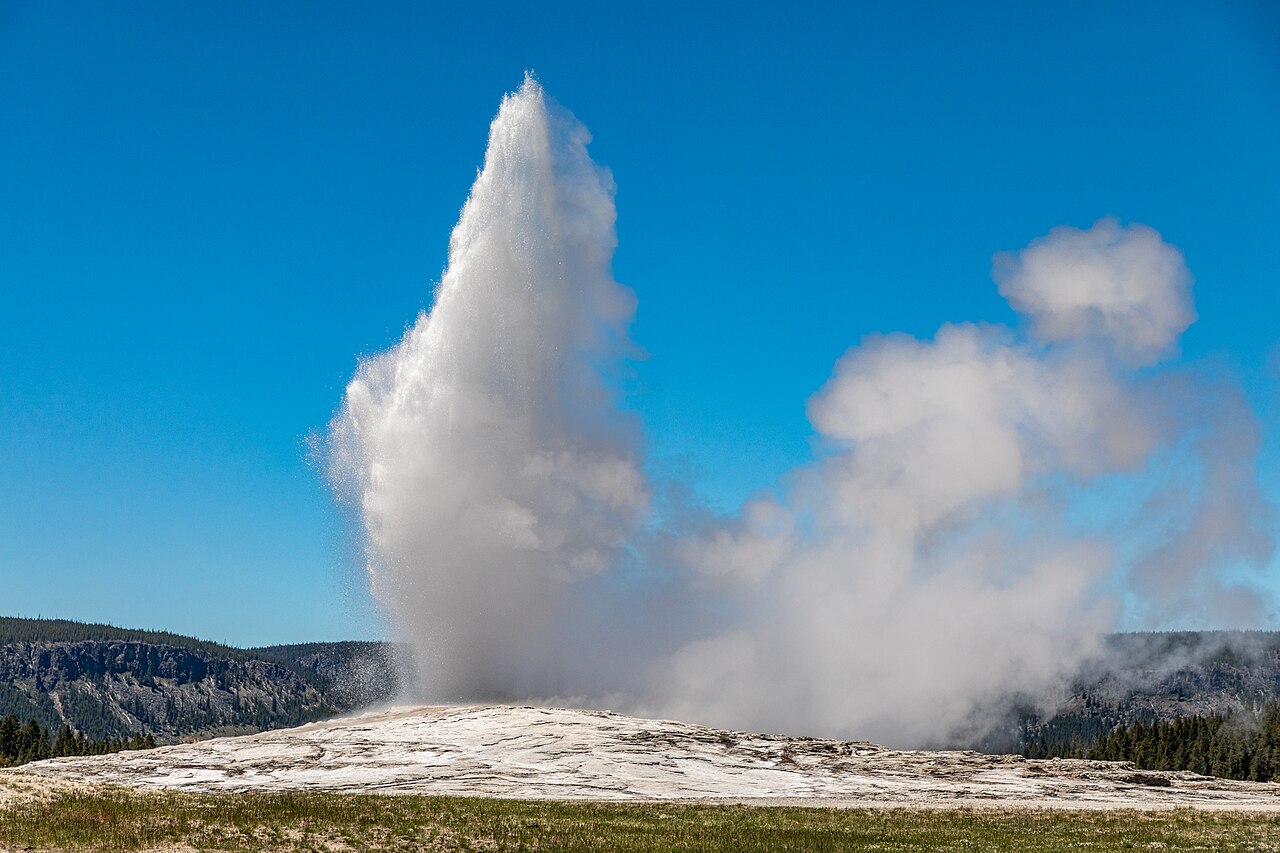 United States
Yellowstone
The world’s first national park: geysers, bison and hot springs.
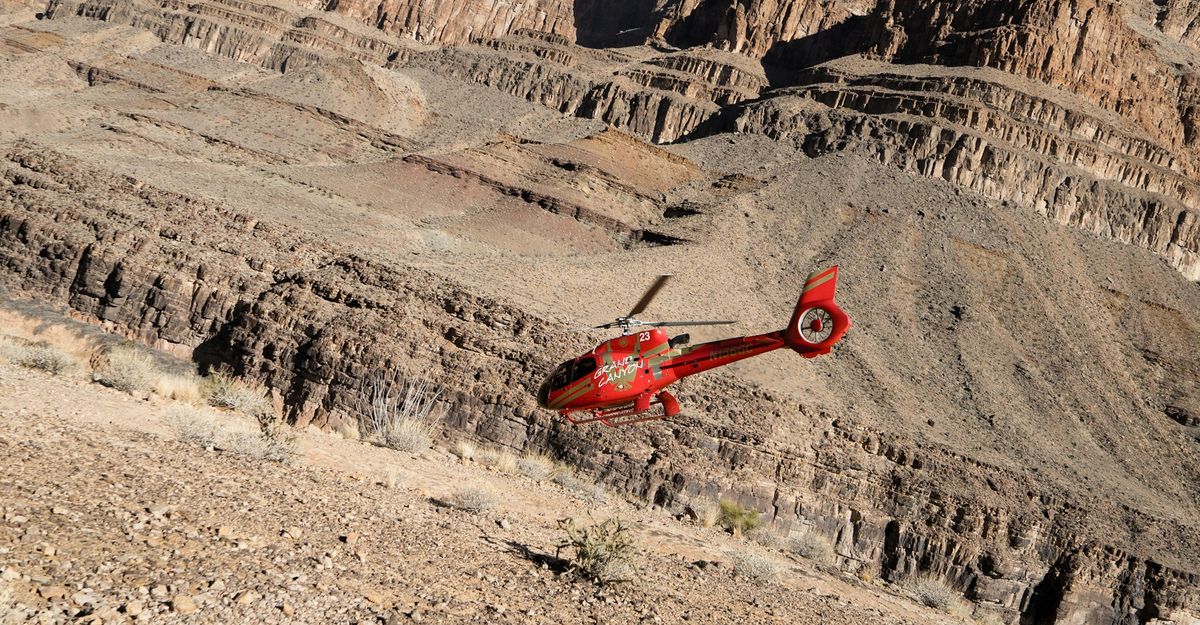 United States
Grand Canyon
A mile-deep record of the Earth’s history.
Asia, Africa & the Middle East
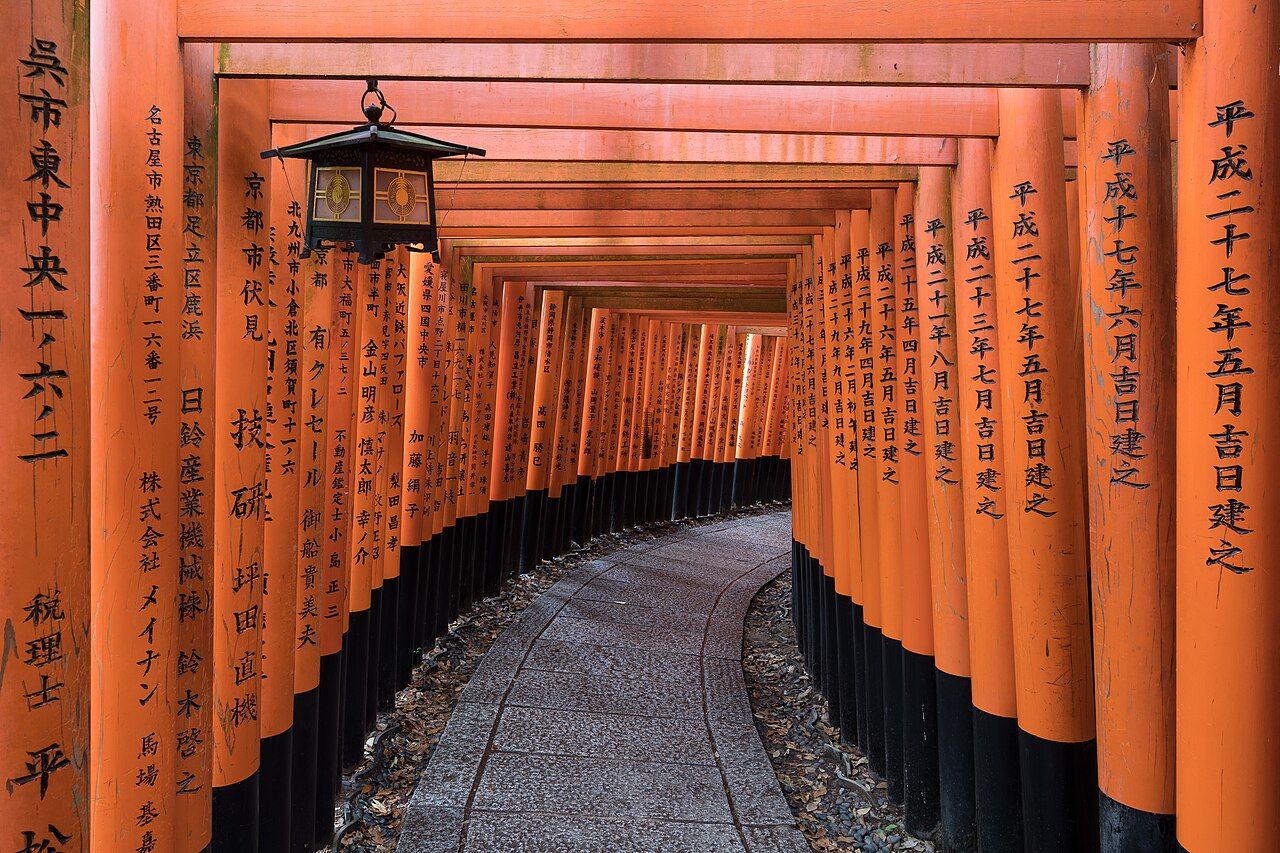 Japan
Kyoto
Temples, shrines and gardens of the ancient capital.
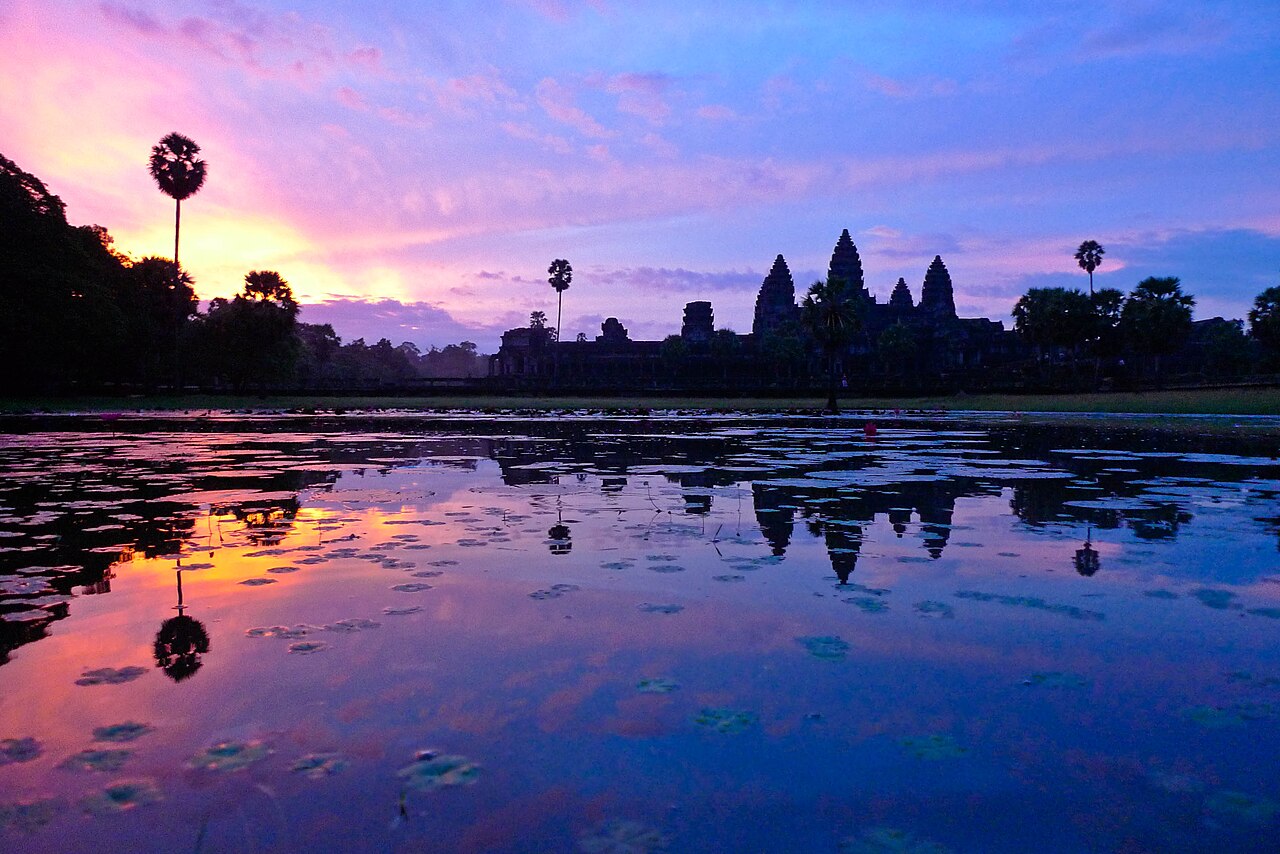 Cambodia
Siem Reap & Angkor
Angkor, the vast temple city of the Khmer Empire.
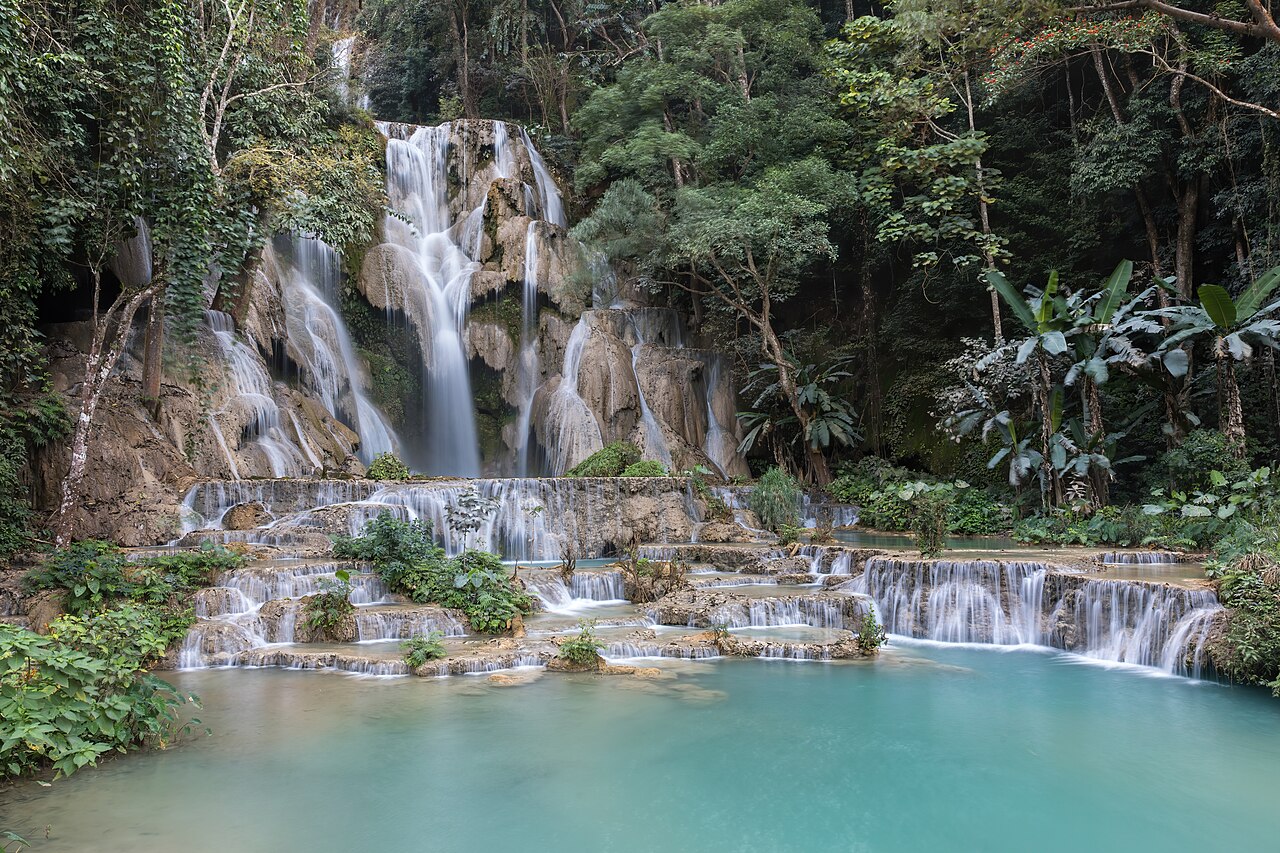 Laos
Luang Prabang
Gilded temples and saffron-robed monks on the Mekong.
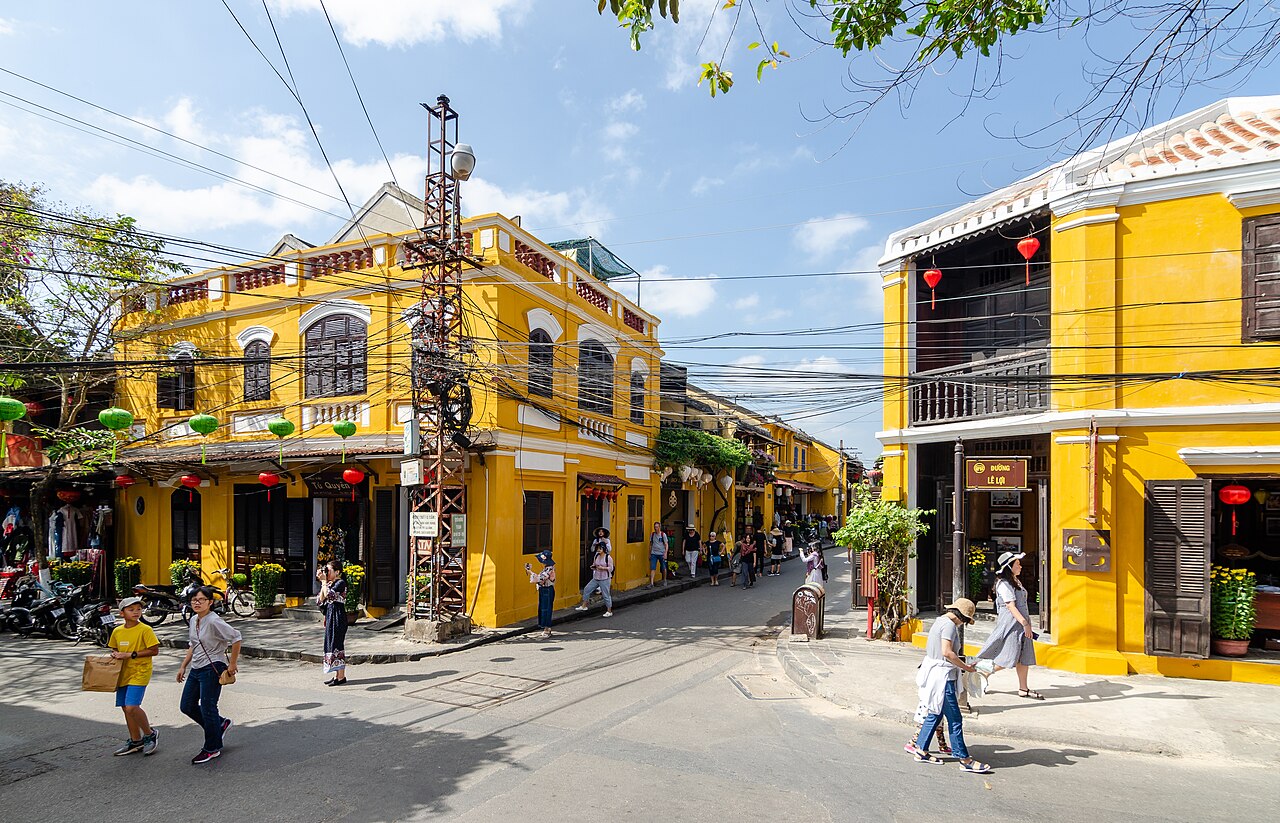 Vietnam
Hoi An & Da Nang
A lantern-lit trading port of wooden shophouses.
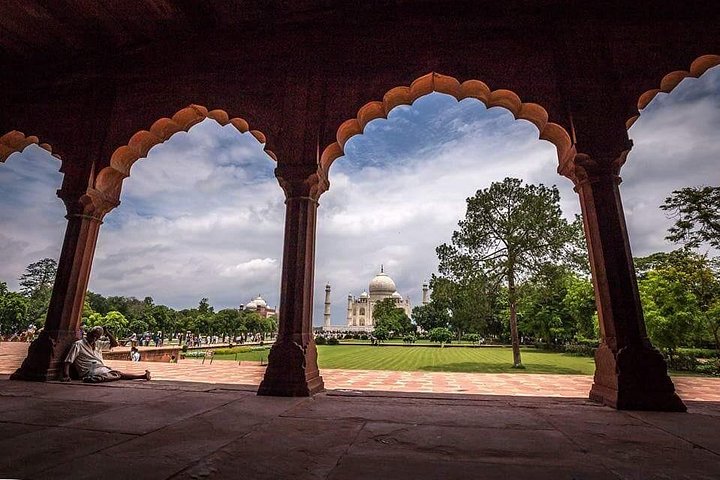 India
Agra
The Taj Mahal and the Red Fort.
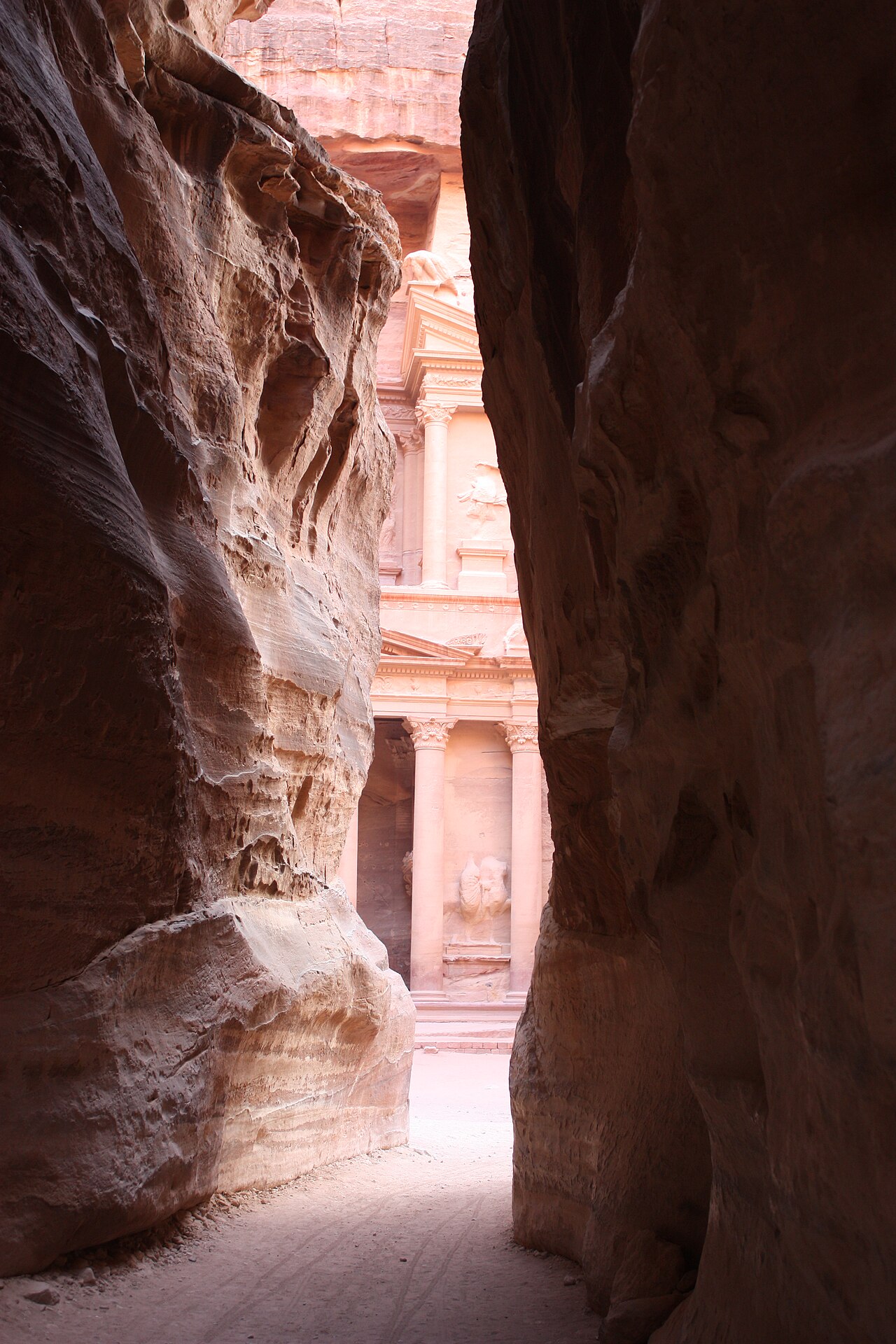 Jordan
Petra and Wadi Rum
The rose-red city carved into the cliffs.
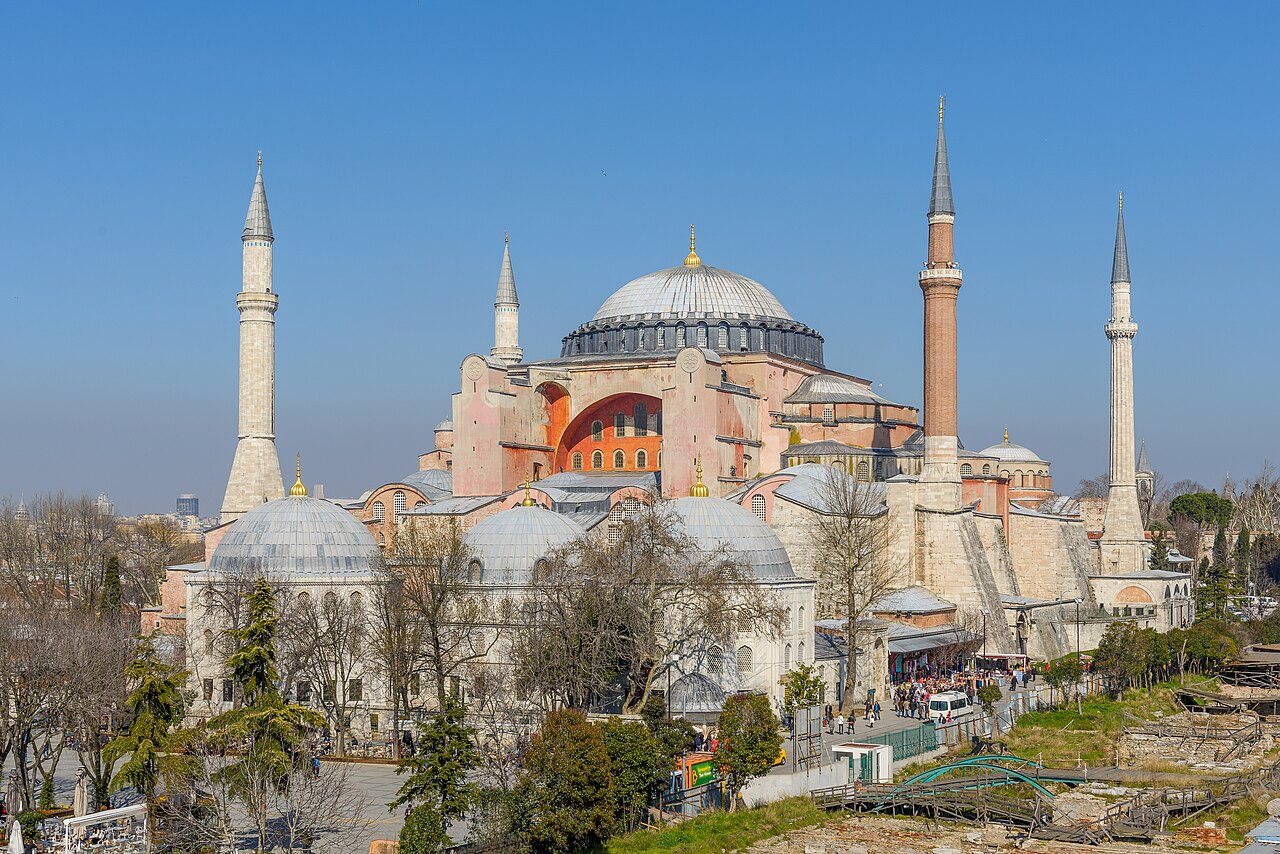 Turkey
Istanbul
Hagia Sophia, the Blue Mosque and the old city on the Bosphorus.
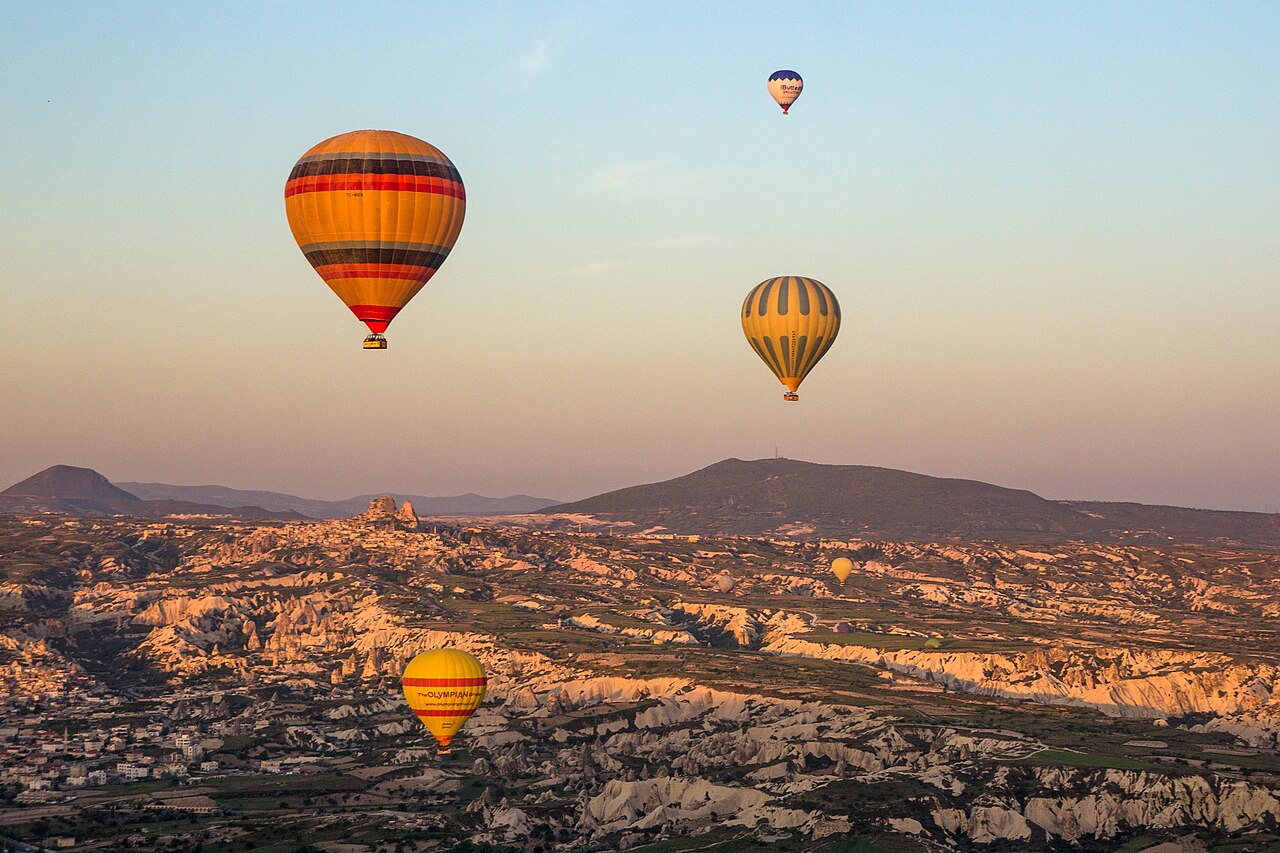 Turkey
Cappadocia
Fairy chimneys and rock-cut churches in the Göreme valley.
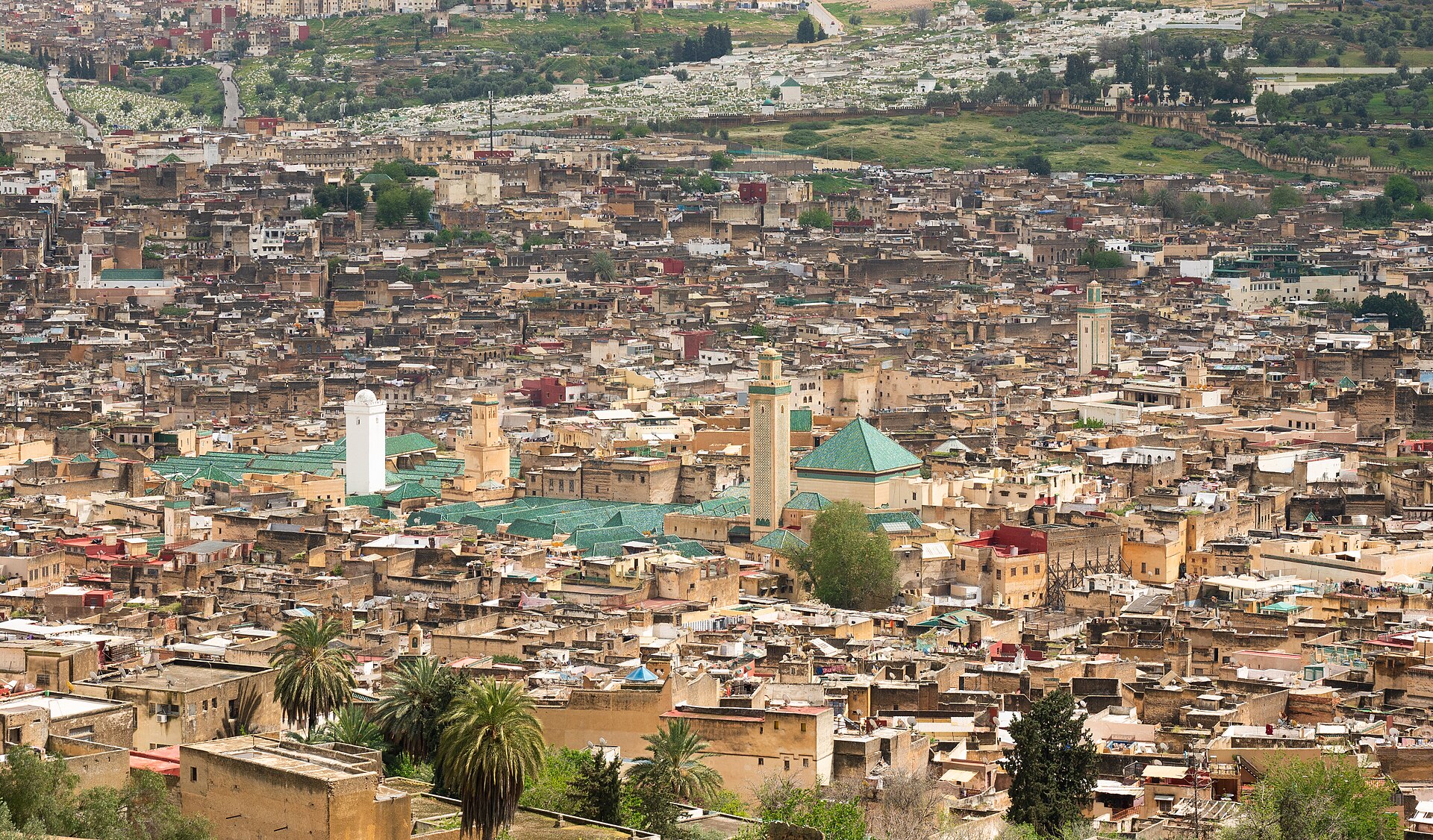 Morocco
Fes
One of the largest medieval medinas in the world.
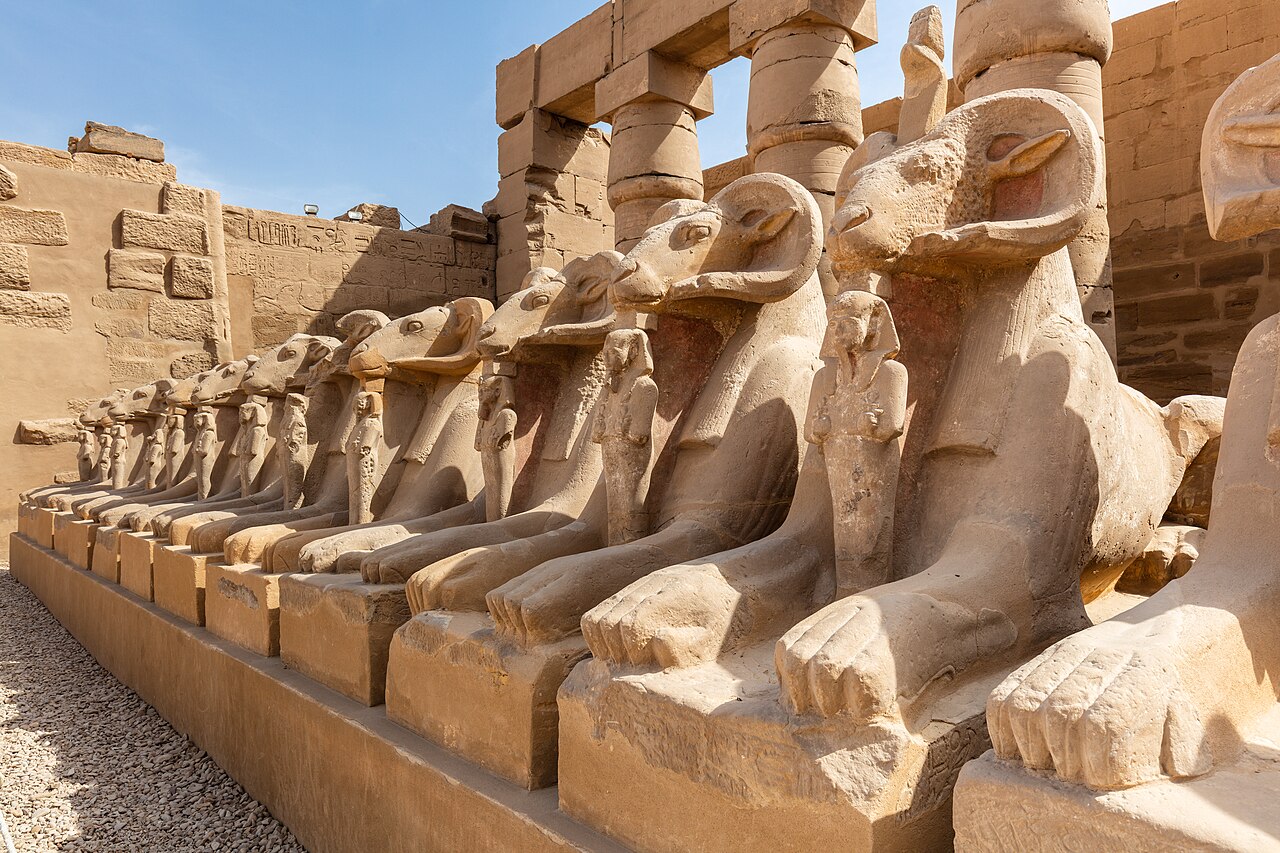 Egypt
Luxor & Aswan
Karnak, Luxor Temple and the Valley of the Kings.
Planning tips
A trip built around World Heritage places can be anything from a long weekend in one historic town to a month-long circuit, so begin by deciding what kind of heritage you enjoy. Prague, Florence, Edinburgh, Bath and Venice are compact cities where you can walk between the sights, and they suit short city breaks. Cesky Krumlov, Kotor, Matera and Sintra are smaller and work well as a night or two, either on their own or as an add-on to a nearby big city. Dubrovnik, Meteora and Plitvice Lakes combine heritage with striking scenery.
Further afield, the great ancient sites take more planning. Cusco and Machu Picchu, Siem Reap and Angkor, Petra, Luxor, Agra and Chichen Itza are the sort of places people travel across the world to see, and each deserves at least two or three days. Istanbul, Fes and Cappadocia are rich in culture and food as well as monuments. Yellowstone, the Grand Canyon and the Galapagos are natural sites, and they need a different rhythm, with early starts, hiking and wildlife. Quito and Cartagena are good for travellers who like colonial streets and lively food scenes.
The best time of year varies a lot. Popular European cities are busiest in summer, so spring and autumn are more comfortable, with fewer queues and cooler walking weather. Hot places such as Petra, Luxor, Agra and Angkor are far more pleasant in the cooler months, and early mornings are best all year round. Check seasonal rains in Southeast Asia and the Andes before choosing dates, and look at altitude if you are heading to Cusco, where it helps to spend a day or two settling in.
Common mistakes are cramming too many sites into too little time and turning up without booking. Some places limit daily numbers or sell timed entry, so check access rules before you travel and reserve in advance where needed. A local guide can bring a site to life and save time in complex places such as Istanbul, Fes or Luxor. Finally, be respectful of working places of worship and fragile sites, and follow local rules on dress, photography and where you may walk.
Questions
What is a UNESCO World Heritage site?+
It is a place of outstanding cultural or natural value that has been added to an international list kept by UNESCO, so that it can be protected for future generations. It might be a historic city, a temple complex, a national park or a natural wonder. The list changes over time, and twickly is not affiliated with UNESCO.
Do I need to book tickets in advance for World Heritage sites?+
For the busiest places, yes. Timed entry or daily limits apply at some famous sites, and popular times can sell out. It is wise to reserve ahead for places such as Machu Picchu, the Galapagos and the biggest museums and monuments in Europe. Smaller towns and open sites are usually more relaxed, but check before you go.
How many days do I need to visit a World Heritage site?+
It depends on the site. Compact towns such as Cesky Krumlov or Kotor can be enjoyed in a day or an overnight stay, while big cities like Prague, Istanbul or Florence reward three or four days. Vast sites such as Angkor or the Valley of the Kings deserve two or three days, spread out so you do not tire.
What is the best time of year to visit World Heritage destinations?+
For most European cities, spring and autumn offer the best mix of mild weather and smaller crowds. For hot regions such as Egypt, Jordan, India and Cambodia, the cooler months are far more comfortable. Always check rainy seasons and altitude too. Going early in the day helps almost everywhere, whatever the season.