Most visitors to Chengdu come for the pandas and stay for the food, but a surprising number leave talking about something they made or learned. The city has a strong culture of crafts, games and slow social rituals, and a growing number of local guides and heritage masters offer short classes that open these up to visitors. This guide explains the best of them, how to choose, and how to fit them into a trip that is otherwise full of sightseeing.
Why a class is worth your time
Sightseeing in Chengdu is wonderful, but it can be passive. A hands-on session gives you a story to tell, a skill to take home and often a conversation with a local that you would not otherwise have. Sessions are usually small, last two to four hours and suit beginners, so they slot into a half day without the commitment of a full tour.
Cook, then eat
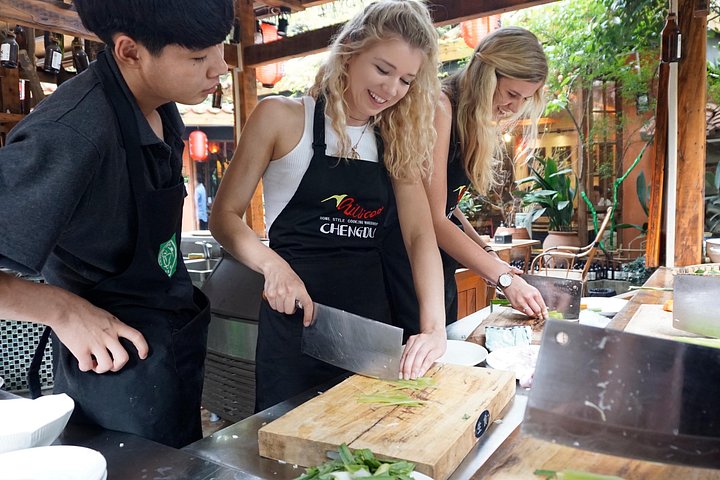
A Sichuan cooking class with a market visit is the headline experience, and it is best early in your stay, because you learn what Sichuan pepper, bean paste and chillies really do and then order more intelligently for the rest of your trip. For a deeper look at the ingredients, the herbal medicine and wet market tour shows the raw materials in bulk and explains how traditional ideas about warming and cooling foods still shape what people eat.
Learn the city’s games
Mahjong is the soundtrack of every teahouse, and the mahjong lesson in People’s Park lets you learn the basics on the spot. Afterwards, sit in a bamboo chair in the park’s teahouses and you will understand the rhythm of local afternoons: tea refilled by a server with a long-spouted kettle, conversations that drift, and tiles clicking on the table.
Try a craft
Sichuan is bamboo country, and a bamboo weaving class is a calm, absorbing way to understand why the material is everywhere, from chairs to steamers. The shadow puppetry workshop is a more playful alternative that suits families, and it pairs well with an evening of Sichuan opera to complete a day of performing arts.
Go out to the tea hills
If you have a free day, the Mount Mengding tea trip takes you out to terraced plantations where you can pick, roast and roll leaves yourself. It is the most scenic of the hands-on options, and the tea you taste afterwards tells you a great deal about what the city’s teahouses are serving.
How to choose
Pick one food experience, one craft and one game or performance, rather than stacking them all. A good rhythm is a market-and-cooking morning, a free afternoon and a show at night. Check the language of the session when you book, as some are fully in English and others use a translator, and mention allergies, mobility needs or the ages of children in advance.
Etiquette and expectations
Be patient with the process and do not expect perfection on your first attempt. Ask before photographing people at work, and treat teachers with the respect due to heritage practitioners. Buying a finished piece from a master is a good way to say thank you.
A sample day
Start with the Wenshu Monastery and food walk in the morning, take a quiet lunch, join a bamboo weaving or puppetry workshop in the afternoon, and finish with hot pot and a show in the evening. It is a gentle day with no early alarm, a good contrast to a 6 a.m. start for the pandas.
Practical notes
Most workshops are indoors, which makes them ideal for wet or very hot days. Sessions can sell out in busy periods, so book a few days ahead where possible, particularly around China’s national holidays. Bring a small bag for what you make, and ask about shipping if you buy larger pieces.
Beyond the classroom
Many of these experiences have a natural follow-up in the city itself. After weaving, look at the bamboo chairs in every teahouse. After the market tour, watch how the stallholders at street food stands balance spice, oil and salt. After mahjong, notice the tables in the lanes. Small connections like these are what turn a list of sights into a place you understand, and they stay with you long after the souvenirs have been unpacked.