Delhi is often described as a city of seven cities, and historians count even more. Rulers from different dynasties built new capitals on the plain beside the Yamuna, each time abandoning the previous one and leaving ruins that now dot the modern metropolis. Follow them in order and you read the story of northern India in stone, from the Delhi Sultanate to the Mughals to the British Raj. This guide suggests a route.
The first cities: Mehrauli and Qutub Minar
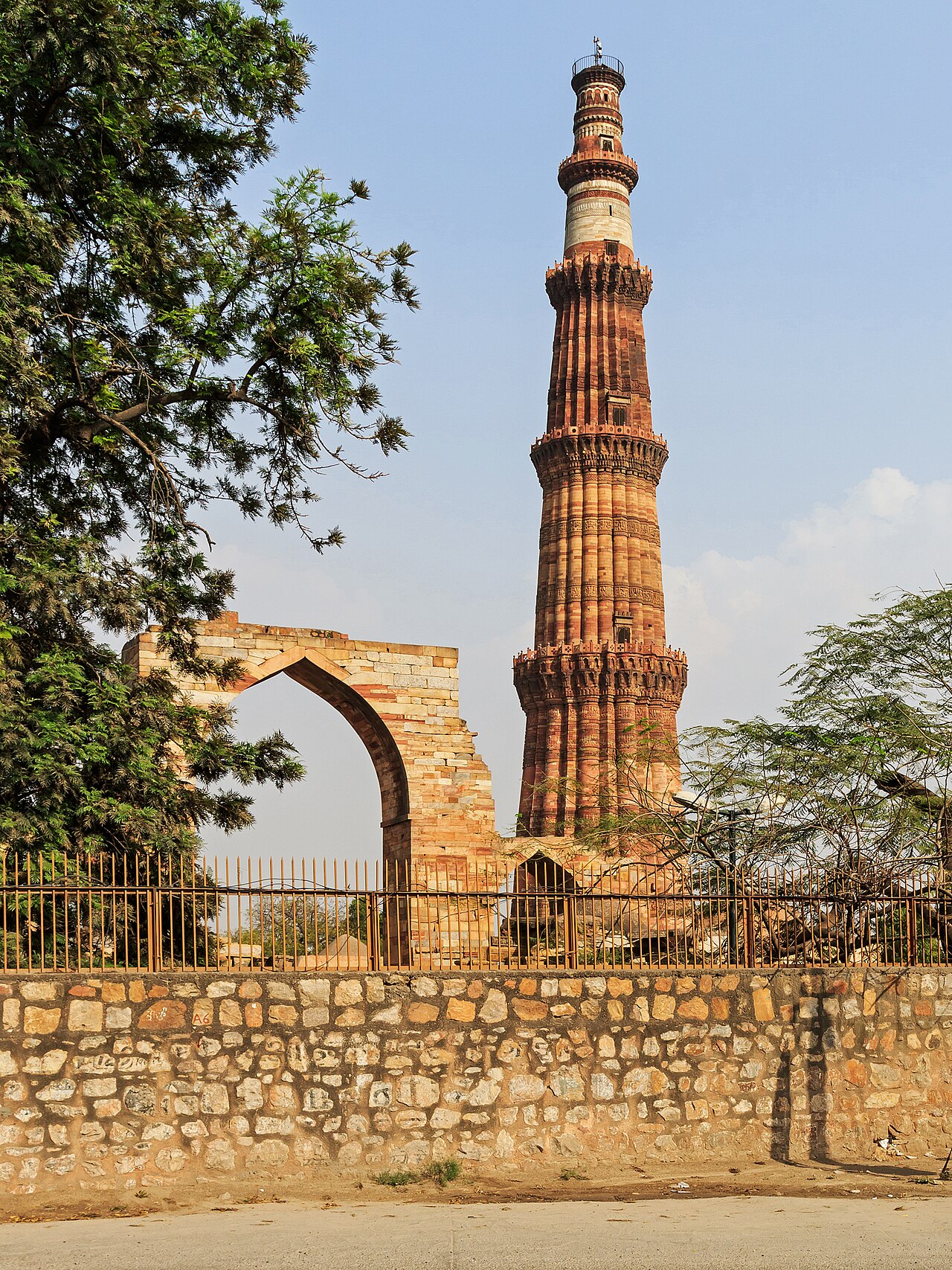
The story of Islamic Delhi begins in the late twelfth century, when the sultans of the Slave dynasty built the Qutub Minar, a soaring red sandstone tower covered in carved inscriptions, beside the first mosque in India. The surrounding Mehrauli Archaeological Park is a sprawling landscape of tombs, stepwells and mosques that rewards a guided walk. Start your trail here, in the morning when the monuments are quiet, and notice the iron pillar and the fragments of older temples reused in the mosque.
Siri and Hauz Khas
In the early fourteenth century, Alauddin Khalji built his city of Siri and dug a great reservoir to supply it. A generation later, Firoz Shah Tughlaq added a madrasa and his own tomb along the water, creating the ruins now at the heart of Hauz Khas Village. Visit in the afternoon, walk beside the lake and sample the modern cafés that now occupy the neighbouring lanes.
Tughlaqabad: the brooding third city
Ghiyasuddin Tughlaq built a vast fortress with sloping walls in the 1320s, only to see it abandoned within a few years. Legend blames a curse by the saint Nizamuddin Auliya. Tughlaqabad is remote and wild, so take a guide and go early. The nearby dargah of Nizamuddin, still alive with qawwali music on Thursday evenings, is a living counterpart to the dead city.
The Old Fort: Dinpanah and Purana Qila
The Mughal emperor Humayun began a new city here in the 1530s, and Sher Shah Suri completed and renamed it after seizing power. Walk through the gates to see the mosque and the Sher Mandal, then return after dark for the light and sound show, which retells the history of all the cities.
Humayun’s Tomb and the Mughal garden
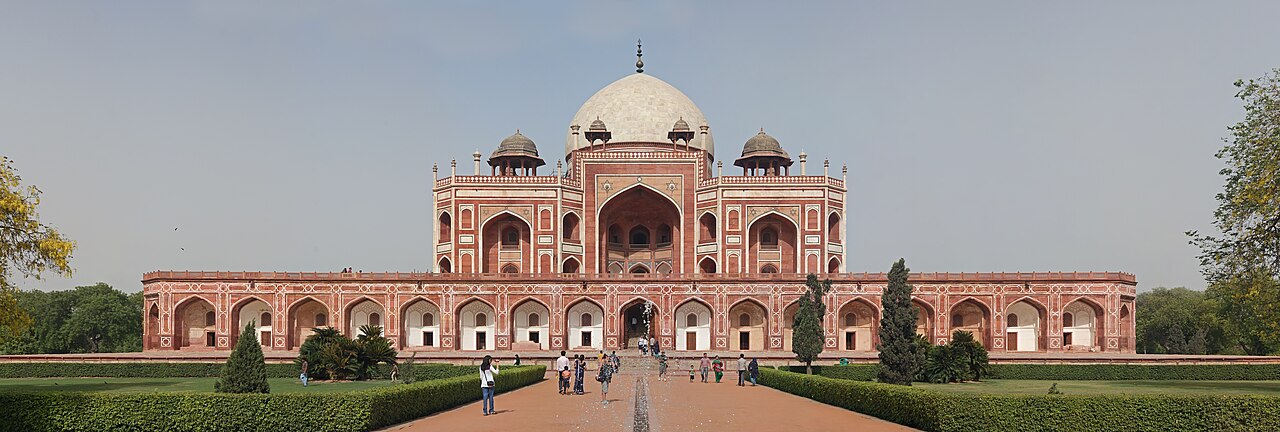
After Humayun died, his widow commissioned the great garden tomb near the dargah in the 1560s, the first major Mughal monument of its kind and the model for the Taj Mahal. Spend a morning here, with Sunder Nursery’s restored gardens next door. If you want to see the tradition’s late flowering, add Safdarjung’s Tomb, built two centuries later.
Shahjahanabad: the Red Fort and Old Delhi
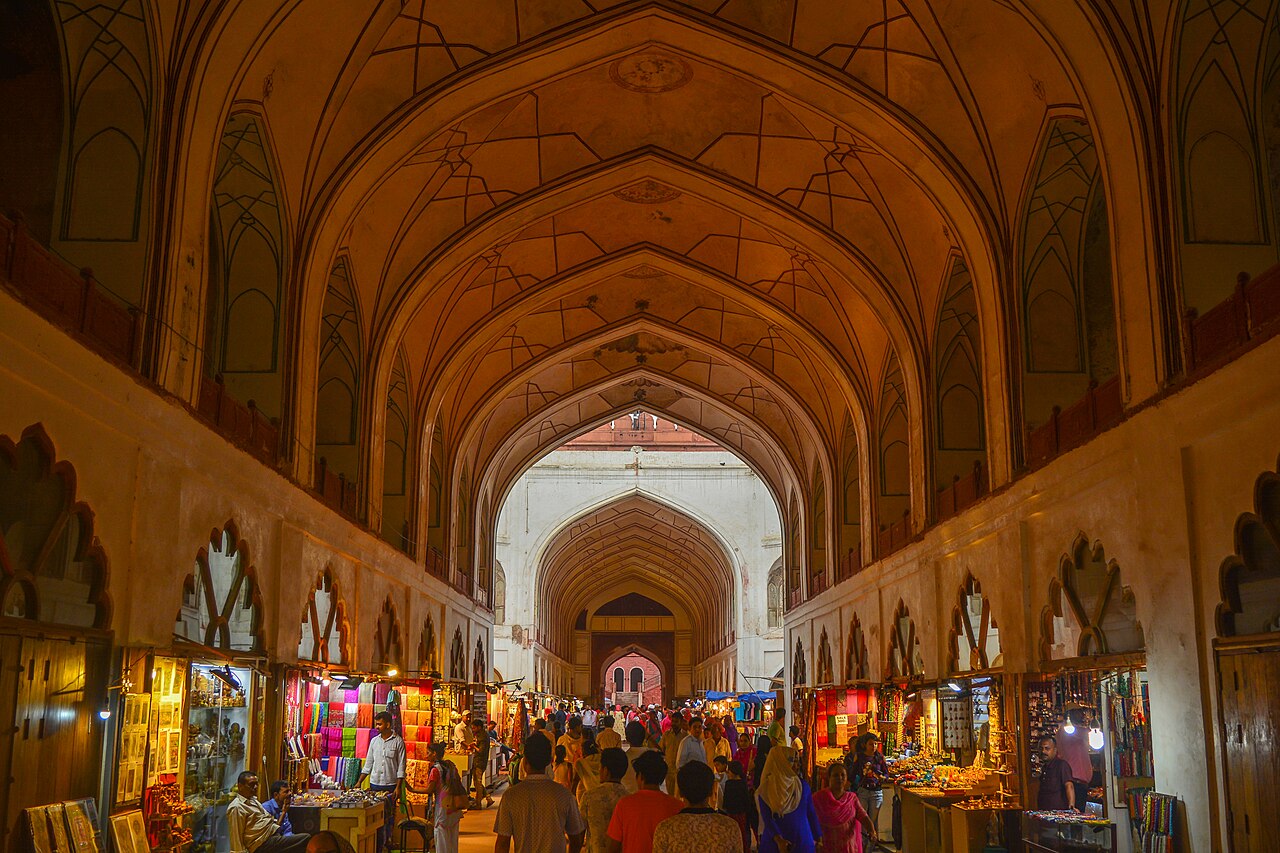
In the 1640s, Shah Jahan moved the Mughal capital back to Delhi and built a walled city with the Red Fort, Jama Masjid and the avenue of Chandni Chowk. This is the Delhi most people picture, and it is still a living bazaar. See the fort in the morning, join a rickshaw ride or a food walk, and visit the mosque at the end of the day.
New Delhi: the last city
The British laid out a ceremonial capital to the south in the 1910s and 1920s, designed by Edwin Lutyens and Herbert Baker. Rashtrapati Bhavan, Parliament House and India Gate form its axis, and a guided tour or an early-morning cycle ride is the best way to see them. Finish with a visit to the National Museum to see the objects that link the eras.
A three-day plan
On day one, follow the sultans: Qutub Minar and Mehrauli in the morning, Hauz Khas in the afternoon. On day two, spend the morning at Humayun’s Tomb and Safdarjung’s Tomb, visit Nizamuddin in the afternoon and watch the Purana Qila show in the evening. On day three, visit the Red Fort and Old Delhi, then spend the afternoon in Lutyens’ Delhi. If you have an extra day, add Tughlaqabad.
Practical tips
Most monuments open from sunrise to sunset and charge modest fees for foreign visitors. Wear comfortable shoes, carry water and a hat, and hire a guide for the larger sites. Dress modestly for the mosques and dargahs, and remove your shoes where required. Delhi’s monuments are best enjoyed in the cooler months from October to March.
A final thought
Do not try to see every ruin. Choose two or three that appeal, give them time and let the guide tell the stories. The pleasure of this trail is in noticing how each capital borrowed from the last, and how the same stones, domes and gardens appear again and again.