Travel ideas
Festivals & carnivals
Some trips are worth timing around one event: carnival parades, lantern nights, beer halls and colour fights. Here are the world’s great festivals, month by month.
Many festivals follow lunar or religious calendars, so the exact dates move from year to year. Hotels fill months ahead, so book early once the dates are set.
Winter: January & February


Carnival season: February & March
 Brazil
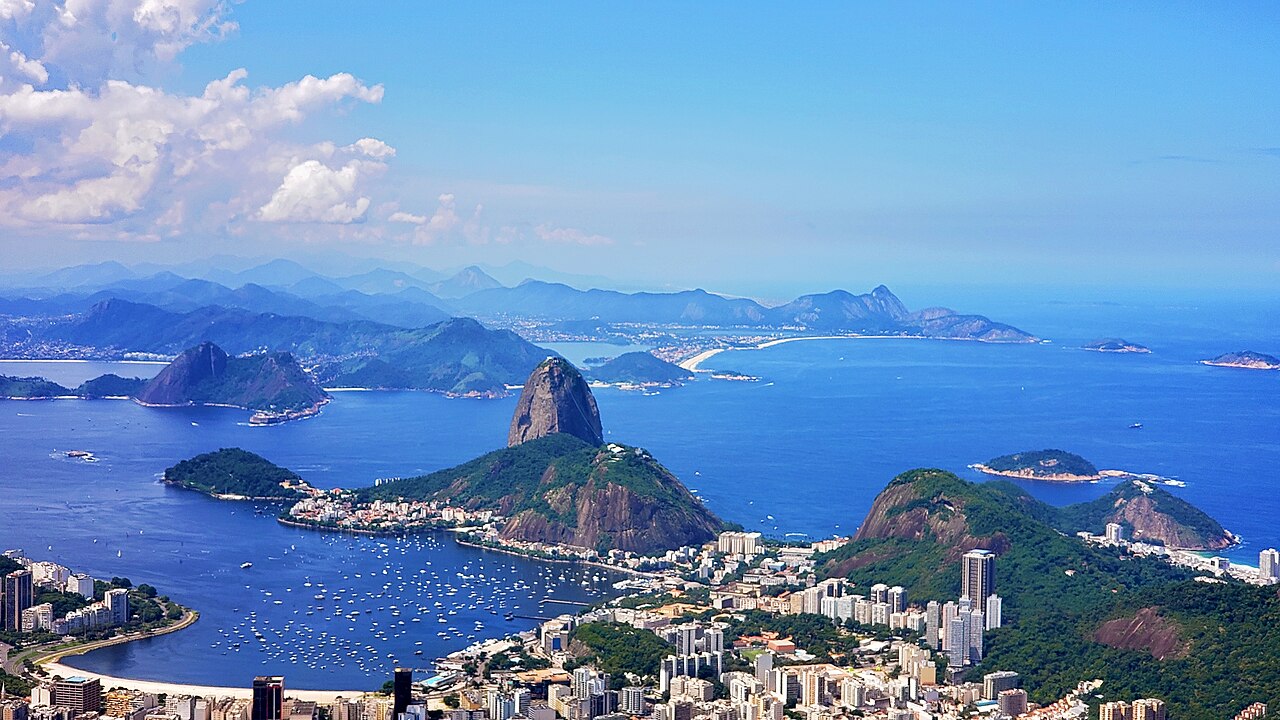
Rio de Janeiro
Samba schools in the Sambadrome and street parties all over the city.
 United States
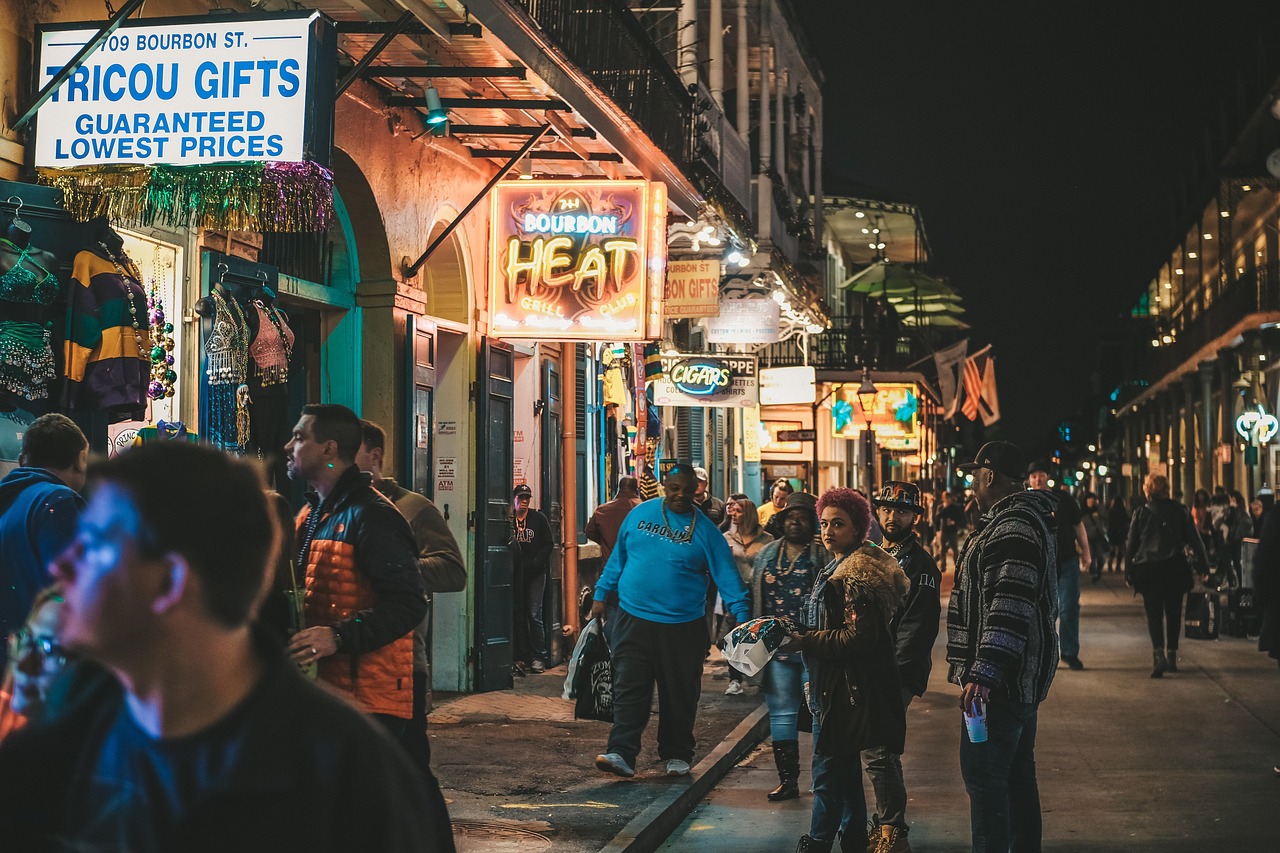
New Orleans
Mardi Gras parades, beads and brass bands.
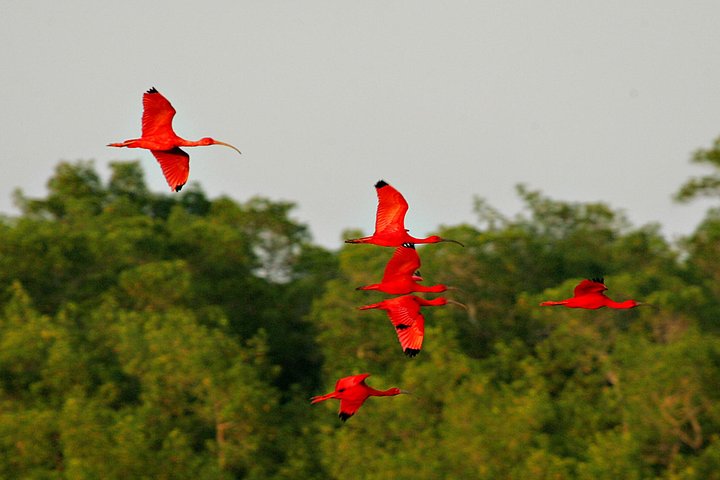 Trinidad and Tobago
Trinidad & Tobago
The Caribbean’s biggest carnival, with soca and steel pan.
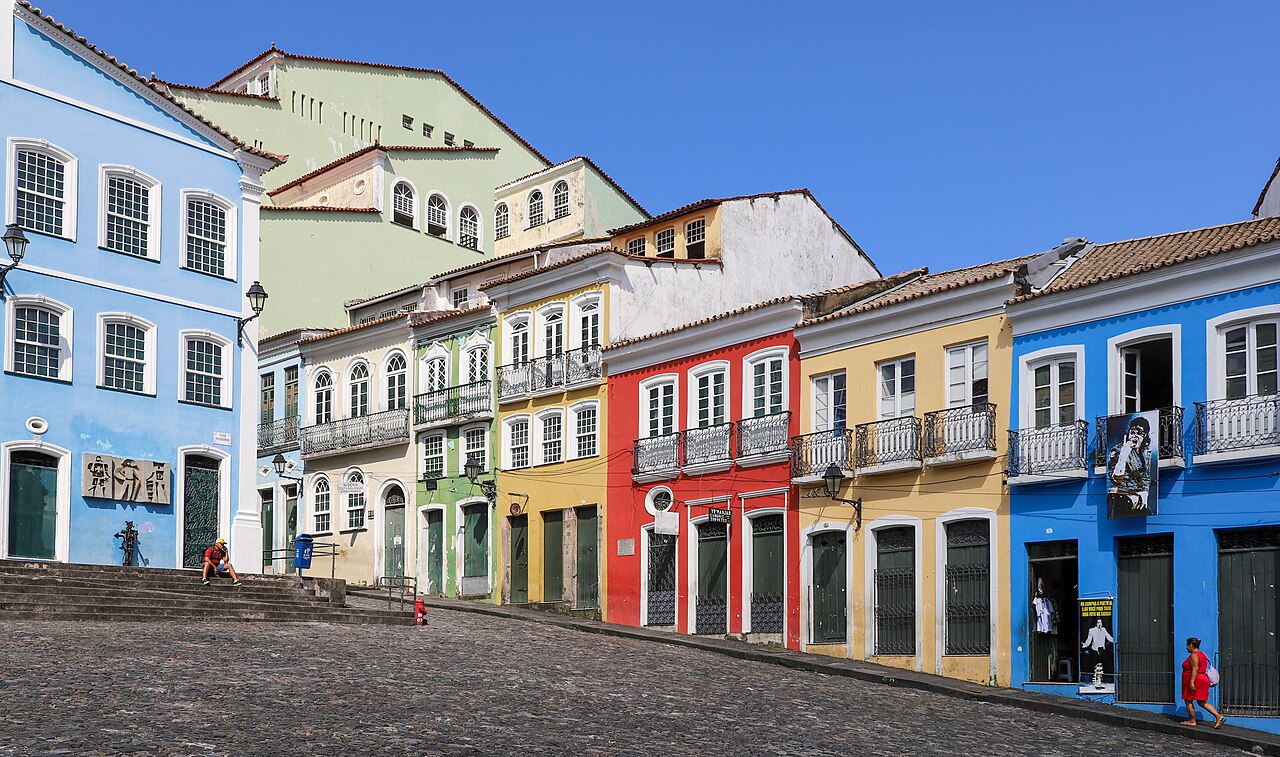 Brazil
Salvador
Brazil’s Afro-Brazilian carnival, danced behind music trucks.
Spring: March & April


Summer: June to August

Autumn: September to November
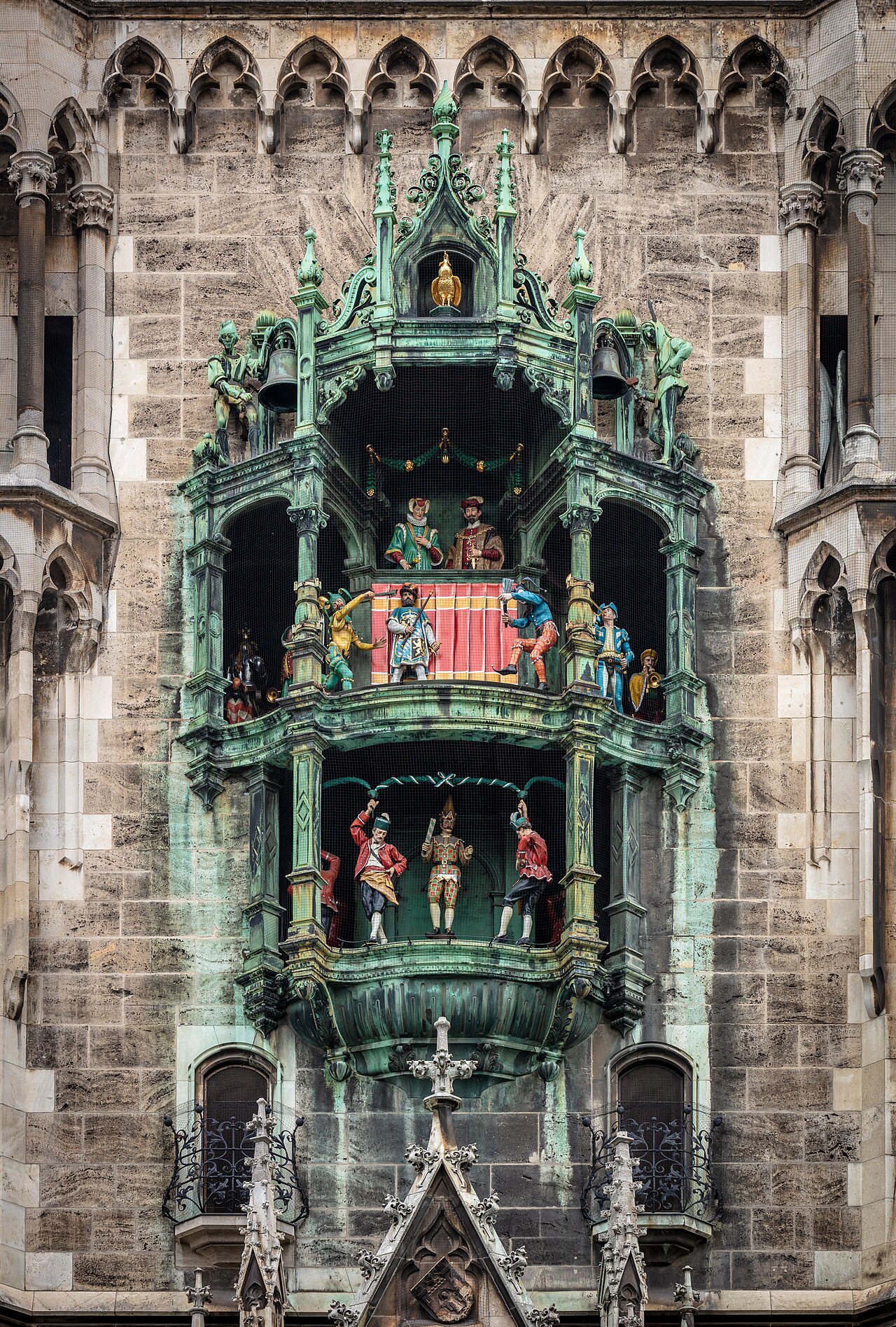 Germany
Munich
Oktoberfest, which mostly takes place in late September.
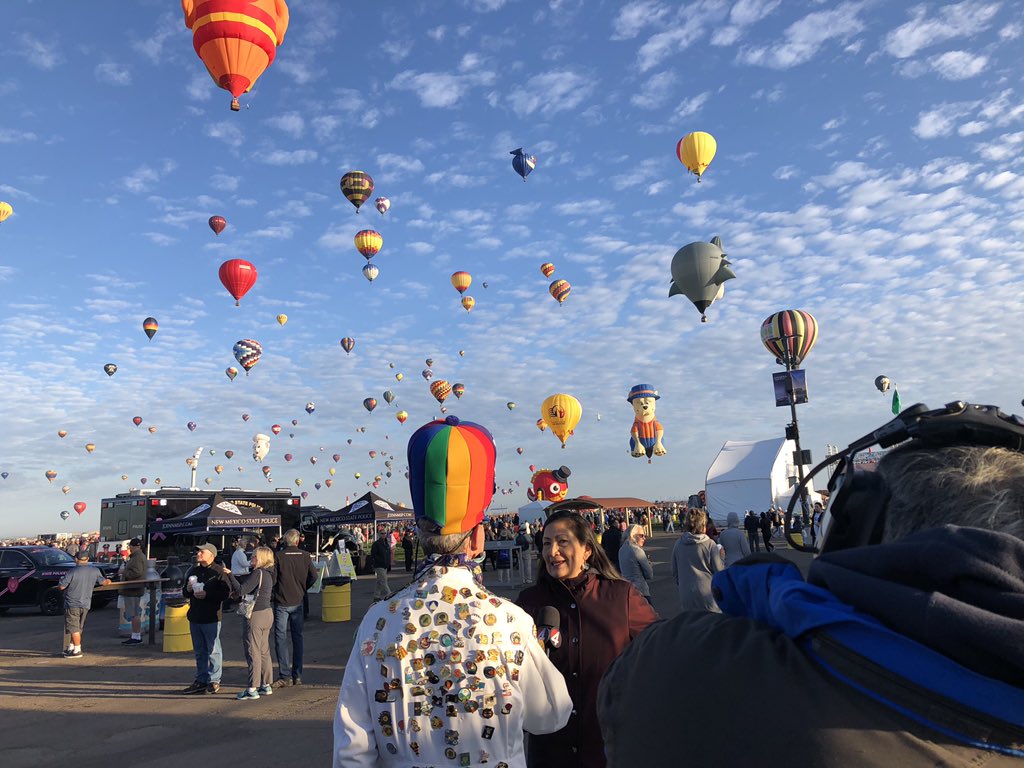 United States
Albuquerque
The Balloon Fiesta fills the October sky.
 Mexico
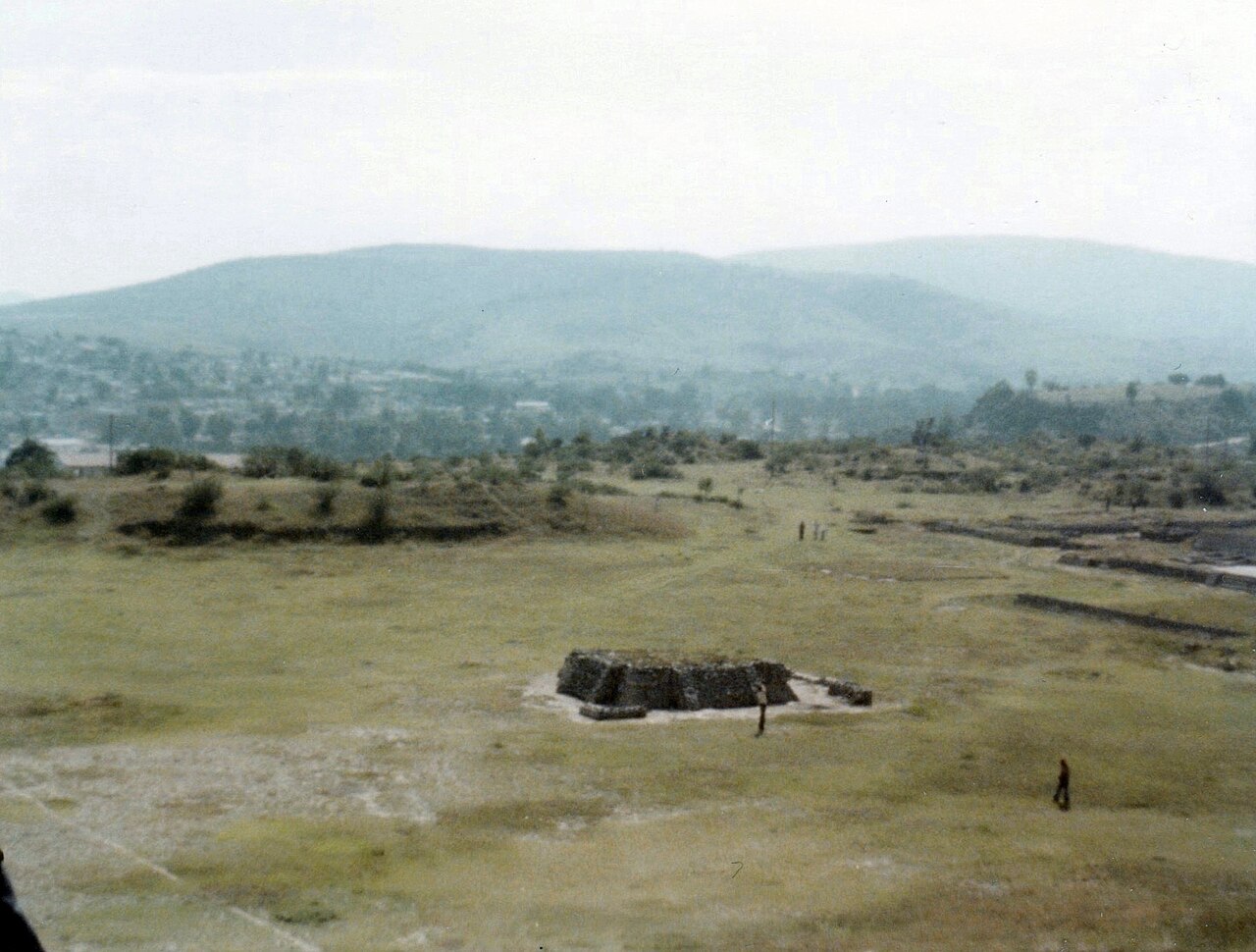
Oaxaca
Day of the Dead altars, marigolds and night-time cemeteries.
 Mexico
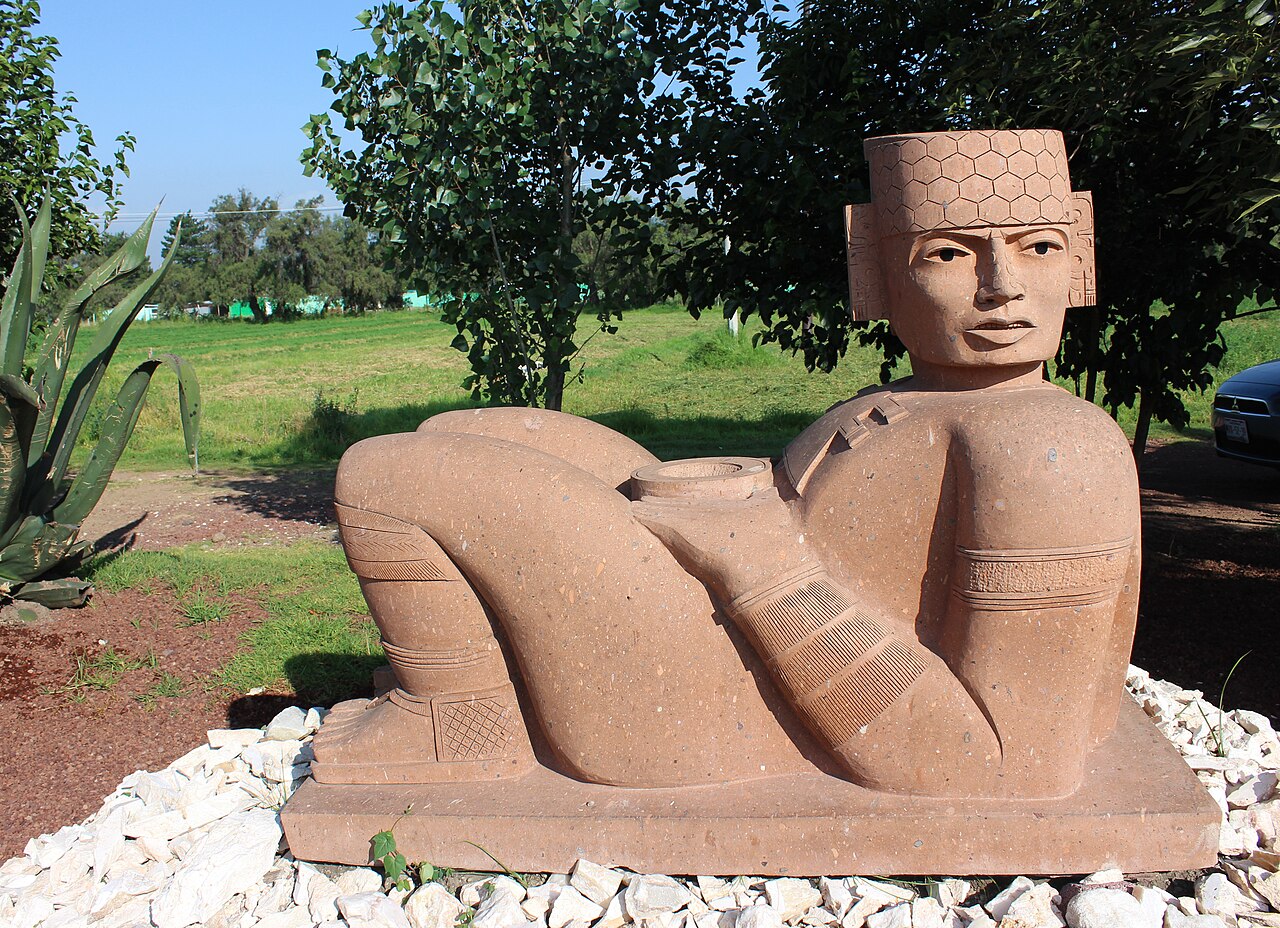
 City
Day of the Dead parades and ofrendas across the city.
 India
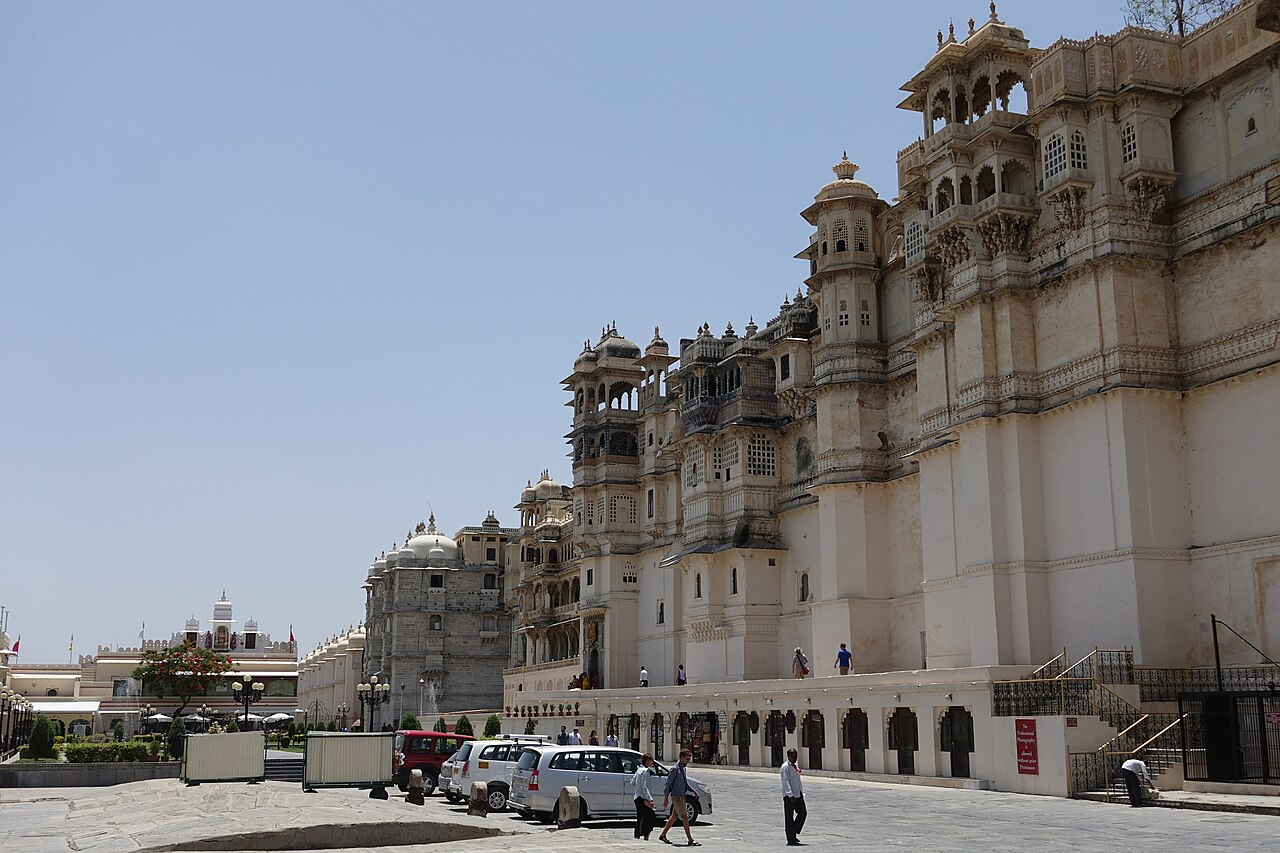
Udaipur
Diwali lights on the lake palaces.
 Thailand
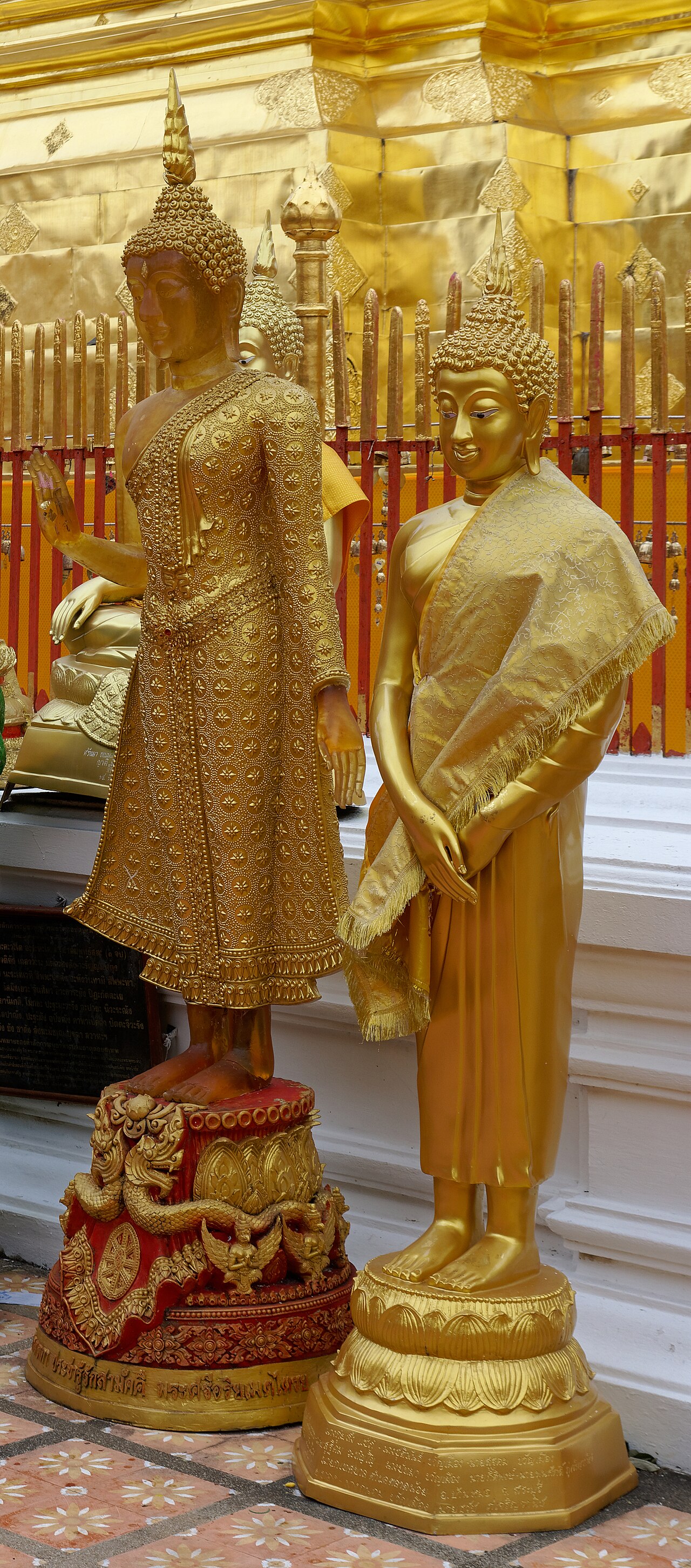
Chiang Mai
Yi Peng lanterns in November, and the most famous Songkran in April.
Planning tips
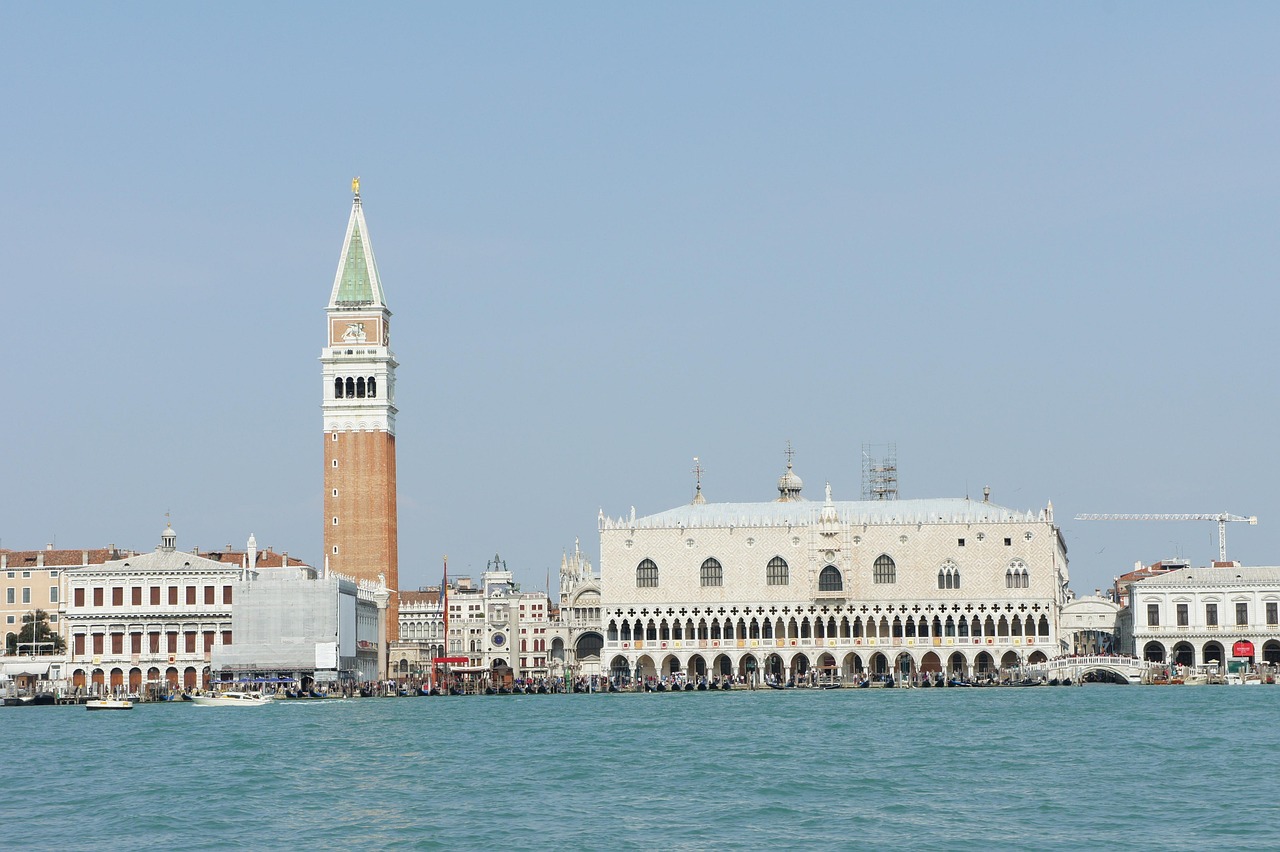
The golden rule for festival travel is to book early and to think about what kind of crowd you are happy to be in. Carnival in Rio de Janeiro, Salvador, Trinidad and Tobago and New Orleans is joyous but loud, busy and late-night. Venice Carnival is more about costume, photography and elegant evenings. If you prefer culture to crowds, consider Seville's Holy Week, Kyoto's Gion Matsuri or the Day of the Dead in Oaxaca and Mexico City.
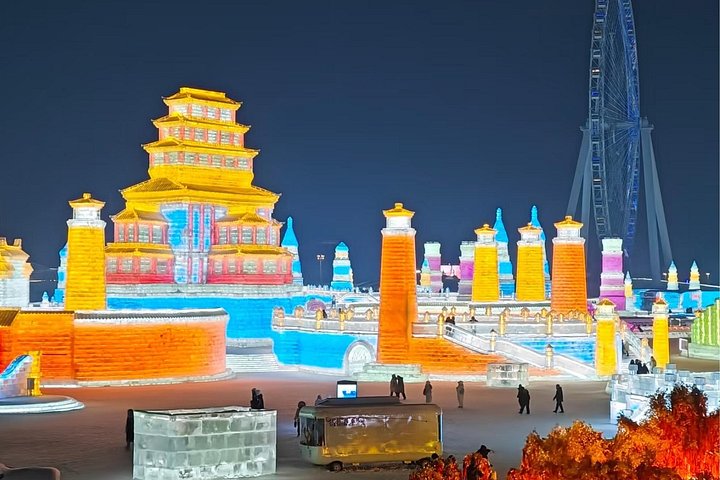
Each festival suits a different traveller. Las Fallas in Valencia, Songkran in Bangkok and Holi in Jaipur are participatory, and you will get wet or covered in colour, so bring old clothes and protect your phone. Oktoberfest in Munich and the Edinburgh Fringe are about food, drink and entertainment. The Balloon Fiesta in Albuquerque is a dawn spectacle that suits families. Harbin, Sapporo and Quebec City offer winter wonderlands for those who do not mind the cold.
Because many festivals follow lunar or religious calendars, exact dates change each year. Check them before you commit to flights, and book accommodation as soon as the dates are confirmed. Prices rise and minimum stays often apply. A cancellable booking is worth the small extra cost. For events with tickets, such as the Sambadrome parades, buy from a reputable source and avoid street resellers.
Plan to arrive a day or two early so you can settle in and learn the layout of the city. Leave a day afterwards, too, because transport can be disrupted. A long weekend works for many events, but larger ones deserve four or five days. If you can, combine a festival with a few quieter days nearby so you see the place when it is not in party mode. Common mistakes are leaving it too late to book, underestimating crowds and heat, and forgetting local customs. Keep valuables close, agree a meeting point with your group, wear comfortable shoes and carry water. Respect religious elements, such as processions and cemetery visits, and ask before photographing people.
Questions
What is the best festival in the world to travel for?+
There is no single best, as it depends on your taste. Rio's Carnival is the biggest and loudest, Oktoberfest is great for food and beer, Holi is vivid and participatory, and the Day of the Dead is moving and beautiful. Pick the one that matches your energy level and the season you want to travel in.
How far in advance should I book for a festival?+
As early as you can, ideally six months ahead for the biggest events such as Carnival, Oktoberfest and the Edinburgh Fringe. Hotels sell out, and prices climb as the dates approach. Book with free cancellation if possible, because exact dates for some festivals are confirmed late and can shift from year to year.
When is Carnival, and does the date change?+
Carnival is tied to the Christian calendar, falling in the days before Lent, so its date moves each year, usually between February and early March. Mardi Gras in New Orleans, Rio Carnival and Venice all follow this pattern. Check the calendar for the year you travel, and plan to arrive several days beforehand.
Are festivals safe for tourists?+
Generally yes, but large crowds bring pickpockets and busy streets. Keep valuables in a front pocket or a zipped bag, avoid carrying more cash than you need and agree a meeting point with friends. Use licensed taxis, drink responsibly and follow local advice. Check your government's travel guidance before you go.