
Ways to explore
Whale & dolphin watching
Boat trips to see whales, dolphins and orcas in the wild. 192 picks across 124 destinations.
The best of the best
AlaskaJuneau Whale Watching and Mendenhall Glacier Tour
A 4.5-hour combination of whale watching in Juneau waters and a stop at Mendenhall Glacier, with one of the most-reviewed a listings in Alaska.
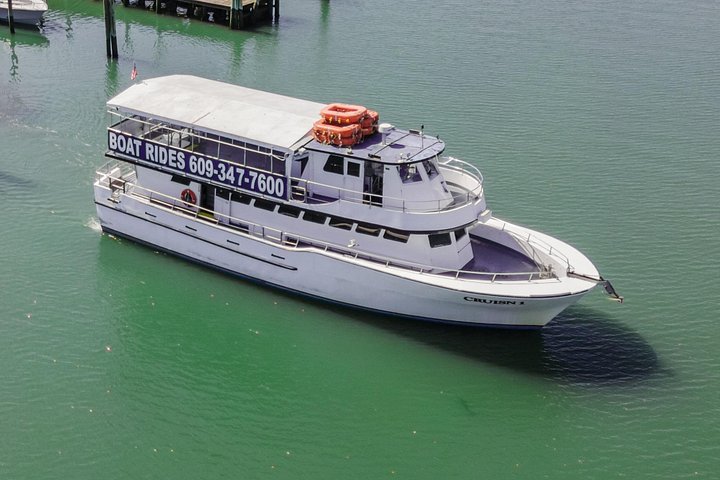 Atlantic City
Dolphin Watching Cruise
A boat trip along the Atlantic City waterfront and out toward the open ocean to look for bottlenose dolphins, seabirds and the skyline from the water.
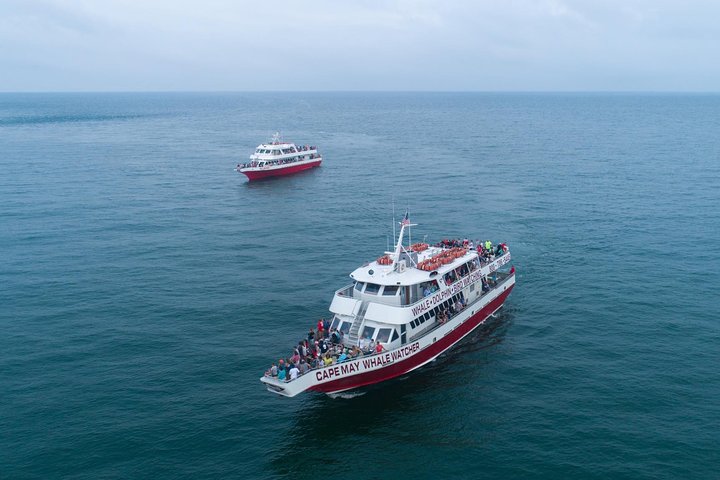 Cape May
 Whale and Dolphin Watching Cruise
The classic Cape May boat trip: a narrated cruise out past the jetties and into the Atlantic and Delaware Bay waters, looking for bottlenose dolphins year after year and, in the right season, the occasional whale.
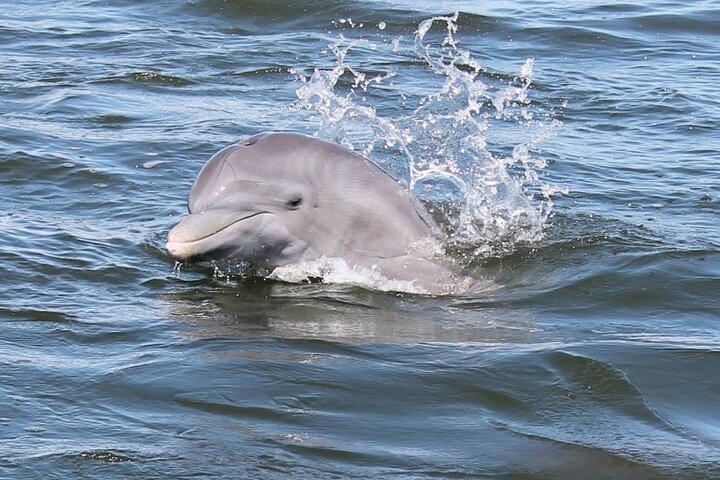 Cocoa Beach & the Space Coast
Cocoa Beach Dolphin and Wildlife Tour
A relaxed narrated boat cruise on the lagoon waters behind Cocoa Beach, looking for dolphins, manatees and shorebirds.
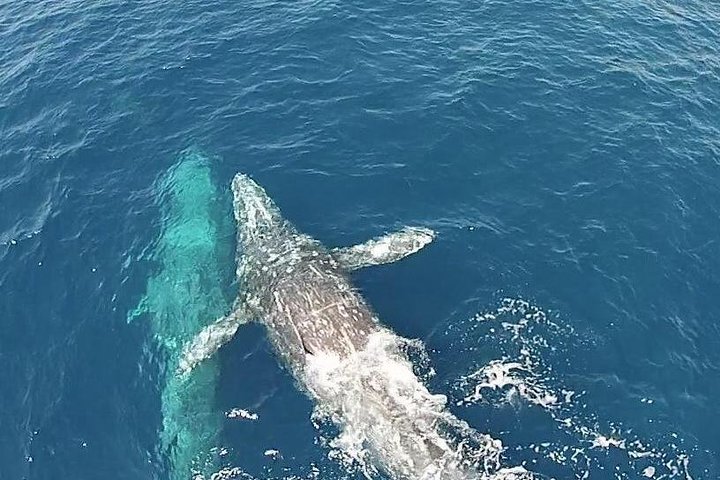 Dana Point
 Whale Watching Excursion
The signature Dana Point outing: a boat leaving the harbor for a few hours of dolphins year-round and whales in season, with gray whales on their winter migration and blue whales in summer.
 Fort Myers & Sanibel
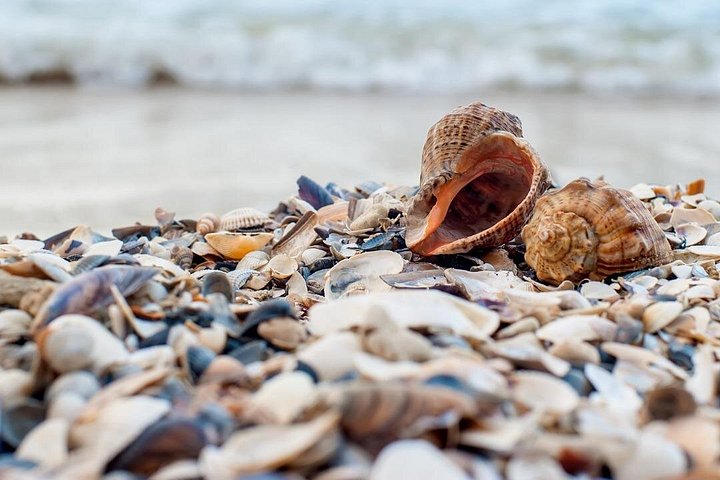
Shelling and Dolphin Kayak Tour
A guided paddle of about two and a half hours that combines shell hunting with dolphin watching.
 Gulf Shores & Orange Beach
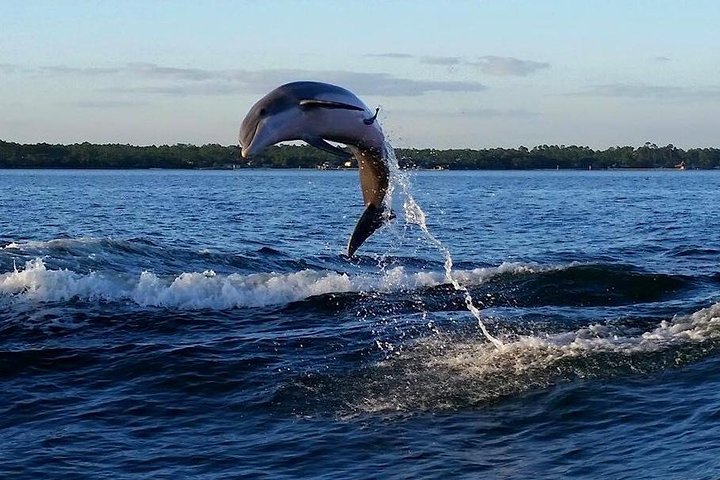
Alabama Gulf Coast Dolphin Cruise
A classic narrated dolphin-watching cruise out of Orange Beach, aimed at families and first-timers.
 Juneau
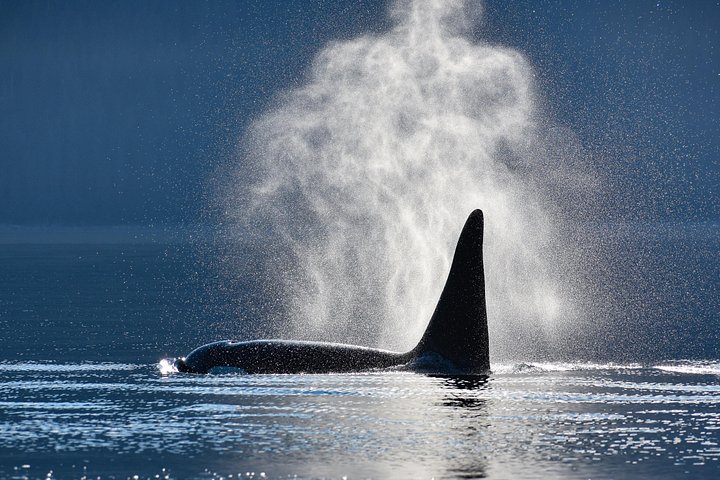
 Whale Watching Cruise
A three-hour whale watching cruise from Juneau into the channels where humpbacks feed all summer, with a naturalist on board and a good chance of orcas, sea lions and eagles.
By destination
San Juan Islands · 5
Dana Point · 4
Cape May · 3
Daytona Beach · 3
Juneau · 3
Pensacola · 3
Puerto Vallarta · 3
Destin & 30A · 2
Bocas del Toro · 2
Florianopolis · 2
Guayaquil · 2
Maldives · 2
Tenerife · 2
Tips: whale & dolphin watching
Whale and dolphin watching is a wildlife trip, which means nothing is guaranteed and that is part of the appeal. A good operator takes you out on a boat for a few hours, follows sensible distances from the animals, and has a naturalist or experienced skipper who can read the water. When the sightings come, from a dorsal fin in the bay to an orca surfacing near the boat, they tend to be the highlight of a trip.
What separates a good trip from a poor one is conduct and honesty. Choose operators who keep a respectful distance, never chase or crowd the animals, and talk openly about the odds. Smaller boats feel closer to the water, while larger vessels are steadier if you are prone to motion sickness. Look for trips of two to four hours, since shorter ones can feel hurried. Bring layers, because it is always colder and windier on the water, plus sun protection, a hat and a camera with a zoom if you have one. Take seasickness remedies before leaving the dock if you are prone to it.
Where you go decides what you see. The San Juan Islands in Washington are well known for orcas in summer. Puerto Madryn in Argentina is famous for southern right whales, which come to nearby waters in the cooler half of the year. The Gulf Coast of Florida and Texas, including Panama City Beach, South Padre Island, Fort Myers, Gulf Shores and Pensacola, is excellent for bottlenose dolphins, often year-round and from calm waters. Akureyri in Iceland offers whales in the north, while Dana Point and Cape May are good bets for both dolphins and larger whales at the right season.
Common mistakes are expecting a guarantee, going out on a rough day without preparing for it, and choosing the cheapest boat without checking how it behaves around wildlife. Do not go in a hurry; mornings are often calmer and evenings are beautiful. Be ready to wait, keep your eyes on the horizon, and listen to the crew. Sightings often come in bursts after a long quiet stretch, so patience pays off.
Questions
When is the best time to go whale watching?+
It depends on the species and place. Many whale populations migrate, so each region has a season, often a few months long, when they pass through or gather to feed or breed. Dolphins are often around year-round. Check the season for your chosen destination, and book in the middle of it rather than at the edges.
Will I definitely see whales or dolphins?+
No operator can promise it, because these are wild animals. Reputable companies say so honestly, and some offer a repeat trip if you see nothing. Dolphin trips in sheltered coastal waters have very high success rates in the right season, while whale trips vary more with weather and migration. Go with realistic hopes and enjoy the seabirds and scenery too.
What should I wear and bring on a whale watching boat?+
Wear several layers, a windproof jacket and non-slip shoes, even on a warm day, because it is cooler and breezier on the water. Bring sunglasses, a hat, sun cream, water and a camera with a zoom or binoculars. If you tend to feel sick on boats, take a remedy before boarding and sit near the middle of the vessel.
Is whale and dolphin watching suitable for children?+
Usually yes, and many families love it, though very young children need supervision near the rails and may find long trips tiring. Choose shorter dolphin cruises in calm bays for little ones, and check the boat's age rules and life jacket sizes. Bring snacks and warm layers, and tell children that patience is part of the fun.