Ways to explore
Markets & shopping
Food markets, bazaars, night markets and the best shopping streets. 429 picks across 302 destinations.
The best of the best
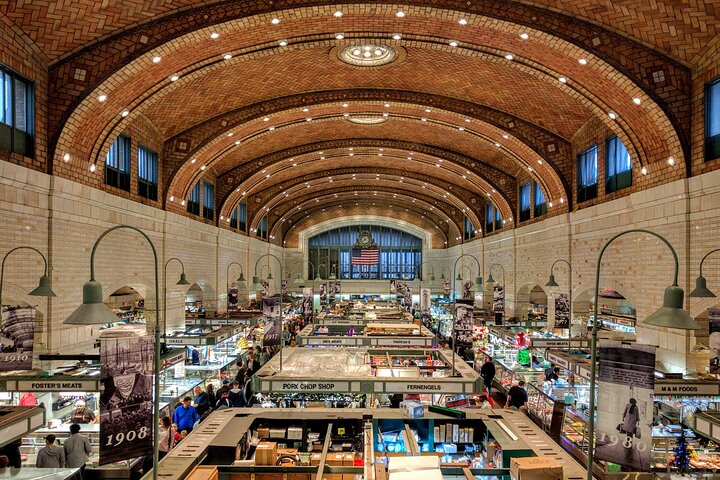
ClevelandWest Side Market and Ohio City Food Tour
A guided tasting walk through Cleveland's historic West Side Market and the Ohio City streets around it, with local stories and drink pairings.
 Knoxville
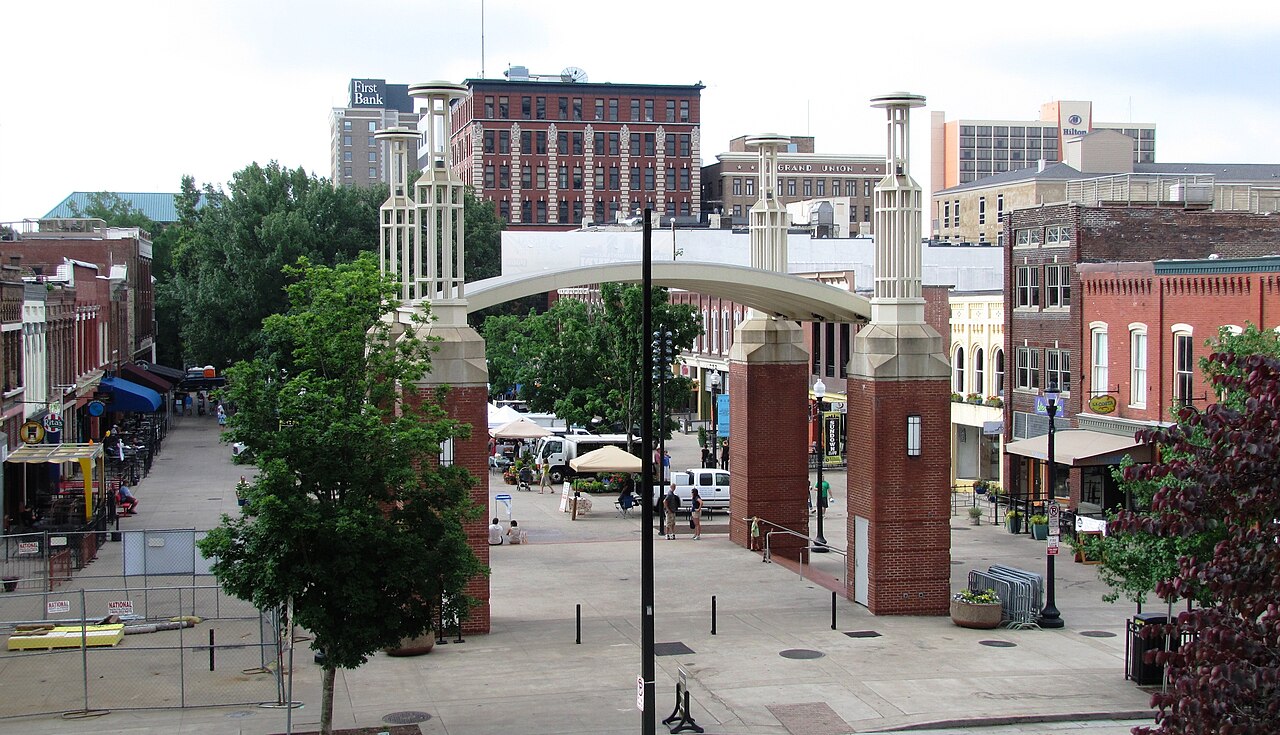
Market Square
Knoxville's pedestrian living room: a brick plaza ringed by independent restaurants, bars, shops and a boutique hotel, with farmers markets, buskers, concerts and outdoor tables from spring to fall.
 Lancaster & Amish Country
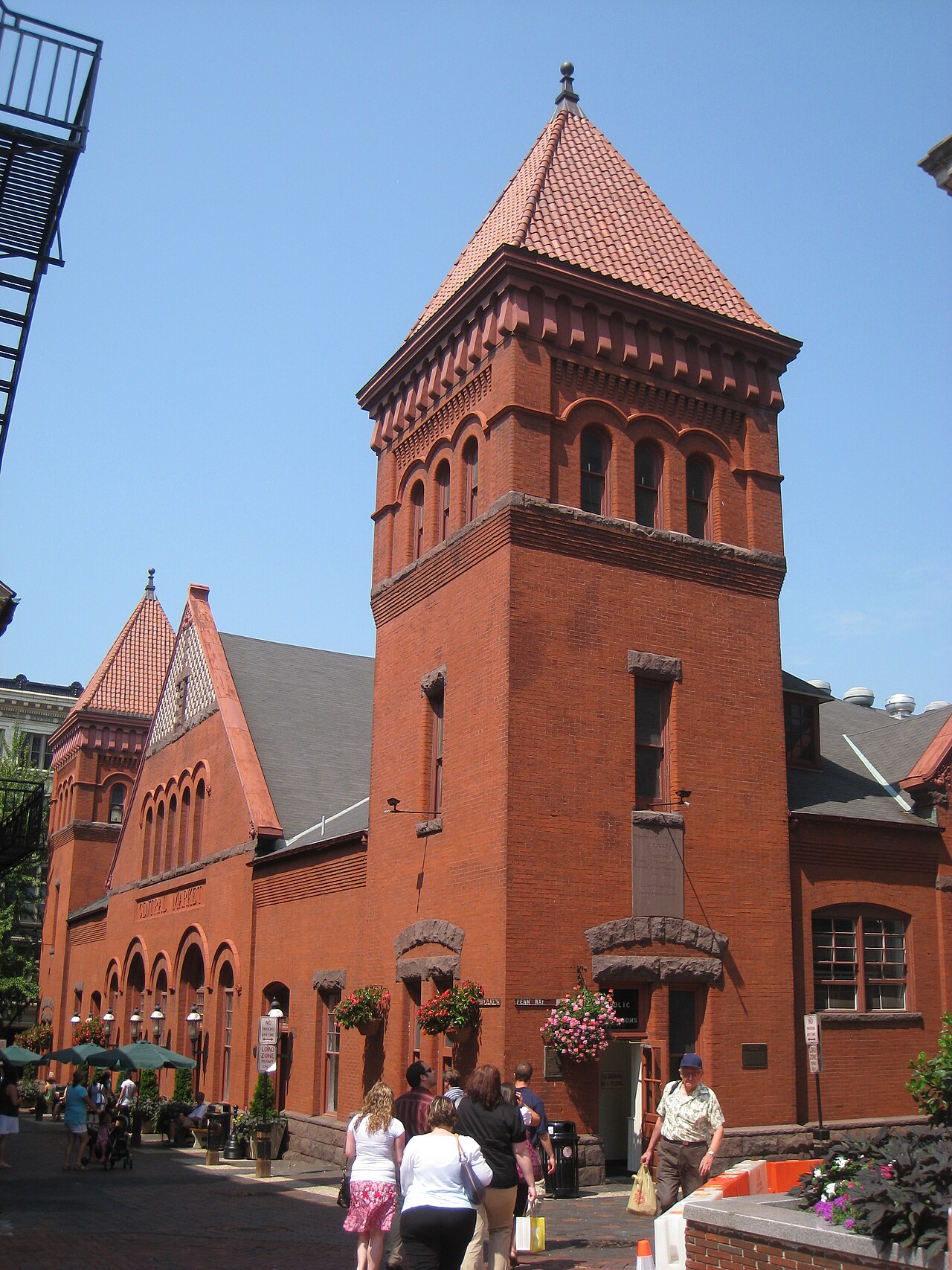
Lancaster Central Market
One of the oldest continuously operating public markets in America, in a Romanesque Revival hall on Penn Square.
 Little Rock
River Market District
Little Rock's riverfront dining and market hub: the food hall at Ottenheimer Hall, the farmers market on market days, breweries, patios and the streetcar stop that links to North Little Rock.
 Madison
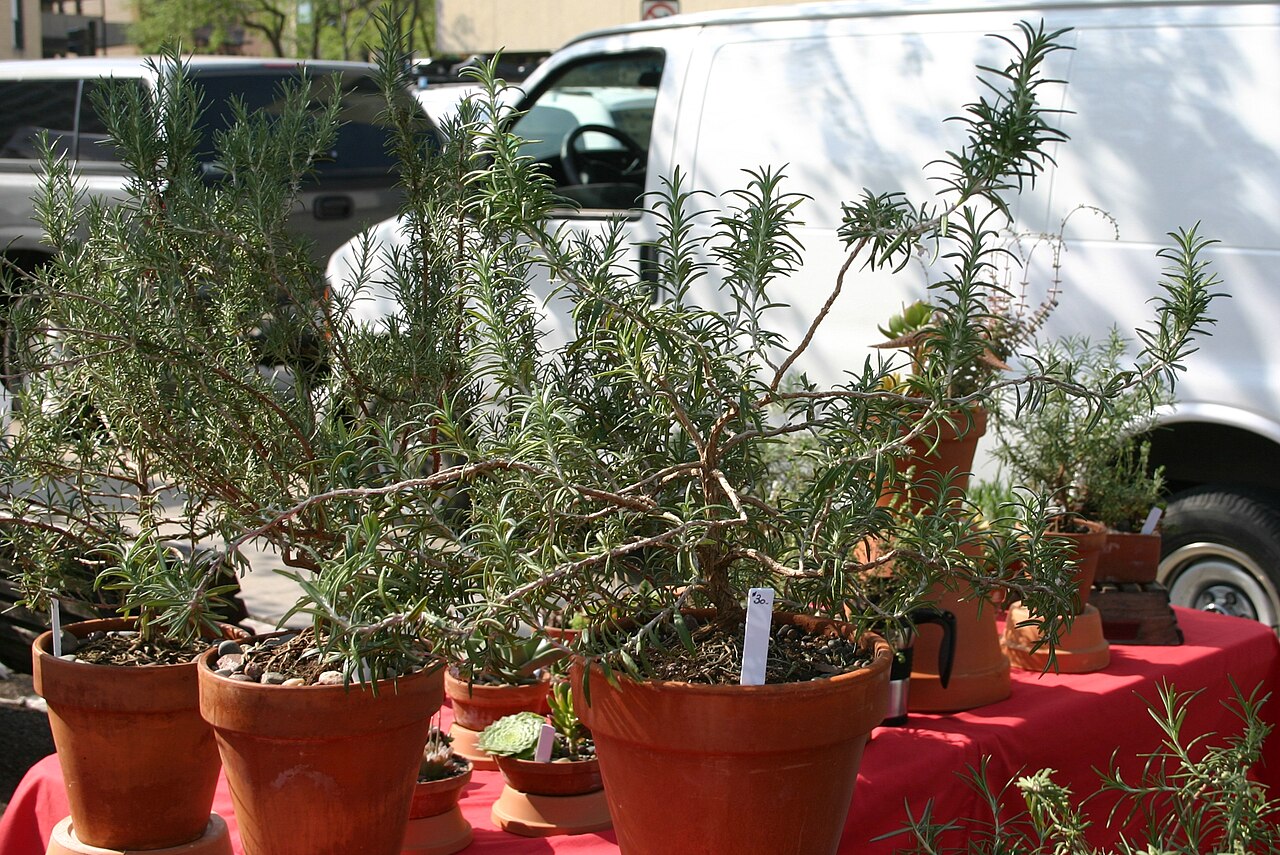
Dane County Farmers Market
The Saturday market ringing the Capitol: producer-only stalls, cheese curds, flowers, bread and breakfast on the move, a city ritual that turns Capitol Square into a slow-moving, delicious circle.
 Omaha
The Old Market
Omaha's brick-paved warehouse district turned dining, shopping and nightlife quarter.
 Philadelphia
Reading Terminal Market
An 1893 public market under a former railroad train shed — nearly 80 family-run stands, roast pork sandwiches, Pennsylvania Dutch bakers, old-line ice cream and the best people-watching in Center City.
 Seattle
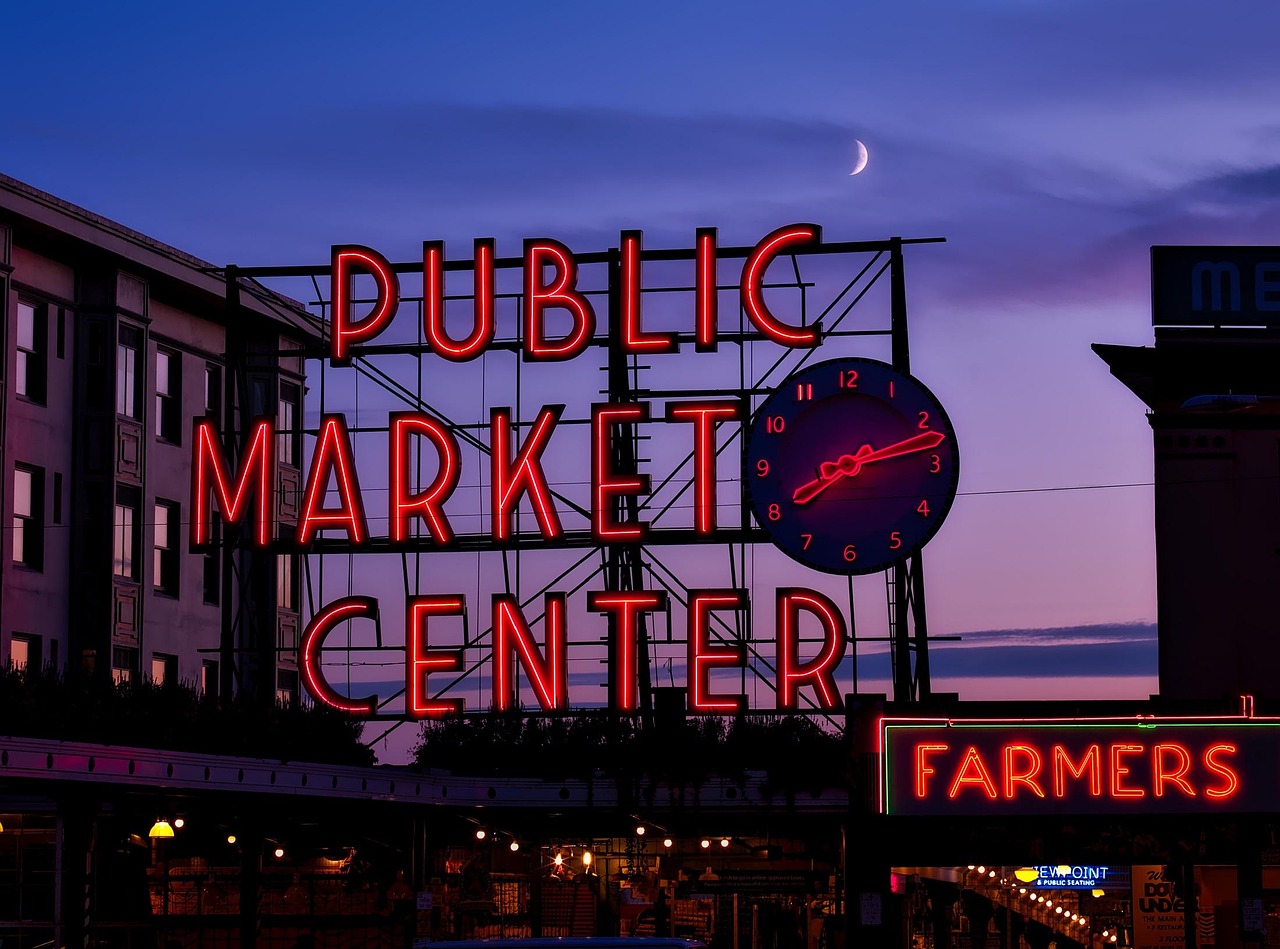
Pike Place Market
America's oldest continuously running public market — flying fish, the original Starbucks, buskers under the clock, a gum wall in the alley, and nine acres of stalls stacked down the hillside to the bay.
By destination
Atlanta · 4
Philadelphia · 4
Seattle · 4
Bangkok · 4
Hua Hin · 4
London · 4
Seoul · 4
Taipei · 4
Toronto · 4
Athens · 3
Chiang Mai · 3
Chiang Rai · 3
Hoi An & Da Nang · 3
Istanbul · 3
Kaohsiung · 3
Montreal · 3
Oaxaca · 3
Phnom Penh · 3
Sicily · 3
Amsterdam · 2
Chichén Itzá · 2
Dubai · 2
Fes · 2
Guatemala City · 2
Tirana · 2
Yangon · 2
Zanzibar · 2
Tips: markets & shopping
A good market is a city's kitchen table, workshop and social hall all in one place. You go for the food, the colour and the chance to see how locals actually shop, and you come home with a snack, a spice, or a handmade object you did not plan to buy. Whether it is a food hall, a weekend bazaar, a night market or a stretch of artisans, it shows you a place faster than most museums.
To get the most from a market, go at the right time. Food markets are best in the morning when produce is fresh and stalls are fully stocked, while night markets come alive after dark and are at their best from early evening. Bazaars often have quiet hours, and weekend markets can be crowded. Carry small notes and coins, a bag, and bring cash, since many stalls do not take cards. Wear comfortable shoes, keep valuables close in crowds, and eat where there is a queue of locals. A guided market tour or food walk is worth it if you want to know what you are looking at and how to order.
Some destinations are hard to beat. Taipei and Bangkok are famous for night markets and street food, and Seoul combines traditional market lanes with modern shopping. Hoi An, Luang Prabang and Phnom Penh offer lantern-lit stalls and handicrafts, and the Mekong Delta has floating markets that you reach by boat. Oaxaca is a superb place for chocolate, mezcal and textiles, and Athens has old flea markets and shopping streets close to major sights. Montreal, Toronto, Seattle and Philadelphia are strong for historic public markets.
Mistakes to avoid include arriving at midday in hot weather, buying the first thing you see, and carrying too much cash. In places where bargaining is expected, be polite, smile and know when to walk away. Where prices are fixed, such as food halls, do not haggle. Check what you can take home, as customs rules on food, plants and some crafts differ. Finally, try at least one thing you cannot name.
Questions
What is the best time of day to visit a market?+
For food and produce markets, go in the morning when stalls are full and the best items have not sold out. Night markets are best from early evening, when they are lively but not yet at their most crowded. Bazaars are usually calmer early in the day, so try to go before the crowds and the heat build up.
Should I bargain at markets?+
It depends on the place. In many bazaars and handicraft markets, friendly bargaining is normal and expected. In food halls, farmers' markets and shops with marked prices, it is not. Watch what locals do, stay polite, and never haggle for something you do not intend to buy. If the price feels fair, simply pay it.
Is it safe to eat street food at markets?+
Generally yes if you choose sensibly. Look for stalls with a steady stream of customers and food that is cooked fresh in front of you, and avoid anything that has been sitting out. Carry hand wipes, and start with a small portion. If you have allergies, ask or show a written note in the local language.
Do I need cash at markets?+
Usually yes, at least for small purchases. Many stalls, especially traditional bazaars and night markets, prefer cash, while larger shops and modern food halls often take cards. Carry small notes so you can pay without waiting for change, and keep your money in a secure bag or front pocket in crowded areas.