Ways to explore
Waterfalls
Falls, cascades and the trails that lead to them. 331 picks across 181 destinations.
The best of the best
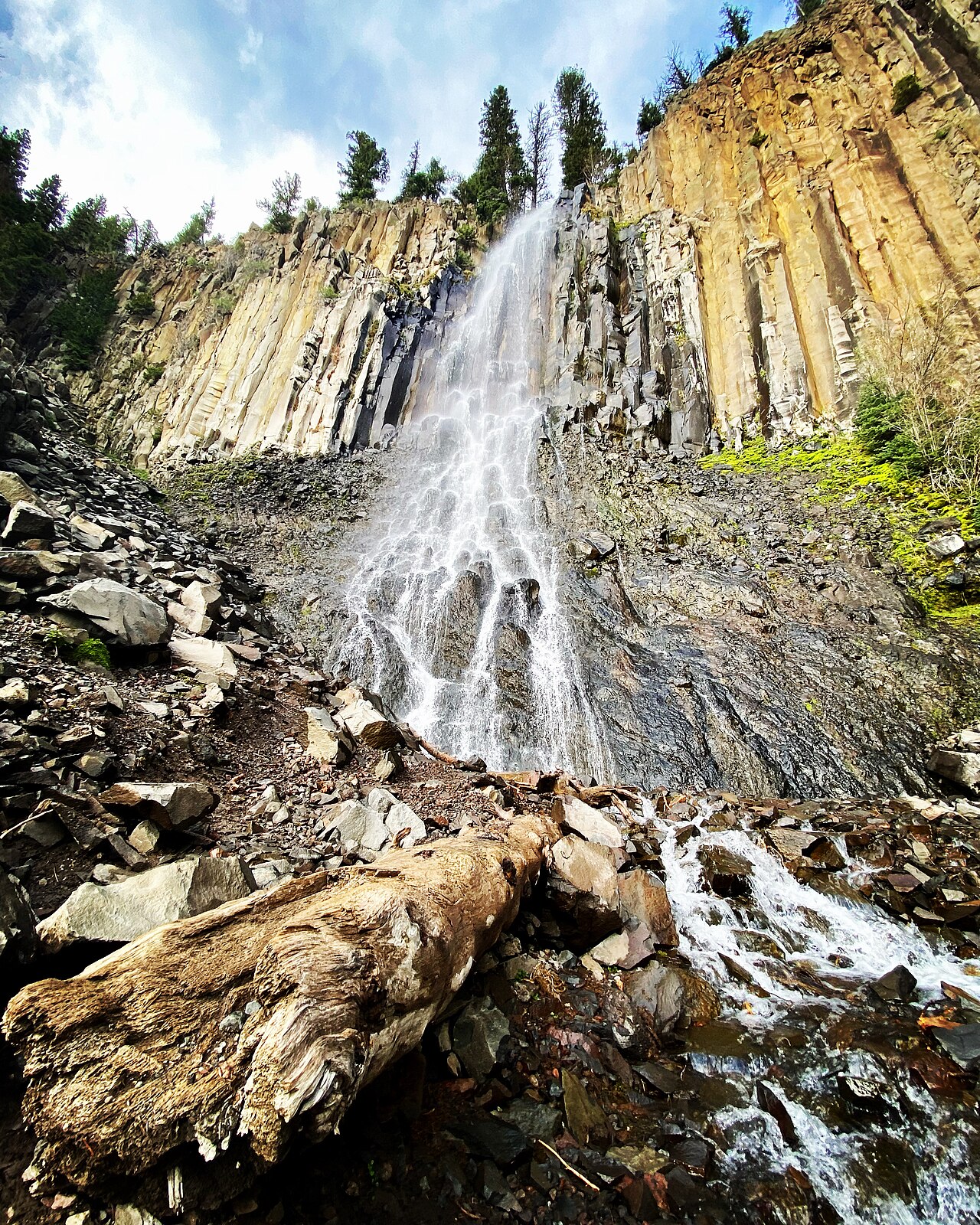
Bozeman & Big SkyHyalite Canyon and Palisade Falls
A mountain canyon south of Bozeman with a reservoir, waterfalls and trails, including the short paved walk to Palisade Falls.
 Chattanooga
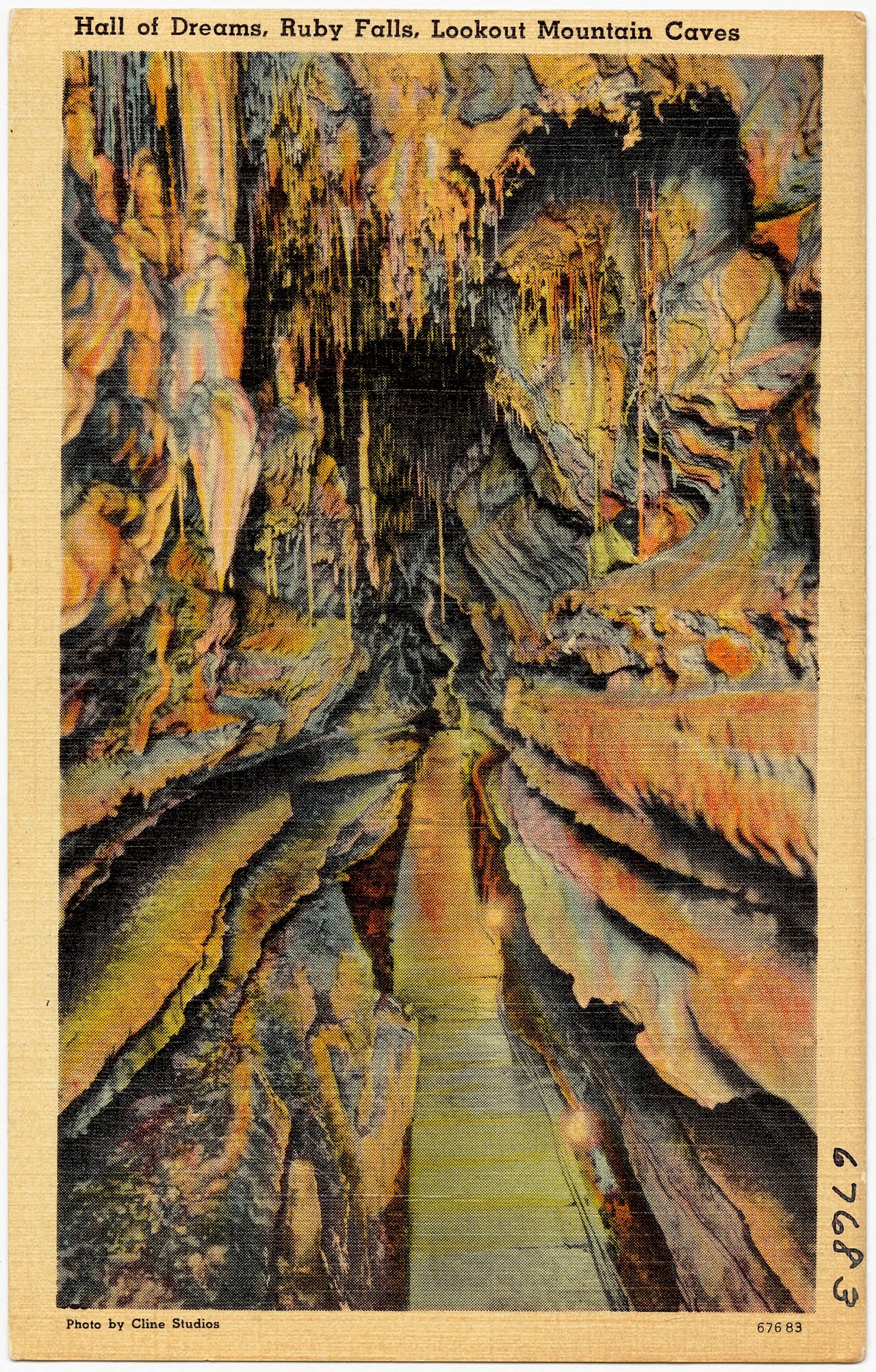
Ruby Falls
The waterfall inside the mountain — a glass elevator drops into Lookout Mountain to a 145-foot underground cascade, lit like a revelation at the end of a stalactite corridor.
 Greenville
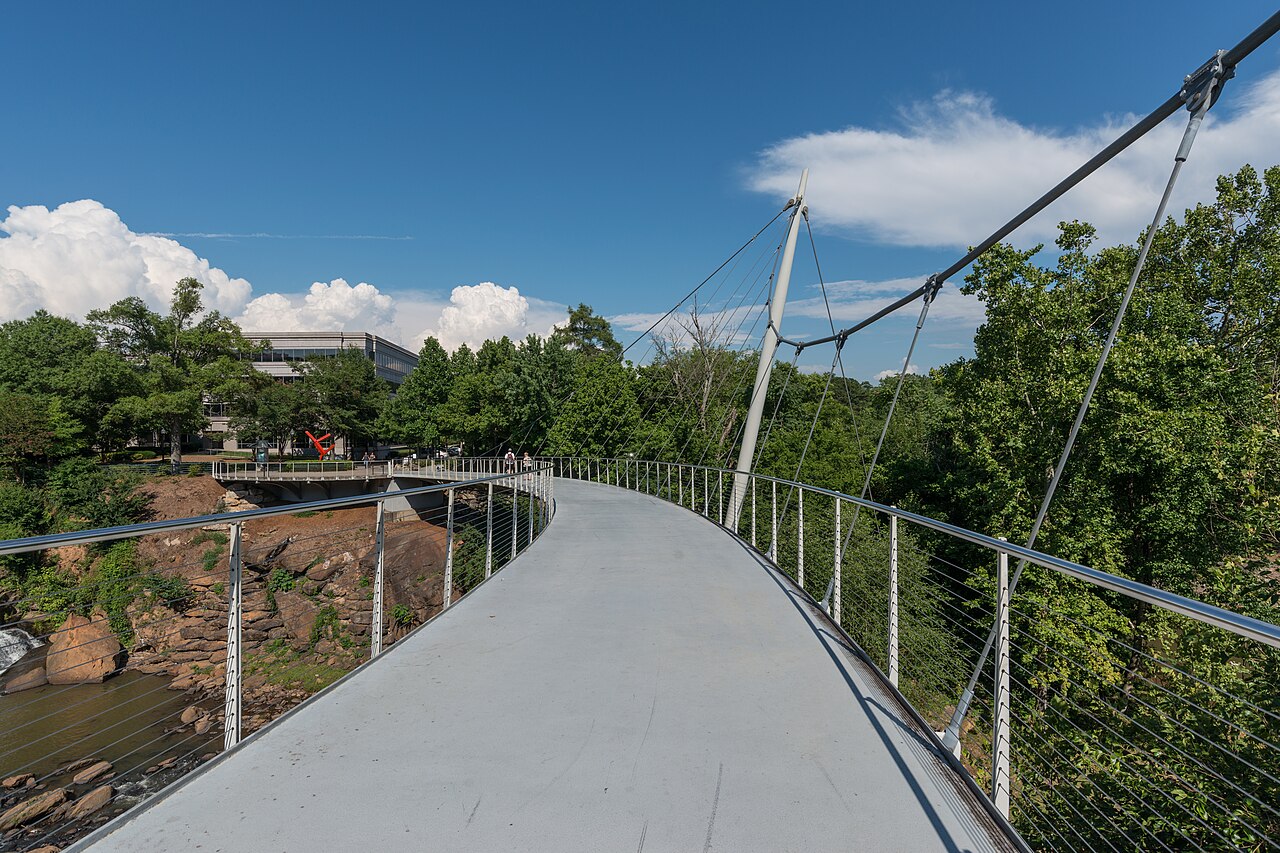
Falls Park on the Reedy
The park that turned a forgotten mill-ruined riverbank into downtown Greenville's centerpiece: the Reedy River tumbling over rock, a curved pedestrian bridge hanging over it, and gardens, lawns and patios a short walk from Main Street.
 Niagara Falls
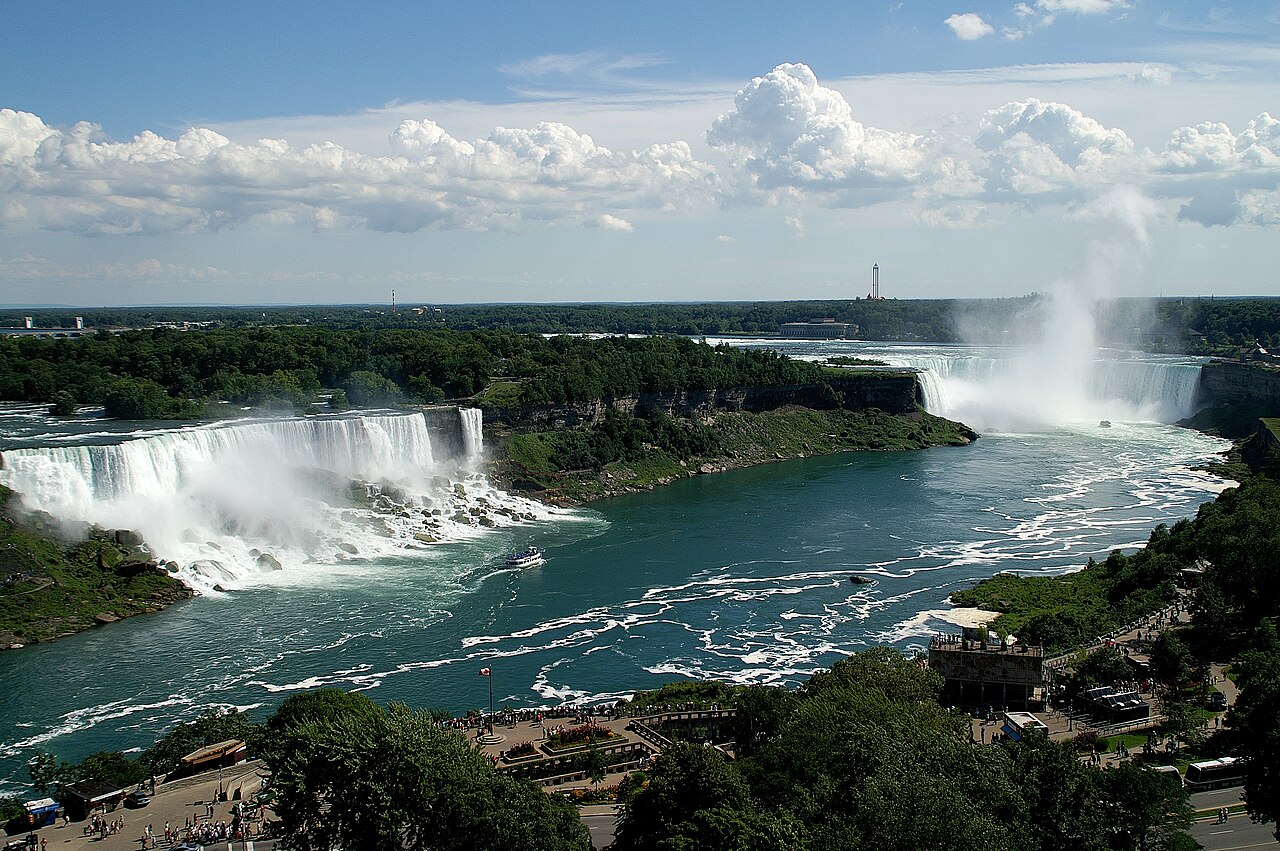
 State Park (New York)
America's oldest state park, free to walk 365 days a year — Prospect Point at the lip of the American Falls, Goat Island between the cataracts, the Three Sisters Islands in the rapids and Terrapin Point beside the Horseshoe.
 Pocono Mountains
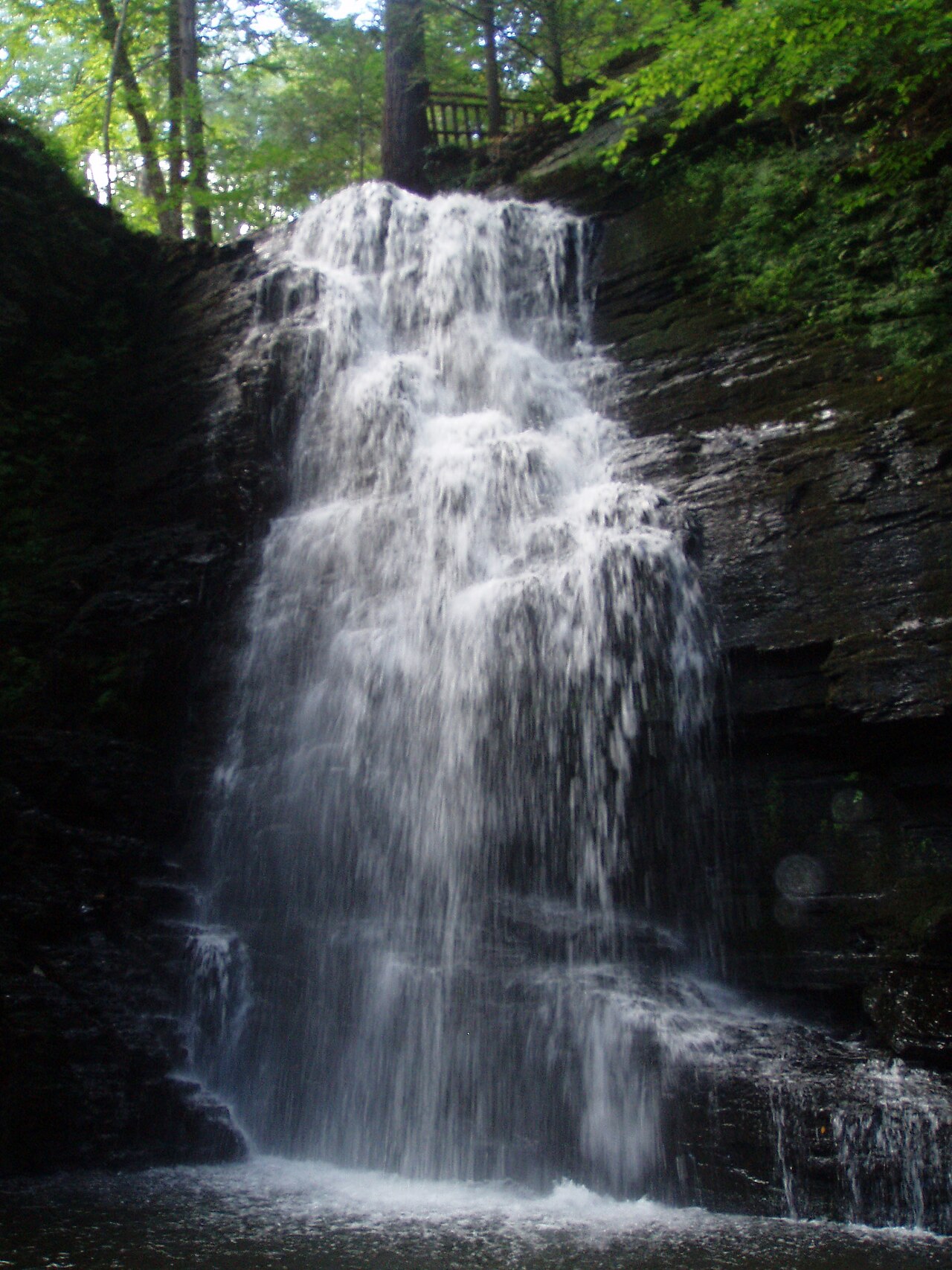
Bushkill Falls
Often called the Niagara of Pennsylvania, this privately run park strings eight waterfalls along boardwalk trails and bridges, with routes from a quick loop to a longer wander through the gorge.
 Portland
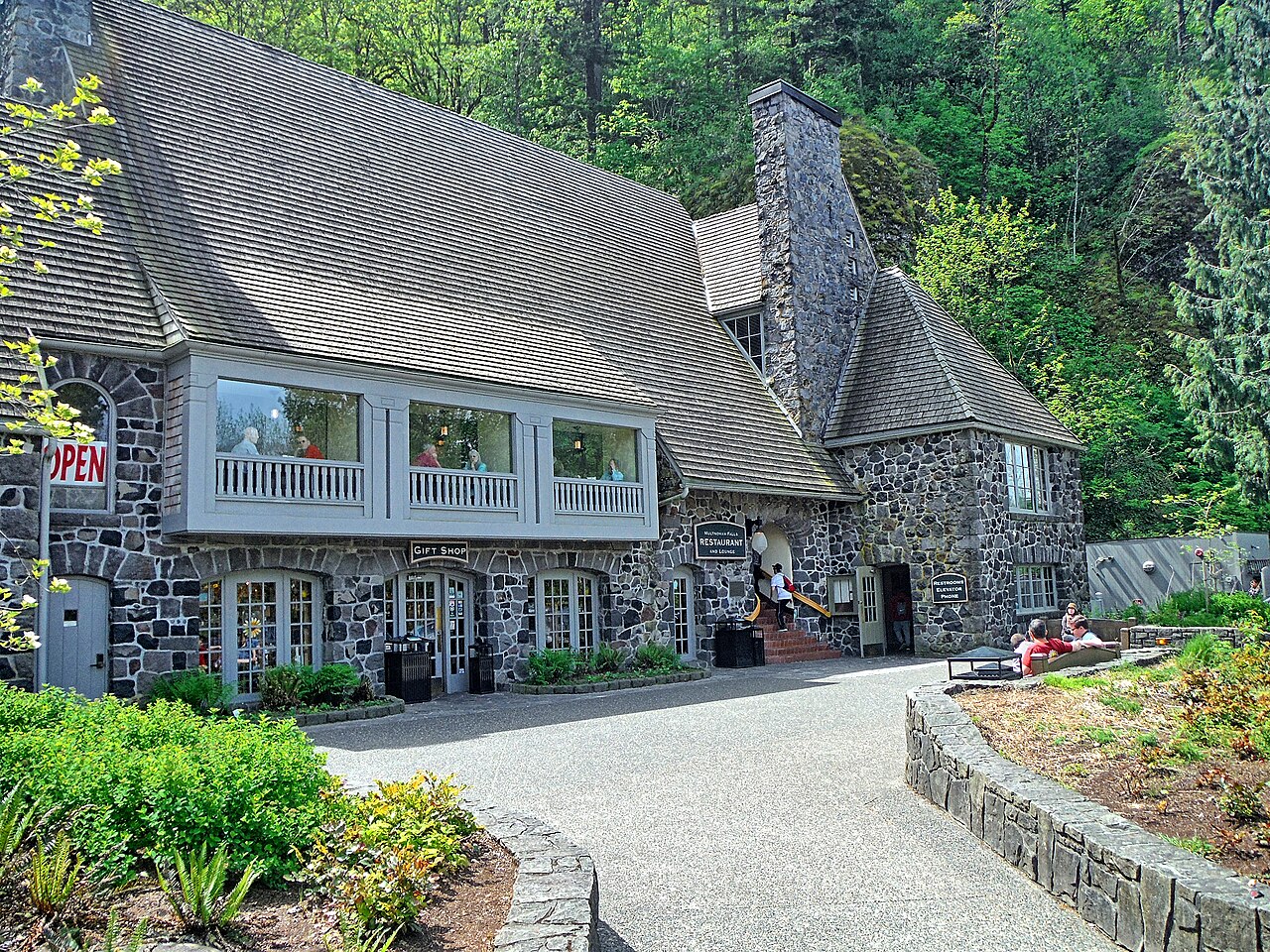
Multnomah Falls and the Columbia River Gorge
Oregon's most visited natural site: a 620-foot, two-tiered waterfall in the Columbia River Gorge, about 30 miles east of Portland, with the historic Benson Bridge and a steep trail to the top.
 Telluride & Ouray
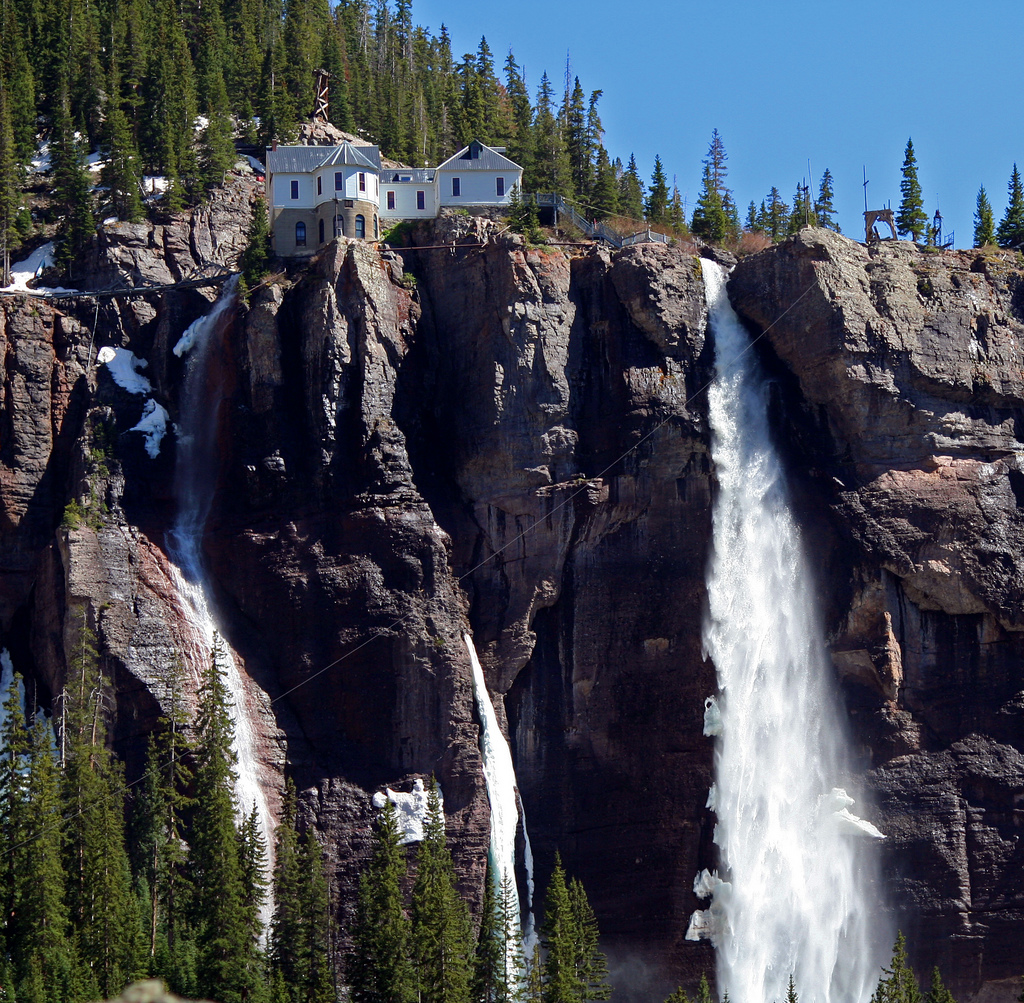
Bridal Veil Falls
Colorado's tallest free-falling waterfall hangs at the head of the box canyon above Telluride, with a historic power station perched on its brink and a rugged road leading to its base.
 The Catskills
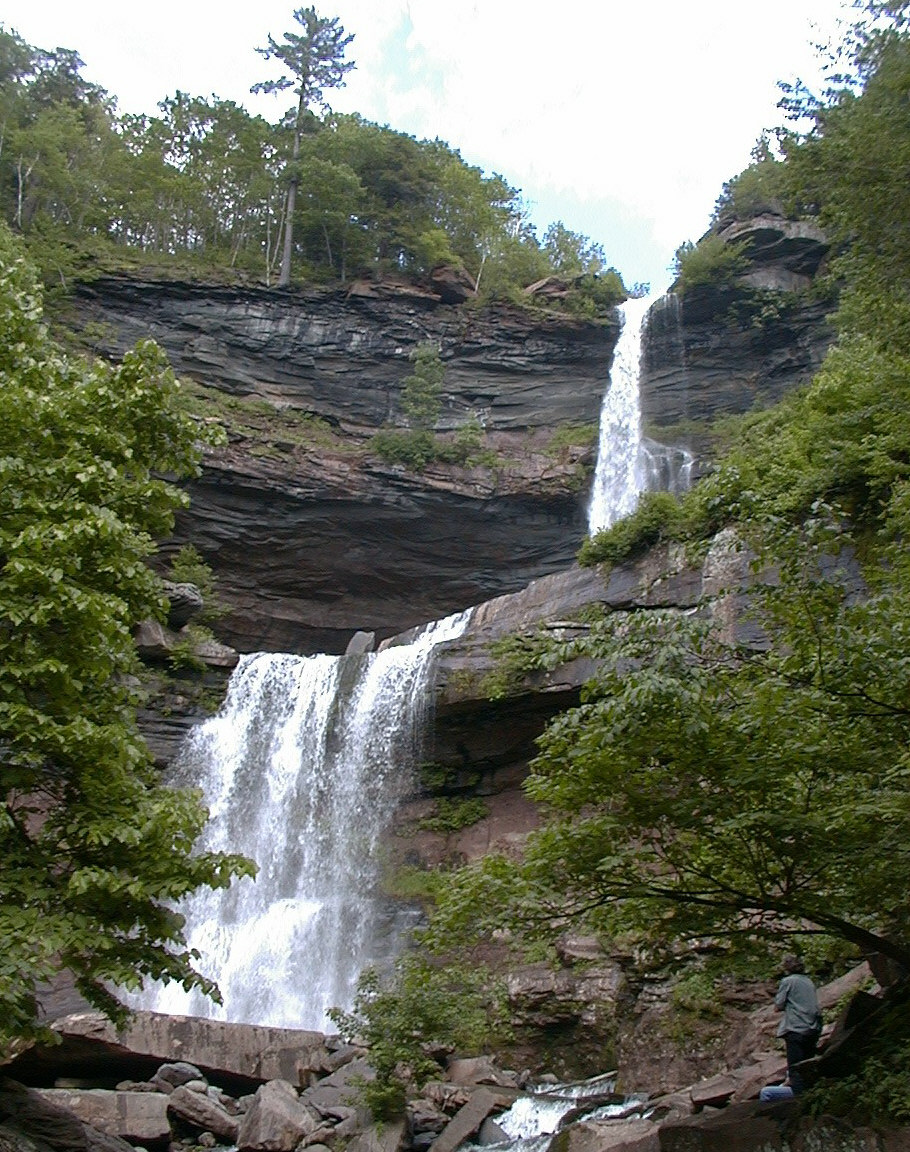
Kaaterskill Falls
A two-tier waterfall of roughly 260 feet, long painted by the Hudson River School and still the most famous short hike in the Catskills.
By destination
Victoria Falls · 17
Niagara Falls · 8
Nikko · 5
Ocho Rios · 5
Bend · 4
Seattle · 4
Yosemite · 4
Grenada · 4
Paraty · 4
Uganda · 4
Whistler · 4
Kauai · 3
Mount Rainier · 3
Skagway · 3
Accra · 3
Batumi · 3
Chefchaouen · 3
Chiang Mai · 3
Iguazu Falls · 3
Manuel Antonio · 3
Montego Bay · 3
Atlanta · 2
Cali · 2
Cebu & Bohol · 2
Jakarta · 2
Sa Pa · 2
Tips: waterfalls
A waterfall visit can be anything from a short stroll to a viewing platform to a half-day hike through forest. The experience changes dramatically with the volume of water, so the best falls are often those you see after rain or in the wetter months, when they thunder instead of trickle. Spray, mist and noise are part of the appeal, so go prepared to get damp and enjoy it.
When choosing a tour, check how much walking is involved and on what kind of terrain. Some falls are reached by paved paths, while others need steep, slippery trails or river crossings. Ask whether swimming is allowed, whether there is a viewing platform, and whether the trip includes extras such as a boat ride, a lunch, a guide or transport from town. Guides add safety and context, especially on wet trails. Bring shoes with good grip, a light waterproof layer, a dry bag for your phone and a change of clothes if you plan to swim. A camera cloth helps with spray.
Some places are famous for good reason. Victoria Falls is a spectacular curtain of water on the Zambia-Zimbabwe border, and Niagara Falls is easy to reach and offers boat rides close to the base. Iguazu, which you can visit from both Argentina and Brazil, is a huge network of falls, and Banos in Ecuador and the rainforests of Costa Rica are good for lush cascades. Big Island, Nikko, Ocho Rios, Whistler and Yosemite each offer a different landscape, from volcanic coast to alpine forest. Yosemite's falls are usually strongest in spring from snowmelt.
Common mistakes include arriving in the dry season and finding a trickle, wearing flip-flops on wet rocks, and ignoring safety signs. Never climb on slippery rocks near edges or swim where signs warn against it, because currents and undertows can be powerful. Go early to avoid crowds and harsh midday light, and allow time to simply stand and listen. The sound is half the experience.
Questions
When is the best time to see waterfalls?+
Usually after the rainy season or during spring snowmelt, when flow is highest. In tropical places that means the wetter months, though paths can be muddy, while in temperate mountains it is often late spring. In the dry season, some falls shrink dramatically, so check local conditions and recent rainfall before you go.
Can I swim at a waterfall?+
Only where it is clearly allowed. Some falls have safe plunge pools, but many have strong currents, hidden rocks or sudden flow changes, so follow signs and local guidance. Never swim above a drop, and avoid swimming after heavy rain. If you plan to swim, bring a towel, a change of clothes and secure footwear.
Do I need a guide to visit a waterfall?+
Not always. Popular falls with marked paths and viewing platforms are easy to visit alone. A guide is worth it for remote or slippery trails, river crossings and wildlife areas, and they often know the best viewpoints and times to avoid crowds. If you are unsure of the route, a guide adds safety and context.
What should I wear and bring to a waterfall?+
Wear sturdy shoes with good grip, quick-drying clothes and a light waterproof layer, because spray can soak you. Bring a dry bag for your phone, water, sun protection and insect repellent in warm places. If you plan to swim, pack a towel and a change of clothes, and keep valuables in a waterproof pouch.