Ways to explore
Snow & winter
Skiing, dog sledding, snowmobiles, skating and snowshoe trails. 141 picks across 72 destinations.
The best of the best
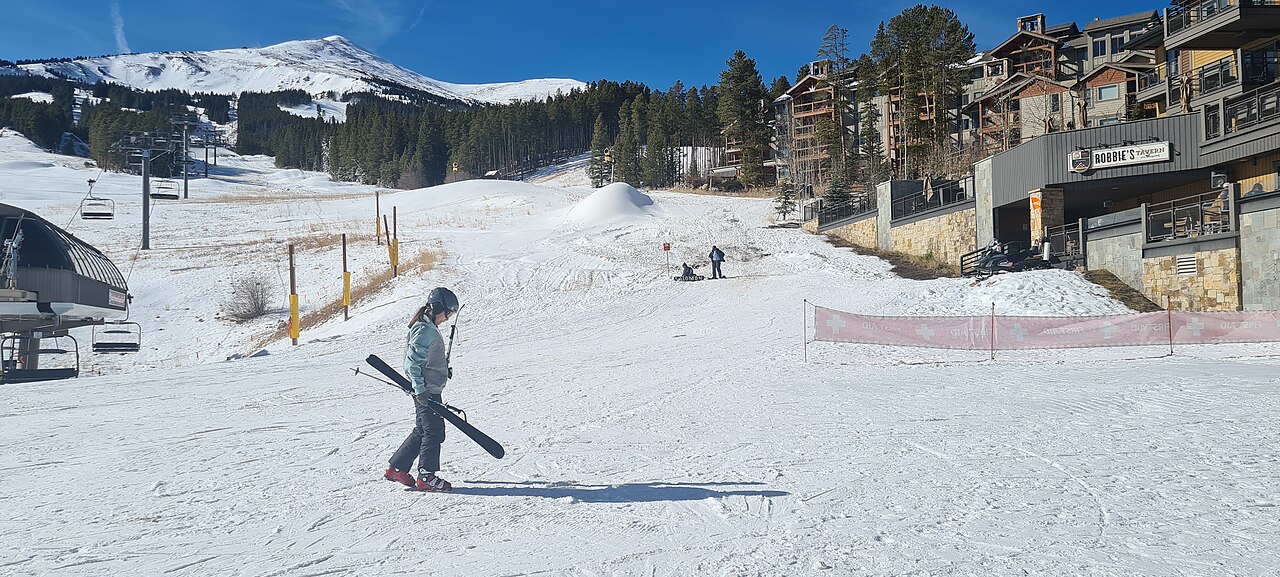
Breckenridge & VailBreckenridge Ski Resort
Five connected peaks rising straight from the historic town, with more than 2,900 acres of terrain, a gondola from Main Street and runs above 12,000 feet.
 Juneau
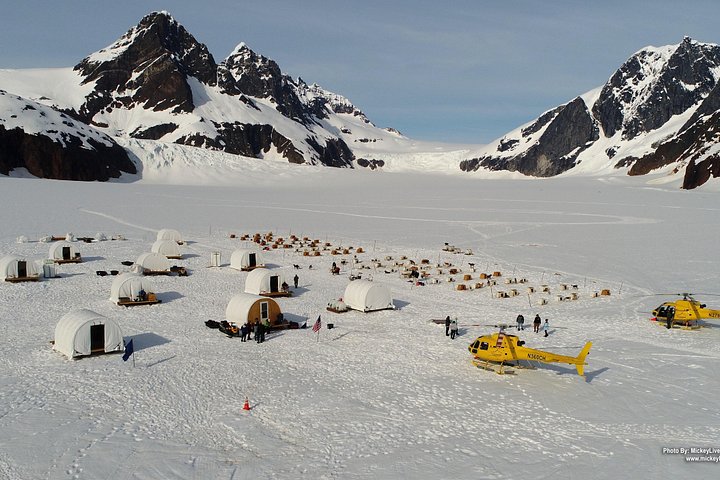
Helicopter and Dogsledding on the Juneau Icefield
A helicopter flight over glaciers to a dog sled camp on the Juneau Icefield, where you ride a real snow sled behind a team of Alaska huskies.
 Salt Lake City
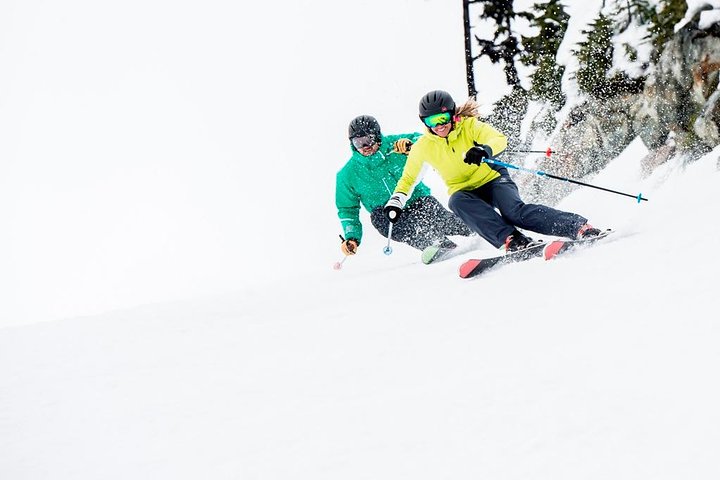
Skiing the Cottonwood Canyons
Alta, Snowbird, Brighton and Solitude sit 30 to 45 minutes from downtown, with some of the deepest, driest snow in North America.
 Sun Valley & Ketchum
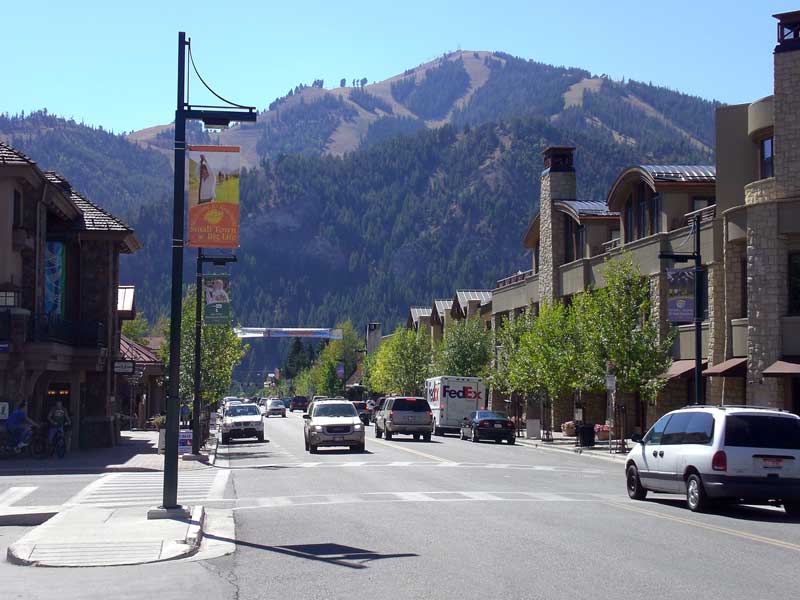
Bald Mountain Ski Area
Sun Valley's main mountain, known as Baldy: 3,400 vertical feet of groomed top-to-bottom runs, a fast lift network and the ski culture that helped invent the American resort.
 Telluride & Ouray
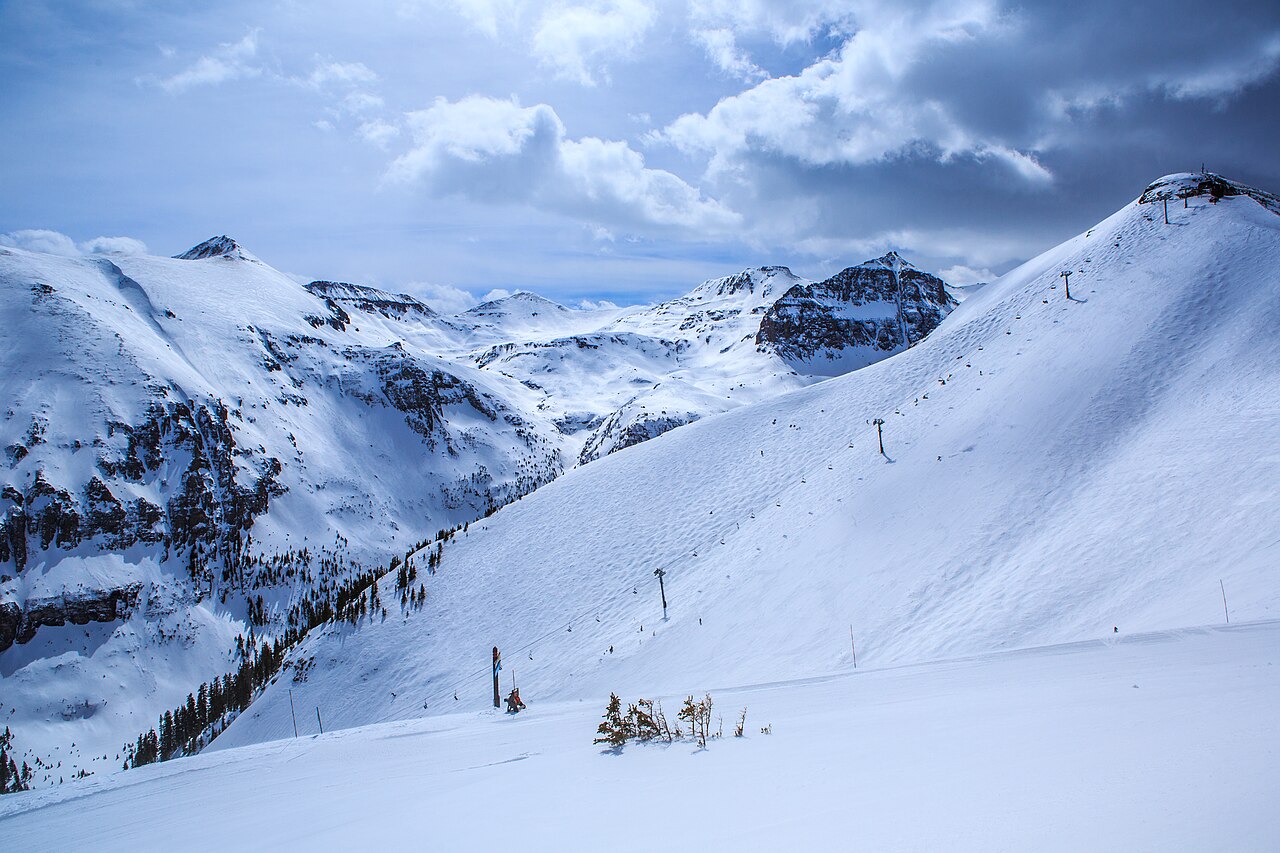
Telluride Ski Resort
A world-class ski area with steep terrain above a Victorian town, plus summer lift-served hiking and biking, linked to Mountain Village by the free gondola.
 Yosemite
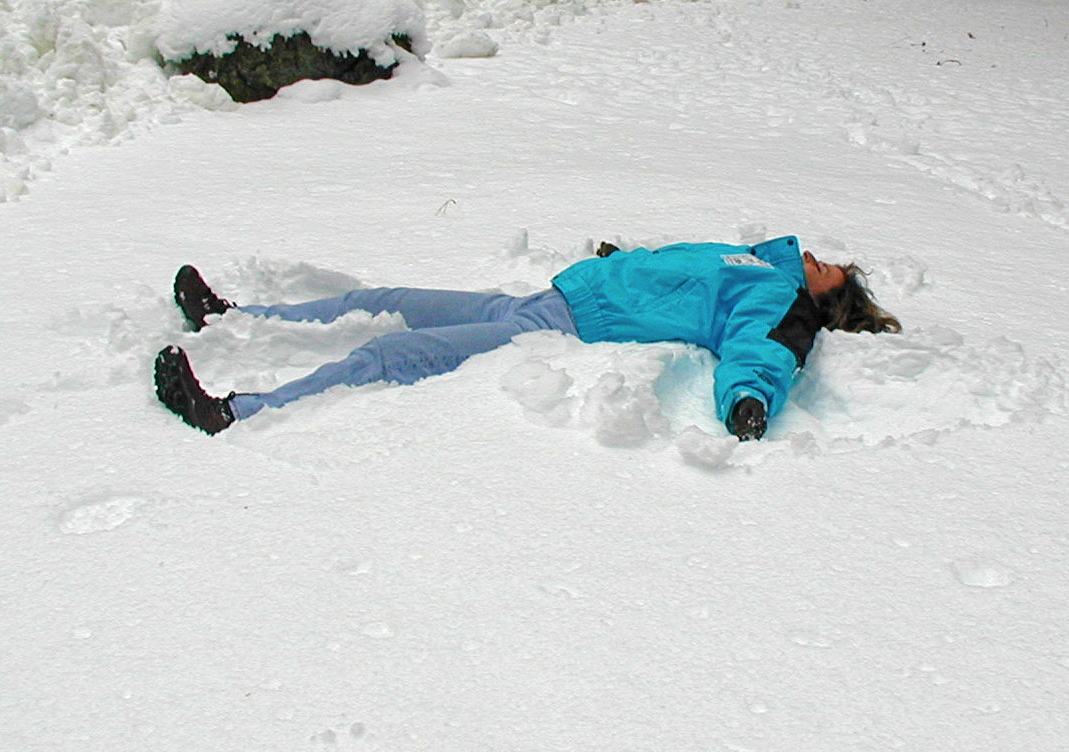
Badger Pass Ski Area
California's original ski area, inside the national park — five lifts, ten gentle runs, a ski school teaching since 1928, snow tubing, and the Nordic Center for cross-country skiing and snowshoes, with a free shuttle from the valley.
 Dubai
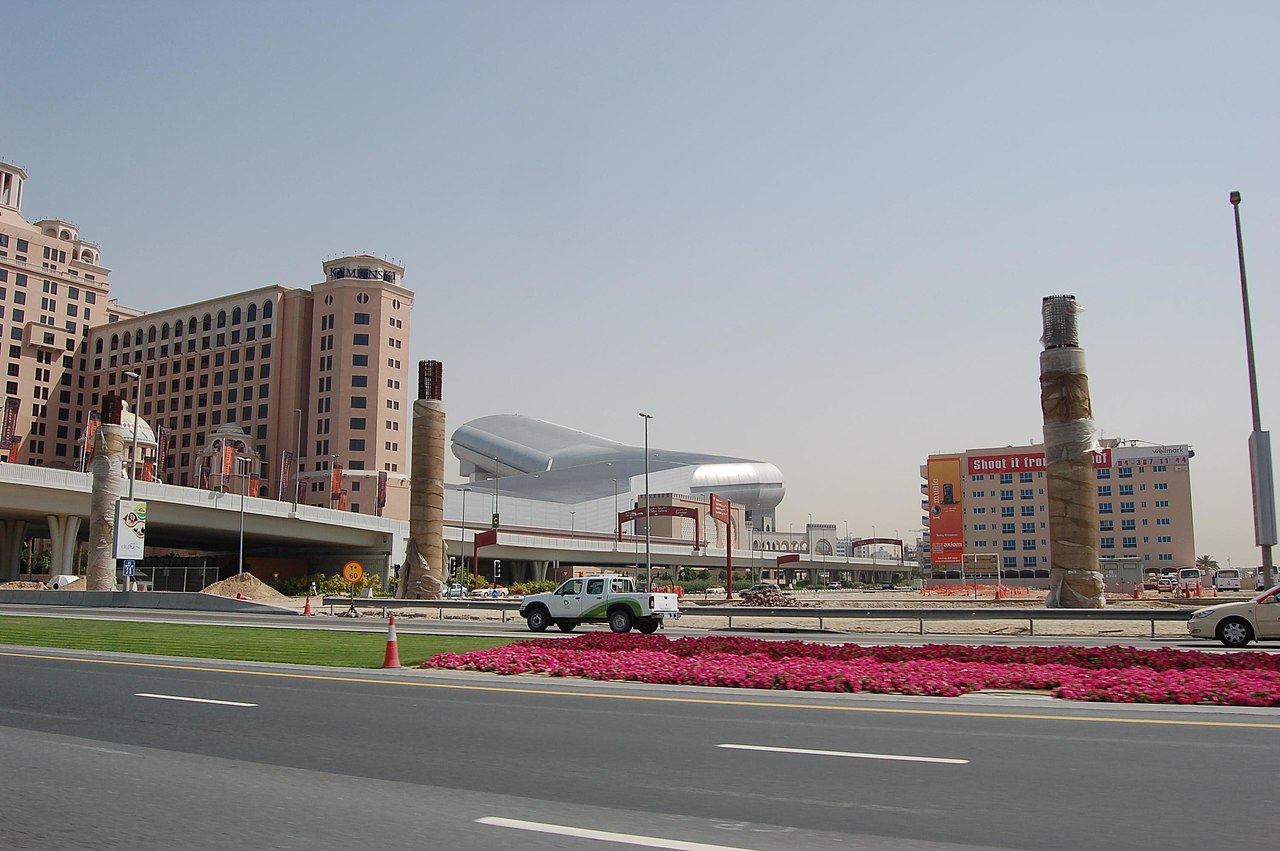
Ski Dubai
Real snow inside a shopping mall on the edge of the desert: an indoor ski slope with a chairlift, a snow park for sledging and snowball fights, and penguins.
 Harbin
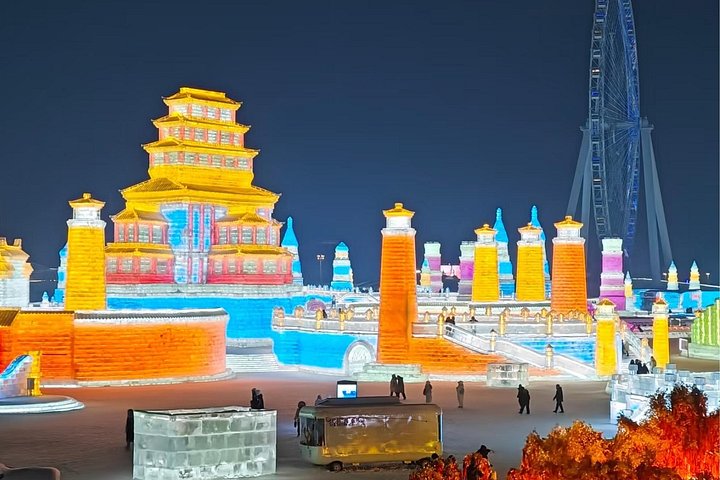
 Ice and Snow World
Harbin Ice and Snow World is a winter city built from river ice and packed snow, with towers, castles and slides glowing in colour after dark.
By destination
Kiruna · 7
Rovaniemi · 6
Lake Tahoe · 5
Harbin · 5
Mont-Tremblant · 5
Tromsø · 5
Whitehorse · 5
Alaska · 3
Leavenworth · 3
The Catskills · 3
Whistler · 3
Yellowknife · 3
Tips: snow & winter
Winter experiences are about making the cold the point of the trip. Dog sledding, snowmobiling, snowshoeing, ice skating, skiing and tubing all turn a cold, dark season into something playful, and many are easy to try even if you have never done them before. A good guide and the right clothing matter more than skill, so you can arrive as a beginner and leave with a story.
Dress properly, because this is what makes or breaks the day. Layer up with a warm base, an insulating middle layer and a windproof, waterproof outer, plus warm socks, gloves, a hat and sturdy boots. Many operators provide overalls, boots and helmets, so check what is included before you book. Look for small groups, safety briefings and a guide who knows the terrain and weather. Half-day trips are a good start, while longer excursions suit confident travellers. Pack lip balm, sunglasses for glare and a spare pair of gloves.
Different places offer different winters. Levi, Rovaniemi and Kiruna in Lapland are famed for husky rides, reindeer and snowmobile safaris, and Tromso is a favourite base for northern lights trips in the dark months. Mont Tremblant, Whistler, Lake Tahoe and Park City combine ski slopes with village charm, while Fairbanks, Whitehorse and Yellowknife suit travellers who want a true northern wilderness and aurora viewing. Harbin is known for its enormous ice and snow festival, a very different kind of winter trip.
Common mistakes are underdressing, wearing cotton that stays wet, and booking too late in the season when snow may be thin. Pick the heart of winter for reliable snow, and check conditions before you go. Ask about age and height limits for children, and allow extra travel time for icy roads. Take breaks to warm up, drink plenty of water and stay with your group. If you plan to see the northern lights, remember they are never guaranteed.
Questions
What is the best time of year for snow activities?+
Mid-winter, usually between December and March in the northern hemisphere, offers the most reliable snow and the full range of activities. Early and late season can be thinner, especially at lower altitudes. In the far north, snow often lasts longer, while in the southern hemisphere the winter months fall roughly between June and September.
What should I wear for dog sledding or snowmobiling?+
Wear thermal base layers, an insulating mid-layer and a windproof, waterproof outer, plus warm socks, gloves and a hat. Many operators lend thermal overalls, boots and helmets, so check first. Avoid cotton, which stays damp, and bring a scarf or neck warmer and sunglasses for glare off the snow.
Do I need experience to try winter activities?+
No, most are designed for beginners. Snowmobile and dog sled tours begin with a short briefing, and snowshoeing needs only the ability to walk. Skiing is easier with a lesson. Tell your guide about any worries or limitations, and choose gentle routes first. Fitness requirements differ, so read the description carefully.
Can I combine winter activities with seeing the northern lights?+
Often yes, in places such as Lapland, northern Norway, Alaska and northern Canada, where many operators offer evening or overnight trips. The lights depend on clear skies and solar activity, so nothing is guaranteed. Stay for several nights, which improves your chances, and dress very warmly for waiting outdoors.