
Ways to explore
Cooking classes
Learn the local dishes from local cooks, then eat them. 290 picks across 246 destinations.
The best of the best
BatumiTraditional Georgian Cooking Experience in Batumi
A hands-on class where you learn to shape khinkali dumplings and Adjarian khachapuri with a local host, then sit down to eat what you have made.
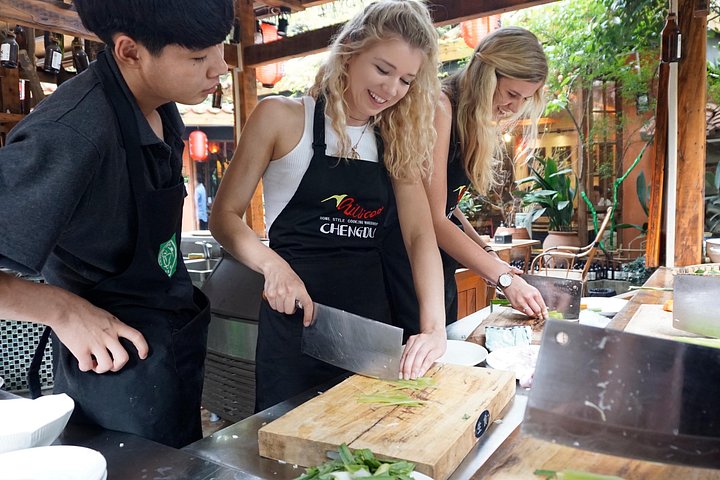 Chengdu
Sichuan Cooking Class with Market Visit
A half-day class that starts with a walk through a local market for fresh vegetables and spices, then teaches you classic Sichuan dishes at the stove, ending with the meal you cooked.
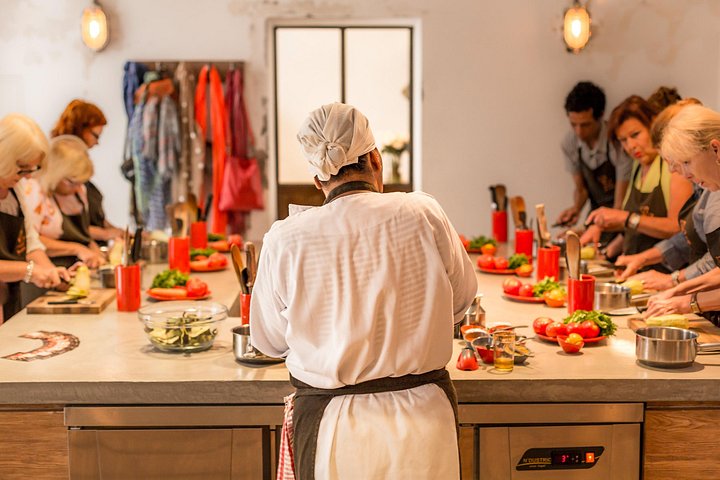 Essaouira
Moroccan Cooking Workshop
A hands-on workshop of around four hours where you cook Moroccan dishes and then sit down to eat them.
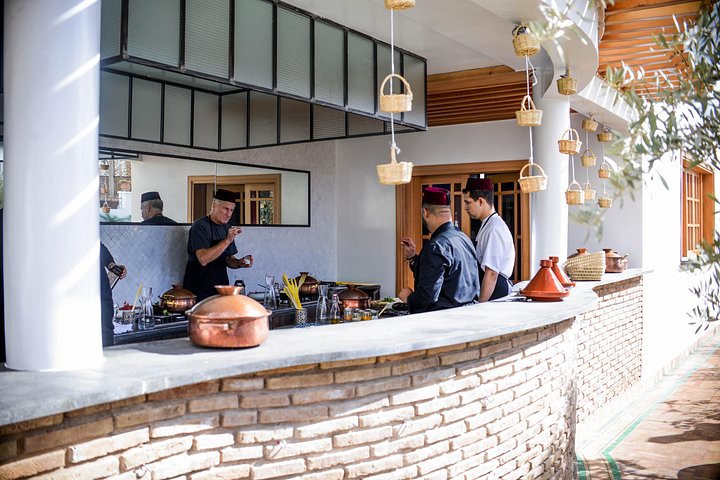 Fes
Cooking Class at Palais Amani
A hands-on Moroccan cooking class at Palais Amani, a restored palace-riad in the medina.
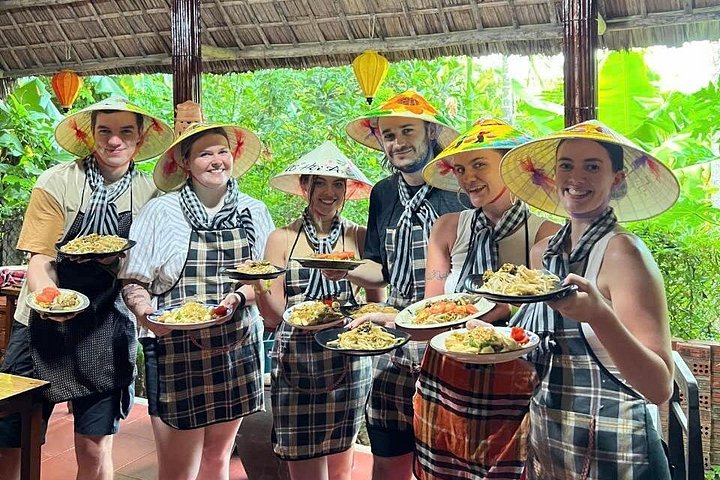 Hoi An & Da Nang
Hoi An Cooking Class with Market and Basket Boat
A half-day that combines a market visit, a basket boat ride through the coconut palms and a hands-on cooking lesson.
 Hua Hin
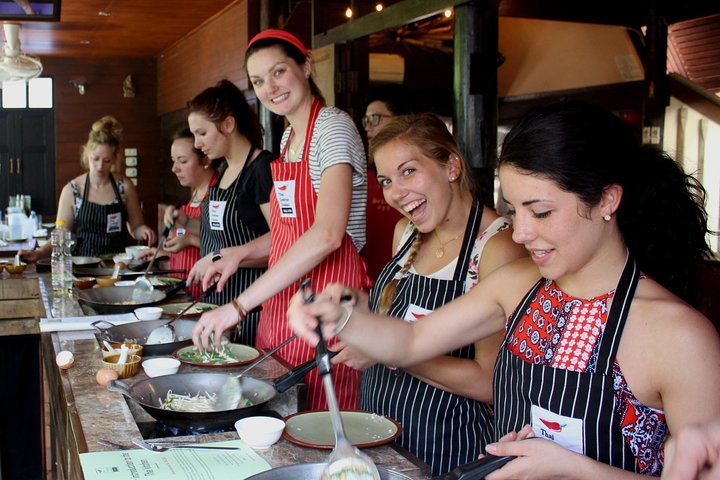
Thai Kitchen Cooking Class
A hands-on cooking class in Hua Hin, where you learn classic Thai dishes from scratch and sit down to eat your own cooking.
 Oaxaca
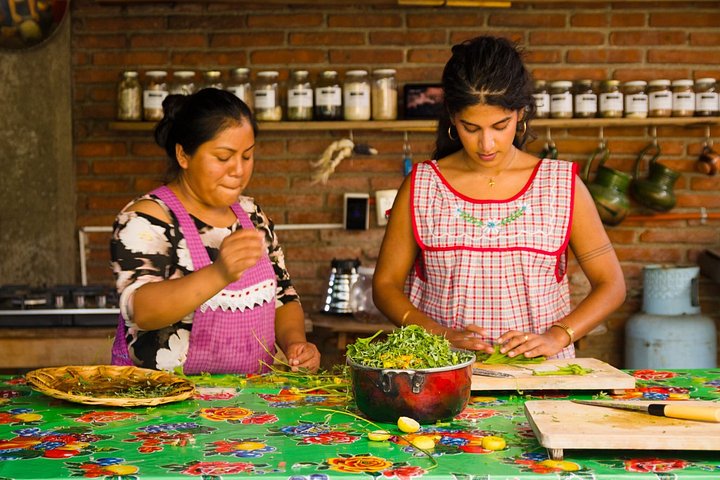
n Cooking Class with Market Tour
Shop the market with a local cook, then grind, simmer and shape a Oaxacan meal from scratch, from handmade tortillas to a pot of mole.
 Salvador
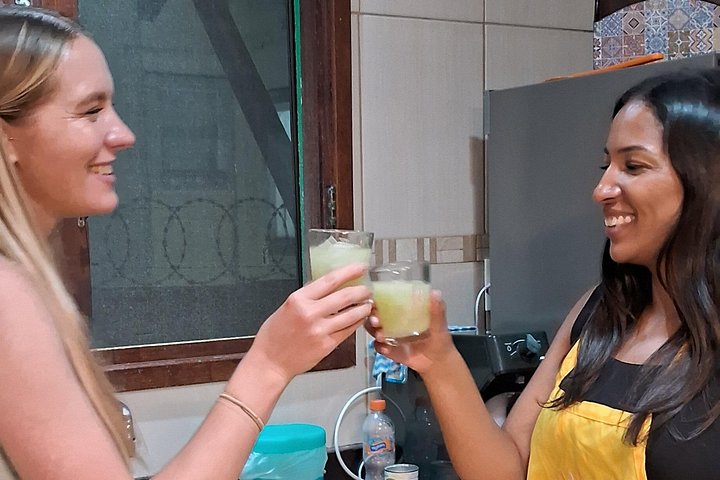
Bahian Cooking Class in Salvador
A hands-on Bahian cooking class with caipirinhas, with a very strong review record.
By destination
Milan · 4
Crete · 3
Sicily · 3
Tangier · 3
Yokohama · 3
Charlotte · 2
Athens · 2
Buenos Aires · 2
Kaş & Kalkan · 2
Sacred Valley · 2
Santorini · 2
Sardinia · 2
Tips: cooking classes
A cooking class is one of the few travel experiences that leaves you with a skill, not only a memory. You cook alongside a local, usually in a home, farm, restaurant kitchen or small school, and you sit down to eat what you have made. The best classes are hands-on from the first minute. If you are only watching a demonstration while someone else chops and stirs, you are paying for a show, not a lesson.
Look for small groups, ideally ten people or fewer, so everyone gets a turn at the board and the stove. Many of the best classes begin with a market visit, where you choose ingredients and learn what is in season, and that single detail tends to make the whole experience feel rooted in the place. Check what you will cook, whether recipes are shared afterwards, and whether dietary needs are accommodated, because good hosts will adapt if you tell them in advance. Come hungry, wear clothes you do not mind splashing, and tie back long hair.
Some destinations are natural fits. Naples and Sicily are ideal for pasta, pizza and regional Italian cooking, and Milan suits risotto and northern dishes. Crete and Athens teach Mediterranean basics with excellent produce, while Taipei and Xi'an offer dumplings and noodles made from scratch. In the Sacred Valley you can cook Andean dishes with local ingredients, and in Tangier and Fes classes often centre on tagines and the spices behind them. Budapest is a good choice for paprika-heavy comfort food and pastry.
Common mistakes are booking a class timed so tightly that you rush the meal, choosing a big-group demonstration when you wanted practice, and forgetting to mention allergies. Morning classes with a market stop are lovely, while evening ones feel like dinner with friends. Pay attention to the language the class is taught in, and ask if you can take leftovers or recipes home. The best souvenir is a dish you can actually cook again.
Questions
How long does a cooking class usually last?+
Most run between three and four hours, including time to sit and eat the meal. Classes that add a market visit or cover several courses can stretch to five or six hours. Short pasta or dumpling workshops may take around two hours. Check the stated length and leave your schedule free afterwards, since a good class rarely ends exactly on time.
Do I need cooking experience to join a class?+
No, most classes are designed for complete beginners as well as keen home cooks. Instructors show you each step, from chopping to timing, and adjust to the group. If you are more experienced, look for a class that mentions regional or traditional techniques, which usually teach something new even to confident cooks.
Are cooking classes suitable for vegetarians or people with allergies?+
Often yes, but tell the host when you book rather than on the day. Many classes can swap ingredients or run a vegetarian menu, particularly in places where vegetable dishes are central to the cuisine. Allergies need care, so give clear details and ask how the kitchen handles them before you pay.
Is a market tour worth adding to a class?+
Yes, if you enjoy food. A market visit lets you see ingredients up close, ask questions and understand why the menu looks the way it does. It adds time, so book it for a morning when you are not rushing elsewhere. If you hate crowds or early starts, a class held entirely in the kitchen is still excellent.