Ways to explore
Zoos & safari parks
Zoos, wildlife parks and drive-through safaris. 169 picks across 144 destinations.
The best of the best
CincinnatiCincinnati Zoo & Botanical Garden
One of the oldest zoos in America and the city's best family day out, with gardens, big cats, gorillas, manatees and Fiona the hippo.
 Denver
 Zoo Conservation Alliance
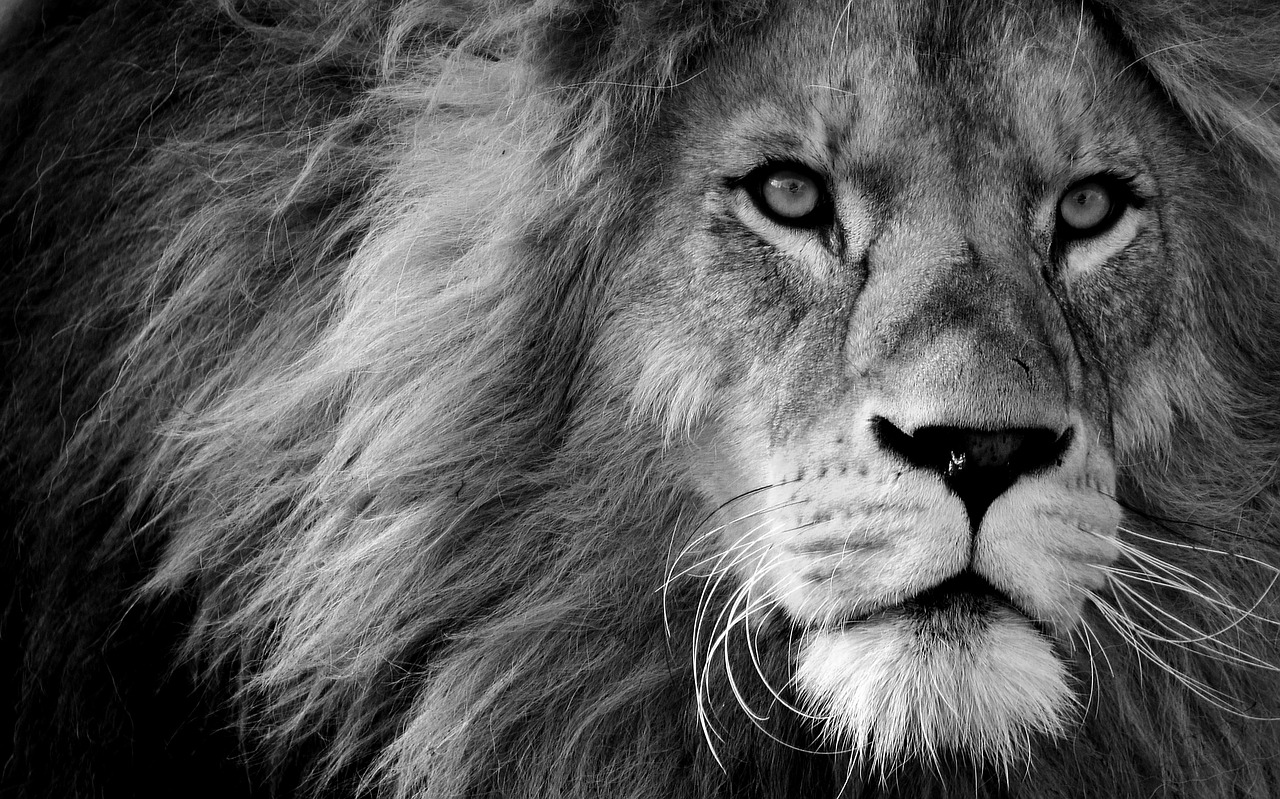
Denver's 130-year-old zoo in the heart of City Park, now the Denver Zoo Conservation Alliance: lions on Predator Ridge, a ten-acre Asian habitat complex, the walk-through Down Under, newly arrived white rhinos and, in winter, the three-million-bulb Zoo Lights.
 Jacksonville
 Zoo and Gardens
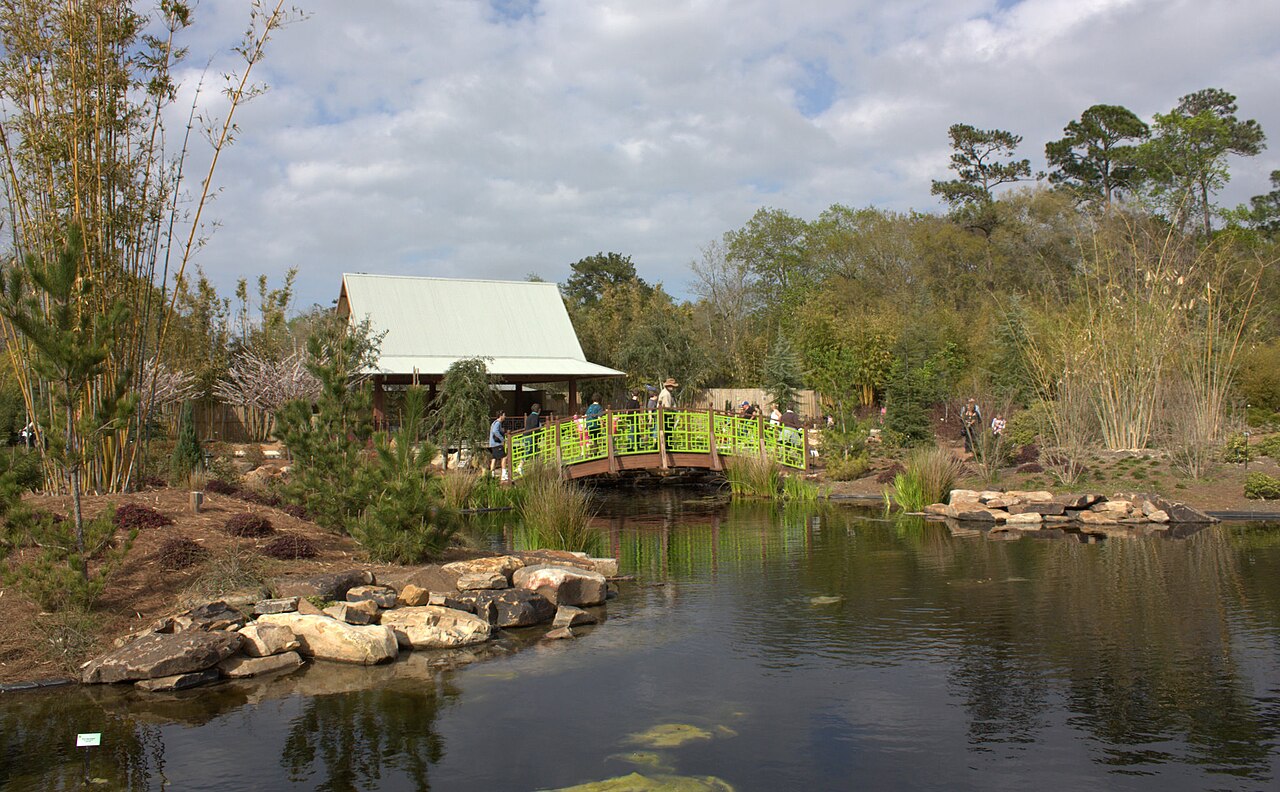
A large riverside zoo on the Trout River with big-cat country, African savanna, a stingray bay and shaded botanical gardens, one of the best full-day family outings in Northeast Florida.
 Mount Rainier
Northwest Trek Wildlife Park
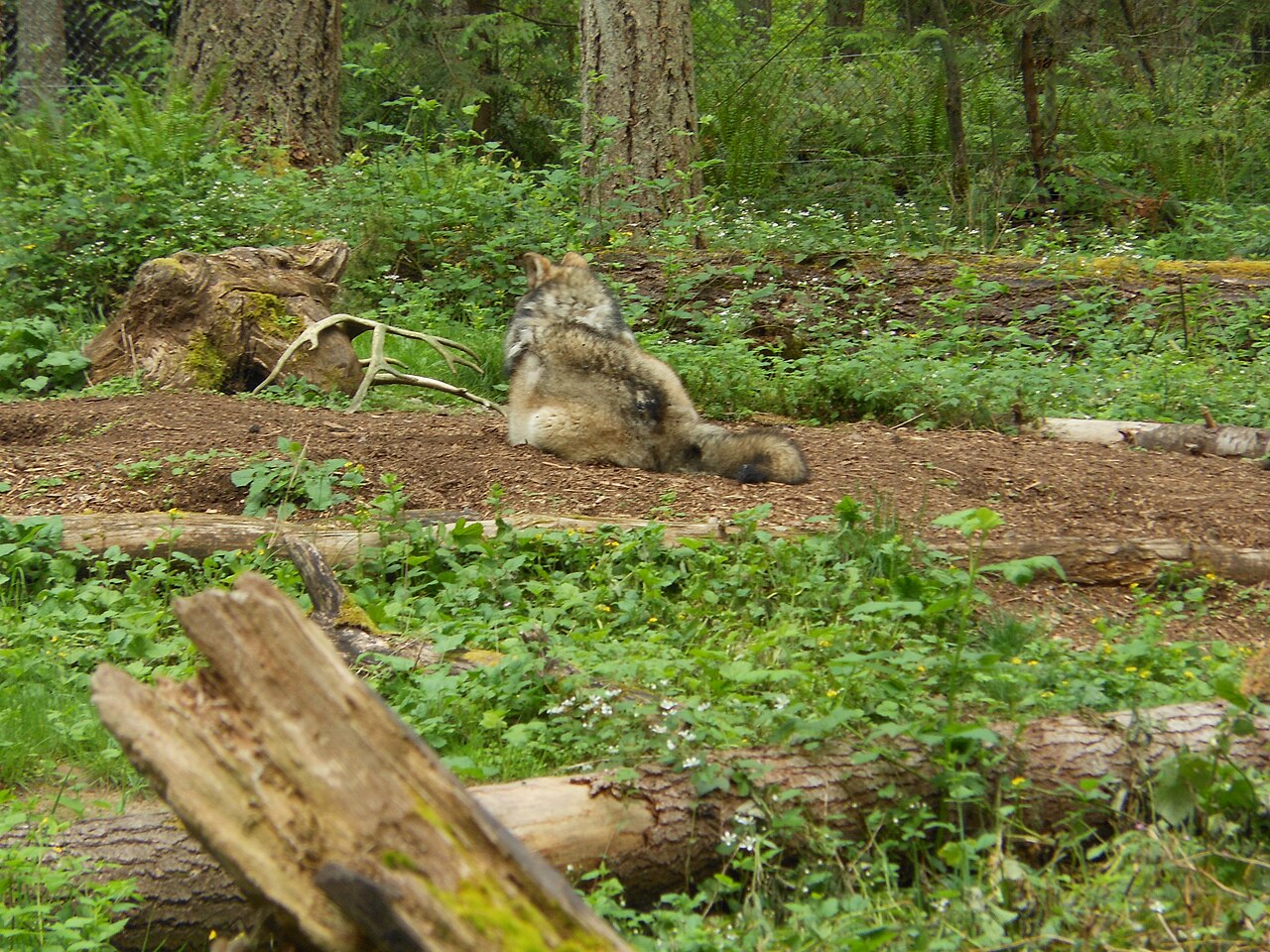
A 435-acre wildlife park near Eatonville where a tram carries you past free-roaming bison, elk and moose, with bears, wolves and a hands-on kids area.
 Natural Bridge & Lexington
Virginia Safari Park
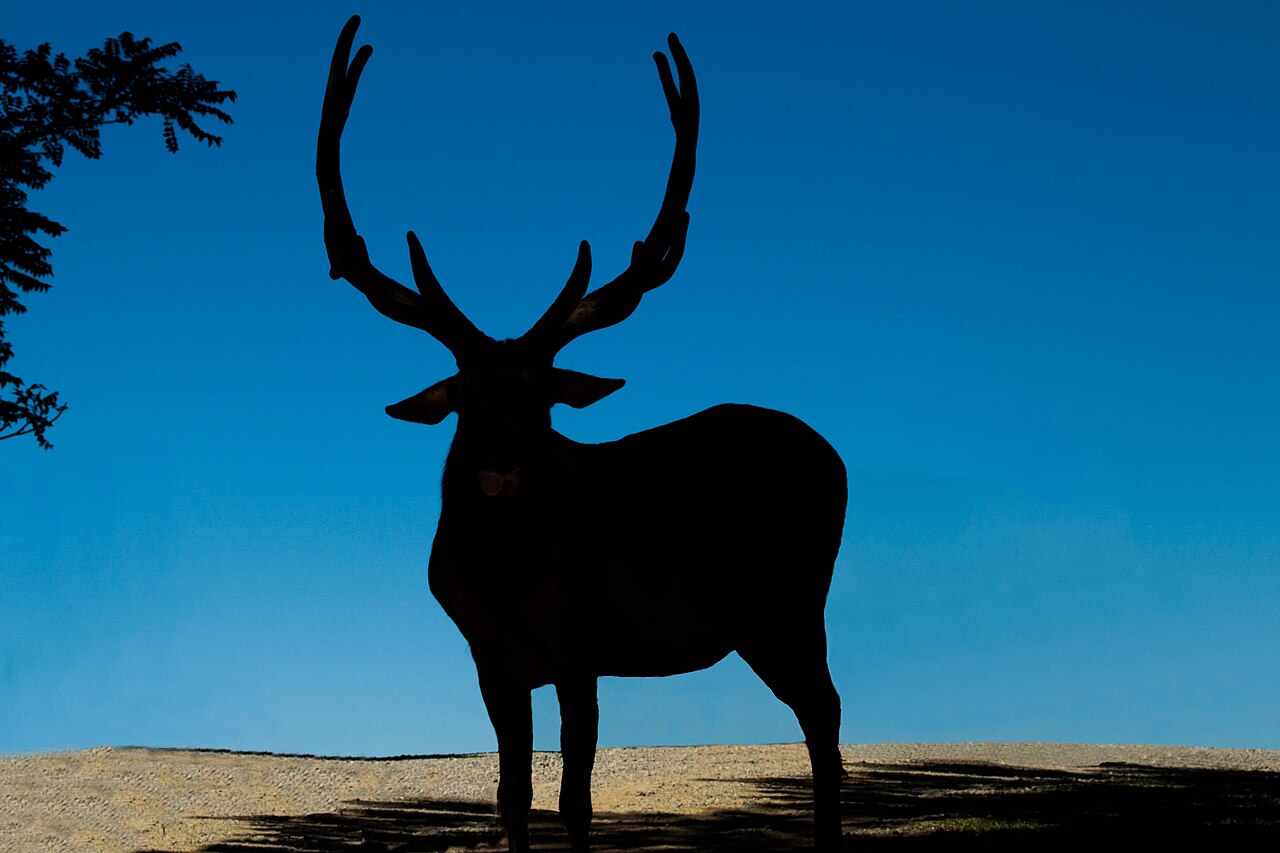
A 180-acre drive-thru safari a few minutes from the arch, where camels, elk and ostriches wander up to the car window, plus a walk-through village with giraffes, kangaroos and penguins.
 New York City
Bronx Zoo
265 acres in the Bronx — one of the largest urban zoos in the world, with the Congo Gorilla Forest, the African Plains, JungleWorld, and a serious conservation mission since 1899.
 Omaha
Omaha's Henry Doorly Zoo and Aquarium
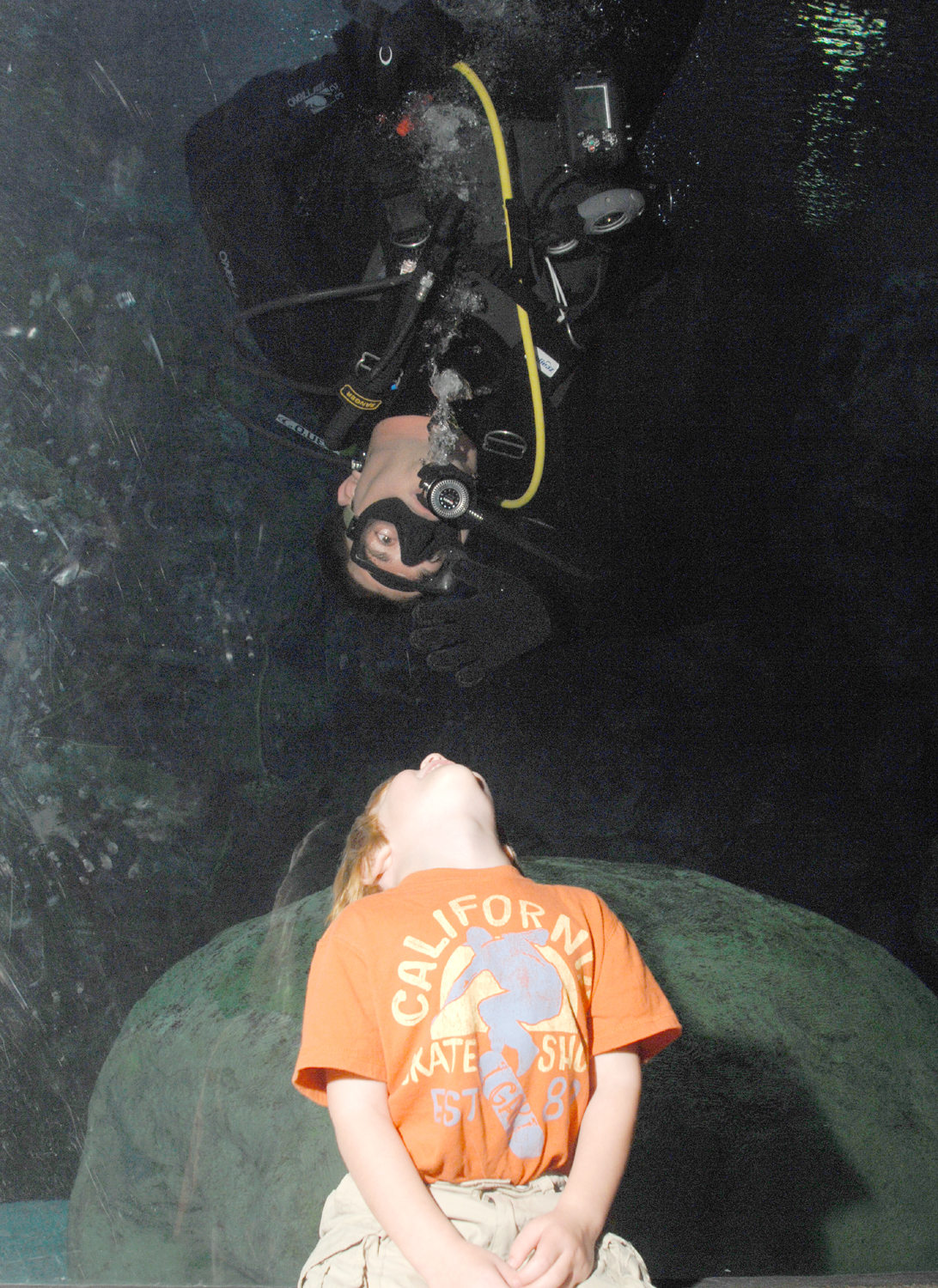
One of the best zoos in the United States, with an indoor rainforest, the world's largest indoor desert dome, a huge nocturnal exhibit, a shark tunnel and an aerial tram.
 Phoenix & Scottsdale
Phoenix Zoo
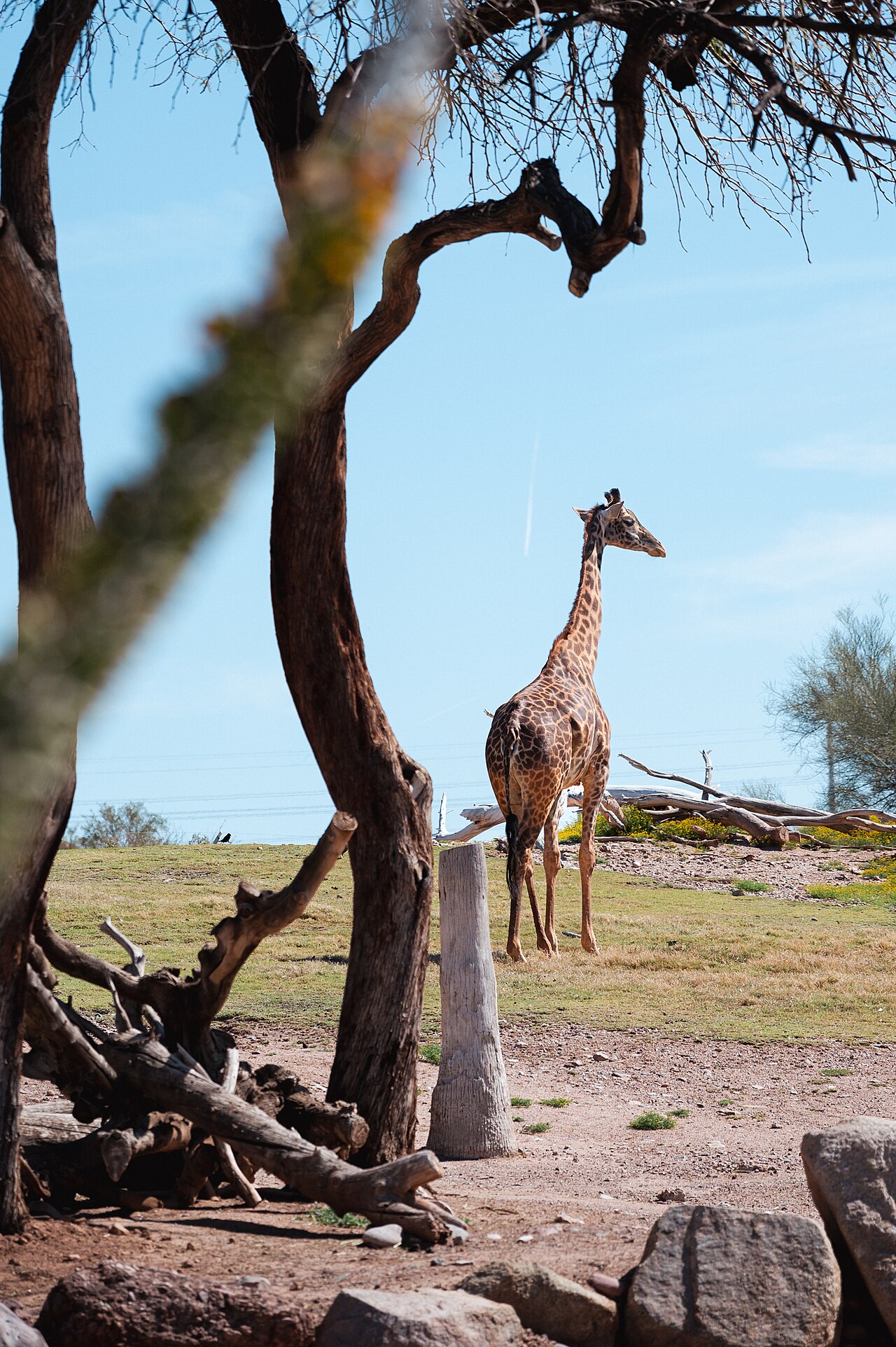
More than 3,000 animals on four themed trails among the red buttes of Papago Park, the conservation zoo that helped save the Arabian oryx, and ZooLights, the Valley's big holiday light show, from late November to mid-January.
By destination
Tips: zoos & safari parks
A good zoo or safari park day is built around the animals' routines rather than your own. Most species are most active in the first couple of hours after opening and again late in the afternoon, while midday heat sends big cats, bears and many primates into the shade. Arrive when the gates open, head straight for the large predators and the busiest enclosures, and save cafes, playgrounds and shops for the lull in the middle of the day.
It helps to know which kind of place you are choosing. City zoos are compact, usually reachable by public transport and suit a half day or a full one with children. Drive-through safari parks, such as Longleat near Salisbury, let you watch herds and big cats from your own car or a park vehicle, so check the rules on soft-top cars and whether the drive is included in your ticket. Safaris in the wild, from places such as Arusha or in Botswana, are a different experience altogether: long game drives where the guide, the vehicle and the group size decide the quality. Look for small groups, a window seat for everyone and guides who explain behaviour rather than just pointing.
Some destinations on this page stand out. Sydney's main zoo sits on the harbour, so arriving by ferry is part of the day. San Diego is known for pairing a city zoo with a larger safari park, and Dallas, Tacoma and Minneapolis all have well-regarded zoos that are easy to reach from downtown. Pretoria has a large national zoo, while Gqeberha is a gateway to nearby reserves where you can swap enclosures for open bush. Botswana remains the choice for travellers who want wild game rather than a managed park.
The common mistakes are simple ones. People try to see every enclosure and tire out by lunchtime, forget a hat, water and comfortable shoes, or miss the keeper talks and feeding sessions because they did not check the daily timetable on arrival. At safari parks, follow the rules on windows, feeding and staying in your vehicle, because they are there for your safety as much as the animals'. Book popular parks ahead on weekends and school holidays, and always check whether encounters or shows need a separate reservation.
Questions
What is the best time of day to visit a zoo?+
Go as soon as it opens. Animals are usually most active in the cool early hours, crowds are thinner and queues for popular exhibits are short. Late afternoon is the next best window, when feeding sessions often happen and the heat fades. Midday is the quietest time for the animals themselves, so use it for a lunch break or the indoor houses.
Is a drive-through safari park worth it?+
Yes, if you want to see large animals up close without a long journey. You stay in your car or a park vehicle, which makes it easy with small children or limited mobility. It is not a substitute for a true safari, where animals are wild and the guide matters most, but it is a relaxed, good-value way to spend a few hours.
How long should I allow for a zoo visit?+
Allow three to four hours for a compact city zoo and most of a day for a large one or a safari park. Add time if you want keeper talks or feeding sessions, which run on set schedules. Families with young children often do best with a shorter visit and a proper break in the middle, rather than pushing through until closing.
Should I book zoo tickets in advance?+
It is wise for weekends, school holidays and anything with timed entry, and some parks sell out their busiest days. Booking ahead also saves queueing at the gate. Check what the ticket includes, as animal encounters, shows, train rides and drive-through sections are sometimes sold separately, and confirm the cancellation terms if the weather looks uncertain.