Ways to explore
Stadiums & sports
Stadium tours, big games, racetracks and sports halls of fame. 146 picks across 92 destinations.
The best of the best
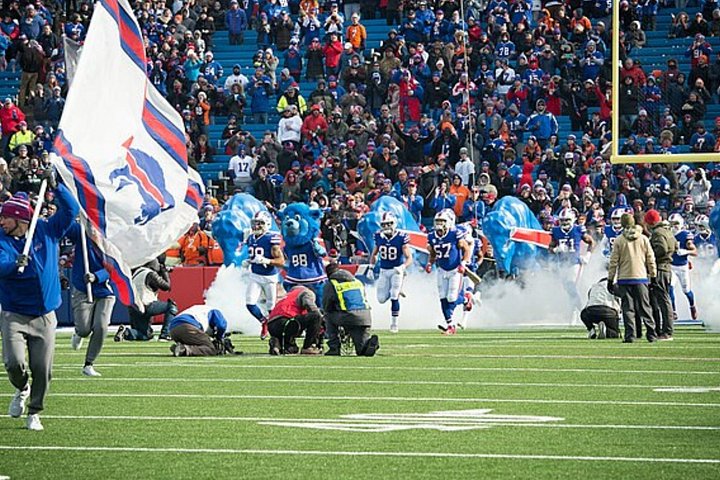
BuffaloBuffalo Bills Football Game
NFL football in one of America's most devoted fan cultures: tailgating in the parking lots, snowy stands, and Bills Mafia energy at the team's home stadium in Orchard Park.
 Daytona Beach
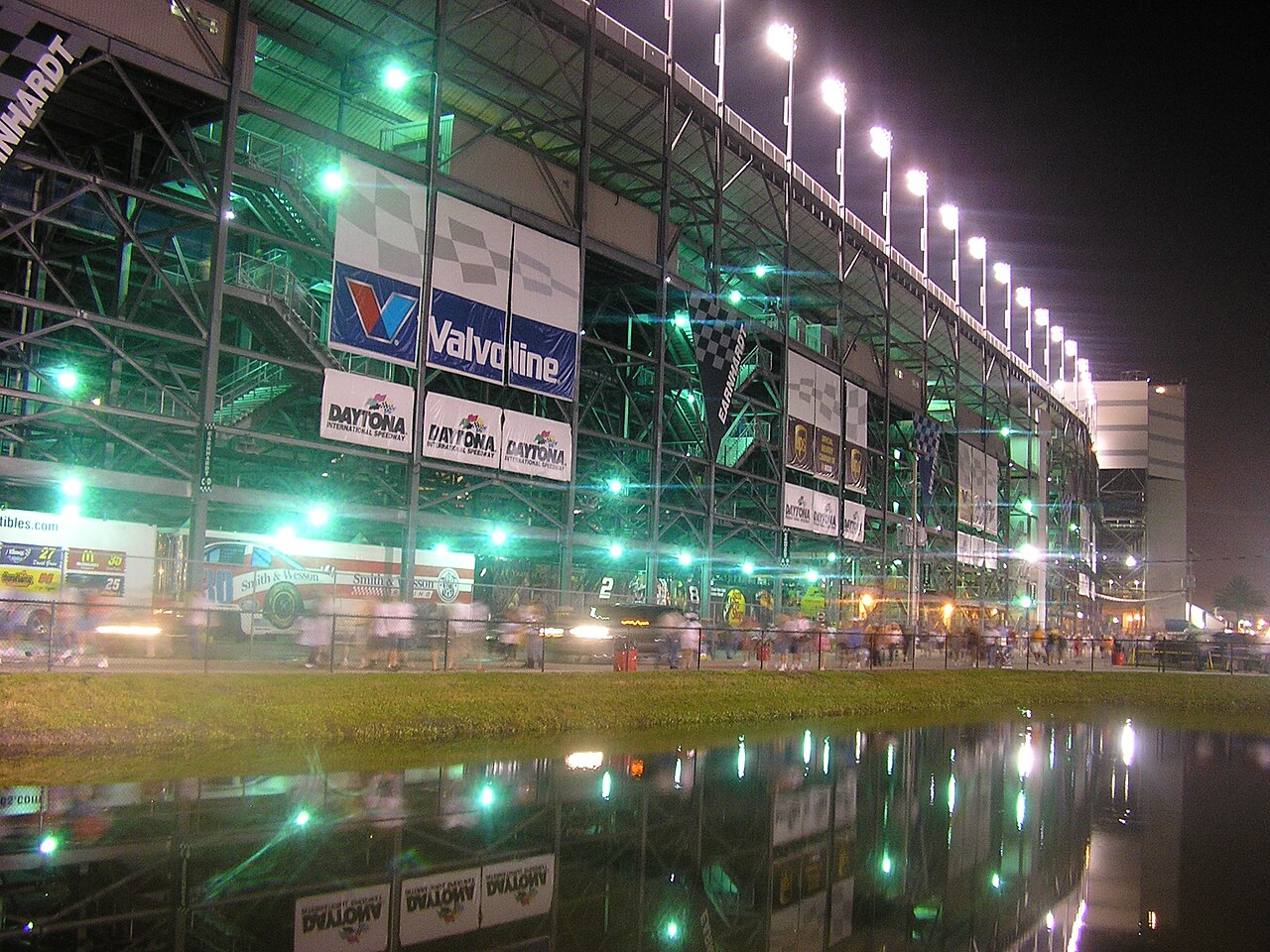
Daytona International Speedway
The 2.5-mile high-banked tri-oval that hosts the Daytona 500 every February.
 Jacksonville
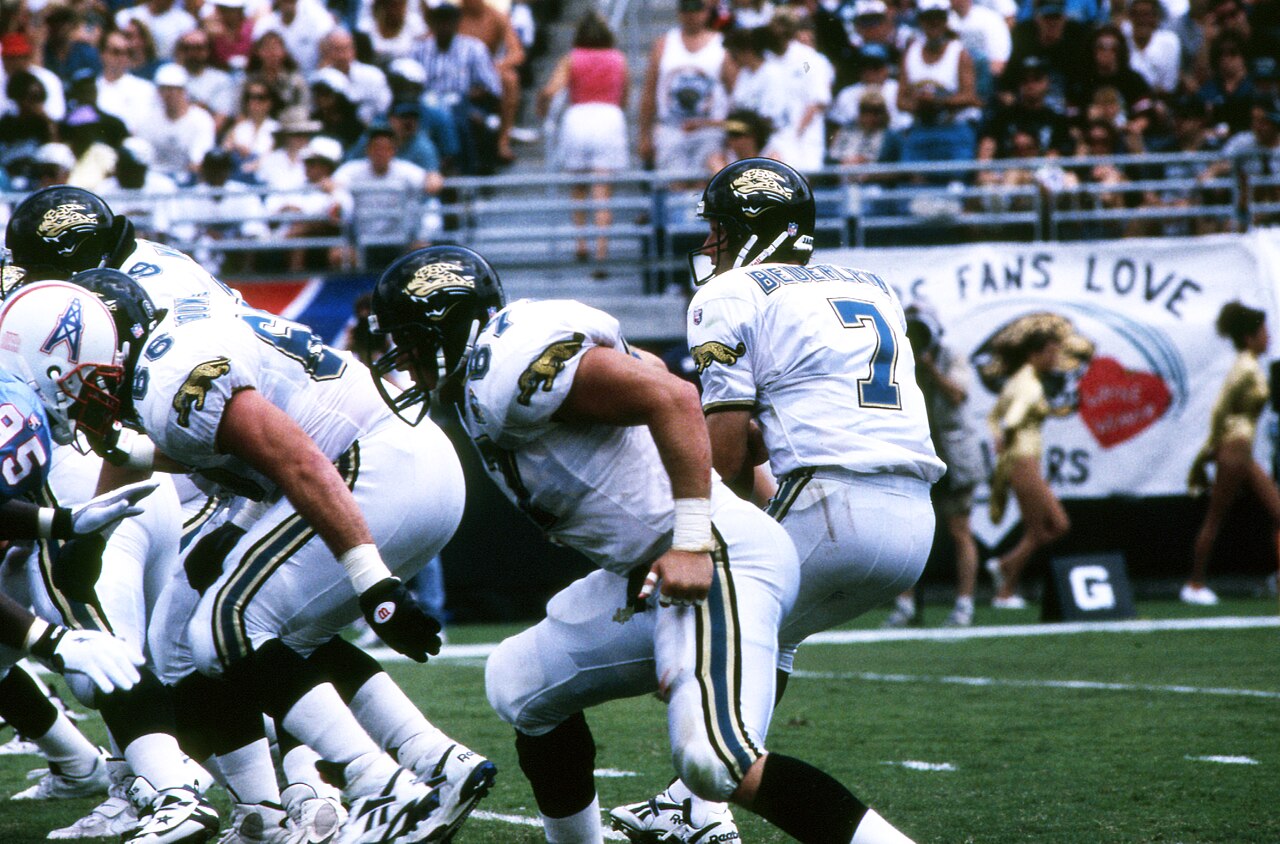
 Jaguars Game at EverBank Stadium
Sunday NFL football on the St.
 Knoxville
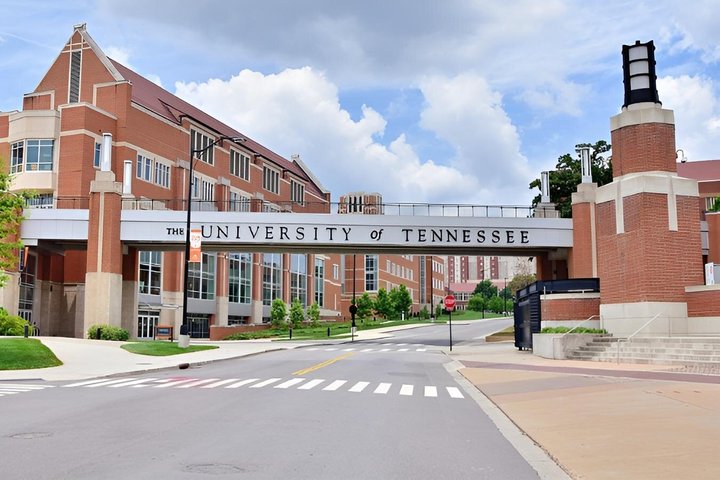
Neyland Stadium and the University of Tennessee Campus
Home of the Tennessee Volunteers: a stadium that holds more than a hundred thousand fans on the Tennessee River, set on a hilltop campus with a lively strip of bars and cafes on Cumberland Avenue.
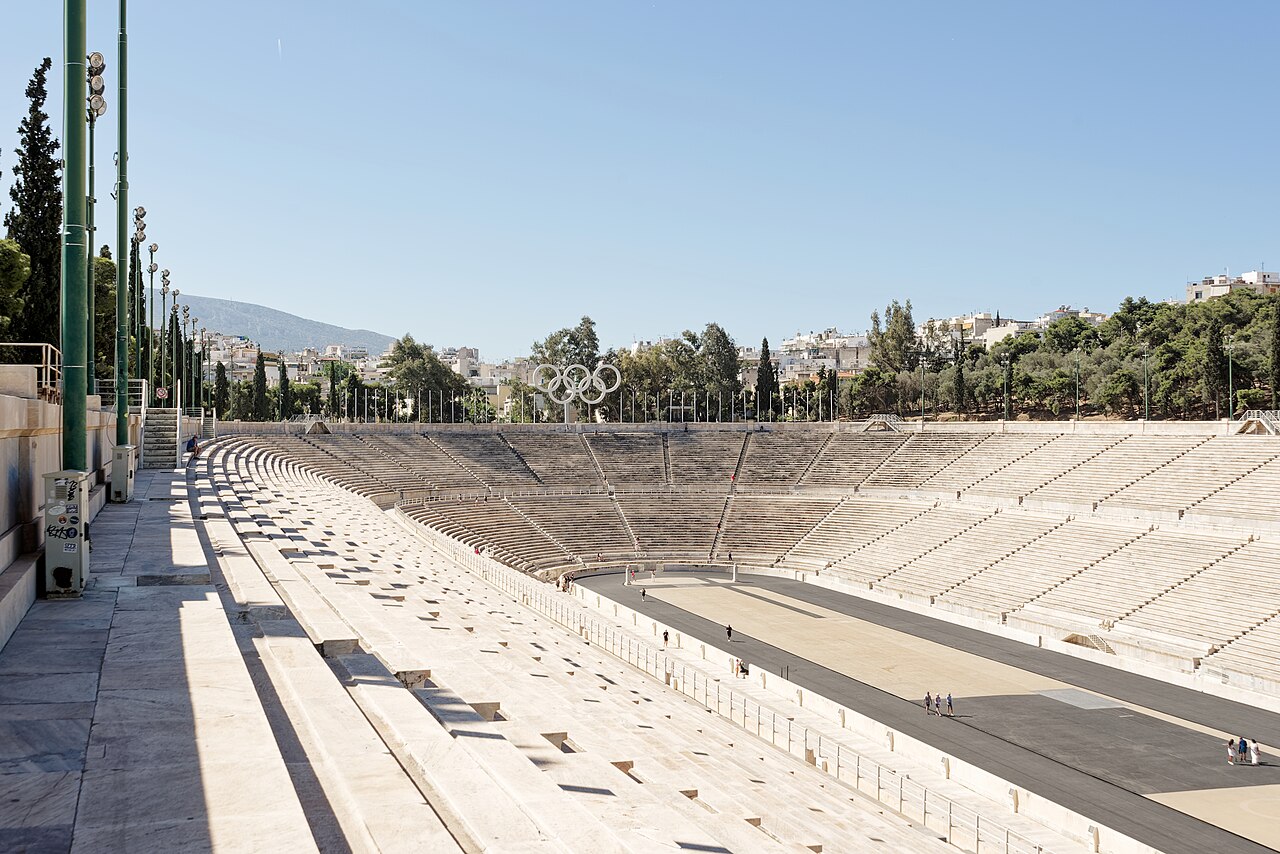 Athens
Panathenaic Stadium (Kallimarmaro)
The only stadium in the world built entirely of marble: an ancient racecourse rebuilt in gleaming Pentelic stone for the first modern Olympics in 1896.
 Manchester
Old Trafford Stadium Tour and Manchester United Museum
A behind-the-scenes tour of Old Trafford, the Theatre of Dreams, with the players’ tunnel, the dressing rooms and pitchside seats, plus the Manchester United Museum and its trophy cabinet.
By destination
Indianapolis · 6
Kansas City · 5
Denver · 4
Los Angeles · 4
London · 4
Atlanta · 3
Cleveland · 3
Myrtle Beach · 3
Orlando · 3
Manchester · 3
Detroit · 2
Seattle · 2
Tampa · 2
Washington, DC · 2
Buenos Aires · 2
Tips: stadiums & sports
There are two quite different ways to enjoy sport as a visitor: watching a live game, and touring the venue on a quiet day. A live match gives you the noise, the food and the crowd, and is often the best single evening out in a city. A stadium tour shows you the dressing rooms, tunnel, pitch edge and museum, usually in an hour or two, and is the easier option when no game is scheduled or when tickets are scarce. Racetracks and halls of fame sit somewhere in between, with a mix of museum displays and behind-the-scenes access.
Before you book, check the fixture list and the sporting season, because a tour may be limited on match days and some venues are closed to visitors around big events. For live games, choose your seat with some thought: lower tiers give atmosphere and sightlines close to the action, while higher seats show the shape of the game. Minor-league and college fixtures are cheaper, more relaxed and an excellent introduction to a sport you do not know well. Arrive early, as security checks and bag rules are strict at many venues, and clear bags are often required in North America.
Some destinations on this page are proper sporting pilgrimages. Manchester and Glasgow are famous football cities with large stadiums and passionate local clubs. Indianapolis is closely tied to motor racing, Charlotte and Winston-Salem to stock car culture, and Kansas City, Detroit, Tampa and Nashville to major-league ice hockey, baseball and American football. Myrtle Beach and Hilton Head are golf destinations, while Sao Paulo and Bangkok offer big football and regional sports experiences.
The commonest mistakes are buying tickets from unverified resellers, turning up late and missing the first period, and assuming that a tour includes access to the pitch or field. Check what is covered, whether your ticket is mobile or paper, and the venue's rules on bags, cameras and food. Wear the right clothes for the weather, because many stadiums are open-air, and learn the basics of the sport so the evening makes sense.
Questions
Is a stadium tour worth it if I cannot get game tickets?+
Yes, a tour is often the best option when matches are sold out or out of season. You usually see areas fans never reach, such as dressing rooms, the player tunnel and the press box, plus a club museum. Tours last one to two hours, so they fit easily around other sightseeing.
Where should I buy tickets for a live game?+
Buy from the club, the venue or an authorised seller, and check the terms before paying. Resale sites can be fine but carry the risk of fakes and cancellations. Choose digital tickets where offered, keep them on your phone with battery to spare, and read the entry rules on bags and re-entry before you travel.
How early should I arrive at a stadium?+
Aim to arrive an hour before the start for most big events, and earlier for large stadiums or fixtures with heavy security. Queues at the gates, bag checks and finding your seat all take time. Arriving early also lets you enjoy the warm-ups, the food and the atmosphere, which are a large part of the experience.
Which is better, a major-league game or a minor-league one?+
Major-league games offer top-level play and big-stadium atmosphere, but tickets cost more and sell out. Minor-league and college games are cheaper, more relaxed and usually easier to book, with fun extras for families. If you are new to a sport, a smaller fixture is a friendly introduction, while a big match suits fans wanting a headline occasion.