Ways to explore
Stargazing & northern lights
Dark skies, observatories, planetariums and aurora hunts. 106 picks across 77 destinations.
The best of the best
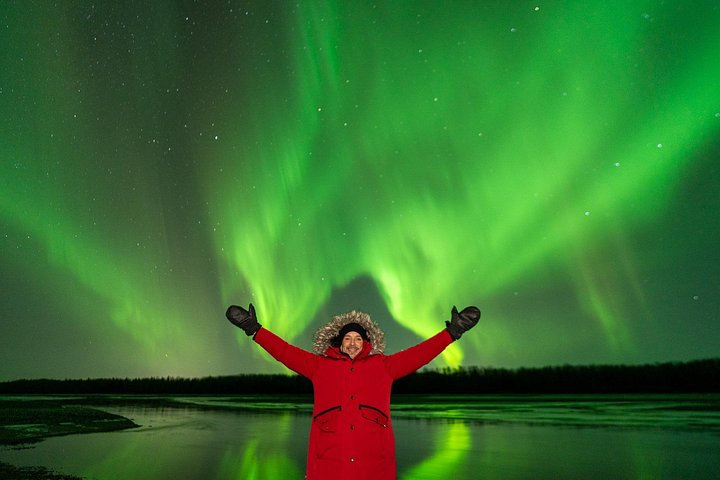
AlaskaAnchorage Northern Lights Tour
An evening-to-night guided aurora chase from Anchorage with photography help, one of the best reasons to visit Alaska in winter.
 Death Valley
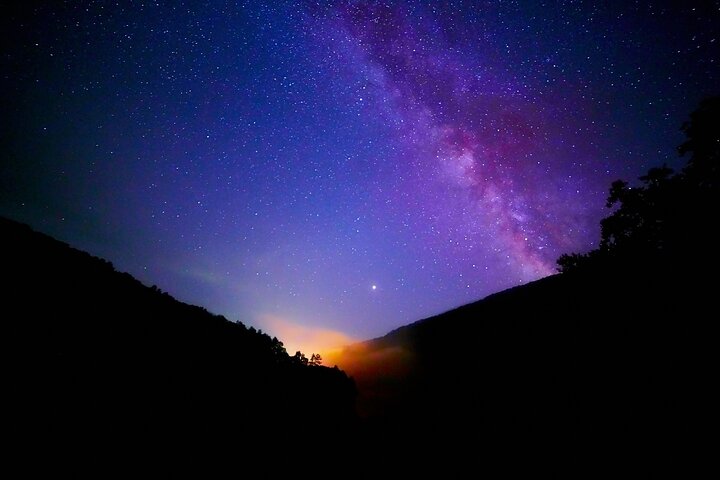
 Sunset and Stargazing Tour from Las Vegas
A late-day tour that times the park's golden hour to the sunset and then waits for full darkness, when the Milky Way spills across one of the darkest skies in the lower 48.
 Fairbanks & Denali
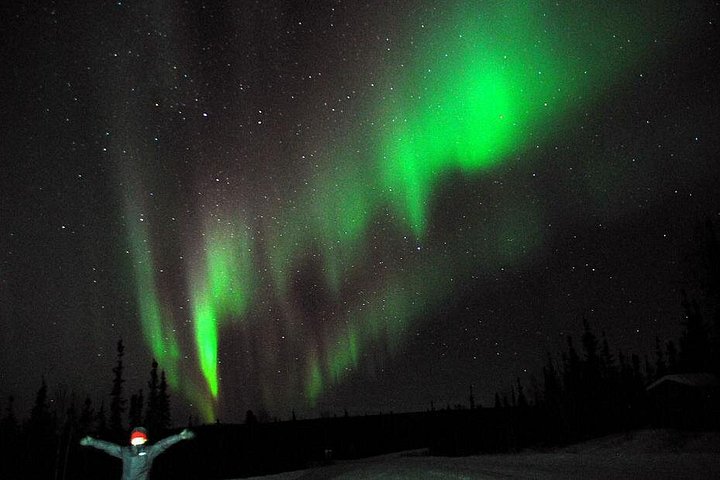
Fairbanks Northern Lights Chase Tour
A guided night out chasing the aurora from Fairbanks, with a guide who watches the sky and the forecast and drives to the clearest dark spot.
 Flagstaff
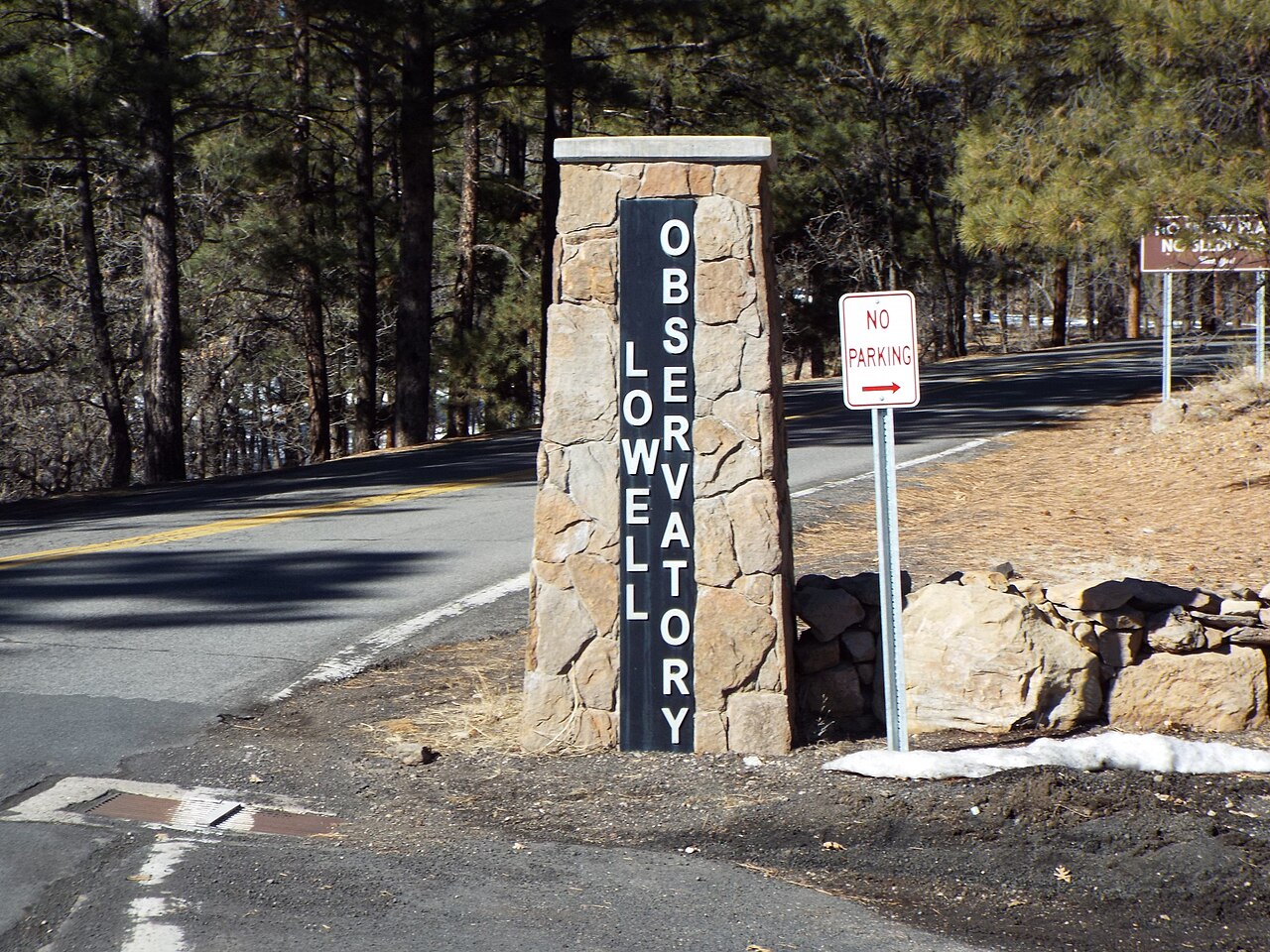
Lowell Observatory
The hilltop observatory where Pluto was discovered in 1930, with daytime tours of historic domes and evening telescope viewing on the open deck in the heart of the first International Dark Sky City.
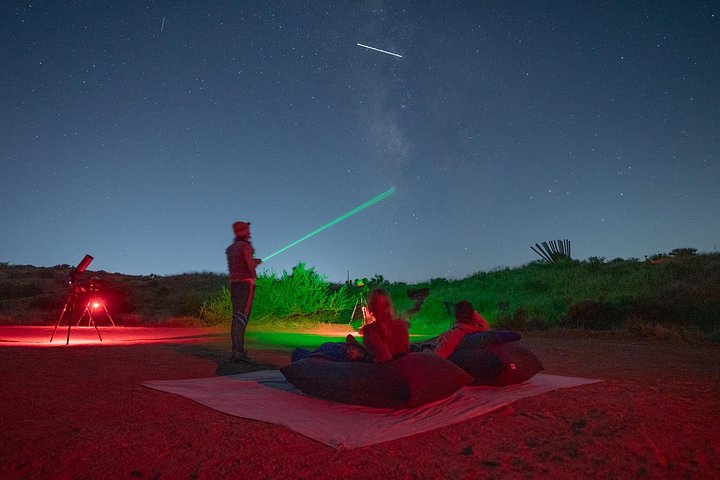 Joshua Tree
 Stargazing Tour
A professional-led night under one of California's darkest accessible skies, with telescopes, constellation stories and a Milky Way that actually looks like the photographs.
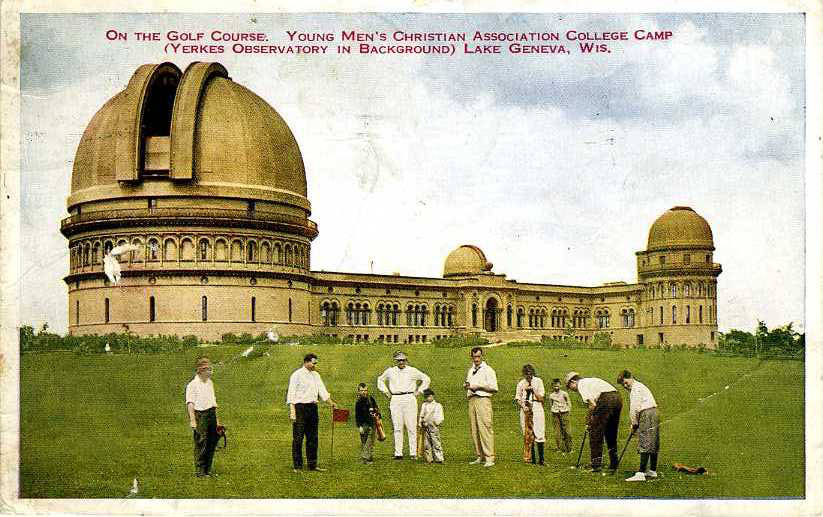 Lake Geneva
Yerkes Observatory
A grand Romanesque observatory in Williams Bay, opened in 1897 and home to the world's largest refracting telescope, now welcoming visitors to explore its domes, grounds and astronomical heritage.
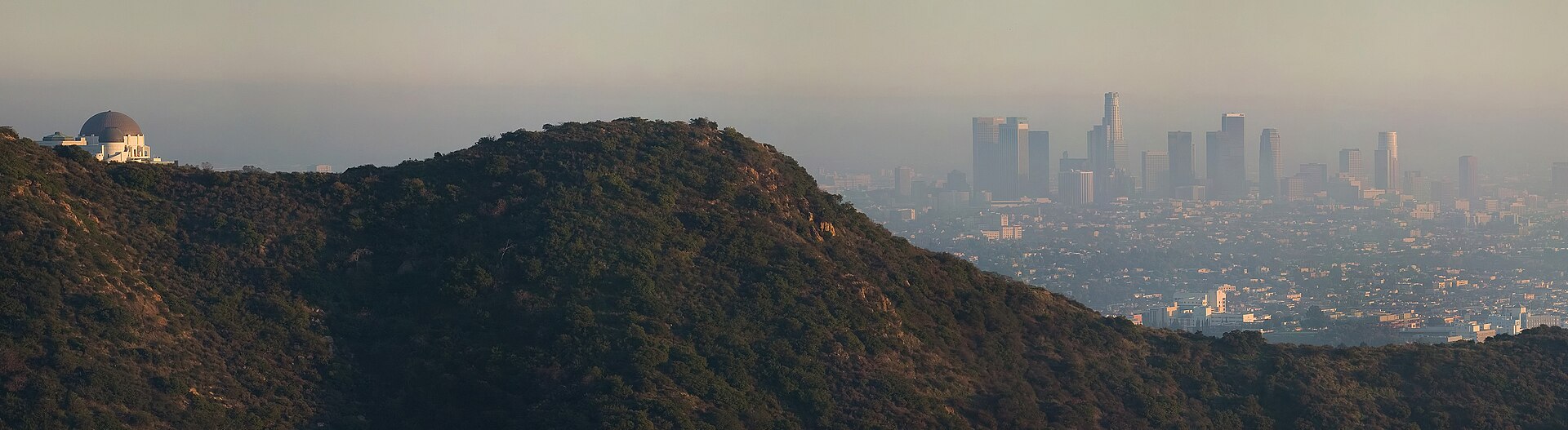 Los Angeles
Griffith Observatory
The Art Deco observatory on the slopes of Mount Hollywood — free to enter, with planetarium shows, telescopes, science exhibits, and the city's most famous views of the LA basin and the Hollywood Sign.
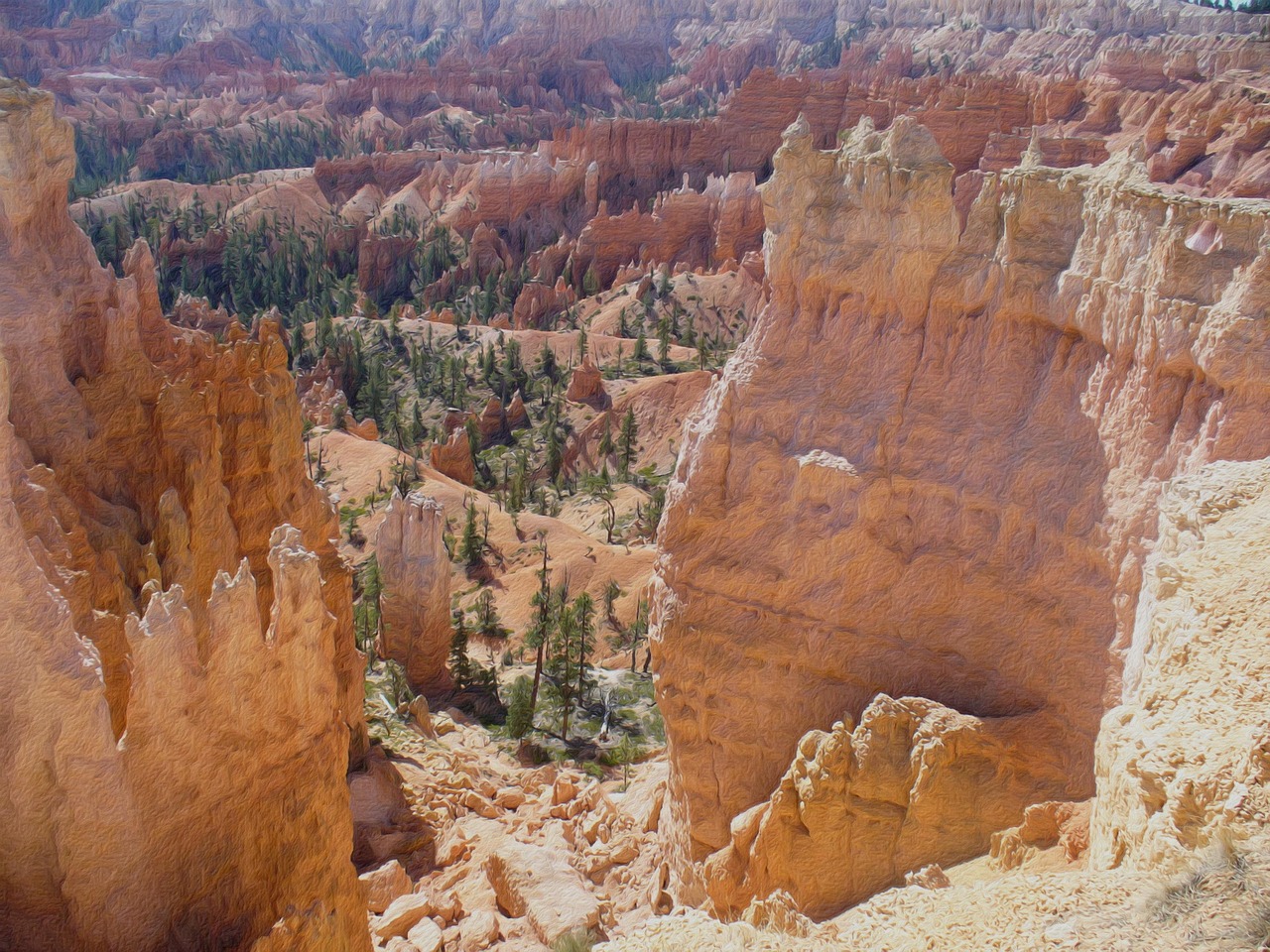 Zion & Bryce Canyon
Bryce Canyon Astronomy Programs and Full Moon Hikes
One of the darkest night skies in the national park system, interpreted by rangers and volunteer astronomers: around 100 astronomy programs a year, a four-day summer festival, and ticketed full moon walks among the hoodoos, on snowshoes in winter.
By destination
Kiruna · 8
Yellowknife · 4
Alaska · 3
Death Valley · 2
Tips: stargazing & northern lights
The best stargazing and aurora experiences have the same ingredients: darkness, clear sky and patience. Your trip will work or fail on those three things, not on how well the tour is run, so choose the destination first and the operator second. Look at the moon phase for your dates, since a new moon gives the darkest skies, and give yourself more than one night, because a single cloudy evening can wipe out a short stay.
Northern lights hunting is a season-long game rather than a single outing. The aurora is seen in the far north from roughly late August to April, when nights are long enough, and the best chances come on clear, dark nights away from town lights. No operator can promise a display, so favour tours that drive to find clear sky, keep you warm between stops and are honest about odds. Dress in more layers than you think you need, especially for feet and hands, because standing still in the cold is far harder than hiking.
Kiruna, Levi, Tromso, Yellowknife, Fairbanks and Alaska are the classic aurora bases, with long dark winters and settled traditions of snowmobile, snowshoe and cabin-based viewing. Reykjavik makes a more accessible option, with coach and boat tours leaving the city lights behind. For stars rather than aurora, Death Valley, Joshua Tree and the Badlands are well known for dark desert and prairie skies, the Big Island offers programmes high on a volcano above much of the cloud, and Tenerife and AlUla are prized for clear desert and mountain air. Cities such as Osaka and Perth are better for planetariums and observatories when the weather is poor.
Common mistakes include booking one night only, staring at a bright phone screen and ruining your night vision, and expecting photographs to look like the long exposures online. Bring a tripod if you want to photograph the sky, use a red light rather than white, and let your eyes adjust for around twenty minutes. Check the cloud forecast, not just the aurora forecast, and have a backup plan such as an observatory visit.
Questions
When is the best time to see the northern lights?+
The aurora is generally visible from late August to April in the far north, when nights are dark enough. Winter months bring the longest nights and often the best chances, though cold and cloud also vary. Clear skies matter more than the exact month, so allow several nights, choose a place far from city lights and check the local cloud forecast.
Can a tour guarantee I will see the aurora?+
No, and you should be wary of any that claims to. The lights depend on solar activity and clear skies, neither of which a guide controls. A good operator will move to find gaps in cloud, tell you the odds honestly and sometimes offer a second night. Book several evenings and keep your expectations flexible.
What phase of the moon is best for stargazing?+
A new moon, or the days either side of it, gives the darkest sky and the clearest view of the Milky Way. A bright full moon washes out fainter stars and the Milky Way. The aurora can still be seen under moonlight because it is bright, but for deep-sky stargazing, plan your trip around a new moon.
What should I bring for a night of stargazing?+
Bring warm layers, a hat, insulated gloves, thick socks and waterproof boots, even in desert locations, where nights get cold. A flask of something hot, a red torch and a tripod for photographs are all useful. Keep white light and phone screens to a minimum so your eyes can adjust to the dark.