Ways to explore
Volcanoes
Craters, lava fields and active volcanoes. 113 picks across 60 destinations.
The best of the best
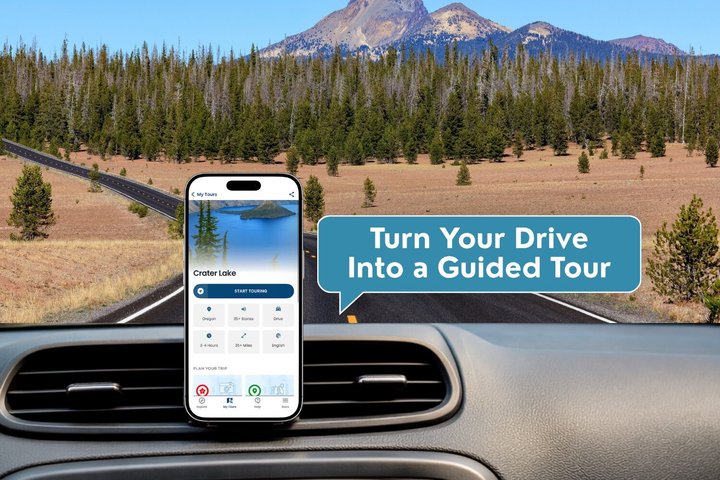
Ashland & Crater LakeCrater Lake National Park
The deepest lake in the United States, a startlingly blue lake in the collapsed cone of an ancient volcano.
 Bend
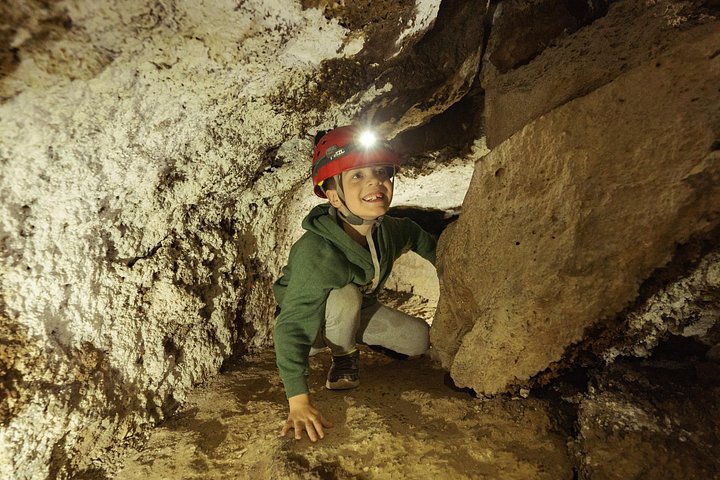
Lava Tube Cave Tour
Walk underground through a lava tube south of Bend, where the temperature hovers near freezing and the walls show how molten rock once flowed beneath the high desert.
 Big Island of Hawaii
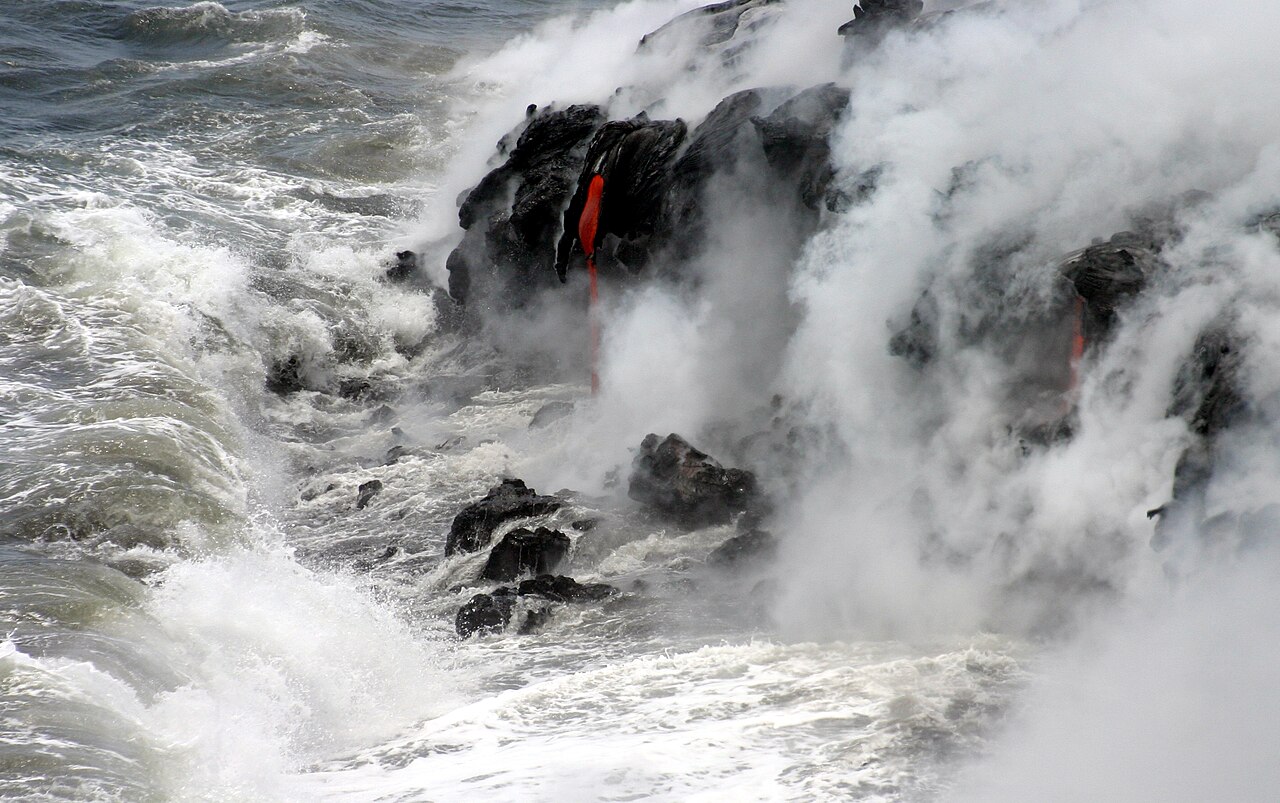
Hawaii Volcanoes National Park (Big Island)
Walk on one of Earth's most active volcanoes — Kilauea's summit caldera and crater, steam vents, a walk-through lava tube, and the Chain of Craters Road down to the sea.
 Flagstaff
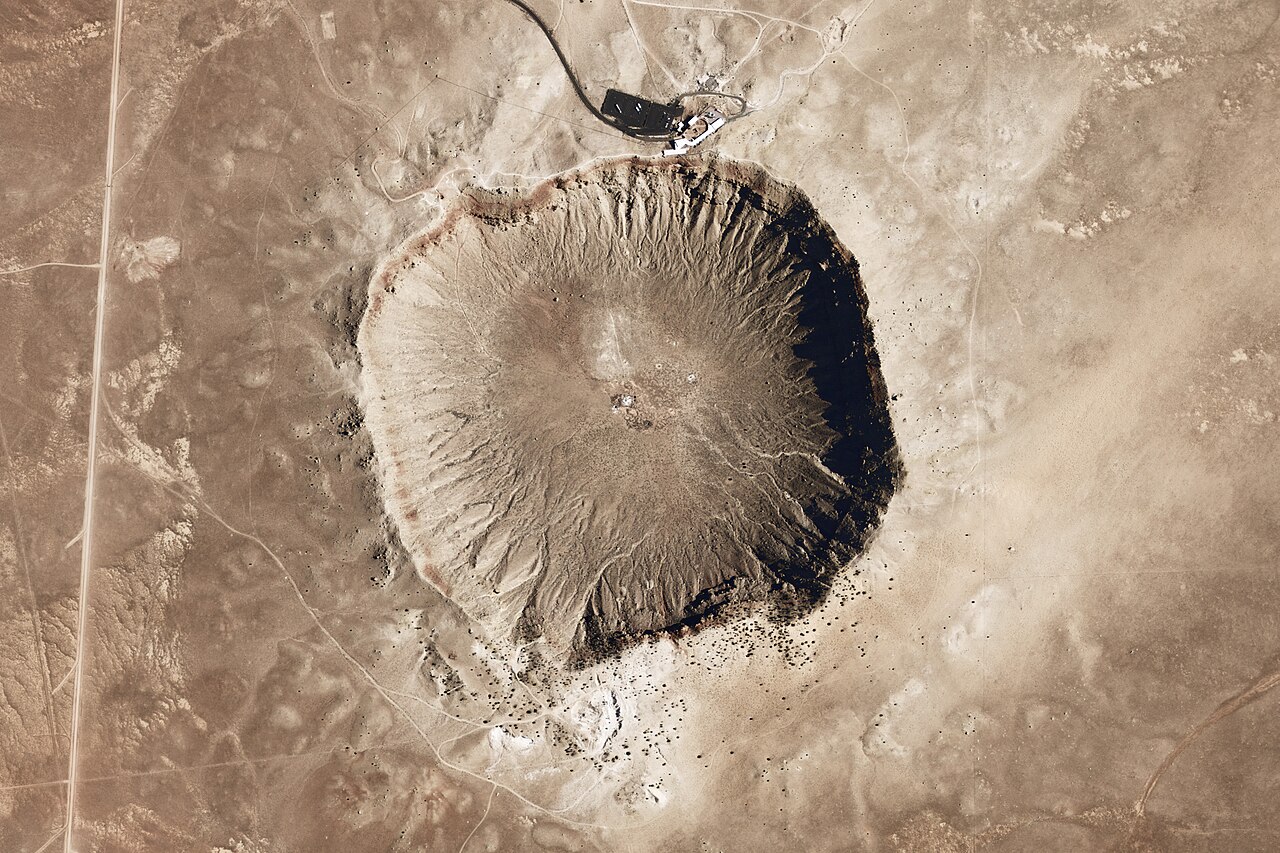
Meteor Crater
A bowl nearly a mile across and deeper than a football-field-and-a-half is tall, blasted out about 50,000 years ago and so well preserved that astronauts trained on it for the Moon.
 Maui
Molokini Crater Snorkel Cruise
Snorkel inside a sunken volcanic crater — Molokini's crescent shelters some of Hawaii's clearest water (100-foot-plus visibility) and a protected reef, reached by morning boat tours from Maui's south shore.
 Park City & the Wasatch Back
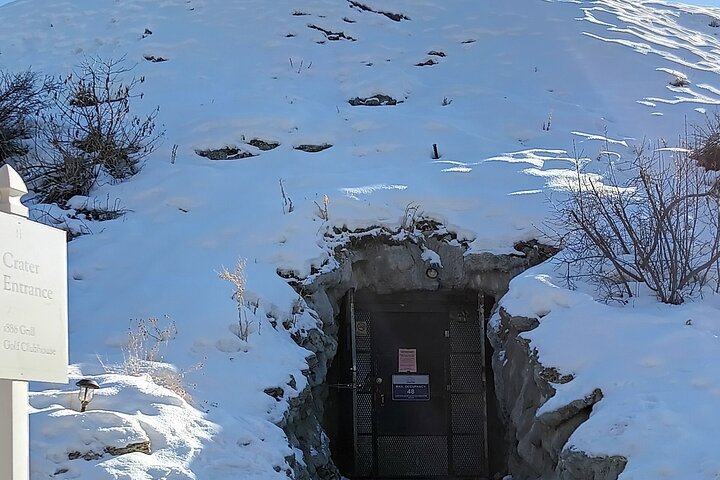
Homestead Crater Hot Spring Soak
A warm mineral hot spring inside a beehive-shaped limestone dome in Midway, where you can soak, swim or float beneath a hole in the roof.
 Redding & Lake Shasta
Lassen Volcanic National Park Self-Guided Audio Driving Tour
All four types of volcano in one national park, driven at your own pace with a GPS-triggered audio guide.
 Sun Valley & Ketchum
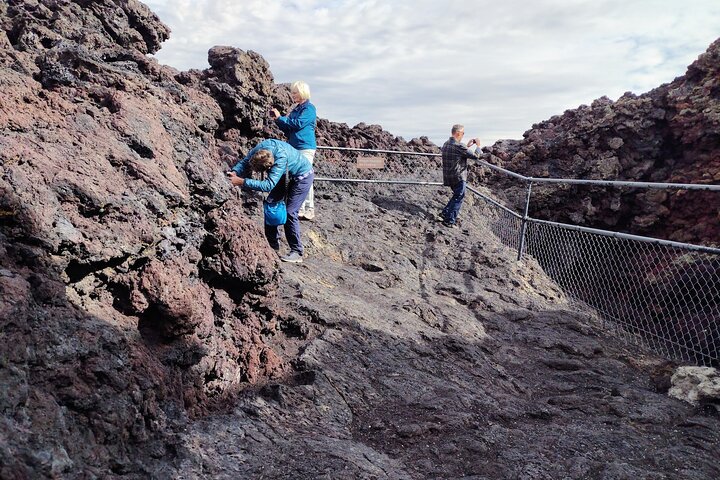
Craters of the Moon National Monument Guided Tour
A guided full-day trip to Idaho's otherworldly lava fields, with cinder cones, lava tubes and a landscape that astronauts once used for training.
By destination
Santorini · 6
Bandung · 5
Bend · 3
Guatemala City · 3
Rwanda (Kigali) · 3
Nagasaki · 2
Tips: volcanoes
Volcano experiences range from a gentle drive to a crater rim to a demanding pre-dawn climb, and the right choice depends on your fitness and the conditions on the day. Some volcanoes are dormant and safe to walk across, others are active and managed with closures and exclusion zones that change with little notice. A good guide knows the current situation, picks the safest route and explains what you are looking at, which is why a guided trip is usually the better choice for anything beyond a short walk.
Plan around the weather. Volcano summits create their own cloud, and visibility is usually best in the early morning before mist and cloud build up. Temperatures drop quickly with height, so bring layers, a windproof jacket, sturdy boots with a good grip on loose ash and scree, sunglasses and plenty of water. Hikes can run from two hours to a full day, and a high summit may be tougher than it looks because of altitude and loose ground. Check the difficulty, the distance and the elevation gain before you book.
Some regions on this page are especially rewarding. Pacaya near Guatemala City and Antigua is an accessible active volcano with views of lava fields, while Puerto Varas, in Chile's lake district, offers Osorno and Calbuco. The Big Island is the place to see a volcanic landscape up close, and Santorini sits on a flooded caldera, where boat trips reach the volcanic islet. Arusha leads to Tanzania's volcanic highlands and craters, Bandung has Javan crater lakes, Sicily has Etna, Costa Rica offers crater lakes and forest, and Reykjavik is a base for Iceland's geothermal and lava landscapes.
The common mistakes are wearing trainers, setting out late, ignoring closures and underestimating altitude. Do not expect flowing lava every time, as activity varies, and follow your guide's instructions about gas, loose rock and restricted areas. Pick a trip that matches your fitness, bring more water than seems necessary, and leave extra time in your schedule in case weather or volcanic activity forces a change of plan.
Questions
Is it safe to visit an active volcano?+
Visits can be done sensibly when you go with a qualified guide and respect local closures. Conditions change, and authorities close areas when activity rises. Follow the guide's instructions, stay on marked routes and never enter restricted zones. If a trip is cancelled because of activity, accept it, as that is the system doing its job.
What is the best time of day to hike a volcano?+
Start early. Mornings generally bring clearer views, cooler air and less cloud around the summit, and give you time to return before afternoon weather rolls in. Sunrise hikes are popular for good reason, though they involve a very early start and a headtorch for the first part of the climb.
What should I wear to a volcano hike?+
Wear sturdy hiking boots or shoes with a good grip, long trousers, and layers you can add or remove, as it is often windy and cold at the top. Bring a waterproof jacket, hat, gloves, sunglasses and plenty of water. Loose ash and rock are hard on thin soles, so avoid fashion trainers.
Do I need to be fit to visit a volcano?+
Not always. Some volcanoes have a road or short path to the rim, while others demand a long climb at altitude. Check the distance, elevation gain and expected time for each trip, and choose one that matches your fitness. Guides can often suggest an easier alternative if you are unsure.